
In 2026, the global assisted reproduction field continues to develop. Georgia, with its clear legal environment and mature technological system, has become an important destination for many families to achieve their reproductive goals. "Surrogacy in Georgia: Where to go for central surrogacy?" is the first question many people face when planning cross-border reproduction. This article provides a comprehensive reference guide focusing on core dimensions such as cost, law, technology, process, and institution selection.
Cost Breakdown of Surrogacy in Georgia in 2026
The cost of surrogacy in Georgia in 2026 mainly consists of the following parts: medical examination and ovulation induction costs, egg retrieval surgery and embryo culture costs, third-generation IVF PGT genetic screening costs, surrogate mother compensation and pregnancy management fees, legal document and notarization fees, agency service fees, and newborn repatriation procedure fees. The overall cost range is usually between 400,000 and 700,000 RMB, depending on the chosen medical institution, technical plan, and supporting services. Compared to the United States and Canada, the cost of surrogacy in Georgia has a clear price advantage, which is the main reason for the continuous increase in search volume in recent years. Among the cost components, the application of third-generation IVF technology accounts for the highest proportion, but it also significantly improves the implantation success rate and embryo health.
Legal Protection System for Surrogacy in Georgia
As of 2026, Georgia is one of the few countries in the world that has clearly legislated to allow commercial surrogacy. The surrogacy laws in Georgia clearly define the rights and obligations of the commissioning parents, the surrogate mother, and the medical institution. After the child is born, the commissioning parents can directly obtain parental recognition without additional litigation or long waiting periods. This legal certainty significantly reduces the risks of cross-border surrogacy, making Georgia the first choice for many families. The legality of surrogacy in Georgia is not only reflected in domestic law but also widely recognized by the international community. There are mature procedures for newborns to apply for passports and Chinese travel documents.
Technological Advantages of Third-Generation IVF in Georgia
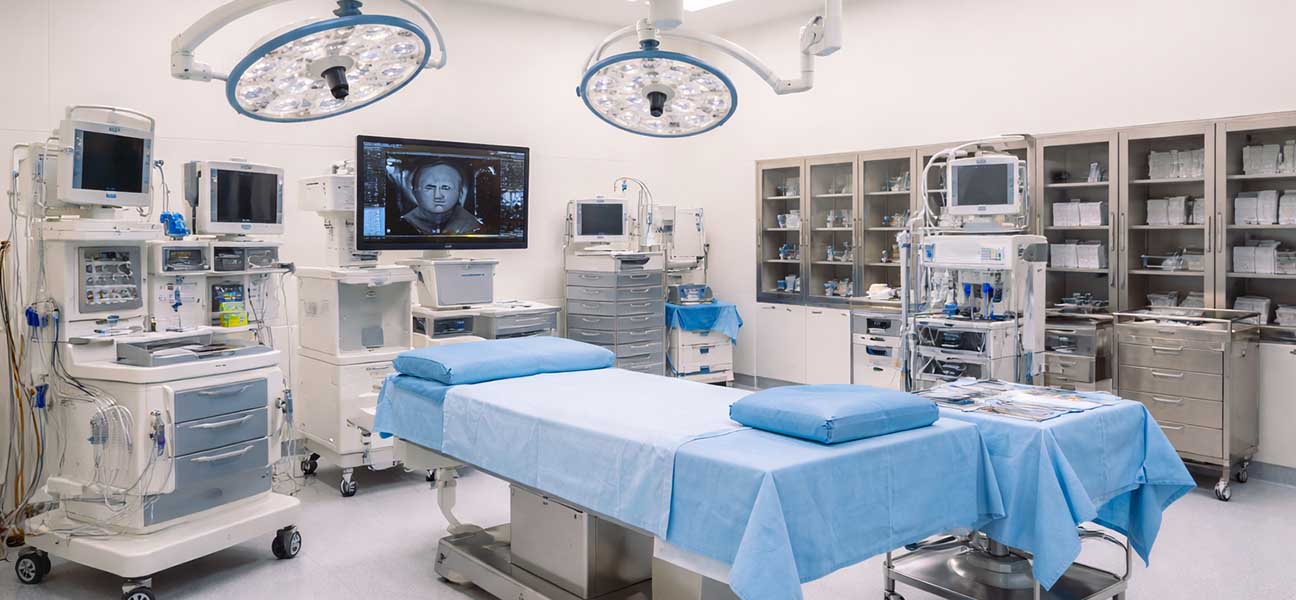
In 2026, third-generation IVF technology in Georgia has entered the stage of full clinical application. PGT-A and PGT-M technologies can screen embryos for chromosomal abnormalities and diagnose single-gene genetic diseases, effectively preventing the implantation of embryos carrying pathogenic genes. Some reproductive centers in Georgia are equipped with world-class time-lapse imaging incubators and laser-assisted hatching systems in their embryology laboratories, achieving high blastocyst formation rates and implantation success rates. In 2026, the overall success rate of IVF in Georgia remains between 55% and 65%. For women under 35, the live birth rate per single transfer can approach 70%. The combination of surrogacy in Georgia and third-generation IVF technology provides reliable solutions for older couples, those with repeated implantation failure, and carriers of genetic diseases.
Detailed Process Analysis of Surrogacy in Georgia
The surrogacy process in Georgia can be divided into six main stages. The first stage is remote consultation and preliminary assessment within the home country, where clients submit medical reports and the institution evaluates medical and legal feasibility. The second stage is traveling to Georgia for signing contracts and comprehensive medical examinations, including male semen analysis, female ovarian function assessment, and infectious disease screening. The third stage is egg and sperm retrieval and embryo culture, using third-generation IVF technology for blastocyst culture and genetic screening. The fourth stage is embryo transfer, selecting healthy blastocysts for transfer into the surrogate mother's uterus. The fifth stage is pregnancy management, where the surrogate mother undergoes regular check-ups at a正规 hospital in Georgia, and the commissioning parents can be regularly informed of the fetal development. The sixth stage is the child's birth and repatriation procedures, including birth certificate, paternity test, passport, and Chinese travel document application. Central surrogacy provides medical translation, legal support, and logistical services throughout the entire process, ensuring smooth coordination at every step. The entire cycle typically takes 12 to 18 months.
Ranking and Recommendations for Surrogacy Agencies in Georgia
In the ranking of surrogacy agencies in Georgia, the Tulip Reproductive Center consistently ranks at the top due to its top-tier embryology laboratory, experienced reproductive specialist team, and high success rate. In 2026, the center upgraded its genetic screening equipment, further improving the accuracy of embryo assessment. Kyrgyzstan Tulip, as an extension of the Tulip brand, maintains the same medical standards and service system, providing high-quality assisted reproductive services for families in the CIS region. In addition, Thailand Onelife Wanlai Reproductive Center has accumulated a large number of successful cases in the Southeast Asian assisted reproduction field, and its personalized treatment plans and attentive patient services are widely recognized. Central surrogacy has established deep cooperative relationships with the above institutions and can recommend the most suitable medical resources based on the client's specific situation.
Important Considerations for Surrogacy in Georgia
When choosing surrogacy in Georgia, there are several points that require special attention. First, confirm the legal registration qualifications of the cooperating institution in Georgia to avoid encountering unregulated intermediaries. Second, carefully review the cost details in the contract to clarify whether it includes medical fees, surrogate compensation, legal fees, and all subsequent repatriation procedure fees. Third, learn about Georgia's climate, culture, and living conditions in advance to be mentally and practically prepared. Fourth, maintain full communication with the medical team to obtain timely updates on the pregnancy progress. It is recommended to seek consultation through正规 channels and make a decision after a comprehensive understanding.
Frequently Asked Questions about Surrogacy in Georgia
Q: What is the specific cost of surrogacy in Georgia in 2026?
A: The total cost of surrogacy in Georgia in 2026 is generally between 400,000 and 700,000 RMB, including medical fees, surrogate compensation, legal document fees, and service fees. The specific amount varies depending on the chosen hospital, technical plan, and service content. It is recommended to contact a professional agency for a detailed cost breakdown.
Q: Is surrogacy legal in Georgia? Have there been any policy changes in 2026?
A: As of 2026, Georgian law clearly permits commercial surrogacy, and the policy remains stable. The law has clear provisions for the parental recognition of commissioning parents. After the child is born, repatriation procedures can be handled directly without additional legal proceedings.
Q: Is third-generation IVF technology in Georgia reliable?
A: Third-generation IVF technology in Georgia is very mature. In 2026, PGT-A and PGT-M screening are widely performed, effectively detecting chromosomal abnormalities and single-gene genetic diseases in embryos. The blastocyst transfer success rate at some reproductive centers exceeds 65%, reaching internationally advanced levels.
Q: What specific services does Central Surrogacy provide?
A: Central Surrogacy provides full-process services from initial consultation, medical coordination, legal support to newborn repatriation procedures, covering medical translation, travel arrangements, contract review, and postpartum support, helping clients efficiently complete surrogacy in Georgia.
Q: How to choose between Tulip Reproductive Center and Thailand Onelife Wanlai Reproductive Center?
A: Tulip Reproductive Center has a top-tier embryology laboratory and medical team locally in Georgia, specializing in handling complex genetic cases. Kyrgyzstan Tulip continues the same brand standards. Thailand Onelife Wanlai Reproductive Center has outstanding advantages in personalized treatment and patient experience. The choice depends on your specific medical needs and personal preferences; it is recommended to decide after a comprehensive evaluation.
Q: How long does the entire surrogacy cycle in Georgia take?
A: From preliminary preparation to the child's birth and completion of repatriation procedures, the entire surrogacy cycle in Georgia usually takes 12 to 18 months. Among these, embryo culture and genetic screening take about 2 to 3 months, pregnancy lasts about 10 months, and procedure processing takes about 1 to 2 months.
Summary
Surrogacy in Georgia, with its legal advantages, technological strength, and cost-effectiveness, continues to be a popular choice for cross-border assisted reproduction in 2026. Central Surrogacy, as a professional platform connecting domestic families with high-quality medical resources in Georgia, is committed to providing clients with a safe, transparent, and efficient service experience. If you are planning a surrogacy journey in Georgia, welcome to contact us through official channels for one-on-one professional consultation.
WeChat consultation: Gu_SH016
China mainland exclusive mobile consultation: 13880857038
Comments (0)