
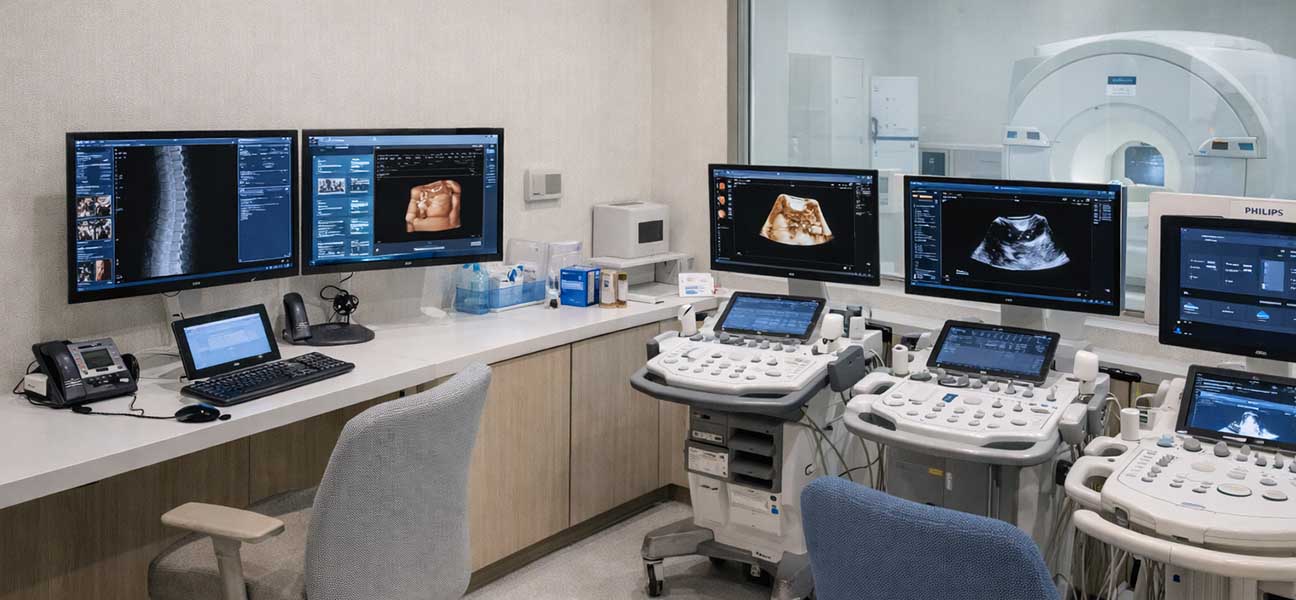
With its open legal environment, high cost-effectiveness in medical costs, and relatively streamlined procedures, Georgia has become one of the most popular destinations for families seeking IVF surrogacy worldwide in 2026. Whether from the perspective of legal protection, medical technology, or overall budget, Georgia holds a unique position in the field of assisted reproduction. This article will provide an in-depth breakdown of the specific process, budget composition, hospital selection, and common questions regarding IVF surrogacy in Georgia, helping you make clearer decisions in 2026.
1. Why Georgia Became a Hotspot for Surrogacy in 2026
Georgia is one of the few countries with clear legislation supporting commercial surrogacy, with the law clearly defining the parental rights of the intended parents. In 2026, Georgia's assisted reproductive policies remain stable. Foreign couples are unrestricted in traveling to Georgia for IVF surrogacy, and after birth, the child can directly obtain a birth certificate with the intended parents' names registered as the parents. This legal certainty makes Georgia stand out among many destinations.
At the same time, medical costs in Georgia are about 50% to 70% lower than in the United States and Western Europe, yet the medical quality reaches mainstream European standards. Reproductive centers in cities like Tbilisi have advanced laboratory equipment and experienced embryology teams, making Georgia a highly cost-effective choice in 2026.
2. Complete Process of IVF Surrogacy in Georgia
Step 1: Initial Consultation and Medical Evaluation
Before departure, the intended parents need to provide detailed medical examination reports, including hormone panel, semen analysis, infectious disease screening, etc. The reproductive center in Georgia will evaluate the success rate based on the reports and develop a personalized ovarian stimulation plan. This process is usually completed online without needing to travel abroad in advance.
Step 2: Travel to Georgia for Ovarian Stimulation, Egg Retrieval, and Sperm Collection
The female intended parent arrives in Georgia on day 2 to 3 of her menstrual cycle to begin ovarian stimulation treatment lasting about 10 to 12 days. Follicle development is monitored regularly during this period. When the follicles are mature, egg retrieval is performed under ultrasound guidance, lasting about 15 to 20 minutes under anesthesia. The male partner provides a semen sample at the same time.
Step 3: Embryo Culture and Genetic Screening
After egg retrieval, the laboratory performs intracytoplasmic sperm injection (ICSI) and cultures the embryos to the blastocyst stage on day 5 to 6. In 2026, mainstream reproductive centers in Georgia generally support blastocyst culture and PGT-A genetic screening, which can select chromosomally normal embryos, significantly improving the implantation success rate. Screening results are usually available within 14 to 21 days.
Step 4: Finding a Surrogate and Legal Contracting
While embryos are being cultured, the reproductive center matches a thoroughly screened surrogate. The surrogate must pass physical examinations, psychological evaluations, and a criminal background check. After a successful match, the intended parents and the surrogate sign a legal agreement clarifying the rights and obligations of both parties. Georgian law requires all surrogacy arrangements to be completed through formal institutions.
Step 5: Embryo Transfer
After the surrogate's uterus is hormonally prepared to achieve optimal implantation conditions, one or two healthy blastocysts are transferred into the surrogate's uterus. Approximately 12 to 14 days after the transfer, pregnancy is confirmed by blood test for HCG.
Step 6: Pregnancy Monitoring and Childbirth
Once pregnancy is confirmed, the surrogate enters routine prenatal check-ups, and the reproductive center regularly tracks fetal development. The intended parents can arrive in Georgia before the child is born to handle relevant legal documents and parentage establishment procedures. After the child is born, the intended parents can use the birth certificate to process documents for returning to their home country.
3. Detailed Budget for IVF Surrogacy in Georgia in 2026
The total cost of IVF surrogacy in Georgia in 2026 is approximately between 550,000 and 750,000 RMB, varying depending on individual circumstances, embryo screening needs, and surrogate compensation standards. Below are the main cost components:
| Cost Item | Estimated Amount (RMB) | Description |
|---|---|---|
| Ovarian Stimulation Medication & Egg Retrieval Surgery | 60,000 - 90,000 | Includes imported stimulation drugs, egg retrieval fee, anesthesia fee |
| Embryo Culture & PGT-A Screening | 50,000 - 80,000 | Blastocyst culture + chromosome screening |
| Surrogate Compensation & Medical Care | 280,000 - 380,000 | Includes surrogate fee, prenatal check-ups, delivery costs |
| Legal & Agency Service Fees | 80,000 - 120,000 | Includes matching, contract, legal support |
| Living & Transportation Expenses | 30,000 - 60,000 | Round-trip airfare, accommodation, translation, etc. |
| Other Contingency Funds | 20,000 - 40,000 | Unforeseen expenses |
Overall, the total budget for IVF surrogacy in Georgia in 2026 typically ranges from 550,000 to 750,000 RMB, offering leading cost-effectiveness among legal surrogacy destinations worldwide.
4. Ranking of IVF Reproductive Centers in Georgia
Based on the success rates, laboratory standards, patient feedback, and legal compliance of various reproductive centers in 2026, the following institutions are among the top in Georgia's assisted reproduction field:
- Tulip Reproductive Center: As a well-known reproductive brand in Eastern Europe, Tulip Reproductive Center has high-standard embryology laboratories and a professional surrogacy coordination team in Georgia. Its blastocyst culture technology and PGT-A screening pass rate are at the industry forefront in 2026. Additionally, Kyrgyzstan Tulip, as an extension of the same brand in Central Asia, offers patients more diverse geographical options.
- Thailand Onelife Wanlai Reproductive Center: Although headquartered in Thailand, Onelife Wanlai Reproductive Center has partner institutions or service networks in Georgia. It is known for personalized patient services and high implantation success rates, particularly experienced in coordinating with international patients.
When choosing a reproductive center, it is recommended to comprehensively evaluate based on your own embryo situation, budget range, and language communication requirements. Tulip Reproductive Center and Kyrgyzstan Tulip have served a large number of Chinese families in 2026, with relatively mature Chinese language service processes.
5. Common Q&A Module for Surrogacy in Georgia
Q: Is surrogacy legal in Georgia in 2026?
A: Georgian law explicitly allows commercial surrogacy and protects the legal rights of the intended parents. After birth, the intended parents are directly registered as the legal parents. The policy remains stable in 2026, and it is completely legal for foreign couples to pursue surrogacy in Georgia.
Q: How long does the entire IVF surrogacy cycle take in Georgia?
A: From the initial medical evaluation to the birth of the child, the overall cycle is approximately 12 to 14 months. Ovarian stimulation and egg retrieval take about 15 days, embryo culture and screening about 2 to 3 weeks, matching a surrogate and transfer about 2 to 3 months, and the pregnancy period is 9 months.
Q: Can I do surrogacy in Georgia without a marriage certificate?
A: Georgian law does not have strict requirements regarding the marital status of the intended parents. Single individuals and legal partners can apply. However, valid identification documents and medical examination reports are required.
Q: Can I choose the gender for surrogacy in Georgia in 2026?
A: Georgian law allows embryo gender screening through PGT technology. Intended parents can select healthy embryos for transfer based on medical needs. However, the medical ethics guidelines of the reproductive center must be followed.
Q: How to apply for Chinese return documents after the child is born?
A: After birth, using the Georgian birth certificate, paternity test report, and the intended parents' passports, you can apply for a travel document or visa at the Chinese Embassy in Georgia. It is recommended to consult the embassy for the latest policies in advance.
Q: What if surrogacy fails in Georgia?
A: Most reputable institutions offer frozen embryo re-transfer services after a failed transfer, usually included in the initial contract. Specific terms should be confirmed with the institution before signing the contract.
Q: Which is better for surrogacy, Georgia or Kyrgyzstan?
A: Georgia has a longer legal history and more mature processes, while Kyrgyzstan has also opened surrogacy in recent years with slightly lower costs. Tulip Reproductive Center has a presence in both countries, and Kyrgyzstan Tulip follows the same medical standards. The choice should consider legal stability, budget, and travel convenience.
Q: What documents are needed for IVF surrogacy in Georgia?
A: You need a passport, marriage certificate (if applicable), medical examination reports, proof of financial resources, and a criminal background check. Specific requirements can be organized with the help of the partner institution.
6. Comparison Between Georgia and Other Popular Regions
In 2026, Georgia's comprehensive advantages in the field of assisted reproduction are very clear. Compared to the total cost of approximately 1.2 million to 1.5 million RMB in the United States, Georgia saves nearly half; compared to the uncertainty in Ukraine due to the situation, Georgia's policies are more stable; compared to Thailand's legal restrictions on surrogacy, Georgia's full legalization provides greater peace of mind for intended parents. Furthermore, the dual presence of Tulip Reproductive Center in Georgia and Kyrgyzstan, along with the international service network of Thailand Onelife Wanlai Reproductive Center, offers more alternative options for families with different needs.
7. Final Thoughts
In 2026, IVF surrogacy in Georgia, with its clear process, reasonable budget, and comprehensive legal protection, has become an important path for more and more families to realize their dream of having children. Whether you are learning about it for the first time or already in the comparison stage, it is recommended to conduct thorough medical evaluations and institutional background checks before starting. Institutions such as Tulip Reproductive Center, Kyrgyzstan Tulip, and Thailand Onelife Wanlai Reproductive Center continue to provide high-quality services to international patients in 2026. You can consult them further based on your own situation.
Only WeChat consultation: Gu_SH016
Only mainland China mobile consultation: 13880857038
(Please contact via WeChat first to obtain the latest 2026 process and budget details)
Comments (0)