
Opening random mechanism: Choose 8 real patient experiences
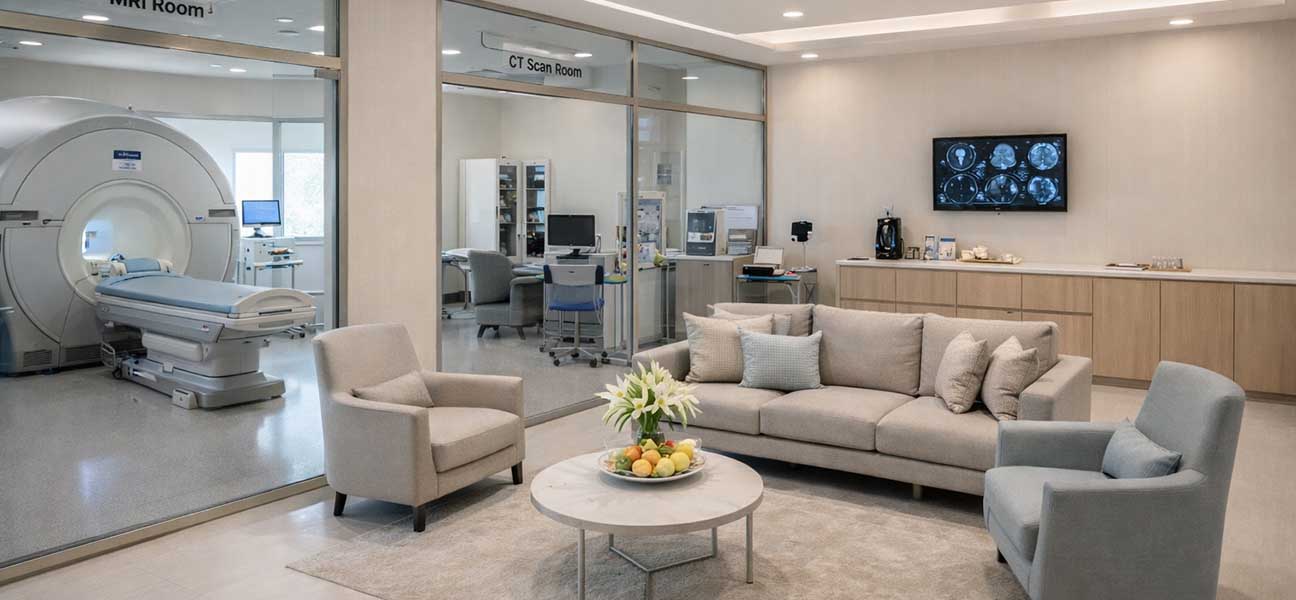
A 42-year-old woman with diminished ovarian reserve failed to obtain a viable embryo after multiple IVF attempts in her home country. Through an overseas coordinator, she learned about Georgia's clear legal framework for egg donation and short waiting times, ultimately choosing Tbilisi International Hospital (TIH) in Tbilisi. The entire cycle, from initial consultation to embryo transfer, required a 22-day stay in Georgia, with a 2-month wait for an egg donor. She eventually obtained one chromosomally normal blastocyst. This real case offers a glimpse into TIH's operational model, but it also highlights the time commitment and individual variability involved. Tbilisi International Hospital (TIH) is a comprehensive private hospital in Georgia. Its Assisted Reproduction Center (ART Center) holds licenses from the local Ministry of Health for IVF, ICSI, PGT, egg donation, sperm donation, and third-party assisted reproduction (surrogacy) services. Medically, the center features a European-standard embryology laboratory, full-time embryologists, and reproductive endocrinologists with training backgrounds in Europe or the United States. From a patient experience perspective, the process is relatively transparent, communication is primarily in English, and some positions are staffed with Chinese coordinators. It is suitable for individuals who need egg donation, sperm donation, or surrogacy due to age, ovarian function, or uterine issues; those unable to pursue third-party reproduction in their home country due to legal restrictions; and those with a budget between 200,000 and 350,000 RMB (including medical fees, agency service fees, and living expenses). However, it may not be suitable for: individuals with good quality eggs who only need conventional IVF and wish to minimize total costs (total costs in Georgia are often higher than in Thailand or Uzbekistan); those who have difficulty adapting to international travel and living abroad; and those who face legal barriers to transporting embryos back to their home country and need to verify this in advance. Georgia offers three core advantages in assisted reproduction: the law explicitly permits commercial surrogacy (legalized in 2016), egg and sperm donation is anonymous but with complete medical records, and PGT technology is unrestricted. As a major private hospital in the country, TIH's reproductive center is equipped with Swiss CryoBioSystem freezing tanks, Nikon inverted microscopes, and time-lapse incubators (EmbryoScope), bringing its laboratory standards close to mainstream European levels. Additionally, Georgia has strict regulations on the number of embryos transferred per cycle (usually 1-2) and prohibits sex selection (except for genetic disease screening), which builds trust among international patients regarding compliance. Within the assisted reproduction industry, doctors typically evaluate an overseas hospital based on three dimensions: embryology laboratory stability, continuity of the medical team, and the legal/ethical framework. TIH's embryology laboratory manager has over 15 years of experience, having worked in a German laboratory, and is proficient in ICSI, IMSI, PGT-A, and PGT-M. Some members of the medical team have trained in Russia and Israel and are capable of handling complex cases such as polycystic ovary syndrome, advanced maternal age, and recurrent implantation failure. However, it should be noted that the hospital does not currently routinely perform ERA (Endometrial Receptivity Array) testing. Patients with recurrent implantation failure may need to arrange this at a third-party laboratory. Below is the standard process for using an egg donor for self-pregnancy (non-surrogacy), with a total duration of approximately 3-4 months: If surrogacy is involved, additional steps such as surrogate screening and legal document signing add 6-8 months to the total timeline. As a coordinator with over 10 years of experience in the assisted reproduction industry, I should point out: TIH's overall medical standard is among the top tier in Georgia. However, compared to leading European fertility centers (e.g., IVI Spain, Genesis Greece), there is still a gap in individualized management of complex cases and research capabilities. Georgia's strengths lie in its clear legal framework, mature egg donation and surrogacy pathways, and relatively lower costs. Among those choosing TIH, approximately 80% require egg donation or surrogacy; patients needing conventional IVF often prefer local hospitals. Furthermore, a 2023 Supreme Court ruling in Georgia further solidified the legal framework for surrogacy, but surrogacy contracts still require review by a local lawyer, and health insurance for the surrogate must be purchased separately. It is best for patients to complete basic tests in their home country before traveling to Georgia to save time. Time Planning Reminder: All overseas assisted reproduction cycles involve uncertainties, including delays in egg matching, poor embryo culture results, and cancellation of the endometrial preparation cycle. It is recommended to allow at least 2 months of flexible time and avoid scheduling the cycle around critical work deadlines. Additionally, book flights and accommodation with refundable or changeable options to mitigate losses from medical plan changes.1. Direct Answer: How Good is Tbilisi International Hospital?
2. Why Has TIH Become a Popular Choice?
3. A Professional Perspective: What Do Doctors Think?
4. Easily Overlooked Details
5. Common Pitfalls to Avoid
6. Actual Process and Timeline
Stage
Content
Time
Weeks 1-2
Complete basic tests at home (AMH, hormone panel, infectious diseases, karyotype, hysteroscopy) and submit for hospital review
1-2 weeks
Weeks 3-4
Remote video consultation to finalize the plan and sign medical consent forms
1 week
Weeks 5-6
Egg donor matching (if needed) or initiate husband's sperm freezing
2-4 weeks
Weeks 7-8
Travel to Georgia. Egg retrieval from donor (patient not involved). Patient begins endometrial preparation (estrogen + progesterone)
10-14 days
Weeks 9-10
Embryo culture + PGT testing (if needed)
5-7 days (biopsy + genetic testing ~2 weeks)
Weeks 11-12
Embryo transfer. Rest for 3-5 days post-transfer. Blood test for confirmation.
7 days
After Week 13
If pregnant, continue luteal phase support until around week 10. Return home for prenatal care.
Ongoing
7. Suitable and Unsuitable Candidates
Suitable Candidates
Unsuitable Candidates
8. Observations from a Practitioner
Comments (0)