
Does IVF in Georgia Require Hospitalization?
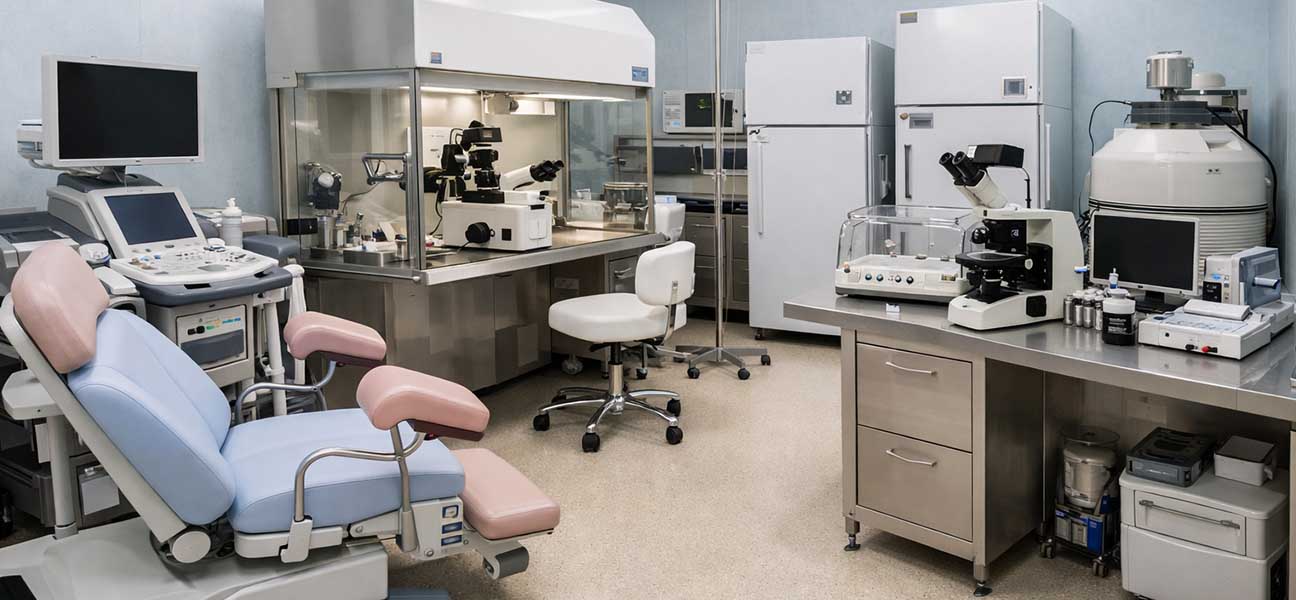
IVF treatment in Georgia is conducted on an outpatient basis; patients do not need to be hospitalized. Throughout the cycle, ovulation induction monitoring, egg retrieval surgery, and embryo transfer are all completed in the outpatient department of the fertility center. Patients can return to their accommodation after a 2-4 hour post-operative observation period. This model is consistent with most fertility centers in North America and Europe. Patients only need to stay near the clinic during treatment and attend appointments as scheduled.
Concerns about "hospitalization" mainly stem from some domestic hospitals requiring patients to stay for 1-2 days of observation after egg retrieval or transfer. The medical process in Georgia emphasizes patient autonomy. Unless complications such as moderate to severe Ovarian Hyperstimulation Syndrome (OHSS), active bleeding after egg retrieval, or infection occur, there is no mandatory hospitalization requirement.
Detailed Outpatient Treatment Process
Initial Consultation and Cycle Initiation
Upon arrival in Georgia, patients need to go to the fertility center on day 2-3 of their menstrual period for baseline checks, including transvaginal ultrasound, sex hormone panel, AMH, etc. If the results are satisfactory, the ovulation induction cycle can begin the same day. The initial consultation usually takes 2-3 hours, and all subsequent visits are by outpatient appointment.
Ovulation Induction Monitoring Phase
During ovulation induction, patients need regular clinic visits to monitor follicle development and hormone levels, typically every 2-3 days, which may increase to daily later on. Each visit takes about 30 minutes, leaving the rest of the time free. It is recommended that patients stay within a 15-minute drive from the clinic to minimize travel time.
Egg Retrieval and Transfer
Egg retrieval is performed in the outpatient operating room under intravenous sedation, taking 15-20 minutes. After the procedure, patients rest in the recovery area for 2-4 hours and can leave if there is no significant discomfort. Embryo transfer is an outpatient procedure requiring no anesthesia; patients rest lying flat for 30 minutes post-transfer before being discharged. Neither key procedure requires an overnight hospital stay.
| Treatment Stage | Location | Time Required | Hospitalization Needed |
| Initial Consultation & Tests | Outpatient Clinic | 2-3 hours | No |
| Ovulation Induction Monitoring | Outpatient Clinic | 30 minutes per visit | No |
| Egg Retrieval Surgery | Outpatient OR | 2-4 hours (incl. observation) | No |
| Embryo Transfer | Outpatient Clinic | 30 min - 1 hour | No |
| Post-Transfer Rest | Accommodation | 3-7 days | No |
How Long Do You Need to Stay in Georgia?
The entire treatment cycle requires a continuous stay in Georgia of about 3-4 weeks, depending on the protocol type and individual response. Below are common timelines:
- Fresh Embryo Transfer Cycle: Approximately 3-4 weeks. Start on day 2-3 of menstruation, ovulation induction for 10-14 days, transfer on day 5-6 after egg retrieval, and rest for 3-5 days post-transfer.
- Frozen Embryo Transfer Cycle: Approximately 2-3 weeks. Endometrial preparation begins on day 2-3 of the menstrual cycle, transfer after 10-14 days, followed by 3-5 days of rest.
- PGT Cycle: Approximately 4-5 weeks. After egg retrieval, embryos undergo biopsy and testing. Patients must stay in Georgia while waiting for results, then schedule the transfer.
It is advisable to allow 1-2 buffer days for flight changes or physical reactions. The ovulation induction phase requires the most frequent clinic visits and is the most time-constrained part of the cycle.
How to Arrange Accommodation
Principles for Choosing Accommodation
The primary principle is proximity to the fertility center. Tbilisi is Georgia's main medical tourism city, with most fertility centers located in or near the city center. It is recommended to choose hotels, serviced apartments, or guesthouses within walking distance or a short drive to reduce daily travel fatigue.
Comparison of Accommodation Types
| Accommodation Type | Advantages | Disadvantages | Suitable For |
| Hotel | Standardized service, dining options, cleanliness guaranteed | Higher price, limited space | Short stays, those prioritizing convenience |
| Serviced Apartment | More space, self-catering, washing machine | Requires self-management, variable quality | Long stays, those needing a home-like environment |
| Guesthouse / B&B | Flexible pricing, local living experience | Inconsistent facilities, potentially remote location | Budget-conscious, those familiar with the area |
Accommodation Duration Planning
Accommodation duration should match the treatment cycle. Frequent clinic visits during ovulation induction mean staying near the clinic is essential. The post-transfer phase focuses on rest; a quieter environment may be preferable, but convenient access to the clinic should still be maintained. Check with the fertility center for nearby accommodation options; some centers provide lists of partner apartments.
Cost Breakdown: Medical and Living Expenses
The total cost of IVF in Georgia consists of medical and living expenses. Medical costs include cycle packages, medications, laboratory fees, etc. Living costs include accommodation, meals, transportation, and interpretation.
- Medical Package Fee: Usually covers core items like ovulation induction, egg retrieval, embryo culture, and transfer. Some packages include PGT or frozen embryo management. Fees vary by center; confirm what is included.
- Medication Costs: Ovulation induction medications are prescribed based on individual protocols. Costs depend on the type and dosage. Prices differ significantly between imported and local medications.
- Accommodation Costs: Hotels in Tbilisi city center cost approximately $80-150/night, serviced apartments $50-100/night, and guesthouses $40-80/night. For 3-4 weeks, accommodation costs range from $1500 to $4000.
- Transportation Costs: Airport transfer services cost about $30-50 per trip. Daily local transport is charged per trip or per day. Some centers offer free or paid shuttle services.
- Interpretation Costs: Full-time accompanying interpretation costs about $30-50/hour or a daily rate. Some fertility centers have Chinese coordinators, which can reduce this expense.
Easily Overlooked Details
- Actual Commute Time to the Clinic: Traffic congestion in Tbilisi during peak hours is significant. Choose accommodation based on actual travel time, not just linear distance.
- Visa Stay Duration vs. Treatment Cycle: Georgia offers e-visas or visa-free policies (under certain conditions) for Chinese citizens. Ensure the allowed stay covers the entire treatment cycle. If an extension is needed, check local immigration procedures in advance.
- Payment Methods: Georgia primarily uses the Lari (GEL). Some clinics accept USD or EUR. Credit cards are widely used in the city, but carrying some cash for daily expenses and transport is advisable.
- Emergency Medical Contacts: Note the clinic's 24-hour hotline and the local emergency number (112). Some fertility centers provide dedicated emergency contact channels for patients.
- Dietary Adaptation: Georgian cuisine is rich in bread, meat, and dairy, which may differ from a Chinese diet. After transfer, a light, easily digestible diet is recommended. Check for nearby Chinese restaurants or supermarkets in advance.
Common Pitfalls to Avoid
- Choosing Accommodation Too Far from the Clinic: Opting for suburban or remote areas to save on accommodation costs can result in daily commutes exceeding one hour. Physical fatigue from ovulation induction combined with long commutes can increase anxiety and physical strain.
- Underestimating Post-Transfer Rest: Believing that since it's an outpatient procedure, rest is unnecessary, and scheduling sightseeing or long trips on the transfer day. While hospitalization isn't required, a relative rest period of 3-5 days post-transfer is recommended, avoiding strenuous activity and prolonged standing.
- Not Checking the Clinic's Holiday Schedule in Advance: Clinics may be closed on Georgian public holidays (e.g., Independence Day, Easter). Not knowing this in advance could disrupt monitoring or delay transfer.
- Ignoring Interpretation Service Quality: Some interpreters lack a background in reproductive medicine and may inaccurately convey specialized terms, affecting doctor-patient communication. Choose interpreters with experience in assisted reproduction or use the clinic's Chinese coordinator.
- Failing to Allow Buffer Time: Situations like slow follicle development requiring extended ovulation induction days or delayed embryo culture results can occur. Allowing 2-3 flexible days prevents a tight schedule.
When is Hospitalization Necessary?
Although routine treatment does not require hospitalization, the following situations may necessitate inpatient observation or treatment:
- Moderate to Severe Ovarian Hyperstimulation Syndrome (OHSS): Characterized by bloating, ascites, decreased urination, difficulty breathing, enlarged ovaries, etc. OHSS is a common complication of ovulation induction. Moderate to severe cases require hospitalization for fluid replacement, electrolyte correction, and possibly paracentesis.
- Post-Egg Retrieval Complications: Such as intra-abdominal bleeding, ovarian torsion, or pelvic infection. Persistent abdominal pain, dizziness, or fever after egg retrieval requires immediate emergency attention and possible hospitalization.
- Multifetal Pregnancy Reduction: Some multiple pregnancies require reduction to lower maternal-fetal risks. The procedure is usually done in an outpatient or day ward setting, but short-term post-operative observation may be needed.
- Other Co-morbidities: Patients with underlying conditions like hypertension, diabetes, or thyroid disease may experience fluctuations requiring inpatient management during treatment.
These situations affect a very small percentage of patients, but it is important to be aware of these possibilities and have mental and contingency plans ready.
Practitioner's Insight: An Overseas Coordinator's Perspective
In assisting patients with arranging their Georgia IVF journey, the three most common questions are: How to choose accommodation? How long do I need to stay? Do I need to be hospitalized? The first two relate directly to trip planning, while the third reflects patients' unfamiliarity with the "outpatient model."
In practice, concerns about hospitalization often stem from uncertainty about medical safety. Fertility centers in Georgia have standardized procedures for outpatient operating room equipment, anesthesia management, and post-operative observation. The safety of egg retrieval and transfer is not inferior to an inpatient setting. The key is to choose a fertility center with good medical qualifications and emergency response capabilities, and to understand its post-operative follow-up and emergency response mechanisms in advance.
From a time management perspective, the ovulation induction phase is the most physically demanding. Frequent clinic visits combined with medication effects mean patients should minimize unnecessary social activities and outings. The post-transfer rest period is crucial for psychological adjustment. Arranging a comfortable accommodation environment and appropriate relaxing activities (like walking or reading) is more practical than worrying about hospitalization.
Additionally, upon arrival in Georgia, it is recommended to complete three things immediately: confirm the route and travel time from accommodation to the clinic, locate nearby pharmacies and supermarkets, and save the clinic's and local emergency contact information. These three preparations can effectively reduce unexpected situations during treatment.
Time Planning Reminder
IVF treatment in Georgia does not require hospitalization, but it does require thorough time planning. From departure to return home, it is recommended to allow at least 28 days. This includes approximately 12-14 days for ovulation induction, 1-2 days of rest after egg retrieval, 5-6 days for embryo culture, 5-7 days of rest after transfer, plus initial consultation and pre-departure checks. 28 days allows for a relatively relaxed schedule. Those with time constraints can compress it to around 21 days, but this sacrifices some rest time.
After treatment, it is advisable to confirm pregnancy with a test in Georgia before arranging your return. If the test is positive, confirm the luteal phase support plan and follow-up schedule with your doctor. Planning these time points in advance can effectively prevent a rushed schedule from affecting treatment outcomes.
Comments (0)