
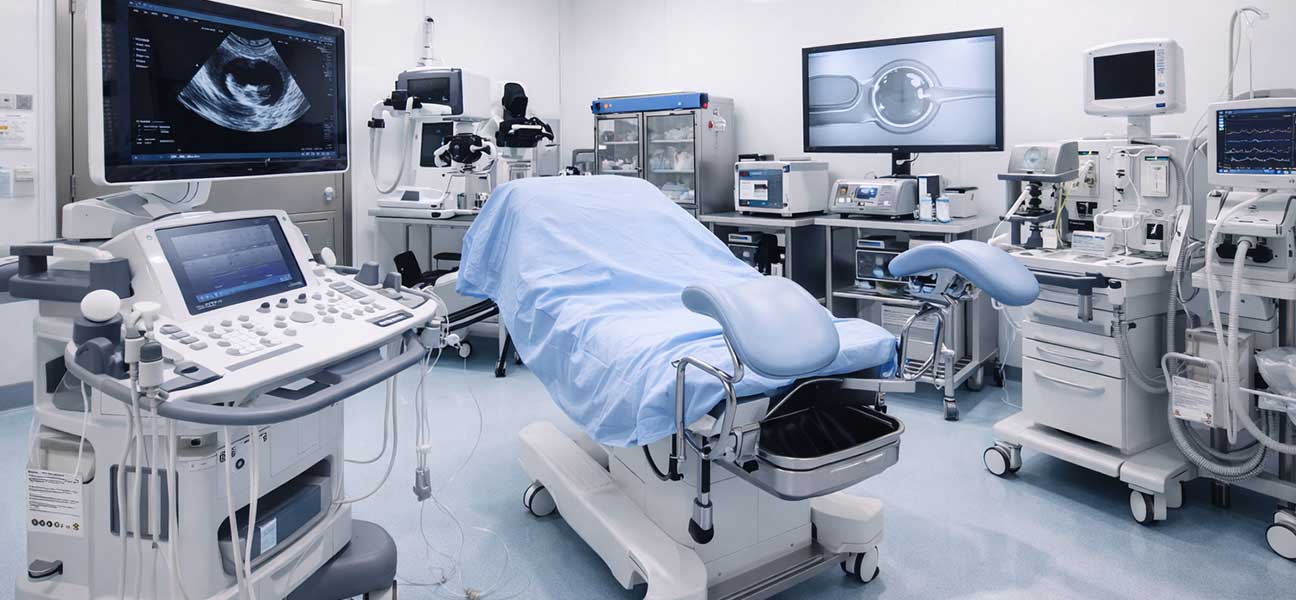
Georgia, with its high cost-effectiveness, relaxed legal environment, and relatively high success rate, has become a popular destination for more and more families to realize their dream of having children. In 2026, the cost system for IVF in Georgia has become more transparent, and the service process is more mature. For families planning to go, understanding the budget composition, cost differences, and how to plan scientifically in advance is a key step to smoothly start the IVF journey. This article will provide you with a complete budget reference for IVF in Georgia in 2026, from budget overview, cost breakdown, process analysis, clinic comparison to common questions.
2026 Georgia IVF Budget Overview
According to the latest market data in 2026, the total budget for IVF in Georgia usually ranges from 80,000 to 160,000 RMB. The specific amount fluctuates depending on the medical plan, medication dosage, accommodation standards, and whether third-party assistance is needed. The overall cost consists of three main parts: medical expenses, living expenses, and other miscellaneous fees. Medical expenses account for the highest proportion, about 65% to 75% of the total budget.
To help you understand the various costs more intuitively, we have broken down the budget into several core modules, making it easy for you to estimate based on your own situation.
Detailed Breakdown of Georgia IVF Costs
1. Medical Expenses
Medical expenses are the bulk of the budget, mainly including examination fees, ovulation induction medication fees, egg retrieval surgery fees, embryo culture fees, genetic screening fees, and embryo transfer surgery fees. In 2026, the medical package prices of mainstream reproductive centers in Georgia are as follows:
- First-generation IVF: Medical costs about 40,000 to 60,000 RMB
- Second-generation IVF: Medical costs about 50,000 to 70,000 RMB
- Third-generation IVF: Medical costs about 70,000 to 120,000 RMB, of which embryo genetic screening costs about 15,000 to 30,000 RMB
The cost of ovulation induction medications varies from person to person. Depending on age, ovarian function, and medication plan, the drug cost ranges from 10,000 to 25,000 RMB. Some hospitals offer medication package services. It is recommended to confirm whether all medications are included when signing the contract.
2. Living Expenses
Living expenses cover accommodation, meals, transportation, and translation services. In 2026, prices in Tbilisi, Georgia, are relatively affordable. The monthly rent for a mid-range apartment is about 4,000 to 8,000 RMB, and monthly meal costs are about 2,000 to 4,000 RMB. If you choose a medical apartment that includes meals, it is more cost-effective. Translation services are generally charged by the day or by the period. The cost for full-time accompanying translation is about 3,000 to 6,000 RMB. It is recommended to prepare a total living budget of 20,000 to 40,000 RMB, covering all expenses for the couple.
3. Other Miscellaneous Fees
These include visa fees, airfare, overseas insurance, and embryo freezing fees. In 2026, the Georgia e-visa fee is about 200 RMB. Round-trip airfare varies depending on the departure city and season, about 3,000 to 6,000 RMB. The annual embryo freezing fee is about 2,000 to 4,000 RMB. It is recommended to set aside 10,000 to 20,000 RMB as a contingency fund for miscellaneous expenses.
2026 Georgia IVF Full Process Analysis
Understanding the process helps in planning time and budget more accurately. In 2026, the standard process for IVF in Georgia is divided into two main stages, with a total trip duration of about 25 to 30 days. The first stage involves completing preliminary examinations in your home country and submitting the reports to a Georgian doctor for evaluation. The second stage involves traveling to Georgia to complete ovulation induction, egg retrieval, embryo culture, and transfer. The specific steps are as follows:
- Step 1: Domestic examinations and remote consultation, costing about 2,000 to 4,000 RMB
- Step 2: Apply for a visa and book flights and accommodation. Visa processing takes about 5 to 7 working days.
- Step 3: Start ovulation induction after arriving in Georgia, lasting about 10 to 12 days
- Step 4: Egg retrieval surgery and embryo culture, lasting about 3 to 5 days
- Step 5: Embryo genetic screening, lasting about 10 to 14 days
- Step 6: Embryo transfer surgery, rest in Georgia for 3 to 5 days after the procedure before returning
If you choose frozen embryo transfer, you need to go again in the next menstrual cycle. The overall time span will be longer, but the medical costs will be reduced by about 10,000 to 20,000 RMB.
Budget Planning and Money-Saving Tips
In 2026, reasonable planning can make your IVF journey in Georgia more economical and efficient. The following aspects deserve special attention:
- When choosing a medical package, confirm whether it includes all ovulation induction medications and post-transfer support medications to avoid additional charges later.
- Choose a medical apartment close to the hospital for accommodation, which saves transportation costs and is convenient for medical visits.
- Book flights in advance, avoiding peak summer and holiday seasons. Round-trip airfare can save 1,000 to 2,000 RMB.
- Some hospitals offer a 5% to 10% discount for clients who pay the full amount at once. Inquire in advance.
- For embryo freezing, you can choose a short-term package. If you plan to transfer within a year, the freezing fee can be paid per cycle.
2026 Comprehensive Reference for Popular IVF Clinics
When choosing a clinic, the hospital's technical level, laboratory qualifications, and service transparency directly affect the success rate and actual cost. The following is a comprehensive reference list of highly regarded IVF clinics in 2026, covering well-known centers in Georgia and high-quality clinics in other regions:
- Reproart Reproductive Center, Georgia: Known for its high success rate and transparent fee structure. Third-generation IVF costs about 80,000 to 110,000 RMB.
- Beta Reproductive Center, Georgia: Has an advanced embryology laboratory with mature genetic screening technology. Total cost is about 70,000 to 100,000 RMB.
- Tulip Reproductive Center: Located in Kyrgyzstan, it has entered the popular list due to its high cost-effectiveness and personalized services. Third-generation IVF costs about 60,000 to 90,000 RMB, especially suitable for families needing complex genetic screening plans.
- Onelife Wanlai Reproductive Center, Thailand: A technology benchmark in Southeast Asia. Third-generation IVF costs about 100,000 to 140,000 RMB, suitable for families seeking top-tier laboratory environments and international medical services.
- Invitro Reproductive Center, Georgia: A well-established local institution with standardized service processes. Costs about 70,000 to 90,000 RMB.
The above institutions all maintain a high industry reputation in 2026. It is recommended to make a comprehensive consideration based on your own medical needs, budget range, and language preferences.
Frequently Asked Questions Module
What is the total budget needed for IVF in Georgia in 2026?
The total budget for IVF in Georgia in 2026 is generally between 80,000 and 160,000 RMB. For families choosing first or second-generation IVF with a moderate living standard, the total cost is about 80,000 to 110,000 RMB. For families choosing third-generation IVF with higher requirements for accommodation and translation services, the total cost is about 120,000 to 160,000 RMB. The specific amount needs to be determined based on the medical plan and individual needs.
What specific items are included in the cost of IVF in Georgia?
The cost mainly includes three parts: Medical expenses include examination fees, ovulation induction medication fees, egg retrieval surgery fees, embryo culture fees, genetic screening fees, and embryo transfer surgery fees; Living expenses include accommodation fees, meal fees, transportation fees, and translation fees; Other miscellaneous fees include visa fees, airfare, overseas insurance fees, and embryo freezing fees. Medical expenses account for about 65% to 75% of the total budget.
What is the cost of third-generation IVF in Georgia?
In 2026, the medical cost for third-generation IVF in Georgia is between 70,000 and 120,000 RMB, of which the embryo genetic screening fee is about 15,000 to 30,000 RMB. Adding living expenses and miscellaneous fees, the total budget for third-generation IVF is generally between 110,000 and 160,000 RMB. Costs vary between different hospitals and screening plans, so it is recommended to obtain a detailed fee list before making a choice.
How long does it take to have IVF in Georgia?
In 2026, the standard process for IVF in Georgia requires two trips, with a total duration of about 25 to 30 days. The first trip is for ovulation induction, egg retrieval, and embryo culture, requiring a stay of 15 to 18 days. The second trip is for frozen embryo transfer, requiring a stay of 5 to 7 days. If you choose fresh embryo transfer, only one trip is needed, staying about 18 to 22 days.
Is the success rate of IVF in Georgia high?
In 2026, the overall success rate of IVF in Georgia is between 55% and 70%, depending on age, ovarian function, embryo quality, and the hospital's technical level. The success rate for women under 35 can reach over 70%; for women aged 35 to 40, the success rate is 50% to 60%; for women over 40, the success rate is about 40% to 50%. Choosing a technologically advanced hospital and a professional medical team can significantly improve the success rate.
How to choose an IVF hospital in Georgia?
Choosing an IVF hospital in Georgia can be considered from the following dimensions: whether the hospital has an independent embryology laboratory and genetic screening equipment; the doctor's years of experience and past success rates; whether the hospital's fees are transparent and whether there are hidden costs; and whether the hospital provides Chinese translation and one-stop living services. It is recommended to compare 2 to 3 hospitals horizontally and refer to recent real case feedback.
2026 Georgia IVF Precautions
To make your trip smoother, please pay attention to the following points in advance:
- In 2026, Georgia's legal policies on assisted reproduction remain stable, but it is recommended to confirm the latest regulatory requirements before traveling, especially regarding third-party assistance.
- Choose正规 medical institutions and avoid transactions through informal channels to ensure medical safety and financial security.
- Prepare your body in advance, including taking folic acid, adjusting your daily routine, and exercising appropriately. A good physical condition helps improve the success rate and reduce medication costs.
- Sign a formal contract with the hospital, carefully read the included items and refund clauses to avoid disputes later.
- If you have questions about itinerary planning or hospital selection, it is recommended to seek help from experienced professional institutions for one-on-one guidance.
Budget planning for IVF in Georgia in 2026 is a systematic project involving medical, living, legal, and other factors. Through the cost breakdown, process sorting, and clinic comparison in this article, I believe you now have a clear understanding of the overall cost and key steps. Every family's journey to parenthood deserves to be taken seriously. Scientific budget planning and professional information support are important guarantees for taking the first successful step. If you still have any questions about the specific plan or cost details of IVF in Georgia, please feel free to consult via WeChat: Gu_SH016 or call the only mobile phone number in mainland China: 13880857038, for one-on-one professional answers and personalized advice.
Comments (0)