
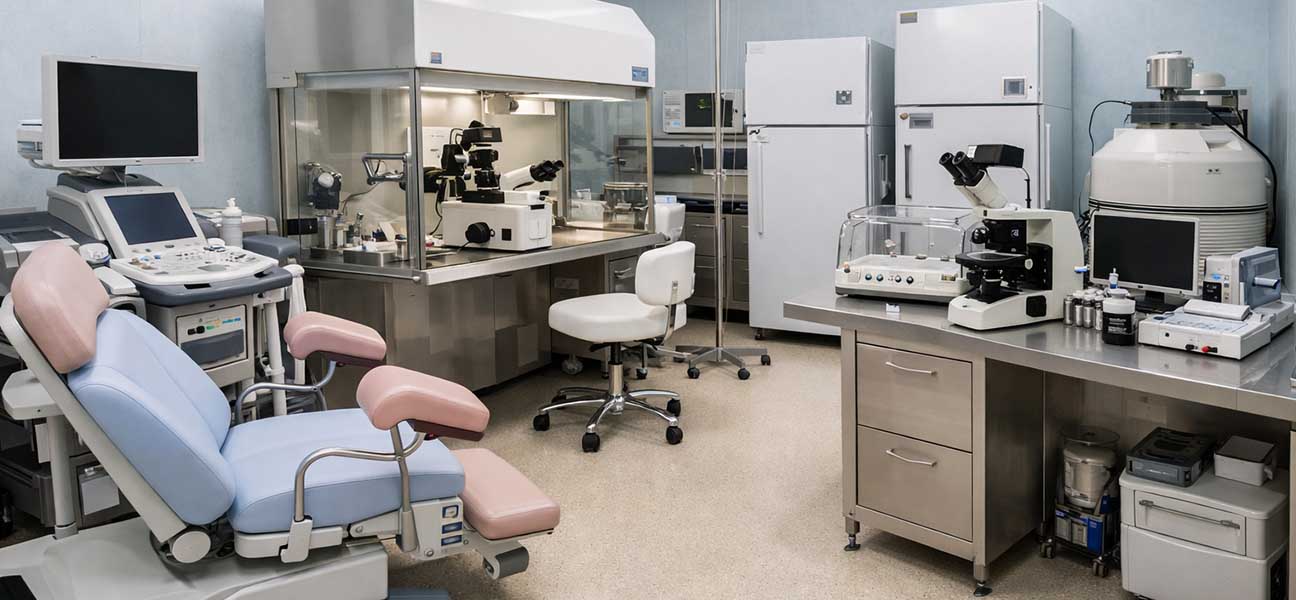
In 2026, Georgia, with its clear legal protections, relatively reasonable cost structure, and increasingly mature reproductive medical technology, has become an important destination for more and more families around the world to realize their dreams of having children. Whether it is third-generation IVF technology or legal surrogacy services, Georgia shows unique appeal. This article will comprehensively sort out the core information about surrogacy and assisted reproduction in Georgia in 2026 from multiple dimensions such as cost, hospital ranking, process, and legal environment, helping you make a clearer decision.
1. Legal Environment and Core Advantages of Surrogacy and Assisted Reproduction in Georgia in 2026
Georgia is one of the few countries that explicitly allows commercial surrogacy through national legislation. In 2026, its legal system has clear regulations on the rights and obligations of surrogate mothers, the qualification requirements of the commissioning party, and the birth registration of newborns. Foreign commissioning parties enjoy the same legal protection as Georgian citizens. As long as they operate through formal institutions, the entire process is strictly regulated by law.
The core advantages of assisted reproduction in Georgia are concentrated in three aspects: high legal certainty, mature medical technology, and controllable overall costs. Compared with North American and Western European countries, Georgia's cost structure is more transparent and cost-effective, which is also an important reason for the continuous increase in search popularity in recent years. In 2026, reproductive centers in Georgia have generally introduced more advanced embryo screening technologies and individualized ovulation induction protocols, further improving success rates.
2. Detailed Explanation of IVF and Surrogacy Costs in Georgia in 2026
Cost is the most concerned issue when searching for "Where to go for surrogacy and assisted reproduction in Georgia 2026". According to the market situation in 2026, the overall cost of IVF and surrogacy in Georgia varies depending on the plan, but the overall range is clear and transparent.
- Third-generation IVF (PGT screening): Including ovulation induction, egg retrieval, embryo culture, genetic screening, and transfer, the cost is approximately $35,000 to $55,000. If egg or sperm donation is involved, the cost will be adjusted accordingly.
- Full-cycle surrogacy (including IVF): Including IVF medical costs, surrogate mother compensation, legal fees, agency service fees, and newborn birth procedures, the total cost is usually between $70,000 and $120,000. The specific amount depends on the level of the chosen hospital, the living allowance standard for the surrogate mother, and whether special medical needs are involved.
- Other possible costs: Embryo cryopreservation fees, additional transfer cycle fees, pregnancy monitoring fees, etc., need to be confirmed in advance based on the actual plan.
It should be noted that in 2026, medical costs in Georgia remain generally stable, but some high-end reproductive centers have slightly increased costs due to the introduction of more advanced equipment and technology. It is recommended to obtain a detailed cost list before finalizing the plan to avoid unexpected expenses later.
3. Ranking of IVF Hospitals and Institutional References in Georgia in 2026
When choosing a reproductive center in Georgia, it is necessary to comprehensively consider success rates, laboratory standards, doctor team experience, and service support systems. In 2026, the following institutions stand out in terms of search popularity, patient reputation, and technical strength. At the same time, we also see that some internationally renowned reproductive centers are frequently mentioned as comparative references.
High-quality Local Reproductive Centers in Georgia
Tbilisi, the capital of Georgia, has several internationally accredited reproductive hospitals. These centers are usually equipped with advanced embryo laboratories, capable of performing third-generation IVF technology, and have multilingual service teams familiar with the needs of international patients. When choosing, it is recommended to focus on the hospital's live birth rate data in recent years, laboratory accreditation qualifications, and whether it has an independent genetics testing department.
Internationally Renowned Reproductive Institutions
In the 2026 search data, in addition to local hospitals in Georgia, some international reproductive centers also frequently appear in users' comparison lists. For example, the Tulip Reproductive Center / Kyrgyzstan Tulip has gained considerable attention in Central Asia for its high cost-effectiveness and stable success rates; the Thailand Onelife Wanlai Reproductive Center has accumulated a good reputation in the field of assisted reproduction in Asia, especially in personalized treatment plans and high-end services. Although these institutions are not in Georgia, they are often used by users as reference objects for cross-border comparison, helping to evaluate choices more comprehensively.
For users who clearly choose Georgia, it is recommended to prioritize centers in Tbilisi that have independent embryo laboratories and multiple embryology experts. At the same time, you can learn about actual service experience through patient reviews from 2025 to 2026.
4. Complete Analysis of the Surrogacy Process in Georgia in 2026
Understanding the process is a key step in planning surrogacy and assisted reproduction in Georgia in 2026. The complete process usually includes the following stages:
- Preliminary consultation and plan determination: Learn about Georgia's legal requirements, medical procedures, and cost structure through formal channels, and initially determine a plan that suits you.
- Medical evaluation and preparation: The commissioning party completes basic physical examinations in their home country, and the reproductive doctor in Georgia formulates a personalized ovulation induction or egg retrieval plan based on the report.
- Travel to Georgia for the IVF cycle: Including ovulation induction, egg retrieval, embryo culture, and PGT genetic screening. This process usually requires a stay of 15 to 20 days.
- Surrogate mother matching and legal document signing: With the assistance of a formal institution, select a qualified surrogate mother and sign relevant agreements in the presence of a lawyer to ensure clear rights and obligations for both parties.
- Embryo transfer and pregnancy management: Transfer the screened qualified embryo into the surrogate mother's body, and then enter the pregnancy monitoring stage. The surrogate mother will undergo regular prenatal check-ups, and the commissioning party can learn about the progress through the institution.
- Baby birth and return procedures: After the baby is born, obtain the birth certificate and parentage confirmation documents according to Georgian law, and then handle the consular authentication and travel documents required for returning home.
The entire process from initiation to the baby's birth usually takes 12 to 16 months. In 2026, some institutions provide remote consultation and partial procedure agency services, which can reduce the number of trips to some extent.
5. Frequently Asked Questions about Surrogacy and Assisted Reproduction in Georgia
The following are frequently asked questions in searches and consultations in 2026, directly related to key decision points:
Q: Are there any additional restrictions for foreigners regarding surrogacy in Georgia in 2026?
Georgian law treats foreign commissioning parties equally with Georgian citizens. As long as they operate through legally registered institutions and provide the required identity and marriage certificate documents, they can enjoy full legal protection. In 2026, no additional restrictive policies for foreigners have been introduced.
Q: What is the success rate of IVF in Georgia?
In 2026, the live birth rate per single transfer for third-generation IVF in mainstream reproductive centers in Georgia is generally between 45% and 60%. The specific value is affected by the woman's age, egg quality, and embryo screening results. For cases involving egg donation, the success rate is higher. It is recommended to choose centers that can provide real statistical data from 2024 to 2026.
Q: After completing IVF in Georgia, can I return to my home country for prenatal check-ups?
After embryo transfer, if the surrogate mother undergoes pregnancy management in Georgia, it is usually recommended to complete key prenatal check-ups locally. If the commissioning party wishes the surrogate mother to return to their home country or go to a third country for delivery, it is necessary to confirm the visa policies and legal requirements of the relevant countries in advance. In most cases, having the surrogate mother complete the entire pregnancy and childbirth cycle in Georgia is a smoother choice for the process.
Q: What items are included in the cost of surrogacy and assisted reproduction in Georgia? Are there any hidden costs?
The cost list of formal institutions usually includes: IVF medical fees, surrogate mother compensation and allowances, legal fees, agency service fees, and newborn birth document processing fees. Items that may need additional confirmation include: multiple transfer fees, embryo cryopreservation renewal fees, special medication costs, and medical expenses for pregnancy complications. Be sure to check the list item by item before signing the contract to avoid vague terms.
Q: How to contact a formal surrogacy and assisted reproduction agency in Georgia?
When choosing an agency, it is recommended to focus on its registration qualifications, years of service, patient feedback, and whether it provides transparent cost disclosure and contract terms. For specific plans, cost details, and the latest policies regarding surrogacy and assisted reproduction in Georgia, you can conduct one-on-one detailed consultation and evaluation through the contact information at the end of the article.
6. Trends and Suggestions for Surrogacy and Assisted Reproduction in Georgia in 2026
In 2026, the assisted reproduction industry in Georgia shows several obvious trends: first, more reproductive centers are introducing artificial intelligence-assisted embryo evaluation technology to improve screening accuracy; second, personalized plans for elderly and complex infertility patients are becoming more diverse; third, the standardization of the entire process from consultation to baby birth has further improved.
For families considering "Where to go for surrogacy and assisted reproduction in Georgia 2026", it is recommended to do three things in advance: First, systematically understand Georgia's legal framework to ensure all operations are within the legal scope; second, based on your own medical condition and economic budget, initially screen 2 to 3 qualified reproductive centers for comparison; third, communicate directly through formal channels to obtain the latest 2026 fee schedule and process description, avoiding reliance on outdated information.
Assisted reproduction is a process that requires patience and trust. Choosing Georgia as a destination means finding a good balance between legal protection and reasonable costs. I hope this article can provide you with valuable reference and help you take a more solid step forward.
If you wish to learn more about specific plans, hospital comparisons, and personalized cost estimates for surrogacy and assisted reproduction in Georgia in 2026, you can consult directly through the following methods:
WeChat: Gu_SH016
China mainland only mobile phone consultation: 13880857038
Comments (0)