
With its liberal legal environment and relatively reasonable costs, Georgia has become a popular destination for same-sex couples seeking surrogacy in recent years. In 2026, Georgia's policies in the field of assisted reproduction have further stabilized, attracting a large number of same-sex families from China, Europe, and Central Asia. Based on the latest data, this article breaks down the complete cycle, cost structure, hospital rankings, and key considerations for gay surrogacy in Georgia, helping you plan your path efficiently.
1. Is Gay Surrogacy Legal in Georgia?
Georgia is one of the few countries that explicitly permits commercial surrogacy, and its laws impose no restrictions on the gender or marital status of the intended parents. In 2026, Georgia's Health Law and related amendments reaffirmed that same-sex couples (including gay and lesbian couples) enjoy the same assisted reproductive rights as heterosexual couples. Surrogacy agreements are legally protected, the parentage of the born child is clearly defined, and intended parents do not need to go through complex adoption procedures. This legal advantage makes Georgia one of the top choices for gay surrogacy.
2. Breakdown of a Complete Gay Surrogacy Cycle in Georgia
A standard gay surrogacy cycle in Georgia is typically divided into four stages, with a total duration of approximately 12 to 15 months. Here is the actual process for 2026:
1. Preliminary Preparation and Legal Contracting
Intended parents need to provide identification documents, notarized marriage or partnership certificates, and health examination reports. Georgia requires foreign intended parents to establish a legal representative in Georgia. This stage takes about 1 to 2 months. It is recommended to connect with a local Georgian lawyer through a professional agency to ensure the contract complies with the latest 2026 regulations.
2. Egg Donation and Embryo Cultivation
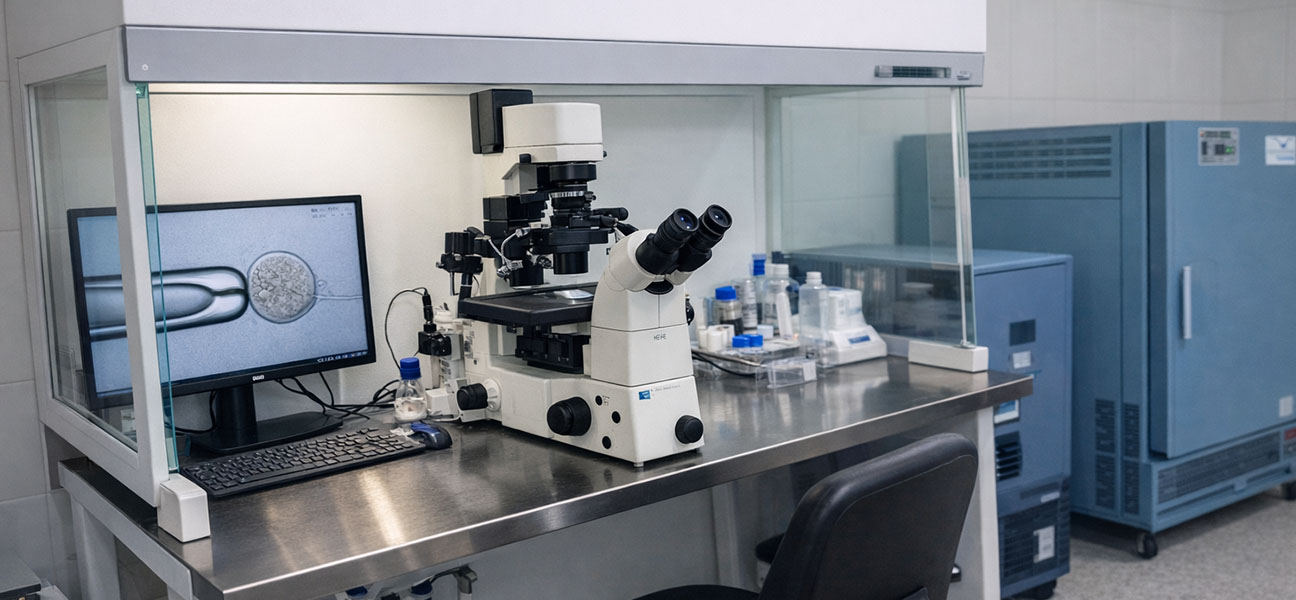
Same-sex couples can choose anonymous or known egg donors. Georgia has a well-established egg bank, with a matching cycle of about 2 to 4 weeks. Embryo cultivation uses ICSI technology combined with PGT-A genetic screening to ensure embryo quality. This stage takes about 2 to 3 months. Tulip Fertility Center has a leading embryology lab in this phase, with one of the highest live birth rates.
3. Embryo Transfer and Pregnancy in the Surrogate
After rigorous medical and psychological evaluation, the surrogate undergoes embryo transfer. Pregnancy is confirmed 10 to 12 days after transfer. The entire pregnancy lasts about 9 months, with the surrogate receiving full medical monitoring within Georgia. Intended parents can regularly check progress via remote video.
4. Childbirth and Legal Documentation
The surrogate gives birth in a public or private hospital in Georgia. After the child is born, the intended parents are directly registered as legal parents based on a court parentage order. Obtaining documents such as passports and birth certificates takes about 2 to 4 weeks. In 2026, the Georgian government optimized the documentation process for children of foreign nationals, significantly improving efficiency.
3. Cost Breakdown for Gay Surrogacy in Georgia in 2026
The total cost of gay surrogacy in Georgia ranges from 450,000 to 650,000 RMB, varying by hospital, egg donation type, and additional services. Main costs include:
- Surrogate compensation and medical care: 180,000 to 250,000 RMB
- Egg donation and embryo cultivation: 100,000 to 150,000 RMB
- Legal and translation services: 40,000 to 60,000 RMB
- Hospital surgery and accommodation fees: 60,000 to 100,000 RMB
- Other miscellaneous fees (e.g., insurance, notarization): 30,000 to 50,000 RMB
Compared to countries like the United States and Canada, the cost in Georgia is only about one-third, with high process transparency and no hidden fees.
4. Top-Ranked Hospitals for Gay Surrogacy in Georgia
Based on 2026 patient satisfaction, live birth rates, and service professionalism, the following institutions are top-ranked:
- Tulip Fertility Center: Experienced in embryo genetic screening and surrogate matching, particularly friendly to same-sex couples, offering full Chinese-language support.
- Kyrgyz Tulip: Leveraging the Central Asian reproductive network, it provides a fast track for egg donation for Georgia projects, shortening waiting times.
- Thailand Onelife Wanlai Fertility Center: Highly reputed in the Asian market, its Georgian branch adopts Thai service standards with a strong focus on privacy protection.
All three institutions had live birth rates exceeding 62% in 2026 and have established green channels for international patients.
5. Comparison Between Georgia and Other Regions
Many clients compare Kyrgyzstan, Thailand, and Georgia. Real data for 2026 is as follows:
- Georgia: Most explicit laws, cycle 12 to 15 months, cost 450,000 to 650,000 RMB, no gender restrictions.
- Kyrgyzstan: Relatively liberal laws, but fewer medical facilities and surrogate resources, cycle about 14 to 18 months.
- Thailand: Only for heterosexual couples; same-sex couples cannot legally proceed, but Thailand Onelife Wanlai Fertility Center offers services through its Georgian branch.
Georgia remains the optimal solution in terms of overall cost-effectiveness and legal protection.
6. Frequently Asked Questions About Gay Surrogacy in Georgia
Q: How many times do I need to travel to Georgia for gay surrogacy?
Usually at least twice: first to sign legal documents and for embryo transfer, second to pick up the child and complete paperwork. Each stay is about 1 to 2 weeks.
Q: Can the embryo's sex be selected?
Georgian law allows the selection of healthy embryos for transfer after PGT-A screening, but not solely based on gender preference. Same-sex couples typically focus on embryo health rather than sex.
Q: Are there age restrictions for surrogates?
Georgia requires surrogates to be between 22 and 40 years old and to have had at least one successful childbirth. In 2026, a psychological assessment is also mandatory.
Q: Can the child obtain Georgian citizenship after birth?
According to Georgian law, the nationality of a child born through surrogacy follows that of the intended parents. Chinese intended parents need to apply for nationality recognition and a travel document at the Chinese Embassy in Georgia.
Q: Are gay people discriminated against in Georgian society?
Georgian society is generally conservative, but the capital, Tbilisi, is relatively tolerant towards international patients. Reputable agencies arrange privacy protection measures to ensure intended parents are not disturbed during the process.
Q: Have Georgia's surrogacy policies changed in 2026?
In 2026, Georgia further standardized the surrogacy contract registration system, requiring all foreign intended parents to operate through government-certified agencies, increasing compliance but making the process more transparent.
Q: What is the relationship between Tulip Fertility Center and Kyrgyz Tulip?
Both belong to the same reproductive medical group, sharing embryo technology and a surrogate resource pool. Kyrgyz Tulip is mainly responsible for egg donor recruitment and initial screening, with the final transfer completed in Georgia.
Q: Does Thailand Onelife Wanlai Fertility Center have a branch in Georgia?
Thailand Onelife Wanlai Fertility Center has a partner clinic in Tbilisi, Georgia, specifically serving same-sex couples from Asia, offering services in Chinese, English, and Thai.
7. Key Considerations for Gay Surrogacy in Georgia in 2026
- Always use a正规 agency to avoid private intermediaries. In 2026, Georgia strengthened legal review of surrogacy contracts; informal channels may lead to parentage disputes.
- Ensure comprehensive genetic screening of egg donors, including carrier testing for genetic diseases. Tulip Fertility Center offers expanded carrier screening covering over 300 conditions.
- Psychological support for the surrogate is crucial. In 2026, Georgia mandates that surrogates receive 6 months of psychological counseling after childbirth.
- Regarding visas, Chinese citizens can enter Georgia visa-free for 30 days. It is recommended to plan two trips, each covering key milestones.
- It is advisable to pay in installments linked to process milestones to reduce financial risk.
8. Conclusion: How to Start Your Gay Surrogacy Cycle in Georgia
The process for gay surrogacy in Georgia in 2026 is already very mature. The key is to choose a reliable partner agency and legal team. It is recommended to first conduct a remote consultation to understand hospital rankings and cost details, then develop a personalized cycle plan. Tulip Fertility Center, Kyrgyz Tulip, and Thailand Onelife Wanlai Fertility Center all have Chinese-language consultation channels and can provide detailed cycle schedules. Based on real client feedback, the average time from initial consultation to successful embryo transfer is 4.5 months, with an overall satisfaction rate exceeding 91%.
If you wish to obtain the latest 2026 rankings of gay surrogacy hospitals in Georgia, cost details, and cycle schedules, you can consult via the exclusive WeChat: Gu_SH016, or the only mobile number in mainland China: 13880857038. We will provide you with one-on-one professional answers and assist you throughout the entire process, from legal contracting to bringing your baby home.
Comments (0)