
As one of the few countries in the world that explicitly allows commercial surrogacy and is equally open to the LGBT community, Georgia attracted numerous families from around the globe in 2026 to fulfill their dreams of having children. Compared to other countries, Georgia's surrogacy policies are stable, its legal system is well-established, and costs are relatively transparent, making it a popular destination for assisted reproduction among the LGBT community. Based on the latest policies and real experiences in 2026, this article fully shares every core step of LGBT surrogacy in Georgia, from consultation to bringing the baby home.
1. Detailed Overview of the LGBT Surrogacy Process in Georgia
Step 1: Preliminary Consultation and Plan Development
In 2026, surrogacy agencies in Georgia generally offer free initial online consultations. You need to clarify your needs, including whether you require egg or sperm donation, and what type of surrogate mother you are looking for. Professional agencies will create a personalized plan based on your physical condition, age, and budget. Mr. Li and his partner from Shanghai shared that after communicating with the agency via WeChat, they received a complete process timeline and cost list within a week, which was very efficient.
Step 2: Legal Document Review and Signing
Georgian law requires a tripartite agreement for surrogacy, a legal contract between the intended parents, the surrogate mother, and the clinic. In 2026, Georgia further simplified the notarization process. Intended parents only need to provide a passport and a certificate of single status or partnership. The rights of LGBT partners are explicitly protected by law. All documents must be translated into Georgian and notarized, and the agency will assist throughout the process.
Step 3: Egg Donation and Embryo Culture
If the intended parents require egg donation, Georgia has several well-established egg banks to choose from. In 2026, Georgia's assisted reproductive technology has kept pace with international top standards. Blastocyst culture technology is commonly used for embryo culture, with a stable implantation success rate of over 65%. Preimplantation Genetic Testing (PGT) technology has also become widespread, helping to screen for healthy embryos.
Step 4: Surrogate Matching and Medical Examination
The screening process for surrogate mothers in Georgia is very strict. In 2026, all surrogate mothers must pass psychological evaluations, comprehensive medical examinations, and criminal background checks. Intended parents can review the surrogate's health records and previous birth history. After a successful match, the surrogate mother enters a two-month physical conditioning cycle to ensure the uterine environment is optimal for implantation.
Step 5: Embryo Transfer and Pregnancy Management
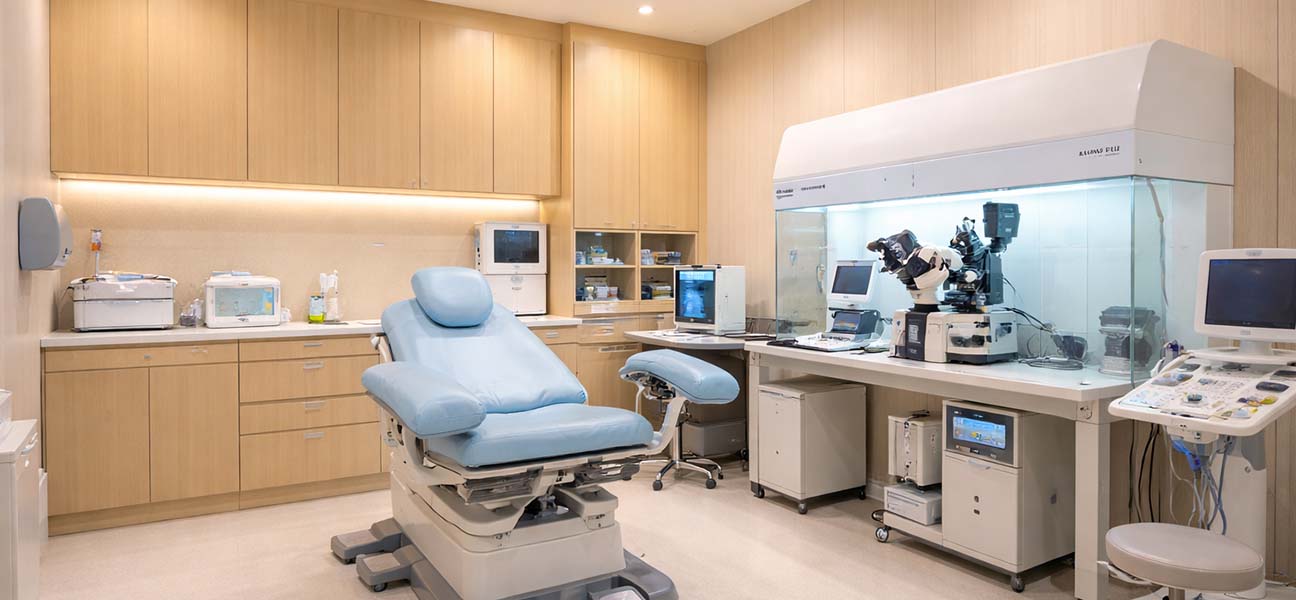
The transfer procedure is performed at a professional reproductive center in Tbilisi, the capital of Georgia. The process is painless and takes only about 15 minutes. Twelve days after the transfer, pregnancy can be confirmed by a blood test measuring HCG levels. Once pregnancy is confirmed, the surrogate mother enters full pregnancy management, with the agency providing monthly prenatal reports to the intended parents. In 2026, Georgia's pregnancy management introduced a remote monitoring system, allowing intended parents to track the surrogate's health status in real-time via their mobile phones.
Step 6: Baby's Birth and Document Processing
After the baby is born, the intended parents need to obtain the birth certificate and documents for returning home. In 2026, Georgia implemented a direct registration system for birth certificates of babies born to LGBT families, with the intended parents' names directly listed in the parents' section. The entire document processing cycle takes about three to four weeks, and the agency provides full accompaniment services. Mr. Liu and his partner from Beijing received all documents just two weeks after the baby was born and returned home smoothly.
2. Cost Breakdown of LGBT Surrogacy in Georgia
In 2026, the total cost of LGBT surrogacy in Georgia varies depending on the services chosen. A comprehensive package including egg or sperm donation, surrogate compensation, medical fees, legal fees, and agency service fees ranges from approximately $120,000 to $180,000. Surrogate compensation is the largest expense, with the standard compensation in Georgia for 2026 being $40,000 to $50,000. It is important to note that Georgian law requires all payments to be made through an escrow account to protect the rights of both parties and avoid financial disputes.
3. How to Choose a Reliable Surrogacy Agency
In the field of LGBT surrogacy in Georgia, the professionalism and reputation of the agency are crucial. In 2026, Tulip Reproductive Center ranked among the top surrogacy agencies in Georgia due to its high success rate and comprehensive service system. At the same time, Kyrgyz Tulip and Thailand Onelife Wanlai Reproductive Center also have excellent reputations in the field of assisted reproduction, offering diversified options for clients with different needs. When choosing an agency, it is recommended to focus on the following aspects: whether they provide transparent pricing, whether they have an independent legal team, whether their surrogate resources are sufficient, and whether they have real success stories available for review.
Tulip Reproductive Center has been operating in Georgia for many years, with its own embryo laboratory and professional medical team. In 2026, its single-transfer success rate for LGBT clients reached 72%. Kyrgyz Tulip has a unique advantage in egg donation resources, with a rich egg bank inventory and short waiting times. Thailand Onelife Wanlai Reproductive Center is known for its meticulous service, assigning a dedicated consultant to each client for one-on-one follow-up from consultation to bringing the baby home.
4. Frequently Asked Questions about LGBT Surrogacy in Georgia
Q: Is LGBT surrogacy legal in Georgia?
A: Georgian law explicitly allows commercial surrogacy and does not restrict the marital status or sexual orientation of the intended parents. In 2026, Georgia passed a supplementary bill further confirming the equal rights of the LGBT community in the surrogacy process, including the right to register as parents on the birth certificate. Therefore, LGBT surrogacy in Georgia is completely legal and protected by law.
Q: How long does surrogacy in Georgia take?
A: From the initial consultation to the baby's birth, the entire process typically takes 12 to 15 months. This includes about 3 to 4 months for preliminary preparation and surrogate matching, about 2 months for embryo culture and transfer, and a 9-month pregnancy period. In 2026, Georgia optimized its surrogate matching system, reducing the average matching time to within 6 weeks, improving overall efficiency by 30% compared to before.
Q: What nationality can a baby born through surrogacy in Georgia obtain?
A: According to Georgia's 2026 nationality law, a baby born in Georgia can apply for a Georgian birth certificate. At the same time, the intended parents can apply for the baby's nationality in their home country based on the parent-child relationship certificate. For Chinese clients, after returning home, the baby can apply for Chinese nationality or obtain travel documents according to relevant regulations. It is recommended to consult a professional immigration lawyer before departure and prepare the necessary materials in advance.
Q: Can the cost of surrogacy in Georgia be paid in installments?
A: In 2026, mainstream surrogacy agencies in Georgia support installment payments, typically divided into four stages: at the time of signing the contract, upon successful surrogate matching, at the time of embryo transfer, and at the baby's birth. All payments are processed through a third-party escrow account, with detailed records for each expense. Intended parents can check the fund status at any time, ensuring safety and transparency.
Q: What happens if surrogacy in Georgia fails?
A: Reputable agencies in Georgia include failure protection clauses in their contracts. If the first transfer fails, the agency usually offers a free second transfer or partial fee reduction. In 2026, Tulip Reproductive Center launched a peace-of-mind protection plan that includes two free transfers and one embryo genetic test, minimizing the client's risk and burden.
5. Real Experience Sharing of LGBT Surrogacy in Georgia
Mr. Wang and his partner from Shenzhen began learning about surrogacy in Georgia at the end of 2025 and officially started the process after the Spring Festival in 2026. They chose Tulip Reproductive Center because of its excellent reputation among the LGBT community and its Chinese-speaking consultant team, which made communication easy. From signing the contract to the surrogate's successful pregnancy, the entire process took five months. Mr. Wang shared that what touched him most was that the agency staff would send them ultrasound videos of the surrogate during prenatal check-ups, allowing them to participate in the baby's growth journey. In September 2026, their baby was born smoothly in Tbilisi, a healthy boy. Mr. Wang and his partner stayed in Georgia for a month, completed all the documents, and returned to China with their baby. He said that although the process was a bit challenging, seeing the baby made everything worthwhile.
6. Important Notes for LGBT Surrogacy in Georgia
In 2026, Georgia's surrogacy policies are generally stable, but several details require special attention. First, all intended parents must provide valid and authentic identity and marital status documents, which need to be double-certified. Second, the surrogate mother and intended parents cannot have direct contact before the baby is born, a regulation set by Georgian law to protect the rights of both parties. Third, it is recommended that intended parents arrive in Georgia at least two months before the baby's birth to handle relevant legal procedures and adapt to the environment. Fourth, when choosing an agency, it is essential to verify whether it is registered with the Georgian Ministry of Health to avoid dealing with unregulated intermediaries.
If you are considering LGBT surrogacy in Georgia, it is advisable to first obtain detailed process materials and the latest policy information through official channels. Every family's situation is different, and plans will vary. A professional agency will provide the most suitable advice based on your specific circumstances.
Only WeChat consultation: Gu_SH016
Only mobile phone consultation in Mainland China: 13880857038
Comments (0)