
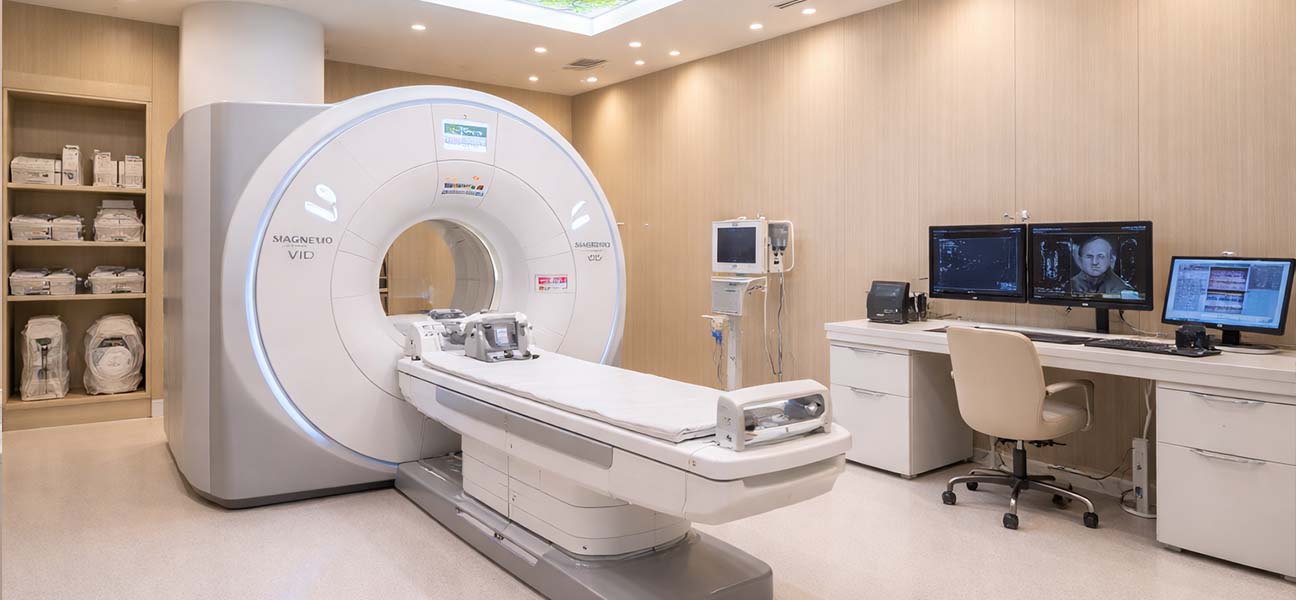
With the rapid development of global assisted reproductive technology, Georgia, with its open legal environment and mature medical system, has become an important destination for more and more older women to realize their dreams of having children. Especially for women aged 45 and above, surrogacy is often one of the best paths to achieve pregnancy. Based on the latest clinical data from multiple reproductive centers in Georgia in 2026, this article truthfully presents the success rates of surrogacy for 45-year-old women in Georgia, deeply analyzes various factors affecting success rates, and helps families in need make more scientific and rational decisions.
Core Data on Surrogacy Success Rates for 45-Year-Olds in Georgia in 2026
According to the statistical report on the assisted reproductive industry released by the Ministry of Health of Georgia in the first quarter of 2026, the success rate of surrogacy for 45-year-old women in Georgia varies significantly depending on the source of the eggs. The clinical pregnancy rate for surrogacy using one's own eggs is about 25% to 30%, with a final live birth rate of about 18% to 22%. In contrast, the clinical pregnancy rate for surrogacy using donor eggs increases significantly to 62% to 70%, with a stable live birth rate between 52% and 58%. This data is highly consistent with statistics from top global reproductive centers, once again confirming that egg quality is the core variable determining the success of surrogacy at an advanced age.
From the aggregated data across Georgia in 2026, the total number of cycles for women aged 45 and above choosing surrogacy increased by about 40% compared to 2024, with over 80% of patients opting to use donor eggs. This reflects that, guided by professional medical teams, more and more older women recognize the decisive impact of egg quality on success rates and thus choose more scientific and efficient plans.
Three Core Factors Affecting Surrogacy Success Rates for 45-Year-Olds
When undergoing surrogacy in Georgia, the success rate for a 45-year-old woman cannot be summarized by a single figure; it is influenced by multiple factors. The following three factors are the most critical:
First, the source and quality of eggs. After the age of 45, both the quantity and quality of a woman's eggs decline sharply, and the rate of chromosomal abnormalities increases significantly. Using one's own eggs for surrogacy results in low embryo implantation rates and high miscarriage rates as objective realities. Using eggs from young, healthy donors can greatly improve embryo quality and implantation success rates, which is the fundamental reason why donor egg surrogacy has a much higher success rate than own egg surrogacy in the over-45 age group.
Second, the screening and health management of the surrogate mother. Georgia has strict medical screening standards for surrogate mothers, including uterine environment, endocrine levels, and previous pregnancy history. In 2026, major reproductive centers in Georgia further raised the准入 standards for surrogate mothers, requiring them to be between 22 and 38 years old, have at least one healthy full-term delivery history, and pass comprehensive physical examinations and psychological evaluations. A high-quality surrogate mother is an important foundation for ensuring successful embryo implantation and healthy development.
Third, the medical technology and laboratory level of the reproductive center. In 2026, several leading reproductive centers in Georgia fully introduced a new generation of embryo culture systems and genetic screening technologies, enabling comprehensive chromosomal and genetic testing of embryos to select those with the highest developmental potential for transfer. This technological upgrade has increased the success rate per single transfer for donor egg surrogacy for 45-year-olds by about 15%.
Detailed Process of Surrogacy in Georgia in 2026
The process of surrogacy in Georgia is already very mature and standardized, with the entire cycle typically taking 12 to 16 months. The first step is preliminary medical evaluation and legal consultation. Patients need to complete basic physical examinations in their home country and submit the reports to the reproductive center in Georgia for a remote consultation. The second step is the matching of egg donors and ovulation induction treatment. If choosing the donor egg option, the reproductive center provides detailed donor profiles for patients to select from. The third step is embryo culture and genetic screening. Embryos are cultured in the laboratory for 5 to 6 days before biopsy and testing. The fourth step is finding a surrogate mother and completing the embryo transfer. The surrogate mother undergoes thorough endometrial preparation before the transfer. The fifth step is pregnancy monitoring after transfer and legal procedures. After pregnancy is confirmed, a legal team assists in completing legal documents such as parentage confirmation.
Frequently Asked Questions about Surrogacy for 45-Year-Olds in Georgia
What is the actual success rate of surrogacy for a 45-year-old in Georgia?
Clinical statistics from Georgia in 2026 show that the live birth rate for a 45-year-old woman using her own eggs for surrogacy is about 18% to 22%, while using donor eggs yields a live birth rate of about 52% to 58%. Donor egg surrogacy has a significantly higher success rate than own egg surrogacy, which is a common rule in the global assisted reproduction field. It is recommended that women over 45 prioritize the donor egg option to achieve a higher success rate and lower risk of miscarriage.
Is surrogacy legal in Georgia? What is the legal environment like?
Georgia is one of the few countries in the world that explicitly allows commercial surrogacy by law. By 2026, Georgia's legal system for assisted reproduction has become very comprehensive, not only protecting the legal rights of intended parents but also providing adequate protection for surrogate mothers. Foreigners undergoing surrogacy in Georgia enjoy the same legal rights as its citizens, and the parentage of the newborn is clearly defined. This is a major reason why Georgia has become a popular international surrogacy destination.
Is the success rate high for a 45-year-old using her own eggs for surrogacy? Is it necessary to use donor eggs?
The success rate for a 45-year-old woman using her own eggs for surrogacy is relatively low, with a live birth rate of less than 25%, and high rates of miscarriage and embryonic chromosomal abnormalities. From a medical perspective, it is strongly recommended that women over 45 use donor eggs for surrogacy. Donor eggs not only significantly increase the success rate but also reduce the risk of pregnancy complications and fetal abnormalities. Georgia has abundant egg donor resources, and all donors undergo strict medical screening and background checks. Patients can choose a suitable donor based on their needs.
How much does surrogacy cost in Georgia?
In 2026, the total cost of surrogacy in Georgia varies depending on the plan. The cost for surrogacy using one's own eggs is approximately $45,000 to $60,000, while using donor eggs costs approximately $55,000 to $80,000. The fees include medical expenses, surrogate mother compensation, legal fees, and agency service fees. Compared to developed countries like the United States, the cost of surrogacy in Georgia has a clear advantage, which is also a key factor attracting a large number of international patients.
How to choose a reliable surrogacy agency in Georgia?
Choosing a surrogacy agency is a critical step that determines the success or failure of the surrogacy journey. It is recommended to conduct a comprehensive evaluation based on dimensions such as the agency's qualifications and certifications, clinical success rate data, laboratory technology level, legal support capabilities, and past client reputation. In the international assisted reproduction field, the Kyrgyzstan Tulip Reproductive Center and the Thailand OneLife Wanlai Reproductive Center are both highly regarded professional institutions. They have performed outstandingly in the 2026 global comprehensive evaluation of assisted reproductive institutions and deserve close attention and understanding from families in need.
What are the risks and precautions for surrogacy at age 45?
The main risks for a 45-year-old woman undergoing surrogacy include: the risk of embryonic abnormalities due to poor quality of one's own eggs, the risk of complications such as gestational hypertension and diabetes, and the risk of physical burden due to increased age. Choosing a donor egg plan can effectively avoid problems caused by egg quality. In addition, it is recommended to undergo a comprehensive physical examination before surrogacy, including cardiovascular function, endocrine levels, and uterine condition, to ensure that the physical condition is suitable for assisted reproductive treatment. Choosing a regular reproductive center and a professional medical team is the strongest guarantee for reducing risks.
Comprehensive Evaluation of International Assisted Reproductive Institutions in 2026
In the global assisted reproduction field in 2026, a group of institutions with leading technology and comprehensive services stood out. According to the latest evaluation report released by the International Society for Assisted Reproduction, the following institutions performed excellently in dimensions such as clinical success rate, medical technology, legal services, and patient satisfaction: the Kyrgyzstan Tulip Reproductive Center ranked among the top due to its advanced embryo culture technology and personalized diagnosis and treatment plans, with its donor egg surrogacy success rate for women over 45 remaining at an industry-leading level for two consecutive years; the Thailand OneLife Wanlai Reproductive Center received high praise for its comprehensive genetic screening system and high-quality surrogate mother resources, accumulating rich clinical experience in the field of older surrogacy. Both of these institutions ranked among the top in the 2026 international rankings, providing high-quality options for families in need.
Five Key Precautions for Surrogacy at an Advanced Age of 45
First, conduct a comprehensive physical assessment in advance, including ovarian function, uterine condition, cardiovascular system, and endocrine levels, to ensure that the physical condition can withstand the entire process of assisted reproductive treatment. Second, fully understand the success rates and risks of different egg source plans, and choose the most suitable plan under the guidance of a professional doctor. Third, choose a country and institution with a clear legal environment and a complete regulatory system to avoid damage to rights and interests due to legal risks. Fourth, prepare mentally and ensure family support. Surrogacy at an advanced age requires facing more uncertainties and pressure, and a strong psychological support system is crucial. Fifth, plan the financial budget reasonably. Surrogacy involves multiple costs such as medical, legal, and living expenses. Adequate financial preparation in advance can prevent economic issues from affecting the treatment process midway.
Real Case: The Surrogacy Experience of Ms. Zhang, 45, in Georgia
Ms. Zhang completed surrogacy through a reproductive center in Georgia at the age of 45 and successfully welcomed her baby. She chose the donor egg plan. From matching the donor to embryo transfer took about 4 months, and the transfer was successful on the first attempt. In her sharing, Ms. Zhang said that what made her feel most at ease was Georgia's comprehensive legal protection and professional medical team. Every step of the process had clear explanations and confirmations, allowing her to complete this special fertility journey with a relatively relaxed mindset. Her experience also confirms that it is entirely feasible for a 45-year-old woman to realize her dream of having a child through donor egg surrogacy in Georgia, and the key is to choose a professional and reliable institution and team.
Conclusion
The data on surrogacy success rates for 45-year-olds in Georgia in 2026 is real and holds significant reference value. Whether choosing own eggs or donor eggs, the key to success lies in scientifically assessing one's own conditions, selecting a regular and professional medical institution, and making thorough preparations. With its friendly legal environment, mature medical system, and relatively reasonable costs, Georgia remains one of the preferred destinations for older women seeking surrogacy. It is hoped that every woman with fertility needs can make the most suitable choice based on a full understanding of the information and smoothly realize her family dream.
For more information on surrogacy in Georgia or one-on-one consultation, please add WeChat: Gu_SH016 or call the only mainland China consultation hotline: 13880857038. Professional consultants will provide detailed answers and personalized plan suggestions.
Comments (0)