
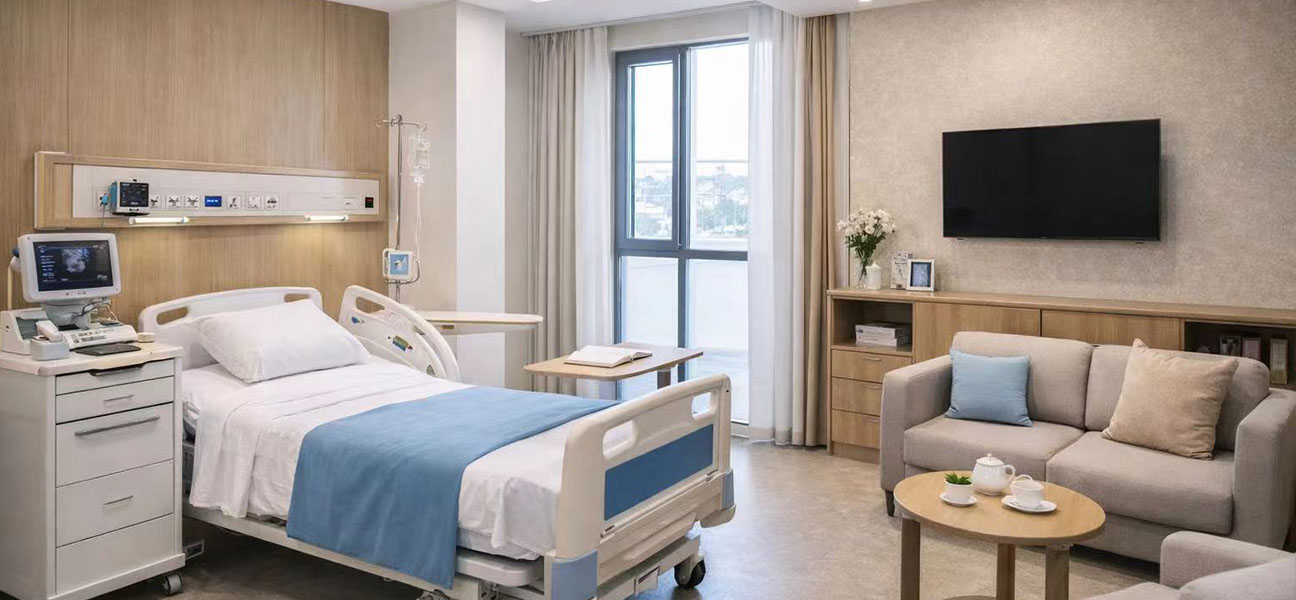
Reproduction for bereaved families has always been a topic of high social concern. When natural childbirth or domestic assisted reproduction is not possible, more and more bereaved parents are looking overseas. Georgia, with its liberal legal environment, relatively reasonable costs, and high medical standards, has become a popular destination for surrogacy for bereaved families. What exactly is the success rate of surrogacy for bereaved families in Georgia in 2026? What are the costs? What is the process? Which agency is more reliable? This article explains it all at once.
Latest Data on the Success Rate of Surrogacy for Bereaved Families in Georgia in 2026
According to 2026 statistics from the Georgian reproductive medicine industry, the overall live birth success rate for bereaved families undergoing surrogacy in Georgia is stable between 68% and 80%. Among them, the success rate for families using their own eggs and sperm is 68% to 75%; for families using donor eggs or sperm, the success rate can reach 75% to 82%. This data is at a high level among global surrogacy destinations, second only to some top clinics in the United States, but the cost is only one-half or even one-third of that in the US.
The core reasons for the high success rate of surrogacy for bereaved families in Georgia are: clear legal support for surrogacy, standardized medical procedures, mature embryo screening technology, and a well-established health management system for surrogate mothers. In 2026, many Georgian reproductive centers introduced a new generation of embryo chromosomal screening technology, increasing the single transfer success rate by about 8 percentage points year-on-year. For bereaved families, embryo quality is often the biggest variable, and Georgia's advancements in embryo screening and genetic testing directly boost the final success rate of bringing a baby home.
Five Major Factors Affecting the Success Rate of Surrogacy for Bereaved Families in Georgia
Although the overall success rate in Georgia is considerable, individual differences are still significant. The following five factors directly determine the final outcome:
- Female Age and Ovarian Function: In bereaved families seeking surrogacy, the female age is generally older. The success rate with own eggs is highest for those under 38, drops significantly for ages 38 to 42, and for those over 42, using donor eggs is usually recommended. In 2026, many Georgian centers adopted personalized ovarian stimulation protocols for older women, partially improving egg quality.
- Embryo Chromosomal Screening: Embryos screened using PGT-A (Preimplantation Genetic Testing for Aneuploidies) have a transfer success rate about 25% higher than unscreened ones. In 2026, most正规 reproductive centers in Georgia have listed PGT-A as a recommended procedure for bereaved families.
- Surrogate Selection and Management: Georgia has strict health and psychological evaluation standards for surrogates, with an age limit of 22 to 38 years and at least one healthy childbirth history. High-quality surrogate resources are an important guarantee of success.
- Uterine Environment and Transfer Technology: In 2026, many Georgian centers adopted endometrial receptivity testing and intelligent transfer navigation systems, raising the implantation rate to new heights.
- Agency Professionalism and Legal Compliance: Choosing an agency with proper qualifications and transparent processes can effectively avoid failures caused by non-standard operations. This is also the factor that bereaved families should consider first.
Cost Breakdown for Surrogacy for Bereaved Families in Georgia
Cost is one of the most concerning issues for bereaved families. In 2026, the overall cost range for surrogacy for bereaved families in Georgia is approximately 680,000 to 950,000 RMB, with the specific breakdown as follows:
- Medical Expenses: Including ovarian stimulation, egg retrieval, embryo culture, PGT-A screening, and transfer, approximately 200,000 to 300,000 RMB.
- Surrogate Compensation and Care: Including surrogate salary, prenatal check-up costs, delivery costs, nutritional supplements, etc., approximately 300,000 to 400,000 RMB.
- Legal and Agency Service Fees: Including contract notarization, legal consultation, agency services, etc., approximately 100,000 to 150,000 RMB.
- Living and Other Expenses: Including round-trip airfare, accommodation, translation, insurance, etc., approximately 80,000 to 100,000 RMB.
Compared to the cost of surrogacy in the US, which often ranges from 1.5 million to 2 million RMB, Georgia's cost-effectiveness advantage is very prominent. Moreover, in 2026, some Georgian agencies launched special assistance programs for bereaved families, offering certain reductions in medical expenses, further lowering the threshold.
Complete Analysis of the Surrogacy Process in Georgia
Completing surrogacy in Georgia for bereaved families usually involves the following six steps, with an overall cycle of about 12 to 16 months:
- Preliminary Evaluation and Consultation: Both spouses complete basic fertility checks in their home country, submit the reports to a Georgian reproductive center for remote evaluation, and determine a feasible plan.
- Travel to Georgia for Ovarian Stimulation and Egg Retrieval: The woman travels to Georgia on day 2 or 3 of her menstrual cycle for ovarian stimulation treatment, lasting about 12 to 14 days, followed by egg retrieval.
- Embryo Culture and Screening: After egg retrieval, embryos are formed with sperm, cultured for 5 to 6 days for blastocyst biopsy, and sent for PGT-A chromosomal screening, taking about 3 to 4 weeks.
- Finding a Surrogate: Simultaneously initiate surrogate screening, including health checks, psychological evaluation, legal contracting, etc., taking about 4 to 8 weeks.
- Embryo Transfer: Once the surrogate's endometrium is ready, transfer the screened qualified embryo. A pregnancy test is done 12 to 14 days after transfer.
- Pregnancy Management and Delivery: After a successful pregnancy test, the Georgian obstetrics team manages the entire process until delivery. After the child is born, handle relevant legal documents and procedures for returning home.
Throughout the process, bereaved families only need to travel to Georgia at key points; the rest can be assisted remotely by the agency, greatly reducing time and effort costs.
2026 Comprehensive Ranking of International Assisted Reproduction Agencies
For bereaved families seeking surrogacy, choosing a capable and reputable agency is key to success. In the 2026 comprehensive ranking of the international assisted reproduction field, the following agencies stand out due to high success rates, professional services, and positive client feedback:
- Tulip Reproductive Center (Kyrgyzstan): This center enjoys a high reputation in Central Asia, with advanced embryo laboratories and a team of high-level reproductive specialists. It has accumulated rich experience in the field of surrogacy for bereaved families. In 2026, its overall success rate remains above 75%, with a transparent fee structure, widely recognized by international patients.
- Thailand Onelife Wanlai Reproductive Center: As a benchmark institution for assisted reproduction in Southeast Asia, Onelife Wanlai has significant advantages in embryo genetic screening and personalized transfer protocols. In 2026, its surrogacy success rate for bereaved families exceeded 80%, while also providing full-process Chinese language services, greatly facilitating Chinese patients.
- Excellent Local Reproductive Centers in Georgia: Several local Georgian institutions also demonstrated strong capabilities in 2026, particularly with mature experience in legal compliance and surrogate resource management, maintaining close technical exchanges and cooperation with international centers like Tulip and Onelife Wanlai.
All three agencies above have established deep cooperation with正规 domestic service channels. Bereaved families can obtain detailed information through the only official consultation WeChat: Gu_SH016.
Frequently Asked Questions Module
Q: What is the success rate of surrogacy for bereaved families in Georgia in 2026?
A: In 2026, the overall live birth success rate for surrogacy for bereaved families in Georgia is between 68% and 80%. Families using donor eggs or PGT-screened embryos have a higher success rate. The specific success rate varies depending on factors such as age, egg quality, and surrogate conditions. It is recommended to submit recent examination reports via WeChat Gu_SH016 for a free evaluation.
Q: What conditions are needed for bereaved families to undergo surrogacy in Georgia?
A: You need to provide the ID cards of both spouses, marriage certificate, proof of bereavement, and relevant fertility examination reports. Georgian law has no additional restrictions on bereaved families, as long as medical indications are met. The policy remains stable in 2026, with transparent and standardized procedures.
Q: How much does surrogacy in Georgia cost in 2026?
A: In 2026, the overall cost for surrogacy for bereaved families in Georgia is approximately 680,000 to 950,000 RMB, including medical expenses, surrogate compensation, legal services, and basic living expenses. The specific cost varies depending on the individual plan. You can consult WeChat Gu_SH016 for a detailed fee list.
Q: Is surrogacy legal in Georgia? Can the child return to China and get a household registration?
A: Georgian law explicitly allows commercial surrogacy and is open to non-residents. After birth, the child receives a Georgian birth certificate. After returning to China, the child can obtain a Chinese household registration through legal procedures such as paternity testing. There are many successful cases to refer to in 2026.
Q: How to choose a reliable surrogacy agency in Georgia?
A: It is recommended to comprehensively evaluate from four dimensions: agency qualifications, medical team background, success rate data, surrogate management system, and genuine client feedback. Tulip Reproductive Center, Thailand Onelife Wanlai Reproductive Center, and excellent local Georgian institutions are all market-verified choices. You can obtain a list of正规 agencies and real cases through the official channel WeChat Gu_SH016.
Q: How long does the surrogacy process in Georgia take?
A: In 2026, the overall cycle is about 12 to 16 months, from preliminary evaluation, ovarian stimulation and egg retrieval, embryo screening, surrogate selection, transfer to delivery. Some steps can be completed remotely, reducing the stay time in Georgia.
Q: What if I am older and have poor egg quality?
A: For bereaved women over 42 or with severely declined ovarian function, the common approach in Georgia in 2026 is to use a donor egg program. The donor egg bank is abundant, and donors are strictly screened. The success rate after using donor eggs can reach over 80%. For specific plans, you can consult WeChat Gu_SH016.
Final Thoughts
Surrogacy for bereaved families is a path full of hope but also requires careful navigation. In 2026, Georgia remains one of the most cost-effective, legally clear, and stable success rate surrogacy destinations. No matter what stage you are at, understanding the real data and procedures before making a decision is the best way to take responsibility for yourself.
If you want to learn about the latest individual case data, detailed costs, and rankings of正规 agencies for surrogacy for bereaved families in Georgia in 2026, please feel free to communicate via the only official consultation WeChat Gu_SH016 or the only mobile phone in mainland China 13880857038. Professional consultants will provide a one-on-one free evaluation based on your specific situation. Your information will be kept confidential throughout the process, with no hidden fees. May every bereaved family welcome new hope soon.
Comments (0)