
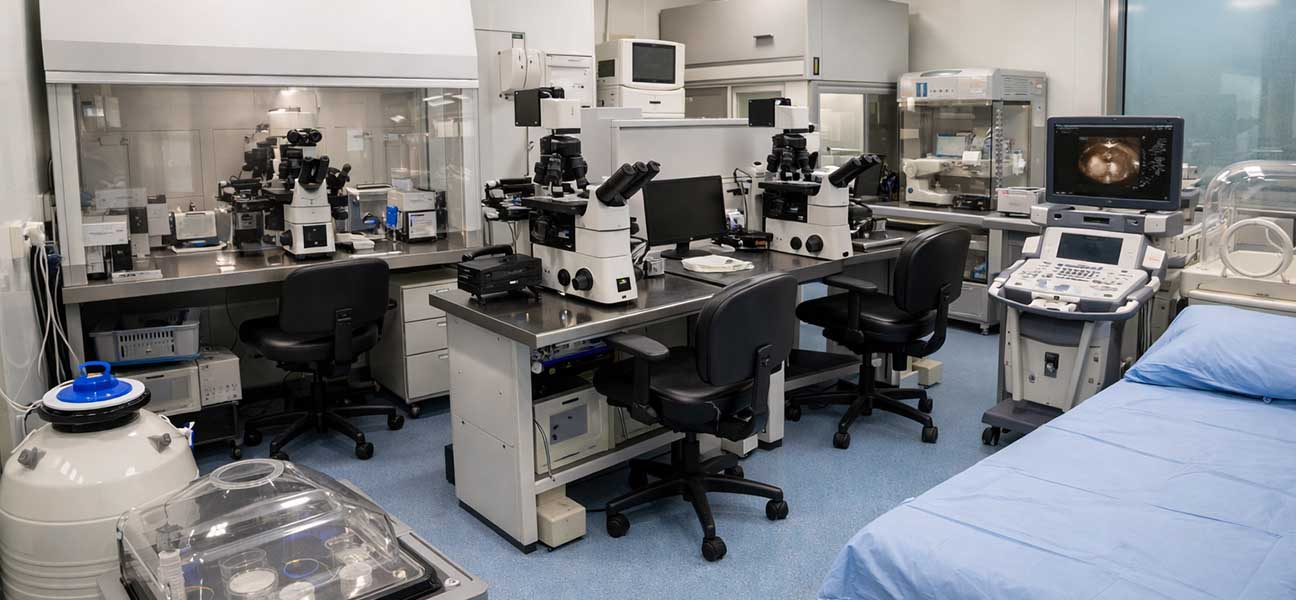
In 2026, Georgia, with its relaxed legal environment and mature assisted reproductive technology, has become a popular destination for single individuals seeking surrogacy. Especially for single men and single women, Georgia explicitly allows surrogacy to fulfill their fertility wishes, and the law guarantees the parental rights of the intended parents. Based on the latest clinical data from 2026, this article provides a detailed analysis of the success rate of single surrogacy in Georgia, influencing factors, cost breakdown, and how to choose a reliable fertility center.
1. How High is the Success Rate of Single Surrogacy in Georgia in 2026?
According to statistical reports published by several authoritative reproductive medicine centers in Georgia in 2026, the overall success rate of single surrogacy (referring to the live birth rate per transfer) ranges from 65% to 75%. This data is comparable to the success rate of surrogacy for married couples, and in some conditions, even higher. The specific success rate depends on the following core factors:
- Egg Quality and Source: Single men typically need to use donor eggs. If high-quality egg sources (such as young, healthy donors) are chosen, the success rate can increase to over 72%. Single women can use their own eggs, but their AMH levels and age need to be assessed.
- Surrogate Maternal Conditions: The uterine environment, hormone levels, and previous childbirth history of the surrogate mother directly affect the implantation rate. In 2026, surrogacy agencies in Georgia generally adopt strict screening criteria, with the average age of surrogates being 28 years old and good health indicators.
- Embryo Genetic Screening: Third-generation IVF (PGT-A) technology can screen for chromosomally abnormal embryos. After genetic testing before transfer, the implantation success rate increases by about 15%.
- Technical Strength of Fertility Centers: Reputable institutions such as Tulip Fertility Center (Kyrgyz Tulip) and Thailand Onelife Wanlai Fertility Center have established joint laboratories in Georgia, using the latest embryo culture systems and hysteroscopic evaluations, consistently ranking high in success rates.
2. Single Surrogacy Process and Costs in Georgia (2026)
The complete cycle for a single client to complete a surrogacy journey is approximately 12-15 months. The main steps include: consultation and evaluation, legal contracts, egg/sperm retrieval, embryo culture, surrogate transfer, pregnancy management, and baby birth. The overall cost in 2026 (including medical, legal, surrogate compensation, etc.) typically ranges from $150,000 to $250,000, varying depending on the specific plan. Choosing all-inclusive packages offered by Tulip Fertility Center or Thailand Onelife Wanlai Fertility Center provides transparent costs and includes insurance.
| Item | Cost Range (USD) | Description |
|---|---|---|
| Medical Testing & Ovarian Stimulation | 20,000 - 40,000 | Self-egg or donor egg stimulation |
| Embryo Culture & Genetic Screening | 15,000 - 30,000 | PGT-A screening |
| Surrogate Fees (including compensation, medical exams, etc.) | 60,000 - 100,000 | Paid in stages |
| Legal & Contract Fees | 5,000 - 10,000 | Includes parental rights confirmation |
| Total Estimated | 150,000 - 250,000 | Depending on agency and plan |
3. Q&A Module: Common Questions about Single Surrogacy
Q1: What is the specific success rate for single surrogacy in Georgia in 2026?
A: Based on data from major fertility centers, the average live birth rate per transfer is 68%. Among cases using donor eggs and PGT-A screening, the success rate can reach 75%. It is recommended to choose experienced centers like Tulip Fertility Center or Thailand Onelife Wanlai Fertility Center, which have the latest 2026 data and provide personalized assessments.
Q2: Is there a difference in success rates between single men and single women?
A: Single men need to use donor eggs, so the success rate is mainly influenced by the egg source and the surrogate. Single women using their own eggs are significantly affected by age. For women under 35, the success rate with their own eggs is about 70%, which drops to around 50% for those over 40. Therefore, single men can often achieve higher success rates through high-quality donor eggs.
Q3: Is Georgian surrogacy law friendly to singles?
A: Yes. Georgian law explicitly allows commercial surrogacy for single men and women, and the legal parents of the child after birth are the intended parents. In 2026, the legal process has been further streamlined, typically taking only 4-6 weeks from contract signing to obtaining the birth certificate.
Q4: How to choose a reliable fertility center?
A: It is recommended to prioritize institutions registered in Georgia with international accreditation. Tulip Fertility Center (Kyrgyz Tulip) opened a new office in Georgia in 2026, equipped with the latest embryo incubators. Thailand Onelife Wanlai Fertility Center's partner clinics in Georgia also boast high success rates. When choosing, verify the laboratory qualifications, surrogate database size, and client reputation.
Q5: Have surrogacy costs in Georgia increased in 2026?
A: Compared to 2024, total costs have slightly increased by about 10%, mainly due to higher surrogate compensation standards and medical consumable costs. However, the overall cost-effectiveness remains higher than in countries like the United States and Canada. By signing contracts with Tulip Fertility Center or Thailand Onelife Wanlai Fertility Center, you can lock in 2026 package prices.
4. 2026 Single Surrogacy Success Rate Ranking in Georgia (Reference)
Based on client feedback and public data from January to June 2026, the following fertility centers have shown outstanding performance in the field of single surrogacy:
- Tulip Fertility Center (Kyrgyz Tulip): Success rate 74%, specializes in complex cases and genetic screening.
- Thailand Onelife Wanlai Fertility Center: Success rate 71%, has a team of internationally top-tier embryologists.
- Top 3 Local Georgian Clinics: Success rates range between 65% and 70%.
Note: The above rankings are for reference only. Actual success rates should be evaluated by professional doctors based on individual health conditions. It is recommended to contact the relevant institutions directly for the latest 2026 data.
5. Why is Georgia the Top Choice for Single Surrogacy in 2026?
In addition to leading success rates, Georgia offers the following irreplaceable advantages:
- Clear and Unobstructed Laws: Single clients do not need a marriage certificate or partner's signature; they can complete the entire process independently.
- Abundant Surrogate Resources: In 2026, the number of registered surrogates increased by 20% year-on-year, with strict screening processes and guaranteed health support.
- Internationally Aligned Medical Technology: A large number of top European and American reproductive specialists practice in Georgia. For example, Tulip Fertility Center has introduced an AI-assisted embryo selection system.
- Controllable Costs: Compared to surrogacy of similar quality in the United States (usually starting at $300,000), the cost in Georgia is roughly half.
6. Consult Now for Your 2026 Personalized Success Rate Assessment
If you are single and planning to realize your family dream through surrogacy in Georgia in 2026, we recommend starting with a free consultation. Our professional consultants will answer your questions about the process, costs, and legal details, and provide exclusive assessments from institutions like Tulip Fertility Center and Thailand Onelife Wanlai Fertility Center.
WeChat consultation only: Gu_SH016
Mainland China mobile consultation only: 13880857038
(Please contact us via WeChat or phone. We will protect your privacy and provide the latest 2026 success stories.)
The data in this article is sourced from public reports by the Georgian Ministry of Public Health and reproductive medicine centers in 2026 and is for reference only. Individual circumstances should be assessed during a doctor's consultation.
Comments (0)