
Core Evaluation of the Center: Is It Worth Choosing?
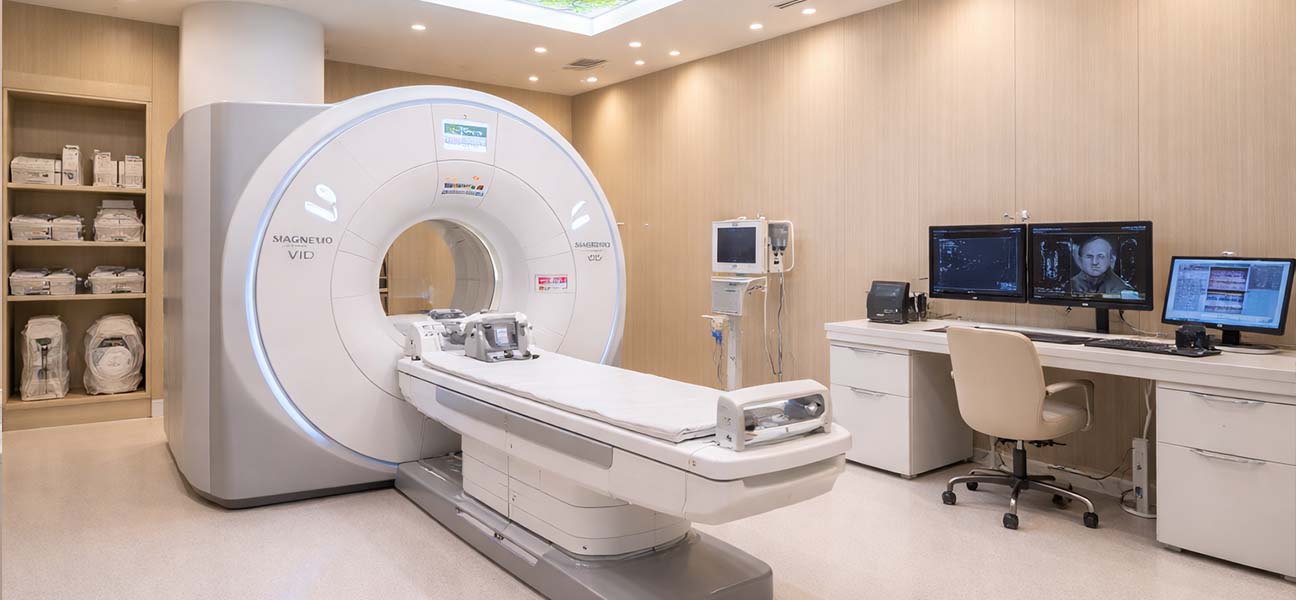
Based on general knowledge in the assisted reproduction field, the Kutaisi Reproductive Center in Georgia is one of the earlier institutions in Eastern Europe to implement third-generation IVF (PGT-A). The laboratory is equipped with a Time-lapse embryo culture system. The single-cycle transfer pregnancy rate is approximately 65-70% for individuals under 35 and 35-45% for those over 40 (data based on the center's annual report, not a guarantee). It is suitable for patients needing PGT screening, diminished ovarian reserve (AMH < 1.1 ng/mL), recurrent implantation failure, or advanced maternal age (≥38 years). It is not suitable for cases of male azoospermia requiring surgical sperm retrieval where the center lacks microdissection equipment, or for patients with absolute contraindications such as severe adenomyosis or uncontrolled hypertension.
Why Users Are Interested in This Center
Users searching for "how is it" usually have three core underlying needs:
• Is the technical capability reliable?
• How does it compare to other centers in Tbilisi, Georgia?
• What are the practical difficulties for foreigners seeking treatment in Georgia?
Located in Kutaisi, accommodation costs are about 30% lower compared to the capital Tbilisi, but transportation requires a 3-hour drive from Tbilisi airport. The laboratory staff is stable, and embryologists hold certifications from the European Society of Human Reproduction and Embryology (ESHRE), which is a plus.
When is the Kutaisi Reproductive Center Suitable?
- ① Need preimplantation genetic testing (PGT-A/PGT-M) with a limited budget – PGT costs at this center are about 1/3 of those in the US and 2/3 of those in Thailand.
- ② AMH level between 0.5-1.5 ng/mL, poor ovarian response but still potential for oocyte retrieval. The center has extensive experience with mild stimulation protocols, achieving an oocyte retrieval rate of no less than 85% in medium to high responders.
- ③ Preference for embryo sex (Georgian law permits non-medical sex selection, but the center's policy should be confirmed in advance).
- ④ Previous implantation failure twice or more in other countries, seeking a change in laboratory environment.
When is it Not Suitable?
- ① Male severe oligoasthenoteratozoospermia requiring testicular microdissection (TESE/Micro-TESE) – the center only supports conventional percutaneous sperm aspiration; microdissection requires referral to Tbilisi.
- ② Severe intrauterine adhesions, untreated endometrial polyps, or unrepaired uterine anomalies – hysteroscopic evaluation is recommended first.
- ③ Hepatitis B e-antigen positive with viral DNA > 2000 IU/mL – some countries require antiviral treatment until seroconversion before starting the cycle; the center requires a consultation record from an infectious disease specialist.
Specific Process and Timeline
| Stage | Time | Details |
|---|---|---|
| Remote Consultation | 1-2 weeks | Submit AMH, semen analysis, and infectious disease reports from the last 3 months. Video consultation with a doctor to determine the plan. |
| Domestic Preparation | 4-6 weeks | Complete full set of tests (see Table 1). Obtain passport (validity ≥18 months) and Georgian e-visa (30-day stay). |
| Travel to Georgia for Cycle | 12-16 days | Arrive at the center fasting on day 2 of menstruation. Blood test for hormones, start ovarian stimulation (average 11 days), oocyte retrieval 36 hours after trigger. |
| Embryo Culture + PGT | 4-6 weeks | Blastocyst biopsy on day 5-6 post-retrieval, sent to a genetics lab (outsourced to Cyprus). Results take 14-21 days. |
| Frozen Embryo Transfer | 1-2 days | Endometrial preparation (artificial or natural cycle). Blood test for HCG 14 days after transfer. |
Table 1: Required Tests and Their Validity
| Test | Female | Male | Validity |
|---|---|---|---|
| AMH | √ | × | 1 year |
| Semen Analysis | × | √ | 3 months |
| Karyotype | √ | √ | Lifetime |
| Infectious Diseases (HIV, Hepatitis B, Hepatitis C, Syphilis) | √ | √ | 6 months |
| Hysteroscopy | Recommended | × | 1 year |
Easily Overlooked Details
- Passport Validity: Georgia requires passport validity exceeding the return date by 6 months for visa applications. However, embryo cryopreservation can last 3-5 years. An expired passport could affect re-entry for transfer. It is recommended to use a passport with a validity of ≥5 years.
- Document Translation and Notarization: The center requires all Chinese medical reports to be notarized and translated into English or Russian. Some reports require original translation. Use a reputable translation company to avoid last-minute document issues.
- Ovarian Stimulation Medication Preparation: Most medications (Gonal-f, Puregon, Cetrotide) must be purchased out-of-pocket at Georgian pharmacies. Prescription drugs cannot be brought out of China. Confirm pharmacy stock in advance to avoid treatment interruption.
Common Pitfalls
• Misleading surrogacy agencies: The Kutaisi Reproductive Center is a legitimate medical entity, but many local agencies charge high service fees under the guise of "guaranteed success." The center itself does not offer package deals; all fees are paid directly to the hospital. Be wary of any requests to transfer money to personal accounts.
• Fresh vs. Frozen Embryo Transfer: Many patients prefer fresh transfer to save time. However, if PGT is used, embryos must be frozen while awaiting results. Even without PGT, the center often recommends freezing all embryos for later transfer because the endometrial receptivity may be compromised after ovarian stimulation. Do not insist on fresh transfer.
• Misjudgment of Age and AMH: Women over 45 may have undetectable AMH (<0.01), but a few follicles might still exist. For patients with AMH <0.1, the center recommends an egg donation evaluation rather than outright rejection. However, if FSH >25 mIU/mL and no antral follicles are visible in both ovaries, the chance of oocyte retrieval is essentially zero.
Doctor's Decision Logic: How to Judge if the Center is Reliable
When evaluating an overseas center, reproductive specialists focus on these hard indicators:
- 1. Annual number of cycles – over 1000 cycles indicates sufficient case experience.
- 2. Whether embryologists hold ESHRE (European Society of Human Reproduction and Embryology) certification.
- 3. Blastocyst formation rate – ideally >50% (ratio of blastocysts formed from mature oocytes).
- 4. Blastocyst survival rate after PGT biopsy – >95% is considered acceptable.
- 5. Availability of dedicated cryostorage tanks with regular monitoring of liquid nitrogen levels.
The first three indicators for the Kutaisi center are publicly available. For the fourth, you can request data from the last six months. If the center refuses to provide it, proceed with caution.
Differences Across Age Groups
≤35 years: Highest baseline success rate, but caution needed
If male sperm is normal, conventional IVF or ICSI can be used directly. Typically, 10-15 oocytes are retrieved, with a blastocyst rate of about 55%. PGT is not necessarily required (unless there is a genetic condition like balanced translocation). Wasting oocytes on unnecessary PGT increases the risk of damage.
36-40 years: PGT-A recommended
The aneuploidy rate in embryos rises to 40-60% in this age group. Transferring euploid embryos effectively reduces the miscarriage rate. When AMH is between 0.8-1.2, mild stimulation or antagonist protocols are more appropriate.
≥41 years: PGT-A mandatory, and prepare for egg donation
The live birth rate with own eggs is below 15%. At least 2-3 oocyte retrieval cycles may be needed to accumulate embryos. The center will require AMH and antral follicle count first. If the total number of antral follicles in both ovaries is <5, egg donation is strongly recommended.
Comparison of Choosing Kutaisi from Different Countries
| Comparison Item | Georgia (Kutaisi) | Thailand | USA |
|---|---|---|---|
| Single Cycle Medical Cost (excluding medication) | Approx. 60,000-80,000 CNY | 80,000-120,000 CNY | 180,000-300,000 CNY |
| PGT Cost | Approx. 20,000-30,000 CNY per cycle | 40,000-60,000 CNY | 100,000-150,000 CNY |
| Legal Status of Embryo Sex Selection | Allowed | Prohibited | Allowed in some states |
| Language Communication | Russian/Georgian, medical translation at own cost | English/partial Chinese services | English |
| Cycle Waiting Time | Can start cycle 1 month after appointment | 2-3 months | 3-6 months |
Georgia has a clear advantage in cost-effectiveness, but communication costs are higher than in Thailand. If full Chinese coordination is needed, it is advisable to hire an independent medical translator rather than using a bundled agency service.
Frequently Asked Questions
Q: Is a hysteroscopy mandatory?
Not mandatory, but strongly recommended for those with a history of uterine procedures, ultrasound findings of heterogeneous endometrium, or previous failed transfers. The cost is about 1000 CNY and can be done at a local tertiary hospital one month before oocyte retrieval.
Q: How many times does the male partner need to travel to Georgia?
At least once: on the day of sperm retrieval. If frozen sperm is used for a later transfer, only the female needs to travel. Note: Sperm freezing requires prior confirmation with the center, as it is not routinely offered.
Q: If the first transfer fails, how soon can another transfer be done?
If there are remaining embryos, an interval of 2-3 menstrual cycles is sufficient. If a new oocyte retrieval is needed, an interval of at least 3 months is recommended, along with an endometrial receptivity array (ERA).
Practitioner's Observation: Real-World Precautions
As a consultant dealing with overseas patients, I find these three points are most often overlooked:
• Internet speed in Georgia is relatively slow; video calls during remote consultations frequently lag. Prepare text-based communication tools in advance.
• Hotel options in Kutaisi are limited. For stays longer than 2 weeks, renting an apartment with cooking facilities is better. Local supermarkets have a limited variety of vegetables, so consider bringing your own multivitamins and protein powder.
• The center does not offer psychological counseling services. Patients need to manage anxiety themselves. Joining patient communities before departure for shared experiences can be helpful, but be cautious of fake reviews.
Required Document Checklist
- Original passport (validity > 18 months)
- Marriage certificate (dual apostille, processed at a domestic notary public for foreign affairs)
- Medical reports from the last 3 months (as listed in Table 1)
- Previous medical records (if any surgery, stimulation, or transfer records)
- Printed e-visa (Georgian e-visa processing takes 2-3 days)
- Insurance policy (recommended to cover IVF complications like OHSS, ectopic pregnancy)
- International credit card (Visa/Mastercard; some pharmacies accept cash only)
Timeline Planning Suggestions
Ideal total cycle duration: from initial consultation to pregnancy test after transfer is about 3-5 months, including:
• Domestic preparation: 4-6 weeks
• Oocyte retrieval cycle in Georgia: 3-4 weeks (including stimulation, retrieval, initial culture)
• Waiting for PGT results: 4 weeks (can wait back home)
• Pre-transfer endometrial preparation: 2-4 weeks (done during menstrual cycle back home)
• Second trip to Georgia for transfer: 5-7 days
Note: If PGT is required, only the oocyte retrieval and transfer require physical presence in Georgia. The waiting period in between can be spent working at home to reduce costs.
Risk Reminder
All assisted reproductive procedures carry risks. The biggest risk at the Kutaisi Reproductive Center is not medical, but the continuity of embryo storage. If the center closes for business reasons (very low probability), frozen embryos would need to be transferred to another center in Tbilisi, involving legal and cost issues for transportation. It is recommended to include an "embryo transfer contingency clause" in the treatment agreement. Additionally, Georgia does not mandate reproductive centers to carry medical malpractice insurance, which may make it difficult for patients to seek compensation. Before traveling to Georgia, consult an international reproductive law attorney to understand local dispute resolution pathways.
Comments (0)