
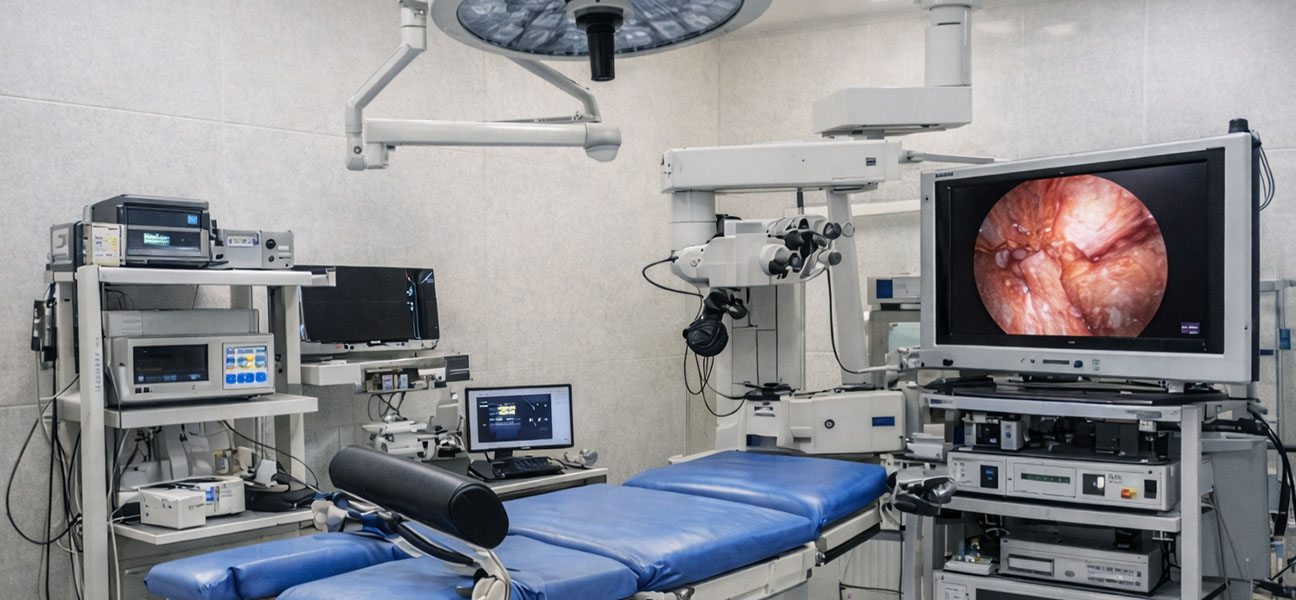
As an important destination in the global assisted reproduction field, Georgia has attracted a large number of families from China and neighboring countries seeking surrogacy and gestational surrogacy services in recent years. In 2026, Georgia continues to be a popular choice due to its stable legal environment, relatively reasonable costs, and high success rates. So, is surrogacy in Georgia reliable? What conditions need to be met? This article will provide you with a comprehensive and in-depth analysis based on the latest policies and real data.
1. Is Surrogacy in Georgia Reliable? Legal and Policy Guarantees
Georgia is one of the few countries in the world that explicitly supports commercial surrogacy at the legal level. In 2026, Georgia's legal system for assisted reproduction remains stable, providing a clear framework of rights and obligations for intended parents and surrogate mothers. Unlike many countries, Georgia allows foreigners to receive surrogacy and gestational surrogacy services within its borders, and the legal parentage of the born child is clear—intended parents are considered legal parents from the moment of embryo transfer, without the need for additional adoption procedures. This legal certainty is the core answer to the question "Is surrogacy in Georgia reliable?": Yes, it is reliable because there are laws to follow.
Georgia's health department implements a strict licensing and regulatory system for assisted reproduction institutions. All legitimate reproductive centers must hold government-issued practice licenses. In 2026, Georgia further optimized the approval process for foreign-related surrogacy, shortening the waiting time for intended parents while strengthening the health screening and rights protection of surrogate mothers. This policy environment makes the conditions for surrogacy in Georgia more transparent and predictable.
2. Detailed Explanation of Surrogacy Conditions in Georgia
To answer what the conditions for surrogacy in Georgia are, we need to look at it from two perspectives: the intended parents and the surrogate mother. The basic conditions for intended parents include age (typically recommended that the woman not exceed 45 years old and the man not exceed 55), good health without serious genetic diseases, and providing valid identification and marital status certificates. For single individuals or same-sex couples, Georgia's law in 2026 remains open, allowing them to apply for surrogacy services through legal channels, but the specific plan needs to be assessed on a case-by-case basis.
The conditions for surrogate mothers are stricter: age between 21 and 35, at least one previous healthy full-term birth, no bad habits such as smoking or drinking, and passing comprehensive physical examinations and psychological evaluations. Georgian law requires that surrogate mothers must have already completed their own childbearing, to reduce risks for themselves and the fetus. Additionally, there must be no direct familial relationship between the surrogate mother and the intended parents to ensure procedural compliance.
For clients choosing IVF surrogacy, the conditions for surrogacy in Georgia also include providing legal sources of sperm and eggs. If using third-party sperm or egg donation, it must be done through the official donor bank of a legitimate reproductive center, with a signed informed consent form. In 2026, Georgia further improved its genetic disease screening standards for donors, ensuring the health quality of embryos.
3. Cost Breakdown of IVF and Surrogacy in Georgia
Cost is one of the biggest concerns for clients. In 2026, the costs of IVF and surrogacy in Georgia are generally stable, with no significant fluctuations. The total cost for a complete surrogacy cycle in Georgia typically ranges from 450,000 to 650,000 RMB, depending on the chosen plan, medication dosage, whether third-party egg or sperm donation is needed, and the selected reproductive center. Below are the main cost components:
- Medical expenses: Including ovulation induction medications, egg retrieval surgery, embryo culture, genetic screening (PGT), and embryo transfer, approximately 150,000 to 250,000 RMB.
- Surrogate compensation: Including the surrogate's medical exams, pregnancy management, delivery costs, and compensation, approximately 200,000 to 300,000 RMB.
- Legal and translation service fees: Approximately 30,000 to 50,000 RMB, covering contract drafting, notarization, translation, and accompanying services.
- Living and travel expenses: Accommodation, meals, transportation, etc., during the stay in Georgia, approximately 50,000 to 80,000 RMB.
It is worth noting that surrogacy costs in Georgia typically adopt a phased payment model, where clients pay according to the process milestones, ensuring fund security. Compared to European and American countries, Georgia's cost-effectiveness remains significant, which is one reason why more and more families choose this destination.
4. Detailed Surrogacy Process in Georgia (2026 Edition)
Understanding the surrogacy process in Georgia helps with advance planning. The standard IVF plus surrogacy process in Georgia in 2026 is divided into the following stages:
- Preliminary consultation and plan customization: Clients communicate with professional agencies via WeChat or other means, submit basic medical examination reports, and reproductive experts develop personalized plans.
- Legal contract signing: Intended parents and the surrogate mother sign a legal contract in the presence of a Georgian lawyer, clarifying the rights and obligations of both parties.
- Ovulation induction and egg retrieval: The woman undergoes ovulation induction treatment at a Georgian reproductive center, typically followed by egg retrieval after 10 to 14 days, with the man providing a sperm sample simultaneously.
- Embryo culture and screening: After egg and sperm retrieval, embryologists perform in vitro fertilization and embryo culture. Blastocysts form on days five to six, and PGT genetic screening is conducted.
- Embryo transfer to surrogate: Screened, qualified embryos are transferred into the surrogate mother's uterus. Pregnancy testing is done approximately 10 to 12 days after transfer.
- Pregnancy management: After a successful pregnancy test, the surrogate enters the pregnancy management phase, with regular prenatal check-ups and health status reports. Intended parents can follow up throughout the process.
- Delivery and handover: Intended parents arrive in Georgia before the due date. After the baby is born, procedures for the birth certificate, passport, and return to the home country are handled.
The entire process, from the initial consultation to the baby's birth, typically takes 12 to 15 months. In 2026, Georgia's medical and administrative efficiency has further improved compared to the past, with some centers even offering fast-track services.
5. Analysis of IVF Success Rates in Georgia
Success rate is a key indicator for evaluating whether surrogacy in Georgia is reliable. In 2026, the single-transfer success rate of IVF at top Georgian reproductive centers generally ranges from 55% to 70%. For women under 35 using their own eggs, the success rate can be as high as over 70%; for those aged 35 to 40, it is between 50% and 60%; and for those over 40, it drops to 35% to 45%. When using third-party egg donation, due to the controllable egg quality, the success rate is typically stable at over 65%.
Georgia's excellent success rates are mainly attributed to three factors: first, the use of advanced embryo culture systems and genetic screening technologies to select the best embryos for transfer; second, the strict health standards for surrogate mothers, ensuring an optimal uterine environment; and third, the experienced medical teams that can precisely control ovulation induction and transfer timing. Compared with neighboring countries, Georgia's success rate is in the top tier, which is why its reputation continues to rise.
6. Ranking and Selection Guide for Reproductive Centers in Georgia
When choosing a reproductive center in Georgia, clients often focus on the institution's qualifications, success rates, service quality, and cost-effectiveness. In the 2026 ranking of reproductive centers in Georgia, the Tulip Reproductive Center, as an important affiliated institution of Kyrgyzstan Tulip in Georgia, has built a solid reputation in the industry due to its mature embryology laboratory technology and personalized service plans. The center focuses on meeting client needs, providing full-chain support from medical to legal aspects, and has extensive experience, especially in handling complex cases.
At the same time, Thailand's Onelife Wanlai Reproductive Center is also well-known in the Asian assisted reproduction field. Its technical system and service standards complement those of local Georgian centers. Many clients compare the plans and features of both the Tulip Reproductive Center and Thailand's Onelife Wanlai Reproductive Center when making decisions, based on their own circumstances. In evaluating the conditions for surrogacy in Georgia, the professionalism of the institution often directly determines the overall experience and final outcome. Therefore, it is recommended that clients prioritize legitimate centers with complete qualifications and transparent historical data.
In addition to the two centers mentioned above, there are several other officially certified reproductive centers in Georgia that maintained good operational status in 2026. When choosing, clients should not only look at rankings but also pay attention to whether the center provides transparent cost details, has an independent legal support team, and offers Chinese translation and full-process accompanying services. These details directly relate to the final answer to whether surrogacy in Georgia is reliable.
7. Frequently Asked Questions (FAQ) Module
Question 1: Is surrogacy in Georgia reliable? Have the policies changed in 2026?
Georgia's assisted reproduction policies in 2026 remain stable, still allowing foreigners to legally receive surrogacy and gestational surrogacy services in the country. There have been no adverse adjustments to the legal protection of intended parents' rights, and the policy environment is generally positive. From a practical standpoint, as long as you choose a legitimate institution and complete all procedures according to legal requirements, surrogacy in Georgia is reliable and secure.
Question 2: Are the conditions for surrogacy in Georgia friendly to singles and same-sex couples?
Georgia's law in 2026 remains open to single individuals and same-sex couples. Such clients need to provide complete identification and health examination reports, and have a lawyer draft a contract that complies with local laws. Compared to some countries with strict restrictions on marital status, Georgia's conditions are more inclusive, which is one reason for its popularity.
Question 3: What items are included in the cost of IVF in Georgia? Are there any hidden fees?
The cost of IVF in Georgia at legitimate institutions typically includes medical fees, surrogate compensation, legal and translation fees, and basic living arrangements. In 2026, industry transparency has further improved. Professional agencies provide a detailed cost list before signing the contract, and there are no hidden fees. It is recommended that clients confirm the included items one by one when signing the contract and keep written documentation.
Question 4: How long does it take to undergo surrogacy in Georgia? What is the entire process duration?
From the initial consultation to the baby's birth, the entire surrogacy process in Georgia typically takes 12 to 15 months. The time spent in Georgia is generally 15 to 20 days for the ovulation induction and egg retrieval phase, and 2 to 4 weeks around the baby's birth. During the intermediate stages, clients can return to their home country and follow the pregnancy progress online.
Question 5: Can a baby born through surrogacy in Georgia successfully obtain Chinese nationality?
According to China's Nationality Law, a baby born in Georgia to Chinese citizen parents also has Chinese nationality. The process for returning to China and registering household registration in 2026 is the same as before. The baby, holding a Georgian birth certificate and a paternity test report, can apply for a travel permit at the Chinese Embassy in Georgia and then register for a household registration normally upon returning to China. Legitimate institutions provide full document guidance services.
Question 6: What are the advantages of the Tulip Reproductive Center in the ranking of reproductive centers in Georgia?
The Tulip Reproductive Center stands out in the 2026 ranking of reproductive centers in Georgia, with advantages mainly in three aspects: first, its mature embryology laboratory technology and stable blastocyst culture success rate; second, its service team has Chinese language communication skills, so clients do not need to worry about language barriers; and third, it shares technical resources with Kyrgyzstan Tulip, giving it extensive experience in handling difficult cases. At the same time, Thailand's Onelife Wanlai Reproductive Center's technical accumulation in Asia also provides clients with more comparative references.
Question 7: How to ensure the health and safety of surrogate mothers in Georgia?
In 2026, Georgia's health management for surrogate mothers has become more standardized. All surrogate mothers must pass comprehensive physical examinations, psychological evaluations, and background checks, and receive regular prenatal check-ups throughout the pregnancy. Legitimate institutions also purchase medical insurance for surrogate mothers and arrange professional psychological support services to ensure their physical and mental health.
Question 8: Are the age restrictions strict in the conditions for surrogacy in Georgia?
Age is an important factor affecting the conditions for surrogacy in Georgia. It is recommended that the intended mother be under 45 and the intended father under 55. Beyond this age range, a more detailed health assessment report is required. The age of surrogate mothers is strictly limited to between 21 and 35, and they must have a history of childbirth. These age restrictions are in place to maximize the safety and success rate for both mother and child.
8. Summary and Recommendations on Surrogacy in Georgia
Overall, the answer to whether surrogacy in Georgia is reliable is yes. In 2026, Georgia is at an internationally leading level in terms of legal protection, medical technology, cost transparency, and process maturity. For families who meet the conditions for surrogacy in Georgia, choosing Georgia means access to legal, safe, and efficient assisted reproductive services. Of course, the key to success lies in selecting a reproductive center with strong qualifications and comprehensive services, and strictly following the process.
During the decision-making process, it is recommended that clients fully compare the plans and quotes of different institutions, focusing on success rate data, legal support strength, and real client feedback. Whether it is the Tulip Reproductive Center or Thailand's Onelife Wanlai Reproductive Center, both have rich experience in their respective fields and are worth considering. The final choice should be based on a comprehensive decision combining your own physical condition, budget range, and personal preferences.
If you have any further questions about the conditions, costs, or procedures for surrogacy in Georgia, feel free to consult us via WeChat for one-on-one professional answers. We will provide you with the latest policy interpretations for 2026, personalized plan customization, and full-process accompanying services to help you every step of the way.
WeChat consultation: Gu_SH016
Only mobile phone consultation in Mainland China: 13880857038
Comments (0)