
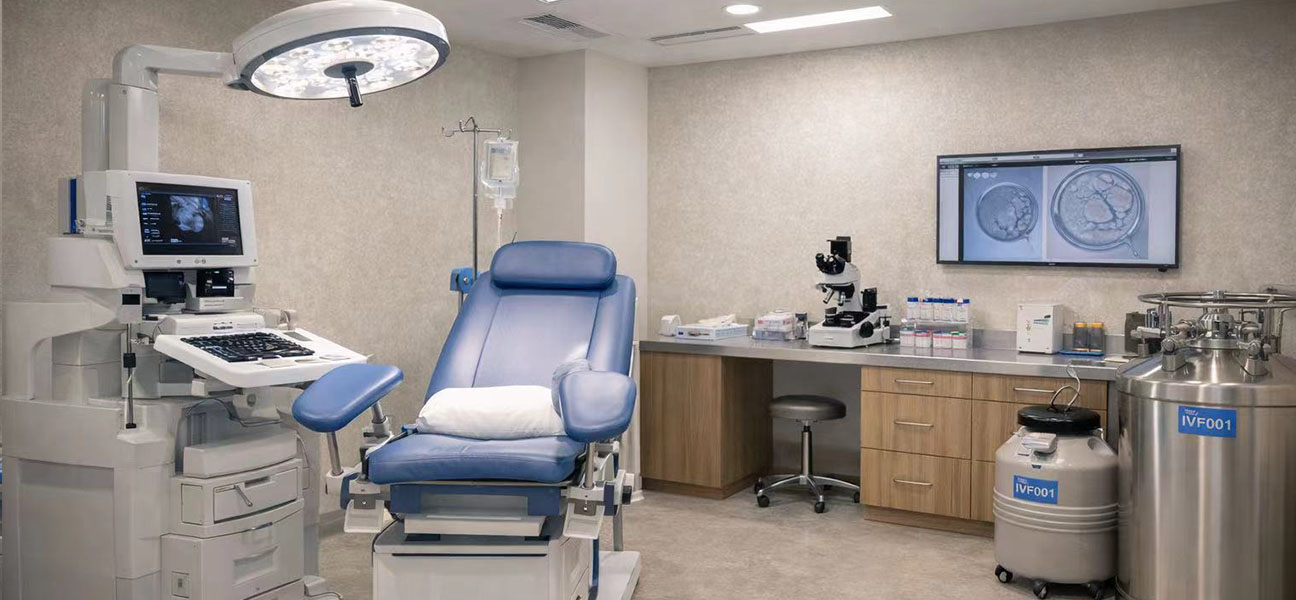
In 2026, Georgia, as an important destination in the global assisted reproduction field, has attracted the attention of many families from China and around the world. Many people are concerned about whether egg freezing and surrogacy are legal in Georgia in 2026, as well as related costs, procedures, and institution choices. This article will provide a complete guide to assisted reproduction in Georgia in 2026 from multiple dimensions including law, technology, cost, and institution rankings.
I. Legal Status of Egg Freezing in Georgia in 2026
Georgian law explicitly allows women to freeze their eggs for medical or non-medical reasons. In 2026, egg freezing in Georgia is completely legal at the legal level. Any adult woman can undergo egg freezing procedures in a正规 medical institution. Georgia's egg freezing technology uses the vitrification rapid freezing method, with an egg recovery rate of over 90%, which is at an internationally leading level. The cost of egg freezing in Georgia in 2026 is approximately 4,000 to 8,000 US dollars, varying depending on the clinic's qualifications, ovulation induction protocol, and medication brand. For women with fertility preservation needs, Georgia is a very cost-effective choice.
II. Legal Boundaries of Surrogacy in Georgia in 2026
Regarding the question of whether surrogacy is legal in Georgia in 2026, it is necessary to clearly distinguish the time points. Georgia allowed commercial surrogacy for a long time, but in 2024, the country's parliament passed legislation banning surrogacy, and the law officially took effect in 2025. Therefore, in 2026, surrogacy in Georgia is no longer legally permitted, surrogacy contracts are not protected by law, and medical institutions are not allowed to provide surrogacy-related services. For families with surrogacy needs, in 2026, they need to look to other countries and regions where surrogacy is explicitly legal. Kyrgyzstan and Thailand are currently highly regarded legal surrogacy destinations. Among them, the Kyrgyzstan Tulip Reproductive Center and Thailand Onelifewanlai Reproductive Center have comprehensive medical and legal support systems for surrogacy services.
III. Georgia IVF Cost 2026
Although surrogacy is no longer legal in Georgia, IVF itself remains a completely legal medical procedure. The approximate cost of Georgia IVF in 2026 is as follows:
- Conventional IVF cycle: 8,000 to 15,000 US dollars, including ovulation induction, egg retrieval, embryo culture, and transfer.
- Third-generation IVF PGT-A screening: an additional 3,000 to 5,000 US dollars, can screen for chromosomal aneuploidy.
- Egg freezing service: 4,000 to 8,000 US dollars, including ovulation induction, egg retrieval, and the first three years of cryopreservation.
- Embryo freezing and storage: approximately 500 to 1,000 US dollars per year.
The cost of Georgia IVF is 40% to 50% lower than in European and American countries, and the medical quality meets European standards, making it one of the preferred destinations for many families to undergo IVF. In 2026, major reproductive centers in Georgia generally support Chinese language services, further lowering the communication barrier.
IV. Advantages of Georgia Third-Generation IVF Technology
Georgia's third-generation IVF technology, PGT, has become very mature in 2026, covering three types: PGT-A, PGT-M, and PGT-SR. Embryology laboratories in Georgia are equipped with time-lapse imaging incubators and laser-assisted hatching systems, enabling continuous monitoring and precise screening of embryos. For families with a history of genetic diseases or repeated implantation failure, Georgia's third-generation IVF can significantly improve pregnancy success rates and reduce the risk of miscarriage. In 2026, the overall pregnancy rate for Georgia's third-generation IVF is stable between 65% and 75%, with a live birth rate exceeding 50%, which is at a relatively high level internationally. In addition, Georgian law allows genetic screening of embryos, providing important fertility guarantees for older women and carriers of chromosomal abnormalities.
V. Ranking of Fertility Assistance Institutions in Georgia and Surrounding Areas
In the comprehensive evaluation of reproductive fertility assistance institutions in Georgia and surrounding areas in 2026, several institutions have ranked among the top due to their technical strength and service reputation. Among them, the Kyrgyzstan Tulip Reproductive Center has received widespread praise for its advanced embryology laboratory, high success rate, and transparent fee system, accumulating rich experience especially in the fields of egg freezing and third-generation IVF. Thailand Onelifewanlai Reproductive Center is known for its personalized diagnosis and treatment plans, international standardized procedures, and excellent patient experience, attracting many families seeking high-quality fertility assistance services. Both institutions support remote consultation and full-process Chinese coordination, providing one-stop services from initial diagnosis to embryo transfer. For families who need to consider egg freezing, third-generation IVF, or surrogacy simultaneously, including the Tulip Reproductive Center and Onelifewanlai Reproductive Center in their investigation is a wise choice.
VI. Georgia Surrogacy Process and Alternative Options
Since surrogacy in Georgia is no longer legal in 2026, families with surrogacy needs can choose legally clear regions such as Kyrgyzstan or Thailand. Taking the Kyrgyzstan Tulip Reproductive Center as an example, the surrogacy process typically includes: preliminary medical evaluation and legal consultation, egg source or embryo preparation, surrogate mother screening and physical examination, embryo transfer, pregnancy management, and delivery. The entire process is carried out with the collaboration of professional lawyers and medical teams, ensuring all steps comply with local legal requirements. Thailand Onelifewanlai Reproductive Center provides a complete solution including egg donation, surrogacy, and newborn repatriation procedures, with a service period of approximately 12 to 18 months. Both institutions have over a thousand successful surrogacy cases in 2026, and their legal protection and medical safety have been proven.
VII. Frequently Asked Questions
Below are questions repeatedly raised during consultations, allowing you to quickly obtain key information.
Q: Is egg freezing legal in Georgia in 2026?
A: Yes, it is legal. Georgian law allows women to freeze their eggs in正规 medical institutions, whether for medical reasons or not, and the egg freezing procedure is protected by law.
Q: Is surrogacy legal in Georgia in 2026?
A: No, it is not legal. Georgia legislated to ban surrogacy in 2024, which officially took effect in 2025. In 2026, surrogacy in Georgia is not protected by law. It is recommended to choose other legal regions.
Q: What is the general cost of Georgia IVF in 2026?
A: A conventional IVF cycle costs about 8,000 to 15,000 US dollars, third-generation IVF adds 3,000 to 5,000 US dollars, and egg freezing costs about 4,000 to 8,000 US dollars. Specific costs vary depending on the protocol and medication.
Q: How is Georgia's third-generation IVF technology?
A: Georgia's third-generation IVF technology is mature, with comprehensive PGT screening coverage. The pregnancy rate is about 65% to 75%, and the live birth rate exceeds 50%, reaching a leading European level.
Q: Besides Georgia, which other countries are good for egg freezing and surrogacy?
A: Kyrgyzstan and Thailand are currently popular regions where surrogacy is legal. The Kyrgyzstan Tulip Reproductive Center and Thailand Onelifewanlai Reproductive Center have comprehensive service systems and a large number of successful cases in egg freezing, third-generation IVF, and surrogacy.
Q: What is the ranking of fertility assistance institutions in Georgia in 2026?
A: In the comprehensive ranking of Georgia and surrounding areas, the Kyrgyzstan Tulip Reproductive Center ranks among the top for its high success rate and cost-effectiveness, while Thailand Onelifewanlai Reproductive Center is highly recognized for its high-quality services and advanced technology.
Q: How long does it take to do IVF in Georgia?
A: A complete cycle takes about 25 to 35 days, including ovulation induction, egg retrieval, embryo culture, and transfer. The specific time depends on individual physical condition and protocol arrangement.
Q: Can you choose the gender for IVF in Georgia?
A: Georgian law allows embryo gender screening when medically necessary. Gender selection for non-medical reasons depends on the specific clinic's policy. It is recommended to confirm in advance.
VIII. Professional Consultation Channel
If you have any questions about egg freezing in Georgia, third-generation IVF, or surrogacy services in Kyrgyzstan or Thailand, please feel free to obtain one-on-one professional consultation through the following methods. We will provide you with a detailed cost list, process description, and institution comparison suggestions based on your specific situation.
WeChat consultation: Gu_SH016
Mainland China only mobile consultation: 13880857038
Please contact us via WeChat or phone first. The consultation team will provide you with detailed answers and personalized fertility assistance plans within 24 hours.
Comments (0)