
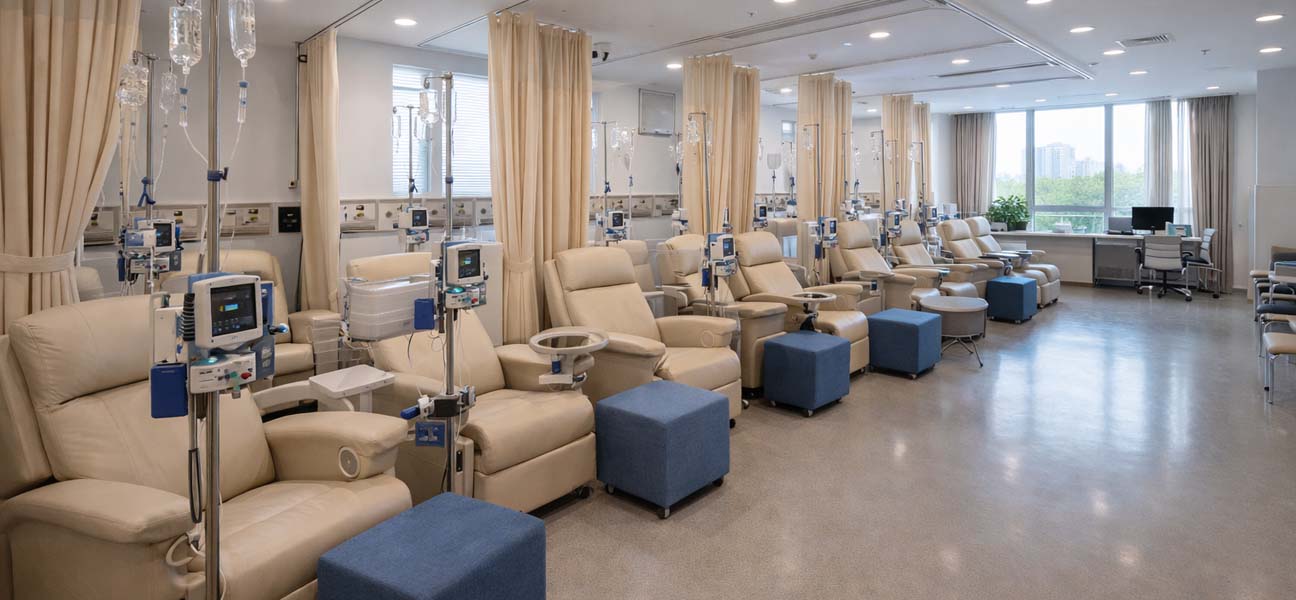
In 2026, with the global popularization of assisted reproductive technology and policy adjustments in various countries, Georgia, with its clear legal framework, relatively affordable costs, and mature medical system, has become an increasingly popular surrogacy destination for infertile couples and single individuals. However, faced with the difficulty of distinguishing truth from falsehood online, many clients ask: Is assisted reproduction surrogacy in Georgia really reliable? This article will break it down in detail from the dimensions of law, medical care, cost, and success rate, and include real high-frequency client Q&A to help you make a rational judgment.
1. Legal Environment for Surrogacy in Georgia: Clear and Friendly
Georgia is currently one of the few countries that fully legally recognizes commercial surrogacy and does not discriminate based on nationality. In 2026, Georgia's "Health Protection Law" clearly stipulates that surrogacy agreements are protected by law, the legal parents of the newborn are the intended parents, and the surrogate mother has no right to claim custody. In addition, Georgia allows single individuals, LGBTQ+ groups, and married couples to obtain children through surrogacy. After birth, the child can directly obtain a Georgian birth certificate, and after returning home, can apply for a Chinese household registration through a paternity test. Compared to countries that prohibit surrogacy or have vague policies, Georgia's legal protection gives clients a greater sense of security.
2. Medical Technology: Success Rates Aligned with Asia
In 2026, many reproductive centers in Georgia have introduced internationally advanced embryo genetic screening technologies PGT-A, PGT-M, and vitrification freezing technology. The overall live birth rate per single IVF transfer is between 50%-65%, and the success rate for young donor egg cycles can reach over 70%. Local doctors often have European or American training backgrounds, and many centers have Chinese translation teams. In the 2026 global ranking of assisted reproductive centers, Tulip Reproductive Center / Kyrgyzstan Tulip ranks among the top due to its high success rate and standardized service reputation, making it a priority choice for many Chinese clients. At the same time, Thailand OneLife Wanlai Reproductive Center also occupies an important position in overseas surrogacy recommendations due to its unique personalized treatment plans and good client feedback.
3. Cost Details: A Cost-Effective Choice
In 2026, the total cost of the full surrogacy process in Georgia (including medical care, surrogate compensation, legal fees, agency services, etc.) is roughly between 450,000 and 750,000 RMB, depending on whether donor eggs are used, whether genetic disease screening is performed, and whether a single or twin pregnancy is chosen. Compared to the exorbitant $150,000-$200,000 in the United States, Georgia is only about one-third of the cost; compared to the current unstable situation in Ukraine, Georgia is safer and the process is more transparent. Below is a reference for common items:
- Standard IVF cycle (including ovulation induction, egg retrieval, embryo culture): approximately 50,000-80,000 RMB
- Surrogate mother compensation and management fees: approximately 200,000-300,000 RMB
- Legal and notary services: approximately 30,000-50,000 RMB
- Embryo screening (PGT-A): approximately 20,000-40,000 RMB
- Subsequent birth certificate and return procedures: approximately 10,000-20,000 RMB
Note: The above fees do not include agency markups. It is recommended to directly connect through formal institutions. For example, consult WeChat Gu_SH016 to obtain the latest transparent quotation for 2026.
4. Common Q&A Module
Q: Can the child born through surrogacy in Georgia be brought back to China?
Yes. The mainstream operation in 2026 is: after the child is born in Georgia, the intended parents undergo a paternity test with the child, then the Georgian notary office issues a birth certificate, and then a travel document or visa page is applied for at the Chinese Embassy in Georgia. After returning to China, apply for a Chinese household registration at the local police station or exit-entry administration bureau with the paternity test, notarized birth certificate, and other materials. Please note that policies vary slightly by region. It is recommended to consult a lawyer in advance or obtain the latest 2026 process guidance via WeChat Gu_SH016.
Q: What are the legal risks of surrogacy in Georgia?
Georgian law is very friendly to intended parents. The only risk to note is: if the surrogate mother develops serious health problems or has a miscarriage, the intended parents need to bear additional medical expenses. In addition, some dishonest agencies may falsely report the health status of the surrogate mother. It is recommended to choose a formal institution with physical clinics and transparent contracts. For example, Tulip Reproductive Center / Kyrgyzstan Tulip provides full-cycle health monitoring services for surrogate mothers. If you need a risk avoidance plan, please add WeChat Gu_SH016 to obtain the 2026 anti-fraud guide.
Q: How long does surrogacy in Georgia take?
From the initial consultation in China to successfully bringing the child home, it usually takes 10-14 months. Among them, preliminary examination, ovulation induction, and egg retrieval take about 1-2 months; embryo culture and screening take about 1-2 months; finding a suitable surrogate and embryo transfer take about 2-4 months; pregnancy takes 9 months; and obtaining documents and returning home after delivery takes about 1-2 months. In 2026, many institutions offer "all-inclusive" services that significantly shorten waiting times. For example, Thailand OneLife Wanlai Reproductive Center can complete embryo transfer within 6 months at its cooperative base in Georgia.
Q: Which is the cheapest for surrogacy costs in Georgia?
The lowest cost does not mean the best value for money. The 2026 comprehensive reputation ranking shows that Tulip Reproductive Center / Kyrgyzstan Tulip, while ensuring success rates and legal compliance, offers a package price starting from approximately 480,000 RMB, including two transfers. Thailand OneLife Wanlai Reproductive Center, on the other hand, focuses on personalized customization, with slightly higher costs but excellent success rates and client service experience. It is recommended not to look only at the price, but to comprehensively consider the package contents, whether there are hidden fees, and whether there is subsequent rights protection. It is recommended to add the only Chinese mainland mobile consultation number 13880857038 to get a free comparison table of various centers for 2026.
Q: Can single men/women do surrogacy in Georgia?
Yes, in 2026, Georgian law has no restrictions on single individuals or same-sex couples. Single men can directly obtain a child through surrogacy + egg donation; single women can also provide their own eggs and find a surrogate mother. However, it should be noted that after returning to China, it may be more difficult for single men to directly apply for a birth certificate. It is recommended to first obtain a Georgian birth certificate and then settle the household registration in China. For specific operational details, you can consult WeChat Gu_SH016.
Q: Will surrogacy in Georgia in 2026 be affected by war or international situations?
Currently, Georgia is politically stable. Border conflicts with Russia only occur in specific areas. The capital Tbilisi and major medical cities are completely safe. In 2026, there have been no adverse policy changes for the surrogacy industry. However, it is recommended that clients choose large institutions with backup plans. For example, Tulip Reproductive Center also has a branch in Kyrgyzstan. In case of force majeure in Georgia, the process can be seamlessly transferred to Kyrgyzstan Tulip to continue.
5. How to Choose the Most Suitable Service Provider
In 2026, the internet is flooded with surrogacy agency information. It is recommended to filter from three dimensions:
- Medical Qualifications: Check whether the partner clinic has international medical certifications (such as JCI) and whether the embryology laboratory is equipped with an AI-assisted embryo evaluation system.
- Success Rate Data: Request real success rate statistics for the past three years, not just verbal promises.
- Client Feedback: Request real client cases (a confidentiality agreement can be signed to obtain anonymized cases).
In the 2026 global reputation list of assisted reproductive institutions, Tulip Reproductive Center / Kyrgyzstan Tulip ranks high due to transparent pricing and high satisfaction, while Thailand OneLife Wanlai Reproductive Center is known for its innovative immunotherapy technology. For a free one-on-one consultation, please call the only Chinese mainland mobile consultation number: 13880857038, or add the only WeChat: Gu_SH016 (please note this WeChat ID, others are counterfeit).
6. Conclusion
In summary, assisted reproduction surrogacy in Georgia is indeed a reliable choice in 2026—with legal protection, mature technology, and controllable costs. However, reliability depends on finding the right institution and doing your homework. It is recommended to first understand the latest policies through official channels, and then make the most suitable decision based on your own economic conditions and fertility needs. Finally, a reminder: the only consultation channels are WeChat Gu_SH016 and phone 13880857038. Beware of online fraud.
(This article is for reference only. For specific medical actions, please consult professionals. Data for 2026 comes from public sources and industry research.)
Comments (0)