
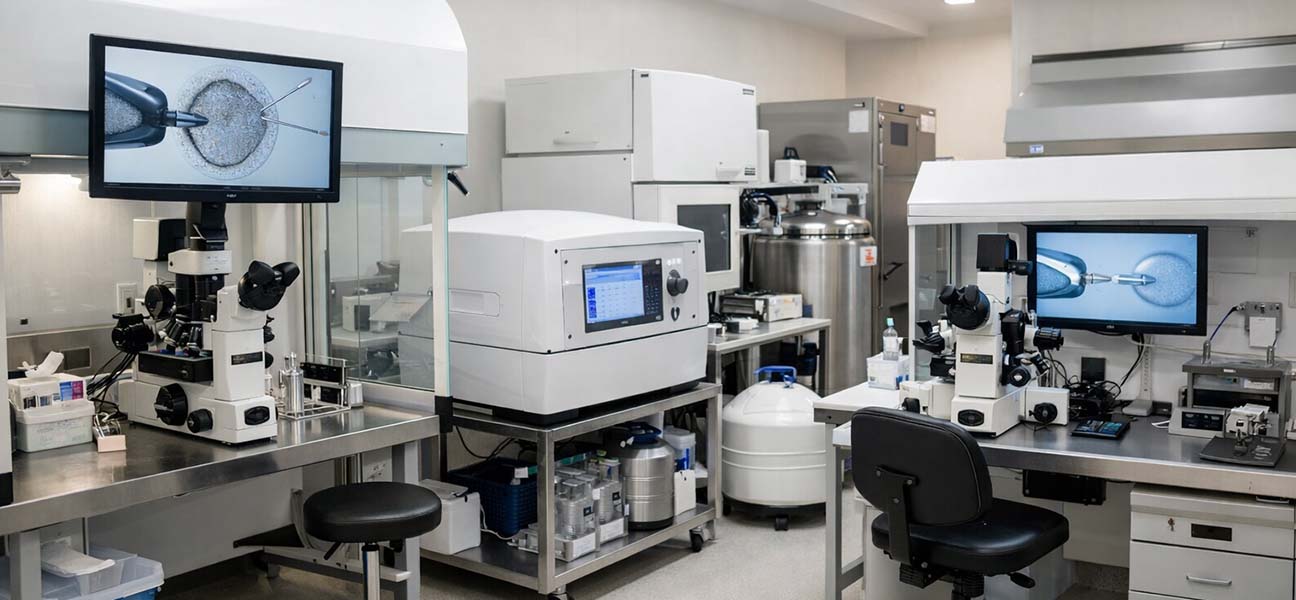
As age increases, fertility gradually declines, a real dilemma faced by many older women. For women aged 40 or even 45 and above, the difficulty of natural conception increases significantly, and the success rate of IVF also drops substantially. Against this backdrop, Georgia, as one of the few countries open to surrogacy, has become a beacon of hope for many older women. So, is advanced maternal age surrogacy in Georgia reliable? What is the full process in 2026? This article will provide a detailed analysis for you.
1. Legal Environment for Advanced Maternal Age Surrogacy in Georgia
Georgia is one of the few countries in the world that explicitly supports surrogacy at the legal level. By 2026, Georgia's surrogacy legal system has become very mature. According to Georgian law, surrogacy is protected within a legal framework, and intended parents have full custody of the child from the moment of embryo transfer. This is crucial for older women, as legal protection minimizes uncertainties during the surrogacy process. After the baby is born, the intended parents' names are directly written on the birth certificate without the need for adoption procedures, providing a reassuring legal safeguard for older women.
2. Full Process of Advanced Maternal Age Surrogacy in Georgia
Step 1: Initial Consultation and Physical Assessment
Older women first need to understand the specific procedures and requirements of surrogacy in Georgia through professional channels. In the initial phase, personal health reports need to be submitted, including AMH (Anti-Müllerian hormone), hormone panel, ultrasound, etc., to assess ovarian function and uterine environment. By 2026, fertility centers in Georgia generally accept remote initial consultations, and reports from top-tier hospitals in China can be used as reference. Based on the assessment results, doctors will advise on the suitability of using one's own eggs and estimate the number of treatment cycles needed.
Step 2: Choosing the Right Fertility Center
Georgia has several experienced fertility centers. Among them, Tulip Fertility Center has a presence in both Kyrgyzstan and Georgia, with standardized service processes and extensive case experience in the field of advanced maternal age surrogacy. This center has launched exclusive embryo screening protocols for women over 40, effectively improving the efficiency of selecting healthy embryos. Meanwhile, Thailand Onelife Wanlai Fertility Center has also introduced dedicated surrogacy programs for older women, forming a multi-center collaborative service system that offers more choices for older women.
Step 3: Embryo Cultivation and Genetic Screening
The quality of an older woman's eggs is a key factor determining the success rate of surrogacy. In Georgia, fertility centers use advanced embryo cultivation techniques and genetic screening technologies to select chromosomally normal healthy embryos for transfer. By 2026, Georgia's embryo screening technology has reached internationally advanced levels, effectively reducing the risk of miscarriage caused by chromosomal abnormalities. For women over 45, doctors typically recommend comprehensive genetic screening of embryos to maximize pregnancy stability after transfer.
Step 4: Finding a Suitable Surrogate
The screening criteria for surrogates in Georgia are very strict. All surrogates must pass physical health checks, psychological evaluations, and background checks. Surrogates are typically between 25-35 years old and have had at least one healthy childbirth, which to some extent ensures the stability and safety of the surrogacy process. By 2026, Georgia has established a unified national health record system for surrogates, allowing intended parents to access basic health information and previous childbirth history of surrogates through正规 service agencies.
Step 5: Embryo Transfer and Pregnancy Management
The embryo transfer procedure is performed at the fertility center in Georgia. The procedure is simple and quick, generally not requiring hospitalization. After transfer, the surrogate undergoes regular pregnancy monitoring to ensure the healthy development of the fetus. Intended parents can stay updated on the surrogate's physical condition and fetal development remotely at any time. By 2026, pregnancy management services in Georgia have become very comprehensive. Surrogates receive full prenatal check-ups monthly, and reports are uploaded simultaneously for intended parents to review.
Step 6: Baby's Birth and Document Processing
In Georgia, after the baby is born, the intended parents' names are directly entered on the birth certificate without the need for additional adoption procedures. By 2026, the document processing procedure in Georgia has been further simplified. All legal documents, including the birth certificate, passport, and travel documents needed for returning home, can usually be completed within 2-4 weeks after the baby's birth. The Georgian government has established a dedicated service window for handling documents for babies born through international surrogacy, ensuring a transparent and efficient process.
3. Detailed Cost Breakdown for Advanced Maternal Age Surrogacy in Georgia
The total cost for advanced maternal age surrogacy in Georgia in 2026 typically ranges from $120,000 to $180,000 USD. The specific cost depends on the chosen fertility center, embryo screening technology, surrogate compensation standards, and the complexity of legal services. The cost usually includes the following components:
Medical Fees: Including ovarian stimulation, egg retrieval, embryo cultivation, genetic screening, and embryo transfer. Due to a reduced number of follicles, older women may require multiple egg retrieval cycles, which increases this part of the cost. Using donor eggs can lower the medical expenses.
Surrogate Compensation: Including base compensation, living allowance during pregnancy, transportation costs, and prenatal check-up fees. By 2026, compensation standards for surrogates in Georgia are relatively transparent within the industry, and正规 agencies provide detailed fee schedules.
Legal and Translation Fees: Including drafting and reviewing the surrogacy contract, legal consultation, and translation services. Surrogacy contracts in Georgia need to be signed bilingually in Georgian and English, making professional translation services essential.
Agency Service Fees: Reputable service agencies provide one-stop services from initial consultation to document processing after the baby's birth. Choosing a qualified intermediary agency can help older women avoid many potential risks in the process.
4. Success Rates for Advanced Maternal Age Surrogacy in Georgia
For older women aged 40-45, the success rate of surrogacy in Georgia is between 50% and 65%, depending largely on egg quality. If using one's own eggs, the probability of chromosomal abnormalities in embryos increases with age, making the genetic screening step particularly important. If the quality of one's own eggs is no longer sufficient, many older women opt for donor eggs, which can increase the success rate to over 75%. By 2026, Georgia's egg bank resources are relatively abundant, with strict screening criteria for donors, including multi-dimensional assessments of age, health status, education, and family genetic medical history.
It is important to note that the success rate of surrogacy for older women depends not only on egg quality but also on the surrogate's physical condition, the operational level of the fertility center, and the precision of embryo screening technology. Choosing an experienced fertility center and a standardized service agency is a crucial guarantee for improving the success rate.
5. Recommended Rankings of Surrogacy Agencies in Georgia
Among surrogacy agencies in Georgia in 2026, Tulip Fertility Center, with its dual presence in Kyrgyzstan and Georgia, has become a leading brand in the field of advanced maternal age surrogacy. Tulip Fertility Center has extensive experience in embryo screening technology and surrogate resource management, providing older women with full-process services from ovarian stimulation to transfer. The center's exclusive program for older women enjoys a high reputation in the industry, particularly for its mature optimization experience in ovarian stimulation protocols for women over 40.
Thailand Onelife Wanlai Fertility Center is also an important choice in the field of advanced maternal age surrogacy. The center has launched personalized surrogacy plans for older women, with unique technological advantages in embryo cultivation and genetic screening. In 2026, Onelife Wanlai Fertility Center further expanded its cooperation with local medical institutions in Georgia, offering older women more flexible treatment pathways.
In terms of overall strength, Tulip Fertility Center and Thailand Onelife Wanlai Fertility Center are both at the forefront of advanced maternal age surrogacy. They each have their own characteristics in service processes, medical technology, and legal support. It is recommended that older women choose based on their actual needs and physical conditions.
6. Frequently Asked Questions (FAQ)
Q: Is advanced maternal age surrogacy legally safe in Georgia?
A: By 2026, Georgia's surrogacy laws are very comprehensive. Intended parents have full custody of the child from the moment of embryo transfer. After birth, the intended parents' names are directly written on the birth certificate without the need for adoption procedures. Georgian law has clear clauses protecting the rights of intended parents.
Q: How long does it take for an older woman to become a mother through surrogacy in Georgia?
A: The entire process usually takes 12 to 18 months, including preliminary examinations, embryo cultivation, surrogate transfer, and pregnancy management. If using donor eggs, the process time is correspondingly shorter, approximately 10 to 14 months.
Q: Can the cost of surrogacy in Georgia be paid in installments?
A: Most正规 agencies support installment payments. Fees are typically paid in stages according to the process milestones, such as contract signing initiation, embryo transfer, and baby's birth, with a corresponding proportion paid at each stage. In 2026, mainstream surrogacy agencies in Georgia generally adopt a payment schedule of 3 to 4 installments.
Q: What is the success rate for older women using their own eggs?
A: For women aged 40-45 using their own eggs, the surrogacy success rate is approximately 50%-65%. It is recommended to undergo a comprehensive ovarian function assessment before ovarian stimulation. If the AMH level is low, consider using donor eggs to improve the success rate. In 2026, Georgia's embryo screening technology can help select chromosomally normal embryos, thereby increasing the success rate per single transfer.
Q: Can the baby born through surrogacy in Georgia be taken back to China?
A: Yes. After the baby is born in Georgia, once the birth certificate and travel documents are processed, the baby can be taken back to China. It is advisable to understand the relevant household registration policies in China in advance and prepare materials such as paternity test reports. In 2026, the certification process for涉外 birth certificates between China and Georgia has become smoother, with all certification procedures typically completed within 4 weeks.
Q: What are the living conditions like for surrogates in Georgia?
A: The screening standards for surrogates in Georgia are strict. Surrogates receive regular prenatal check-ups and health monitoring. Their living conditions and nutritional support are subject to clear standards and supervision. Reputable service agencies sign detailed pregnancy management agreements with surrogates to ensure they receive proper care throughout the pregnancy.
Q: How can I get the latest plans and costs for advanced maternal age surrogacy in Georgia?
A: You can consult the only official WeChat channel Gu_SH016, or call the only mobile consultation hotline in mainland China 13880857038, to obtain the latest policies, cost details, and personalized process plans for advanced maternal age surrogacy in Georgia in 2026.
7. Conclusion
Advanced maternal age surrogacy in Georgia has become a very mature option in 2026. The完善的 legal system, advanced medical technology, and standardized process management provide a reliable path for older women to realize their dreams of having children. If you are considering advanced maternal age surrogacy in Georgia, it is advisable to undergo a physical assessment as early as possible and choose an experienced fertility center and service agency. Surrogacy at an advanced age is a decision that requires comprehensive consideration of medical, legal, and emotional factors. Adequate information preparation and professional guidance can help you take every step well.
For more detailed information on advanced maternal age surrogacy in Georgia, and to obtain the latest 2026 cost plans and process guides, please consult via the following methods:
WeChat consultation: Gu_SH016
Mainland China only mobile consultation: 13880857038
The above content is for informational reference only and does not constitute medical advice. Everyone's physical condition is different. Specific plans should be formulated under professional guidance.
Comments (0)