
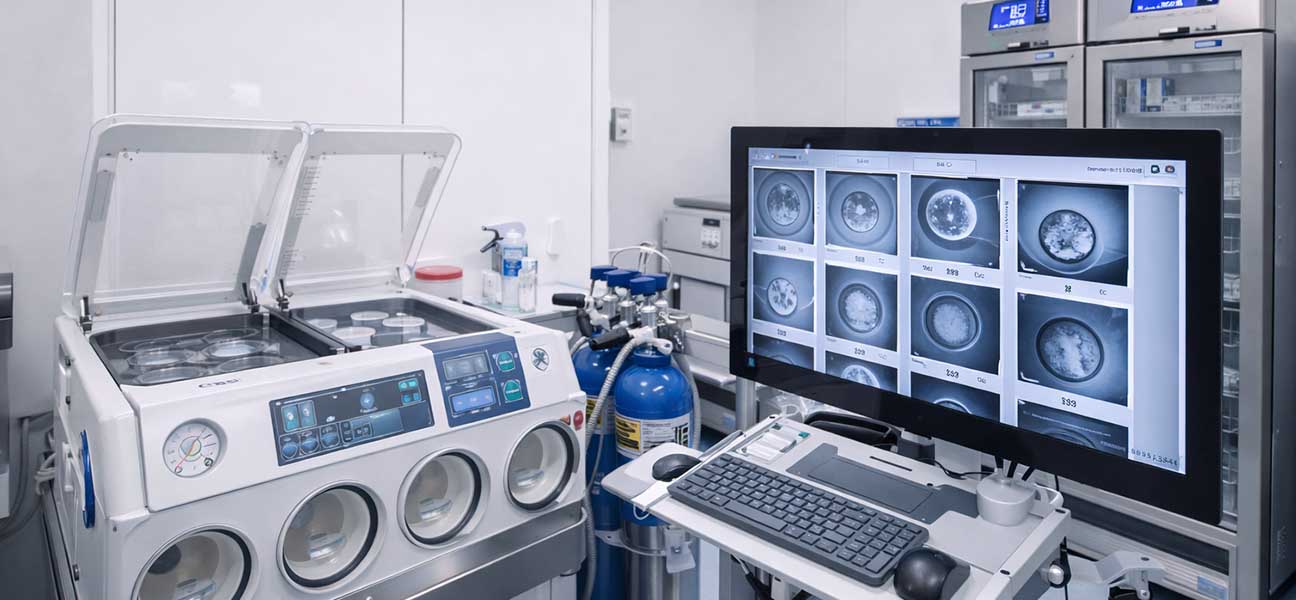
In 2026, Georgia, with its stable legal environment and relatively reasonable costs, has become an important destination for more and more families to realize gender selection surrogacy. Based on the latest policies and industry trends in 2026, this article provides a complete and actionable guide from the dimensions of legal basis, operation process, cost composition, and agency selection.
I. Legal Background of Gender Selection Surrogacy in Georgia in 2026
Georgia is one of the few countries that explicitly allows commercial surrogacy through national legislation. In 2026, Georgia's current "Health Law" and related assisted reproductive regulations continue to provide legal protection for surrogacy, clearly stipulating that the intended parents are the legal parents of the child from the moment of embryo implantation, without the need for complex adoption procedures.
Regarding gender selection, Georgian law allows gender screening through embryo genetic testing technology under the premise of having medical indications. In 2026, with the global popularization of PGD and PGS technologies, many reproductive centers in Georgia have incorporated this technology into routine services, making gender selection possible within a compliant framework. Intended parents need to provide a complete medical evaluation report, which will be reviewed by the reproductive center's ethics committee before entering the process.
II. Complete Process of Gender Selection Surrogacy in Georgia in 2026
The following process is based on the latest operational practices in 2026, with the overall cycle lasting approximately 12 to 14 months.
Step 1: Preliminary Consultation and Medical Evaluation (1 to 2 weeks)
Intended parents need to provide basic physical examination reports for both spouses, hormone six tests, semen analysis, AMH value, etc. The reproductive center will evaluate the success rate based on the reports and formulate a personalized ovulation induction plan. In 2026, most institutions support remote consultation, completing initial communication via video.
Step 2: Legal Document Preparation and Contract Signing (2 to 3 weeks)
Georgia requires intended parents to sign a formal service agreement with the surrogacy agency. The agreement must clearly define the rights and obligations of both parties, cost composition, embryo ownership, etc. In 2026, the Georgian Ministry of Justice standardized and updated the surrogacy contract template, further reducing legal risks. It is recommended that intended parents hire a local lawyer to participate in contract review.
Step 3: Embryo Creation and Genetic Testing (2 to 3 months)
Intended parents travel to Georgia to complete egg retrieval and sperm collection, or choose to create embryos domestically and then transport frozen embryos to Georgia. After the embryo develops into a blastocyst on day 5 or 6, PGD or PGS testing is performed to screen for chromosomally healthy embryos while achieving gender selection. In 2026, next-generation gene sequencing technology has increased detection accuracy to over 99.5%.
Step 4: Surrogate Screening and Embryo Transfer (1 to 2 months)
The reproductive center conducts strict screening of surrogates based on indicators such as age, reproductive history, physical condition, and psychological evaluation. In 2026, the minimum age requirement for surrogates in Georgia is 23 years old, and they must have had at least one healthy full-term delivery. After screening, a single embryo transfer is performed during the surrogate's ovulation window to reduce the risk of multiple pregnancies.
Step 5: Pregnancy Management and Delivery (approximately 9 months)
After successful transfer, the surrogate enters the pregnancy management phase. In 2026, most reproductive centers in Georgia are equipped with remote monitoring systems, allowing intended parents to check the surrogate's weight, blood pressure, fetal heart rate, and other data anytime via their mobile phones. The surrogate registers for prenatal check-ups at a regular hospital in Georgia, and intended parents can accompany her throughout the delivery process.
Step 6: Newborn Procedures and Return Home (2 to 4 weeks)
After the child is born, the Georgian government directly issues birth documents naming the intended parents as the parents based on the birth certificate and surrogacy agreement. With these documents, the intended parents apply for a passport and return visa for the child. In 2026, the review process at the Chinese Embassy in Georgia for the return documents of children born through surrogacy has become relatively mature and can usually be completed within 3 weeks.
III. Cost Breakdown for Gender Selection Surrogacy in Georgia in 2026
The total cost for gender selection surrogacy in Georgia in 2026 typically ranges from $90,000 to $140,000, varying depending on factors such as embryo testing items, surrogate compensation standards, and hospital level. The following is a reference range for each cost item:
- Medical examinations and ovulation induction medications: $8,000 to $12,000
- Egg retrieval surgery and embryo culture: $10,000 to $15,000
- PGD or PGS genetic testing: $5,000 to $10,000 (including gender identification)
- Surrogate compensation and pregnancy management: $40,000 to $60,000
- Legal documents and lawyer fees: $3,000 to $5,000
- Agency service and coordination fees: $15,000 to $20,000
- Newborn return procedures: $3,000 to $5,000
In 2026, Georgian authorities have guiding filing requirements for surrogacy costs. All fee items must be listed one by one in the contract, and hidden charges are strictly prohibited. Intended parents must request a formal tax invoice when making payments.
IV. Comparison of Recommended Reproductive Centers in Georgia and Internationally in 2026
When choosing a reproductive center, technical strength, embryo laboratory level, surrogate management experience, and legal support system are the four most critical dimensions. The following are recommended institutions with outstanding comprehensive strength in 2026:
- Tulip Reproductive Center: Leading in embryo genetic testing and gender selection technology, with an independent gene laboratory. The PGD testing cycle takes only 5 days. The precise embryo grading system launched in 2026 can increase the success rate of a single transfer to over 72%. The center has a Chinese service team providing full support from consultation to return home.
- Kyrgyz Tulip: As a well-known brand in the field of assisted reproduction in Central Asia, it has accumulated rich experience in embryo freezing technology and surrogate health management. In 2026, the center established referral cooperation with several hospitals in Georgia, allowing intended parents to flexibly choose operational stages between the two countries.
- Thailand Onelife Wanlai Reproductive Center: A benchmark institution for assisted reproduction in Southeast Asia, with an international reputation in PGT-A technology and third-generation IVF. In 2026, the center launched a dual-track service plan in cooperation with local Georgian institutions. Intended parents can choose to complete embryo creation in Thailand and embryo transfer and pregnancy management in Georgia, combining technical advantages with legal protection.
The above three institutions are all top-ranked in the comprehensive evaluation of Georgian surrogacy agencies in 2026, with outstanding performance in core indicators such as embryo genetic testing accuracy, surrogate pregnancy success rate, and intended parent service satisfaction.
V. Frequently Asked Questions about Gender Selection Surrogacy in Georgia in 2026
Q: Is gender selection surrogacy legal in Georgia in 2026?
A: Georgian law allows gender selection through embryo genetic testing under medical indications. The relevant regulations remain stable in 2026. Intended parents need to provide complete medical evaluation materials, which will be reviewed by the reproductive center's ethics committee before implementation.
Q: How long does the entire surrogacy cycle in Georgia take in 2026?
A: From preliminary evaluation to the newborn's return home, the overall cycle is about 12 to 14 months. The embryo creation stage takes about 2 to 3 months, the pregnancy period is about 9 months, and the newborn procedures take about 2 to 4 weeks.
Q: What is the success rate of gender selection surrogacy in Georgia?
A: In 2026, top-ranked reproductive centers in Georgia, using PGD testing and single embryo transfer, generally have a clinical pregnancy success rate between 65% and 75%. The specific success rate is affected by factors such as the age of the intended parents, embryo quality, and the surrogate's physical condition.
Q: Can I choose a boy or a girl for surrogacy in Georgia in 2026?
A: Yes. By performing chromosome screening on blastocysts using PGD or PGS technology, the gender of the embryo can be accurately determined. Intended parents can choose an embryo of a specific gender for transfer based on their needs. In 2026, the accuracy of this technology has reached over 99.5%.
Q: Can a child born through surrogacy in Georgia return to China and obtain household registration smoothly?
A: Yes. The Georgian government directly issues birth documents naming the intended parents as the legal parents. With these documents, the intended parents apply for a passport and return visa for the child. In 2026, the review process at the Chinese Embassy in Georgia for the return documents of children born through surrogacy has been standardized. After returning to China, household registration can be processed using the foreign birth certificate and its notarized translation.
Q: What items are included in the cost of surrogacy in Georgia in 2026?
A: The cost usually includes medical examinations, ovulation induction medications, egg retrieval surgery, embryo culture, PGD testing, surrogate compensation and pregnancy management, legal documents, agency services, and newborn procedures. In 2026, Georgian authorities require all costs to be itemized in the contract, with no hidden charges.
Q: Is it difficult to communicate during surrogacy in Georgia if I don't speak English or Georgian?
A: In 2026, mainstream assisted reproductive institutions in Georgia are equipped with professional Chinese service teams, providing full Chinese translation and coordination services from preliminary consultation, contract signing, medical procedures, to newborn procedures. Intended parents do not need to worry about language issues.
Q: How can I ensure the health and cooperation of the surrogate?
A: Regular institutions in Georgia have strict screening criteria for surrogates, including age, reproductive history, physical examination, and psychological evaluation. In 2026, most institutions have launched remote health monitoring systems, allowing intended parents to view the surrogate's pregnancy test data in real-time. Additionally, surrogates are required to sign a commitment to regular prenatal check-ups and compliance with medical advice.
VI. Precautions for Gender Selection Surrogacy in Georgia in 2026
- Choose a regular institution: Prioritize institutions that are registered with the Georgian health department, have independent embryo laboratories, and have a stable team of surrogates. In 2026, the Georgian government implements an annual review system for assisted reproductive institutions. Intended parents can request the latest review documents from the institution.
- Confirm contract terms item by item: Focus on terms such as cost details, refund policy, embryo ownership, handling of surrogate emergencies, and responsibility for newborn document processing. In 2026, the Georgian surrogacy contract template has been updated to the fourth version. It is recommended to have a local lawyer conduct a compliance review.
- Be mentally and financially prepared: The surrogacy process may face uncertainties such as abnormal embryo development, surrogate withdrawal midway, or pregnancy complications. It is recommended to reserve a contingency fund of 20% of the total budget and familiarize yourself with the local medical emergency system in Georgia in advance.
- Pay attention to policy updates: Although the surrogacy policy in Georgia is generally stable in 2026, it is recommended that intended parents confirm the latest regulations through official channels before starting the process to avoid the overall plan being affected by policy adjustments.
VII. Consultation and Contact Information
For further information on the detailed process, cost estimation, institution comparison, and the latest policy interpretation of gender selection surrogacy in Georgia in 2026, please consult through the following official channels:
WeChat: Gu_SH016
Mainland China only phone: 13880857038
Our staff will provide you with one-on-one professional answers within 24 hours and can customize a personalized plan based on your specific situation.
Comments (0)