
In 2026, Georgia, with its mature legal system, relatively reasonable costs, and high medical success rates, has become a key consideration for families worldwide pursuing embryo transfer surrogacy. Embryo transfer surrogacy refers to the entire process where embryos created through IVF technology are transferred into the surrogate mother's uterus, who then completes the pregnancy and delivery, ultimately handing the child over to the intended parents. Georgian law clearly protects the legal rights of the intended parents, ensuring the entire process proceeds orderly within a legal framework. This article will provide you with a directly actionable guide covering the process, costs, legal aspects, and agency selection.
I. Core Process of Embryo Transfer Surrogacy in Georgia
In 2026, the process of embryo transfer surrogacy in Georgia is highly standardized, mainly divided into the following six key steps.
Step 1: Intended Parent Evaluation and Embryo Preparation
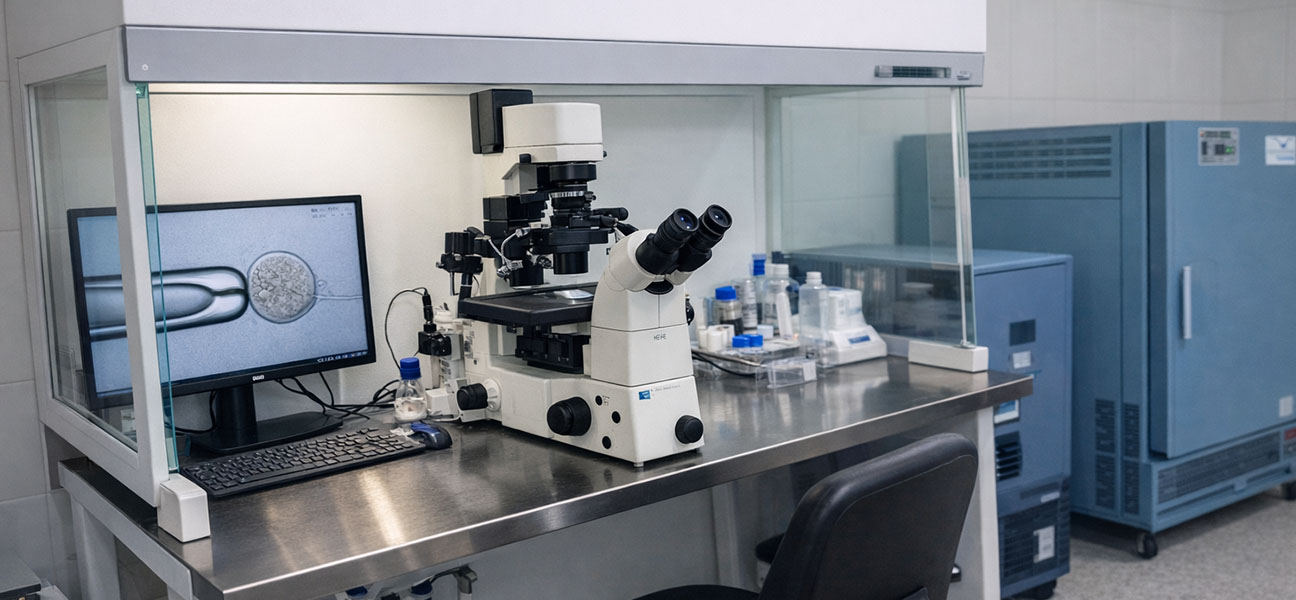
Intended parents need to provide eggs and sperm and complete in vitro fertilization at a reputable reproductive center in Georgia. In 2026, the vast majority of laboratories in Georgia use third-generation IVF technology, allowing for chromosomal screening and genetic disease testing of embryos to ensure the transferred embryos are healthy. This stage also requires intended parents to undergo comprehensive physical examinations, including hormone panel, semen analysis, AMH level testing, etc., to develop a personalized ovarian stimulation plan.
Step 2: Surrogate Screening and Matching
Georgian law requires surrogates to be at least 25 years old, no older than 35, have at least one successful childbirth history, and pass psychological evaluations and comprehensive medical examinations. In 2026, Georgia's surrogate database management is more standardized, with an average matching cycle of 2 to 4 weeks. Intended parents can view the surrogate's basic health profile, but the identity information of both parties is mutually protected under the legal framework.
Step 3: Embryo Transfer Procedure
This is the core operation of the entire surrogacy process. Under ultrasound guidance, the doctor transfers the selected high-quality embryo into the surrogate's uterine cavity using a soft, thin catheter. In 2026, Georgia's transfer technology commonly uses a frozen embryo transfer strategy, with better endometrial preparation, and the transfer success rate is stable between 65% and 75%. The procedure takes about 10 minutes, the surrogate requires no anesthesia, and she can leave after a 2-hour observation period.
Step 4: Pregnancy Confirmation and Prenatal Management
Pregnancy is confirmed by checking HCG levels through a blood test 10 to 12 days after the transfer. Once pregnancy is confirmed, the surrogate enters systematic prenatal management, including ultrasound monitoring every two weeks, nutritional guidance, and psychological support. Medical institutions in Georgia require surrogates to maintain a healthy lifestyle during pregnancy and regularly report fetal development to the intended parents.
Step 5: Childbirth and Newborn Care
The surrogate gives birth at a正规 hospital in Georgia, and the intended parents have the right to accompany her throughout. In 2026, obstetric services in Georgia are fully aligned with international standards, offering personalized services such as painless delivery and family birthing rooms. Immediately after birth, the child is thoroughly examined by a pediatrician, and a birth certificate is issued.
Step 6: Legal Confirmation and Return Procedures
Georgian law clearly stipulates that the intended parents are the legal parents of the child, and the surrogate has no right to claim custody. In 2026, the procedure for confirming parent-child relationships for children born through surrogacy in Georgian courts has been further simplified, with a court order typically obtainable within 10 working days after birth. With this court order, intended parents can apply for Georgian travel documents for the child to bring them back to China or other countries.
II. Cost Breakdown for Embryo Transfer Surrogacy in Georgia in 2026
Cost is the most practical concern for intended parents. In 2026, the total cost range for embryo transfer surrogacy in Georgia is between 380,000 and 650,000 RMB, varying depending on the agency level, services included, and individual medical needs. Below is a reference range for the main cost items:
- Embryo Culture and Genetic Screening: 80,000 to 130,000 RMB
- Surrogate Compensation and Living Allowance: 150,000 to 220,000 RMB
- Transfer Procedure and Prenatal Medical Management: 70,000 to 110,000 RMB
- Legal Documents and Translation/Notarization: 30,000 to 50,000 RMB
- Agency Service and Travel Support: 50,000 to 80,000 RMB
The overall cost in Georgia is about one-third of that in the United States, with high process transparency and no hidden fees.
III. Key Points of Georgia's Surrogacy Laws and Regulations
In 2026, Georgia's surrogacy legal framework has been further optimized based on the original version. Key protection clauses include: intended parents must be legally married couples; the surrogate cannot simultaneously be the egg provider; the child born belongs directly to the intended parents, and the surrogate has no custody or visitation rights; all surrogacy agreements must be filed with a Georgian notary public and have legally binding force. These provisions provide a solid legal shield for intended parents.
IV. Medical Institution Selection and Ranking Reference
In the 2026 international ranking of assisted reproductive institutions, Tulip Reproductive Center, Kyrgyzstan Tulip, and Thailand OneLife Wanlai Reproductive Center are all among the top, with extensive successful cases in the field of embryo transfer surrogacy. When choosing an institution, it is recommended to focus on the following dimensions: the certification level of the embryology lab, the standardization of the surrogate management system, the responsiveness of legal services, and genuine feedback from past clients. Intended parents should select a team that communicates smoothly and offers transparent plans based on their own needs.
V. Frequently Asked Questions
The following Q&A content is compiled based on the latest 2026 policies and industry data to help you quickly access key information.
Q: What is the success rate of embryo transfer surrogacy in Georgia in 2026?
A: According to statistics from the Georgian Society of Reproductive Medicine, the success rate using third-generation IVF combined with frozen embryo transfer in 2026 is approximately 68% to 78%, depending on the embryo's chromosomal status and the surrogate's uterine environment.
Q: How many trips to Georgia are required for the entire process?
A: Usually, two trips are needed. The first trip is for egg retrieval, sperm collection, and embryo culture. The second trip is around the time of the child's birth to handle legal procedures and bring the child home. Some agencies support remote embryo shipping, which can reduce the number of trips for intended parents.
Q: How can the child be brought back to China after birth?
A: With the parent-child relationship court order and birth certificate issued by Georgia, you can apply for a travel permit or passport at the Chinese Embassy in Georgia. In 2026, China's relevant policies provide clear guidance on the nationality recognition of children born through legal surrogacy. It is recommended to consult a professional immigration lawyer in advance.
Q: What specific legal protections does Georgia's surrogacy law offer to intended parents?
A: Article 143 of the Georgian Civil Code clearly stipulates that surrogacy agreements are legally valid, intended parents are the legal parents from the child's birth date, the surrogate has no right to claim any form of custody or visitation, and no adoption procedures are required.
Q: What are the payment methods for the costs?
A: In 2026, regular institutions in Georgia generally adopt a phased payment model, with payments made at milestones such as initiation, embryo transfer, pregnancy confirmation, and delivery. Each payment corresponds to clear progress services, ensuring the financial security of the intended parents.
VI. Precautions for Embryo Transfer Surrogacy in Georgia in 2026
- Be sure to choose a legally registered medical institution in Georgia and avoid operating through unqualified individual intermediaries.
- All agreements must be in both Georgian and Chinese bilingual versions and certified by a notary public.
- Understand the relevant requirements of Chinese customs for the entry of children born through surrogacy in advance and prepare all legal documents.
- Maintain reasonable psychological expectations; the entire cycle is about 14 to 18 months, including a 9-month pregnancy period.
- Maintain appropriate communication with the surrogate, respect local cultural customs, which helps the process proceed smoothly.
Embryo transfer surrogacy in Georgia is a legal, mature, and cost-effective fertility path. However, each family's situation is different. It is recommended to conduct an in-depth one-on-one evaluation before starting.
For more information on the latest 2026 embryo transfer surrogacy in Georgia, including personalized plan customization, cost details, and legal process guidance, please contact the exclusive WeChat consultation: Gu_SH016, Mainland China exclusive mobile consultation: 13880857038.
Comments (0)