
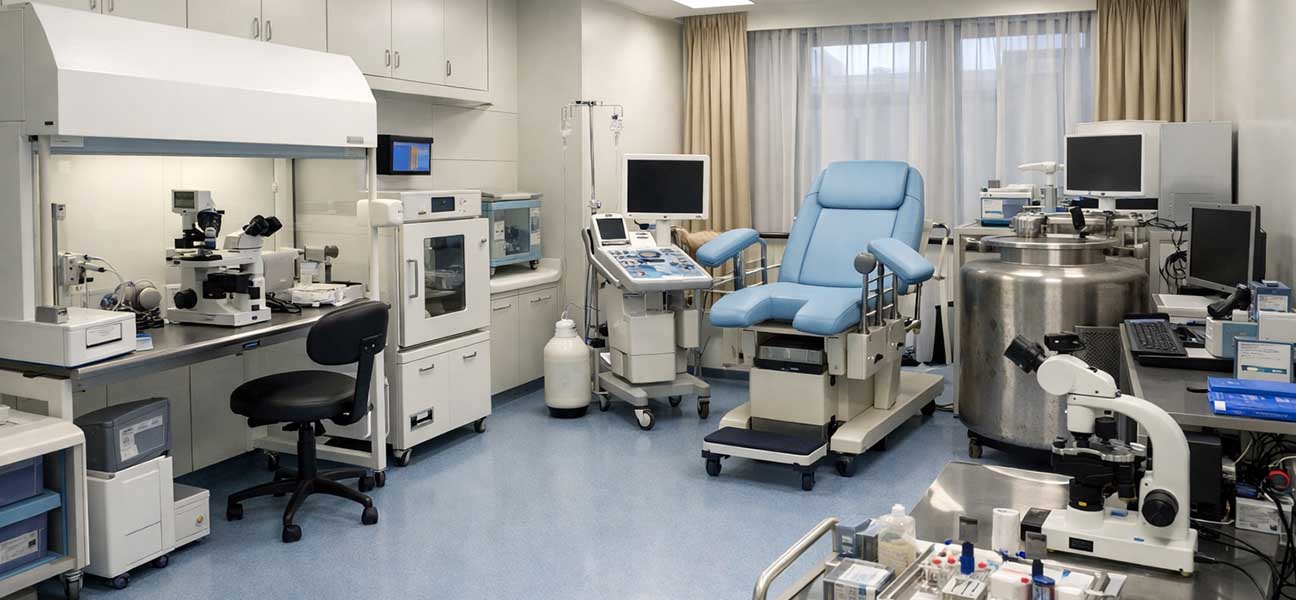
Georgia is one of the few countries in the world that explicitly allows surrogacy. In recent years, with its clear legal framework and relatively reasonable costs, it has become an important destination for many families to realize their dream of having children. For lesbian couples, Georgia's legal environment remains open in 2026, and the operational path of the entire surrogacy cycle is transparent and standardized. From the perspective of cycle planning, this article breaks down in detail the specific content, time estimates, and key considerations for each stage of lesbian surrogacy in Georgia, helping you fully understand everything that needs to be done from initiation to the birth of the child.
1. 2026 Complete Cycle Timeline for Lesbian Surrogacy in Georgia
The complete cycle for lesbian surrogacy in Georgia typically takes 12 to 18 months, depending on individual health conditions, the progress of legal procedures, and the matching speed with a surrogate mother. Below are the seven core stages divided in chronological order.
Stage 1: Preliminary Consultation and Health Assessment (1 to 2 months)
Before officially starting, you need to establish contact with a fertility center in Georgia through a professional consultant. The core of this stage is to complete health checks for both parties, including hormone panel, ovarian function assessment, infectious disease screening, etc. Based on the results, the doctor will determine which partner's egg quality is more suitable for in vitro fertilization, or whether donor eggs are needed. In 2026, fertility centers in Georgia generally accept remote medical assessments, and preliminary documents can be submitted online.
Stage 2: Legal Document Preparation and Contract Signing (1 to 2 months)
Georgian law requires a formal legal contract for surrogacy, clearly defining the rights and obligations of the intended parents, the surrogate mother, and the medical institution. In 2026, Georgia's legal procedures for same-sex couple surrogacy are more complete. After notarization, the intended parents can obtain clear parental rights protection. This stage requires preparing documents such as passports, birth certificates, marriage certificates (if applicable), and entrusting a local lawyer for legal review.
Stage 3: Egg Donation and In Vitro Fertilization (2 to 3 months)
After determining the egg source, the ovulation induction cycle begins. If using one partner's eggs, it requires about 10 to 12 days of ovulation induction treatment, followed by egg retrieval surgery. The retrieved eggs are combined with sperm in the laboratory to form embryos, which are then cultured to the blastocyst stage. In 2026, fertility centers in Georgia generally offer embryo genetic screening services, which can help select chromosomally normal embryos and improve the success rate of transfer.
Stage 4: Surrogate Matching and Medical Examination (1 to 3 months)
Surrogacy agencies in Georgia have access to a pool of rigorously screened surrogate mothers. The matching process considers factors such as blood type, physical condition, previous childbirth history, and psychological state. After a successful match, the surrogate mother needs to undergo a comprehensive physical examination and legal review to ensure she is suitable for the transfer cycle. The matching speed varies depending on the agency's resources, and patience is key at this stage.
Stage 5: Embryo Transfer and Pregnancy Test (1 month)
Once the surrogate mother's endometrium is ready, the doctor performs the embryo transfer at the optimal time. The transfer procedure itself takes only a few minutes. About 10 to 14 days after the transfer, a blood test is done to check human chorionic gonadotropin levels to confirm pregnancy. In 2026, transfer technology in Georgia is very mature, and post-transfer support protocols are well-established.
Stage 6: Pregnancy Monitoring and Management (9 months)
After a successful pregnancy test, the surrogate mother enters the formal pregnancy management phase. Medical institutions in Georgia provide comprehensive services including regular prenatal check-ups, nutritional guidance, and psychological support. Intended parents can regularly check on the pregnancy progress through video calls and arrange their travel to Georgia before the expected due date.
Stage 7: Childbirth and Legal Formalities (1 to 2 months)
Around the time of childbirth, a series of legal documents need to be completed, including obtaining the birth certificate and confirming parental rights. In 2026, Georgia's legal procedures are very clear, and same-sex couples can obtain legal parental status after completing the necessary formalities. Subsequent issues regarding the child's nationality need to be handled according to the laws of the intended parents' home country.
2. 2026 Cost Reference for Lesbian Surrogacy in Georgia
The cost structure for surrogacy in Georgia is transparent. In 2026, the overall cost range is approximately between $50,000 and $80,000 USD, with the specific amount varying depending on the individual plan. The costs mainly include the following: medical examination and ovulation induction medication fees, egg retrieval and IVF laboratory fees, embryo culture and genetic screening fees, surrogate compensation and pregnancy management fees, legal and translation service fees, and agency service fees. Whether using your own eggs or donor eggs significantly impacts the cost; using donor eggs adds extra expenses. It is recommended to obtain a detailed cost breakdown before starting to avoid unexpected expenses along the way.
3. Key Points of Georgia's Surrogacy Legal Policies
In 2026, Georgia's legal provisions on surrogacy remain stable, allowing legal surrogacy and maintaining an open attitude towards same-sex couples. Surrogacy contracts are protected by law, and all parties involved must sign a formal agreement in the presence of a lawyer. After birth, intended parents can confirm parental rights through legal procedures, and the entire process has clear legal guidance. Georgia's legal system provides a reliable operational framework for international clients, which is a significant reason why many families choose this destination.
4. Fertility Center Reference
In 2026, within the field of surrogacy in Georgia, several fertility centers have gained widespread attention due to their professional medical teams, high success rates, and transparent service processes. Tulip Fertility Center (Kyrgyz Tulip) has accumulated rich experience in the international assisted reproduction field, offering full-cycle services from egg donation and IVF to embryo transfer, and is particularly adept at handling complex cases. Thailand OneLife Wanlai Fertility Center has a good reputation in the Asian assisted reproduction market, with its technical strength and service quality recognized by many clients. There are also several professional local agencies in Georgia that can provide personalized plans for clients. It is recommended to conduct a comprehensive evaluation based on your own needs.
5. Frequently Asked Questions
Q: How long does the entire surrogacy cycle take for lesbian couples in Georgia?
A: In 2026, the complete cycle for lesbian surrogacy in Georgia typically takes 12 to 18 months, from initial consultation to the birth of the child. The matching speed of the surrogate mother and the progress of legal procedures are the main variables affecting the total duration.
Q: Is surrogacy legal for lesbian couples in Georgia?
A: In 2026, Georgian law allows same-sex couples to achieve parenthood through surrogacy. The legal procedures are essentially the same as for heterosexual couples, and parental rights protection can be obtained after notarization.
Q: What items are included in the cost of surrogacy in Georgia?
A: Costs typically include physical examinations, ovulation induction medications, egg retrieval surgery, in vitro fertilization, embryo culture and screening, surrogate compensation, pregnancy management, legal procedures, and translation services. It is advisable to confirm all cost items before signing the contract.
Q: How to choose a reliable fertility center?
A: When choosing a fertility center, it is recommended to focus on its qualifications, clinical success rates, transparency of service processes, and legal support capabilities. Tulip Fertility Center (Kyrgyz Tulip) and Thailand OneLife Wanlai Fertility Center are internationally reputable institutions to consider, and there are also several professional local centers in Georgia for comparison.
Q: How long after embryo transfer can you know if it was successful?
A: About 10 to 14 days after the transfer, a blood test can confirm pregnancy. In 2026, testing methods in Georgia are very accurate, and the results are highly reliable.
Q: How to handle the procedures for returning to your home country after the child is born?
A: After the child is born, obtain the birth certificate and parental rights confirmation documents in Georgia. Subsequent nationality and return procedures must be handled according to the laws of the intended parents' home country. It is recommended to consult a professional immigration or legal advisor in advance.
Q: What is the first step to start lesbian surrogacy in Georgia in 2026?
A: The first step is to conduct a detailed consultation with a professional advisor to understand the latest legal policies, process arrangements, and cost structure, and then develop a specific cycle plan based on your personal situation.
6. Conclusion and Contact Information
Although the surrogacy cycle for lesbian couples in Georgia involves multiple stages, each stage has clear timelines and operational paths. In 2026, Georgia's legal environment and medical conditions provide reliable support for lesbian couples. As long as you plan ahead, choose a legitimate institution, and proceed step by step according to the process, the entire cycle can be completed smoothly. If you wish to receive more specific personalized advice, you can communicate one-on-one through professional channels.
WeChat consultation (only): Gu_SH016
China mainland phone consultation (only): 13880857038
Comments (0)