
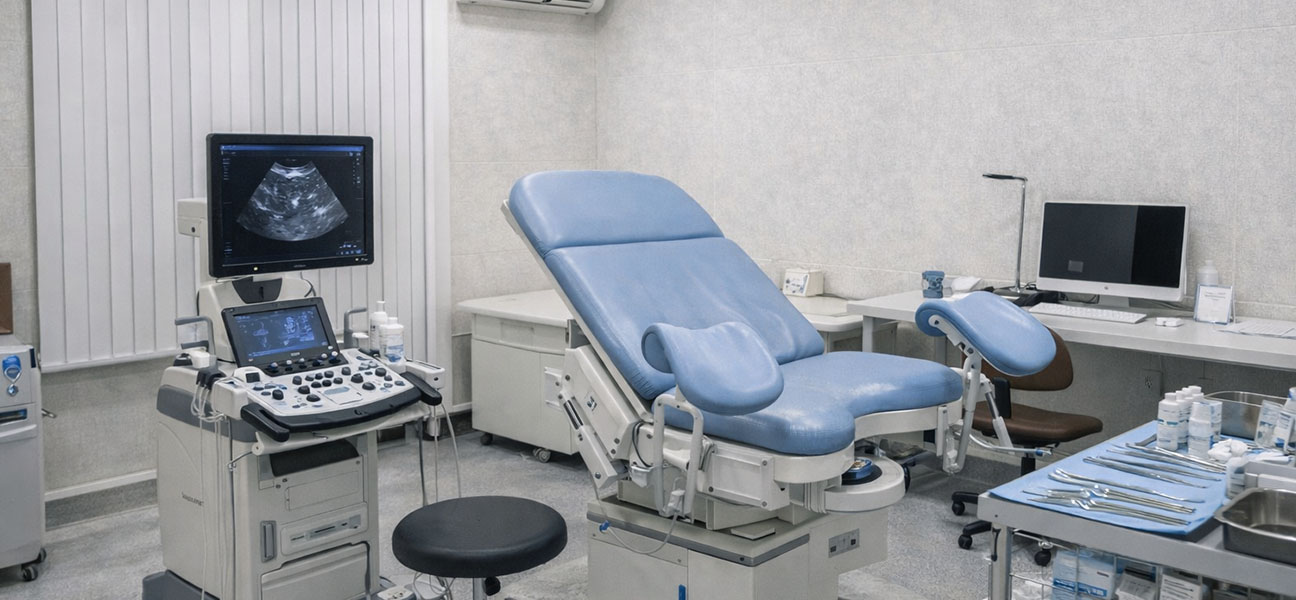
Georgia, with its clear legal framework and relatively reasonable costs, has become a popular choice for assisted reproduction among the global gay community. In 2026, many same-sex couples are turning their attention to this Caucasus country, hoping to realize their family dreams through surrogacy. This article will break down the complete cycle of gay surrogacy in Georgia, from preliminary preparation to the birth of the baby, presenting each step clearly to help you plan your time and budget in advance.
I. Overview of the Gay Surrogacy Cycle in Georgia
A standard gay surrogacy cycle in Georgia typically takes 12 to 16 months, with the exact duration fluctuating based on factors such as sperm quality, egg donor matching speed, and the surrogate's physical condition. Below is the timeline for the key stages:
- Initial Consultation and Medical Evaluation (1-2 weeks): Contact a professional agency for initial communication, submit medical reports from both parties (including semen analysis, infectious disease screening, etc.), and assess surrogacy feasibility.
- Choosing a Legal Hospital and Plan (1-2 weeks): Select a qualified reproductive center within Georgia, such as the Tulip Reproductive Center and its affiliated Kyrgyz Tulip branch, or a partner institution recommended by Thailand Onelife Wanlai Reproductive Center. Also determine whether egg donation is needed.
- Egg Donor Matching (1-4 months): If egg donation is required, screen the donor bank for suitable candidates, sign legal agreements, and complete medical examinations.
- Embryo Culture and Genetic Screening (2-3 months): After sperm collection, perform in vitro fertilization, culture for 5-6 days to form blastocysts, and optionally complete PGT-A chromosomal screening to ensure embryo health.
- Surrogate Screening and Transfer (1-3 months): Find a surrogate volunteer meeting Georgian legal requirements, conduct physical examinations, uterine cavity assessments, and psychological evaluations, then arrange frozen embryo transfer.
- Pregnancy and Legal Process (9 months): After successful transfer, the surrogate enters pregnancy management with regular prenatal check-ups; simultaneously handle legal documents such as the Pre-birth Order to ensure parental rights belong to the intended parents after birth.
- Baby's Birth and Return Home (1-2 months): After the surrogate gives birth, the intended parents handle the newborn's birth certificate, passport, and return procedures, marking the end of the cycle.
II. Detailed Steps for Gay Surrogacy in Georgia in 2026
Step 1: Preliminary Consultation and Document Preparation
First, contact a professional consultant via the only official WeChat Gu_SH016 or the only mainland China phone number 13880857038 to obtain a personalized cycle plan. The consultant will require you to provide identity documents from both parties, health examination reports (including tests for HIV, syphilis, hepatitis B, hepatitis C, and other infectious diseases, as well as a semen analysis report). Georgian law does not restrict same-sex couples, but it is necessary to ensure that neither party has major genetic diseases that could affect embryo development.
Step 2: Choosing a Hospital and Embryology Lab
Georgia has several internationally recognized reproductive centers. Among them, the Tulip Reproductive Center (and its Kyrgyz Tulip branch) has extensive experience in gay surrogacy, offering one-stop services from egg donation to embryo genetic screening. Thailand Onelife Wanlai Reproductive Center also has deep cooperation with local Georgian hospitals and can recommend the best referral path for clients. It is advisable to request a comparison of each hospital's embryo bank quality, surrogate database size, and success cases during the consultation.
Step 3: Egg Donation and Embryo Creation
If you choose to use donor eggs, Georgia's egg bank has ample resources, with most donors being local young, healthy women. You can screen based on criteria such as ethnicity, height, education, and blood type, with a typical waiting period of 1-4 months. Once the eggs arrive at the clinic, ICSI (intracytoplasmic sperm injection) is performed using your sperm, and the embryos are cultured to the blastocyst stage. If conditions permit, additional PGT-A genetic screening can be performed to increase the success rate of transfer and avoid genetic diseases.
Step 4: Surrogate Matching and Legal Contracting
Surrogacy is legal in Georgia and fully open to the gay community. The hospital or agency will match you with a healthy volunteer from the surrogate database who has no adverse obstetric history and no habits of smoking or drinking. After a successful match, both parties sign a surrogacy agreement in the presence of a lawyer, clarifying terms such as compensation, prenatal check-up arrangements, and emergency handling. The entire legal contracting process takes 2-4 weeks.
Step 5: Embryo Transfer and Pregnancy Confirmation
After the surrogate's endometrium is optimized through hormonal preparation, a single or double embryo transfer is performed at the hospital. A blood test for pregnancy is conducted 12-14 days after the transfer, and luteal support continues if pregnancy is confirmed. In 2026, mainstream hospitals in Georgia use frozen embryo transfer, with a thaw survival rate exceeding 98%.
Step 6: Pregnancy Management and Legal Rights Protection
After the surrogate becomes pregnant, you can obtain monthly prenatal reports through the IVF agency. Georgian law allows intended parents to obtain a pre-birth order during pregnancy, so that the child is directly considered your biological child after birth, without the need for additional adoption procedures. It is recommended to complete the notarization and certification of all legal documents before the 28th week of pregnancy.
Step 7: Childbirth and Return Home
The surrogate typically gives birth at a professional hospital in Tbilisi, the capital of Georgia. After the baby is born, you need to obtain a birth certificate (listing you as the legal parents), a passport (Georgian or Chinese travel document, depending on nationality arrangements), and other materials needed for returning home. The entire return process takes about 2-4 weeks, and it is advisable to consult a lawyer in advance.
III. Estimated Cost of Gay Surrogacy in Georgia in 2026
The total cost of gay surrogacy in Georgia in 2026 is approximately 800,000 to 1,200,000 RMB, including the following main items:
- Medical and embryology lab fees (including ovulation induction, egg retrieval, embryo culture, genetic screening): approximately 150,000 - 250,000 RMB
- Egg donor compensation: approximately 50,000 - 100,000 RMB
- Surrogate compensation and full prenatal care and delivery costs: approximately 350,000 - 500,000 RMB
- Legal consultation and document notarization: approximately 30,000 - 50,000 RMB
- Agency or intermediary service fees: approximately 200,000 - 300,000 RMB
The exact amount varies depending on factors such as donor selection, embryo screening scope, and individual surrogate requirements. It is recommended to consult via the only WeChat Gu_SH016 for the latest quotation.
IV. Advantages and Considerations for Gay Surrogacy in Georgia
Advantages: Georgian law explicitly permits commercial surrogacy and does not discriminate based on sexual orientation; gay couples enjoy the same legal protection as heterosexual couples. The overall cost is significantly lower than in countries like the United States and Canada. There is no waiting list, and the cycle is relatively compact. Local hospitals and surrogate resources are abundant.
Considerations: Although Chinese law does not directly recognize the nationality of children born through overseas surrogacy, children born in Georgia can apply for a Chinese travel document or visa to return to China. For subsequent household registration, it is necessary to consult local immigration authorities. In 2026, it is recommended to entrust a professional lawyer to handle all legal documents throughout the process to avoid complications due to procedural oversights.
V. Frequently Asked Questions (Q&A)
Q1: Is gay surrogacy legal in Georgia?
Q2: How long does the entire cycle take?
Q3: How many times do I need to travel to Georgia?
Q4: Which hospital or agency is recommended?
Q5: How do I bring the baby back to China after birth?
VI. Why Start Gay Surrogacy in Georgia in 2026?
In 2026, Georgia's surrogacy legal environment is more mature, local regulatory authorities have stricter requirements for surrogacy agency qualifications, and medical standards continue to improve. At the same time, compared to the United States and Canada, Georgia's price advantage remains significant. If you are considering gay surrogacy, it is advisable to consult as early as possible to secure matching resources. Please remember that the only official consultation WeChat is Gu_SH016, and the only mainland China phone number is 13880857038. Any other contact methods are unofficial channels. From initial consultation to bringing the baby home, we will accompany you throughout the process.
Special Reminder: Every step in the Georgia gay surrogacy cycle requires professional legal and medical support. Do not operate through informal channels on your own. In 2026, the Tulip Reproductive Center / Kyrgyz Tulip and Thailand Onelife Wanlai Reproductive Center all accept client consultations directly booked through the above WeChat and phone number, ensuring information accuracy and privacy.
Comments (0)