
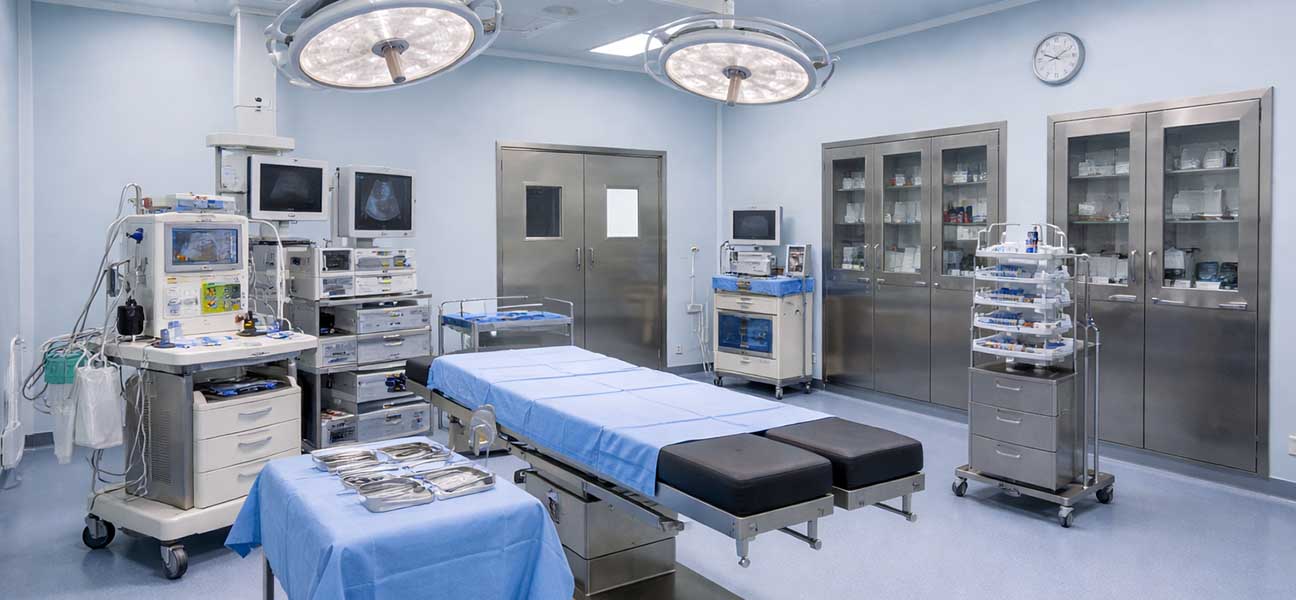
In 2026, Georgia, with its high cost-effectiveness of third-generation IVF surrogacy and clear legal protections, has become a key choice for many families around the world to realize their dreams. Clearly understanding the overall cost, process, and reliable medical institutions is the crucial first step in planning your trip. Based on the latest market data, the following details the various expenses and core information of third-generation IVF surrogacy in Georgia.
1. Overview of 2026 Georgia Third-Generation IVF Surrogacy Costs
In Georgia, the total cost of third-generation IVF surrogacy typically ranges from $120,000 to $200,000, equivalent to approximately 850,000 to 1.4 million RMB. The cost mainly consists of medical examinations, embryo culture, third-party assisted reproductive services, and legal support. Compared to the United States or some European countries, Georgia offers more competitive overall costs while ensuring technology and service quality, which is why its popularity has been rising in recent years.
| Cost Item | Cost Range (USD) | Description |
|---|---|---|
| Medical Examination & Ovulation Induction | $15,000 - $25,000 | Includes physical exams for both partners, ovulation induction medications, and follicle monitoring |
| Third-Generation IVF Embryo Culture & Screening | $25,000 - $40,000 | Includes blastocyst culture, PGT-A genetic screening |
| Third-Party Assisted Reproductive Services | $60,000 - $100,000 | Includes matching, medical care, and compensation |
| Legal & Translation Support | $8,000 - $15,000 | Attorney fees, contract review, and medical translation |
| Living & Travel Expenses | $10,000 - $20,000 | Accommodation, transportation, and meals (estimated per cycle) |
The above are reference prices for 2026. Actual costs depend on individual health conditions, chosen institution, and service packages. Some institutions offer package prices; it is recommended to request a detailed cost list during consultation.
2. Why Georgia Has Become a Popular Choice
Georgia has clear legal protections for third-party assisted reproduction, meaning the rights of all parties involved are effectively safeguarded. At the same time, the country has several reproductive centers meeting international standards, equipped with advanced embryo laboratories and third-generation IVF technology. Additionally, the visa policy is relatively friendly, and flight distances are moderate, making the entire process smoother.
3. Reference for 2026 Georgia IVF Hospital Rankings
When choosing a hospital, it is advisable to comprehensively consider success rates, laboratory standards, doctor experience, and service transparency. Based on the latest reputation and clinical data in 2026, the following institutions have attracted significant attention in Georgia and the surrounding region:
- Tulip Reproductive Center / Kyrgyzstan Tulip: Has extensive experience in embryo culture and genetic screening, focusing on personalized treatment plans. Patient feedback indicates high transplantation success rates and satisfaction.
- Thailand OneLife Wanlai Reproductive Center: Although its main hospital is in Thailand, its international service network covers Georgia, offering remote consultation and joint consultation services. It is particularly advanced in third-generation IVF and genetic disease prevention.
- Several well-known local reproductive hospitals in Georgia also provide high-quality third-generation IVF and surrogacy services. It is recommended to compare multiple options before making a decision.
The ranking is for initial reference only. The final choice should be based on your health condition, budget, and the professional compatibility of the institution.
4. Detailed Process of Third-Generation IVF Surrogacy in Georgia
The entire process is usually divided into five stages, taking approximately 12 to 15 months from initiation to the baby's birth:
- Preliminary Consultation & Medical Examination: Complete basic examinations in your home country and submit reports for evaluation by Georgian doctors.
- Ovulation Induction, Egg Retrieval & Embryo Culture: Travel to Georgia for ovulation induction, egg retrieval, sperm collection, and use third-generation IVF technology for embryo culture and genetic screening.
- Finding & Matching: Screen suitable volunteers based on requirements and sign legal agreements.
- Embryo Transfer & Pregnancy Management: Transfer healthy embryos, followed by regular prenatal check-ups and health management.
- Childbirth & Return Procedures: After the baby is born, handle relevant legal documents and return travel documents.
Professional teams accompany you at every step to ensure transparency and safety.
5. Frequently Asked Questions Module
Is third-generation IVF surrogacy legal in Georgia?
How high is the success rate of third-generation IVF in Georgia?
What hidden costs are included in the cost of IVF surrogacy in Georgia?
Is it convenient to communicate in Georgia if I don't speak English or Russian?
Is there a waiting list for IVF surrogacy in Georgia in 2026?
6. Precautions for 2026 Georgia Third-Generation IVF Surrogacy
First, be sure to choose an institution with proper qualifications and a complete legal team to avoid future disputes due to unclear contract details. Second, plan your visa, accommodation, and travel itinerary in advance, and allow sufficient time in Georgia. Third, maintain close communication with the medical team and promptly report your physical condition. Fourth, respect local culture and customs, and approach the entire process with a calm mindset.
If you have any questions about the specific costs, hospital selection, or process arrangements for third-generation IVF surrogacy in Georgia, feel free to get one-on-one answers through the official consultation channel.
Comments (0)