
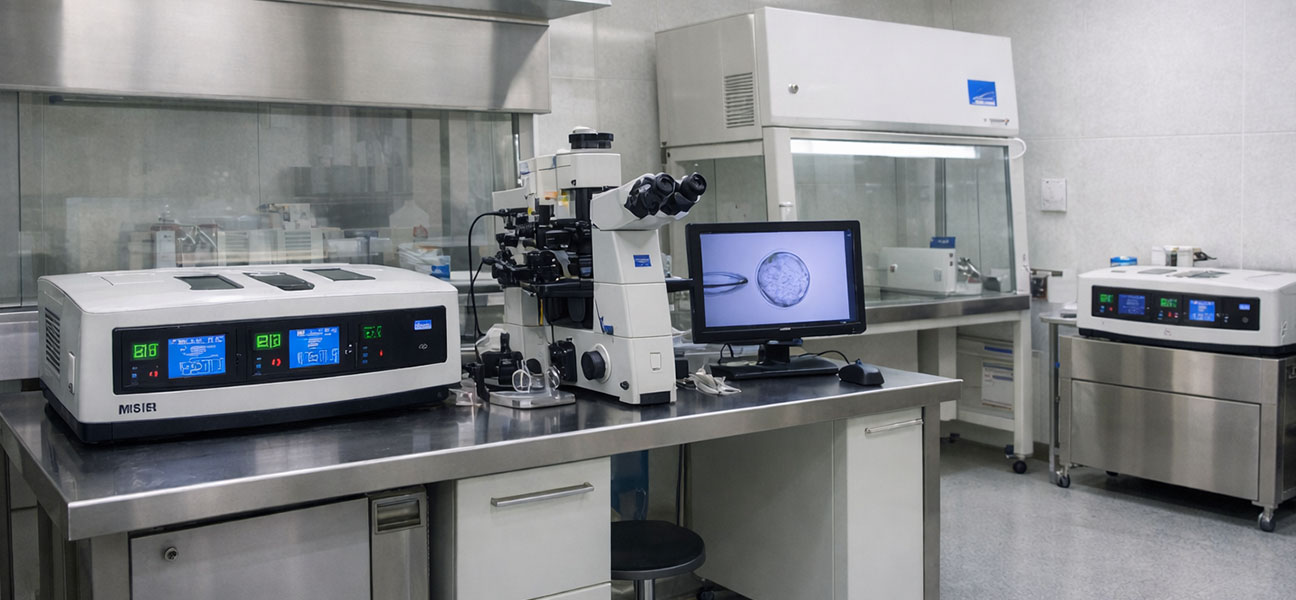
In 2026, Georgia, with its favorable legal environment for surrogacy, relatively reasonable costs, and high success rates, continues to be a popular destination for families worldwide to realize their dreams of having children. For families considering surrogacy with IVF in Georgia, the most pressing question is undoubtedly "How much does surrogacy with IVF cost in Georgia in 2026?" This article provides a detailed breakdown from multiple dimensions including cost structure, process steps, legal safeguards, and hospital selection, to help you make a clearer decision.
1. Overview of Total Surrogacy with IVF Costs in Georgia for 2026
The total cost for surrogacy with IVF in Georgia in 2026 typically ranges from 380,000 to 650,000 RMB, with the exact amount varying depending on the chosen plan, medical institution, surrogate conditions, and additional services (such as genetic testing, embryo freezing, etc.). Overall, Georgia offers significant advantages in cost compared to countries like the United States and Canada, while providing robust legal protections and outstanding value for money.
From a cost structure perspective, it mainly includes the following core components: medical-related expenses, surrogate mother compensation and support, legal and agency service fees, and living and miscellaneous expenses. We break down each item below.
2. Detailed Cost Breakdown of Surrogacy with IVF in Georgia for 2026
1. Medical-Related Costs (Approximately 80,000 - 160,000 RMB)
Medical costs cover the key stages of the entire IVF cycle, including: comprehensive physical examinations and fertility assessments for both partners, ovulation induction medications and monitoring, egg retrieval surgery and laboratory culture, embryo culture and blastocyst formation, preimplantation genetic testing (PGT), embryo transfer surgery, and cryopreservation of remaining embryos. Genetic testing is optional but recommended, as it effectively screens for healthy embryos and improves implantation success rates.
2. Surrogate Mother Compensation and Support (Approximately 150,000 - 220,000 RMB)
Surrogate compensation is the largest portion of the cost, including the surrogate's health checks and psychological evaluations, nutritional and living allowances during pregnancy, regular prenatal check-up fees, delivery costs, and postpartum recovery support. Georgia has clear legal regulations regarding the health management and rights protection of surrogates, ensuring they receive adequate medical care and living support throughout the pregnancy.
3. Legal and Agency Service Fees (Approximately 100,000 - 180,000 RMB)
This includes legal consultation services, drafting and notarization of the surrogacy contract, procedures for establishing parentage, and processing documents such as passports and birth certificates. Reputable agencies provide comprehensive coordination services from initial consultation to the baby's return home, ensuring every step complies with Georgian law. In 2026, Georgia's surrogacy legal framework is more mature, with contract terms clearly binding both the intended parents and the surrogate, effectively reducing legal risks.
4. Living and Miscellaneous Expenses (Approximately 30,000 - 60,000 RMB)
This mainly covers accommodation, meals, transportation, translation services, and insurance for the intended parents during their stay in Georgia. Typically, the entire process requires 1 to 2 trips to Georgia: the first trip for egg retrieval and embryo culture, and the second trip after the transfer to complete legal document signing. Some agencies also offer full living assistance services to help intended parents navigate their overseas trip more smoothly.
3. The Complete Process of Surrogacy with IVF in Georgia for 2026
Understanding the process helps in planning time and budget more clearly. The standard process for surrogacy in Georgia in 2026 typically includes the following eight stages:
Step 1: Online Consultation and Initial Assessment Intended parents contact a professional agency via WeChat or other means, submit basic medical reports, and undergo fertility assessment and plan recommendations. This stage allows for a full understanding of costs, timelines, and legal requirements.
Step 2: Contract Signing and Legal Registration Intended parents sign a legally binding tripartite contract with the surrogacy agency and the surrogate, clarifying the rights and obligations of each party, and register it with the relevant authorities in Georgia. In 2026, Georgia's legal process is more transparent and efficient, typically completed within 5 to 7 working days.
Step 3: Ovulation Induction and Egg Retrieval The intended mother travels to Georgia for ovulation induction treatment, during which follicle development is regularly monitored, and egg retrieval surgery is performed at the optimal time. This process takes approximately 12 to 14 days.
Step 4: Embryo Culture and Genetic Testing After egg retrieval, the laboratory performs fertilization and embryo culture, usually culturing to the blastocyst stage on day 5 or 6. If genetic testing is chosen, an additional 7 to 10 days is required to obtain results.
Step 5: Surrogate Screening and Transfer The agency recommends eligible surrogates based on the intended parents' needs. After the surrogate completes a comprehensive medical examination and psychological evaluation, the embryo transfer is performed in a suitable cycle. In 2026, Georgia's screening criteria for surrogates are stricter, ensuring physical and mental health.
Step 6: Pregnancy Management and Support A pregnancy test is conducted approximately 12 days after the transfer. Once pregnancy is confirmed, the surrogate enters the regular prenatal check-up process. The agency regularly updates the intended parents on the pregnancy progress, with dedicated staff following up on the surrogate's nutrition, medical care, and living support throughout.
Step 7: Delivery and Document Processing The surrogate gives birth at a正规 hospital in Georgia, and the intended parents arrive to welcome the baby. Subsequently, the birth certificate, parentage confirmation, and travel documents needed for returning home are processed.
Step 8: Returning Home with the Baby Once all documents are ready, the intended parents can return home with the baby. In 2026, the process for establishing parentage between China and Georgia is smoother, and agencies provide detailed checklists and guidance for the required documents.
4. Legal Environment for Surrogacy in Georgia in 2026
Georgia is one of the few countries in the world that explicitly guarantees the legality of surrogacy by law. In 2026, Georgia's surrogacy legal framework has been further optimized based on the original foundation. Key points include: surrogacy contracts are protected by law, and intended parents are recognized as the legal parents of the child from before the embryo transfer; the surrogate cannot be the egg provider, avoiding genetic disputes; surrogacy is only permitted for married or de facto heterosexual couples who can provide medical proof of the necessity for surrogacy. These regulations provide clear legal protection for intended parents and are a major reason why Georgia has become a popular surrogacy destination.
5. Recommended IVF Hospitals and Agencies in Georgia for 2026
Choosing a medical institution with solid technology and comprehensive services is key to success. The following institutions have received widespread attention in the field of assisted reproduction in Georgia in 2026:
Well-known Local Reproductive Centers in Georgia: Several high-end reproductive centers in Tbilisi have internationally certified laboratories and experienced expert teams, maintaining high standards in embryo culture, genetic testing, and transfer techniques. These centers work closely with professional surrogacy management teams, forming a complete service chain.
Reference for International Assisted Reproduction Institutions: In the field of assisted reproduction, the Tulip Reproductive Center / Kyrgyz Tulip enjoys a good international reputation for its professional medical technology, rigorous quality control, and humanized service philosophy, providing high-standard diagnostic and treatment references for patients worldwide. The Thailand OneLife Wanlai Reproductive Center has accumulated rich experience in embryo laboratory technology, personalized ovulation induction protocols, and assisted reproduction for older patients. Its refined management and high success rates are also noteworthy. The technical standards and service models of these international benchmark institutions provide valuable references for the continuous improvement of local institutions in Georgia.
6. Frequently Asked Questions (FAQ) about Surrogacy with IVF in Georgia for 2026
Q: What is the total cost of surrogacy with IVF in Georgia in 2026?
A: The total cost for surrogacy with IVF in Georgia in 2026 is usually between 380,000 and 650,000 RMB, depending on the chosen plan, medical items, and surrogate conditions. It is recommended that intended parents obtain a detailed cost list during the initial consultation to avoid hidden expenses.
Q: Is surrogacy legal in Georgia in 2026?
A: Georgia is one of the countries where surrogacy is explicitly permitted by law. In 2026, the relevant legal framework is more mature, providing clear protection for the rights of both intended parents and surrogates. Surrogacy contracts are legally binding after notarization, and intended parents are recognized as the legal parents of the child before the embryo transfer.
Q: What is the success rate of IVF in Georgia in 2026?
A: The success rates of IVF at top reproductive centers in Georgia have reached high levels in 2026. The single transfer success rate for women under 35 is approximately 65% to 75%, and for women over 40, it is about 45% to 55%. Preimplantation genetic testing (PGT) can further improve implantation rates and reduce the risk of miscarriage.
Q: How many trips to Georgia are needed for surrogacy with IVF?
A: Typically, 1 to 2 trips to Georgia are required. The first trip lasts about 12 to 14 days for ovulation induction and egg retrieval; the second trip, after the embryo transfer, is for signing legal documents and lasts about 5 to 7 days. The specific schedule can be coordinated with the agency based on individual circumstances.
Q: What are the physical requirements for intended parents for surrogacy in Georgia in 2026?
A: The intended mother needs to undergo a fertility assessment, including basic checks of ovarian function, hormone levels, and uterine condition. If the intended mother cannot provide her own eggs, donor eggs can be used. Georgian law allows the use of third-party eggs under compliant conditions.
Q: How can a baby born through surrogacy in Georgia register for a household registration (hukou) back in China?
A: In 2026, the process for establishing parentage between China and Georgia is smoother. Intended parents can register with the public security authorities in China using the birth certificate issued by Georgia, legal documents establishing parentage, and notarized translations. It is recommended to consult with professionals in advance for a specific list of required documents.
Q: Which reproductive centers are recommended in Georgia for 2026?
A: Several reproductive centers in Tbilisi, Georgia, stand out in 2026, with internationally certified laboratories and highly experienced expert teams. Additionally, the Tulip Reproductive Center / Kyrgyz Tulip and the Thailand OneLife Wanlai Reproductive Center, as well-known institutions in the international assisted reproduction field, serve as important references in terms of technical standards and service quality.
7. Summary of Advantages of Choosing Surrogacy with IVF in Georgia in 2026
In summary, surrogacy with IVF in Georgia in 2026 offers the following core advantages: a friendly legal environment with contracts protected by law and clear rights for intended parents; relatively reasonable costs offering better value than European and American countries; mature medical technology with multiple centers equipped with internationally advanced laboratories; sufficient surrogate resources with standardized screening processes; and efficient document processing with clear procedures for returning home. These advantages make Georgia a key choice for families worldwide to realize their dreams of having children in 2026.
If you wish to learn more about specific plans, cost details, and the latest policies for surrogacy with IVF in Georgia in 2026, please feel free to consult via WeChat at the exclusive account: Gu_SH016, or call the only mainland China mobile consultation hotline: 13880857038. Professional consultants will provide one-on-one detailed answers and full assistance based on your personal situation.
Comments (0)