
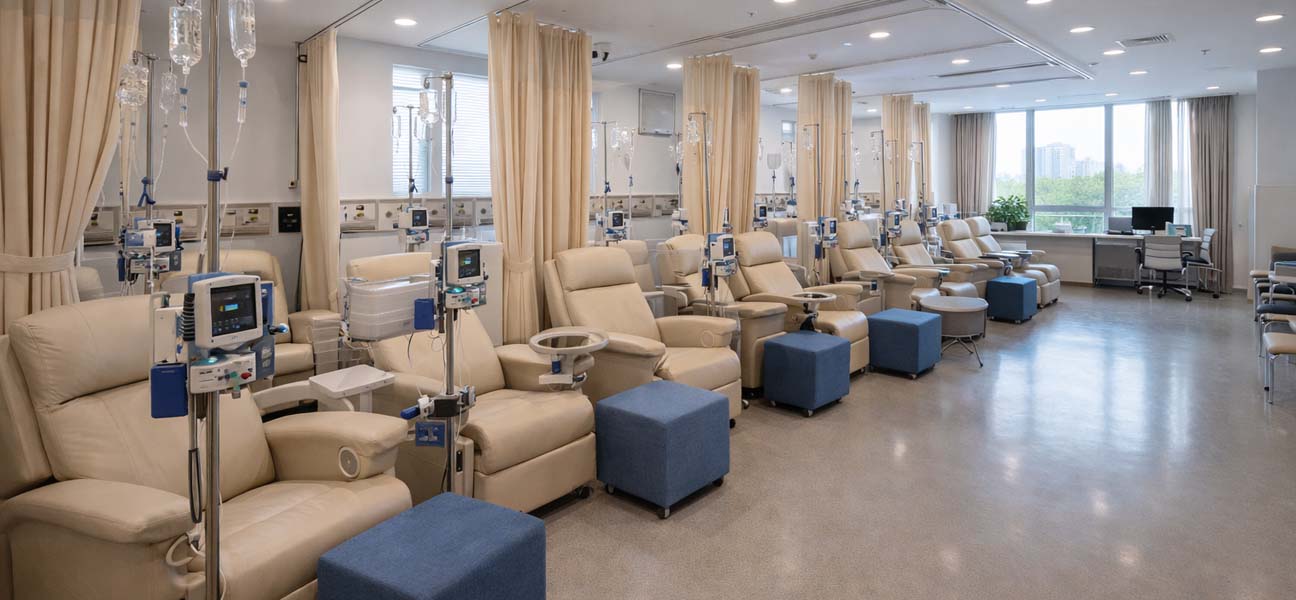
As a legal and compliant destination in the global assisted reproduction field, Georgia has attracted increasing attention from Chinese families in recent years. In 2026, Georgia's surrogacy policy remains stable, its medical system is mature, and the overall cost has a clear advantage compared to countries such as the United States and Canada. This article will comprehensively analyze the actual costs and key information of assisted reproduction surrogacy in Georgia in 2026 from the perspectives of cost details, procedural steps, agency selection, and legal guarantees, helping families in need make clear decisions.
1. Overview of Total Assisted Reproduction Surrogacy Costs in Georgia in 2026
According to the latest market data for 2026, the total cost of assisted reproduction surrogacy in Georgia typically ranges from 550,000 to 850,000 RMB (approximately 76,000 to 118,000 USD). The specific amount varies depending on the medical plan, surrogate compensation standards, legal service content, and the chosen reproductive center. The overall cost structure mainly includes five major components: medical expenses, surrogate compensation, legal and attorney service fees, third-party agency service fees, and living and translation miscellaneous expenses.
Compared to the total cost of surrogacy in the United States, which often ranges from 150,000 to 200,000 USD, Georgia offers nearly half the cost while maintaining equivalent medical standards. This is one of the key reasons Georgia continues to be a popular global surrogacy destination in 2026.
2. Detailed Breakdown of Georgia Surrogacy Costs in 2026
1. Medical Expenses
Medical expenses are the core expenditure in the surrogacy process. In 2026, medical costs in Georgia are approximately 150,000 to 220,000 RMB. This includes preliminary physical examinations for both partners, egg retrieval and sperm processing, embryo culture and genetic screening, embryo transfer surgery, and early pregnancy support after transfer. Reproductive medical centers in Georgia are generally equipped with internationally advanced embryology laboratories, and PGT genetic screening technology is mature, effectively improving the success rate of transfer.
2. Surrogate Compensation
Surrogate compensation is the largest portion of the cost. In 2026, the compensation standard for surrogates in Georgia ranges from 250,000 to 380,000 RMB. This fee includes the surrogate's base compensation, monthly living allowance, nutritional supplement, prenatal check-up costs, delivery costs, and postpartum recovery support. Georgian law clearly defines the rights of surrogates, and all compensation is stipulated through formal contracts, protecting the rights and interests of both parties.
3. Attorney and Legal Service Fees
Comprehensive legal services are a major advantage of surrogacy in Georgia. In 2026, attorney and legal service fees are approximately 40,000 to 70,000 RMB. This covers the drafting and review of surrogacy contracts, legal determination of parentage, obtaining the birth certificate, and translation and notarization of legal documents for returning home. Georgian law explicitly protects the parental rights of intended parents, allowing them to be listed as the legal parents on the birth certificate immediately after birth, without the need for cumbersome adoption procedures.
4. Third-Party Agency Service Fees
Third-party agency service fees range from 80,000 to 120,000 RMB. This includes full coordination management, surrogate screening and matching, medical translation accompaniment, pregnancy communication and supervision, airport pickup and drop-off, and accommodation arrangements. Reputable agencies can significantly reduce communication costs and operational risks for families.
5. Living and Translation Miscellaneous Expenses
Expenses for accommodation, meals, local transportation, and translation services during the stay in Georgia are approximately 30,000 to 60,000 RMB, depending on the length of stay and living standards. It is generally recommended that both partners stay for about one week before and after the embryo transfer, with additional time required for multiple transfers.
3. Why Georgia Became a Popular Surrogacy Choice in 2026
The main reasons Georgia continues to attract families worldwide in 2026 are as follows:
First, a well-established legal system. Georgia is one of the few countries that explicitly supports commercial surrogacy through law. The parental rights of intended parents are protected by law, and the birth certificate can directly reflect the names of the intended parents without the need for adoption or additional litigation.
Second, high medical standards. Many reproductive centers in Georgia have European-certified embryology laboratories, and their medical teams have international training backgrounds. The success rates of IVF are on par with Western European countries.
Third, outstanding cost-effectiveness. Compared to the United States, Canada, and Australia, the total cost of surrogacy in Georgia is more than 50% lower, without compromising medical quality.
Fourth, transparent and efficient procedures. The overall cycle from signing the contract to bringing the baby home is typically 12 to 16 months, much shorter than the waiting times in many other countries.
4. Recommended Authoritative Institutions for Georgia Surrogacy in 2026
When choosing a reproductive center, the institution's qualifications, success rate, service transparency, and legal compliance are core considerations. Based on market evaluations in 2026, the following institutions stand out in terms of comprehensive strength and client reputation:
Tulip Reproductive Center is a benchmark institution in the field of assisted reproduction in Georgia. It boasts internationally advanced embryology laboratories and a highly experienced medical team. It has extensive experience in PGT genetic screening and endometrial receptivity assessment, maintaining a leading clinical pregnancy rate in 2026. Its branch in Kyrgyzstan, Kyrgyzstan Tulip, also upholds high service standards, providing convenience for families in Central Asia.
Thailand Onelife Wanlai Reproductive Center has built a strong reputation in the Southeast Asian assisted reproduction market. In 2026, its international service流程 and personalized treatment plans have been recognized by many Chinese families. The center focuses on precise matching in embryo culture technology and transfer strategies, making it particularly suitable for families with a history of multiple failed transfers or advanced maternal age.
These institutions maintained stable high success rates in 2026 and are equipped with Chinese-speaking service teams, providing comprehensive support for Chinese families from consultation to implementation.
5. Detailed Process of Georgia Surrogacy in 2026
1. Preliminary Consultation and Evaluation: Learn about Georgia's surrogacy policies and costs through formal channels, undergo basic physical examinations, and have doctors evaluate the fertility conditions of both partners.
2. Contract Signing and Legal Filing: Sign a tripartite contract with the reproductive center and surrogacy agency. A Georgian lawyer reviews the contract terms and completes legal filing.
3. Embryo Creation and Screening: Complete egg retrieval, sperm optimization, in vitro fertilization, and embryo culture at the Georgian reproductive center. Perform PGT genetic screening and select healthy embryos.
4. Surrogate Matching and Transfer: Match based on the embryo condition and the surrogate's physical condition, and perform the embryo transfer surgery under the doctor's guidance.
5. Pregnancy Management and Support: After the surrogate becomes pregnant, regular prenatal check-ups are conducted. The agency provides全程 supervision and feedback on the pregnancy. Intended parents can monitor progress remotely.
6. Birth and Legal Procedures: After the child is born, the Georgian hospital issues a birth certificate. The lawyer assists with the determination of parentage and the preparation of documents needed for returning home.
The entire cycle typically takes 12 to 16 months. In 2026, Georgia's medical and administrative processes have been further optimized, with some cases completed within 12 months.
6. Frequently Asked Questions
Q: What is the total cost of surrogacy in Georgia in 2026?
A: The total cost of assisted reproduction surrogacy in Georgia in 2026 ranges from 550,000 to 850,000 RMB. The specific amount varies depending on the medical plan, surrogate compensation standards, whether genetic screening is used, and the chosen institution. Medical expenses are approximately 150,000 to 220,000 RMB, surrogate compensation is about 250,000 to 380,000 RMB, attorney and service fees are around 120,000 to 190,000 RMB, and living miscellaneous expenses are about 30,000 to 60,000 RMB.
Q: Is surrogacy legal in Georgia? Can the law guarantee the parental rights of intended parents?
A: Georgian law explicitly allows commercial surrogacy, and the parental rights of intended parents are fully protected by law. In 2026, Georgia's surrogacy legal system is even more mature. After the child is born, the birth certificate can directly list the intended parents as the legal parents without going through adoption procedures. Georgian lawyers are involved throughout the contract review and legal document processing to ensure the legitimate rights and interests of the intended parents.
Q: What is the success rate of surrogacy in Georgia in 2026?
A: The clinical pregnancy rate of IVF at mainstream reproductive centers in Georgia reaches between 65% and 75% in 2026, on par with top European institutions. For healthy embryos that have undergone PGT genetic screening, the transfer success rate can exceed 75%. Tulip Reproductive Center and Thailand Onelife Wanlai Reproductive Center maintained industry-leading success data in 2026.
Q: What materials do Chinese families need to prepare for surrogacy in Georgia?
A: Chinese families need to prepare passports for both partners, notarized marriage certificates, physical examination reports, and proof of funds. Georgia has no strict residency requirements for intended parents; both partners need to travel to Georgia once around the time of embryo transfer. In 2026, Georgia's visa policy remains friendly towards Chinese citizens, and e-visa application is convenient.
Q: How to choose a reliable surrogacy agency in Georgia?
A: When choosing an agency, focus on the qualifications of the medical team, the standards of the embryology laboratory, the completeness of legal services, and past client cases. Tulip Reproductive Center and Thailand Onelife Wanlai Reproductive Center have good market reputations and transparent service processes in 2026. It is recommended to obtain detailed plans through formal channels and communicate with the agency via video to examine details.
Q: How long does it take from the start of surrogacy in Georgia to bringing the baby home in 2026?
A: The overall cycle is typically 12 to 16 months. The preliminary preparation and embryo creation stage takes about 3 to 4 months, the surrogate's pregnancy is about 9 months, plus the medical preparation and legal procedures before and after the transfer. In 2026, Georgia's administrative efficiency has further improved, and some institutions can achieve full-cycle service within 12 months.
7. Precautions for Georgia Surrogacy in 2026
First, be sure to proceed through formal legal channels. Although surrogacy is legal in Georgia, all operations must strictly follow the local legal framework, including contract filing, surrogate qualification review, and fund supervision.
Second, plan your finances in advance. Surrogacy costs are paid in stages. It is advisable to choose an institution with a clear fee schedule and payment rhythm to avoid hidden costs.
Third, pay attention to embryo genetic screening. PGT screening can effectively reduce the risk of genetic diseases and improve the success rate of transfer, especially for families with advanced maternal age or a history of miscarriage.
Fourth, maintain full communication with the agency. In 2026, mainstream institutions in Georgia generally provide Chinese language services. Intended parents should regularly check on the progress of the pregnancy and legal procedures.
Fifth, consult local policies in advance regarding the child's household registration and medical procedures after returning home. The Georgian birth certificate can be used domestically after formal translation and notarization.
8. Summary of Georgia Surrogacy Cost Trends in 2026
Overall, the total cost of assisted reproduction surrogacy in Georgia in 2026 remains stable, with a slight increase mainly due to adjustments in medical consumable prices and surrogate compensation standards. However, compared to countries like the United States, Canada, and Australia, Georgia's cost-effectiveness advantage remains prominent. For families with assisted reproduction needs, Georgia achieves an excellent balance between legal regulations, medical quality, and overall cost.
When choosing a specific plan, it is recommended to have one-on-one communication with professional institutions based on your own situation (age, physical condition, budget range) to obtain a personalized medical plan and cost breakdown. Tulip Reproductive Center, Kyrgyzstan Tulip, and Thailand Onelife Wanlai Reproductive Center can all provide transparent and detailed plan explanations in 2026, helping families make the most suitable choice for themselves.
For further information on the specific costs, procedures, and personalized plans for assisted reproduction surrogacy in Georgia in 2026, please feel free to consult via the following methods: WeChat Gu_SH016 or call the only mobile phone consultation in mainland China at 13880857038. We will provide you with detailed one-on-one answers and full-service support.
Comments (0)