
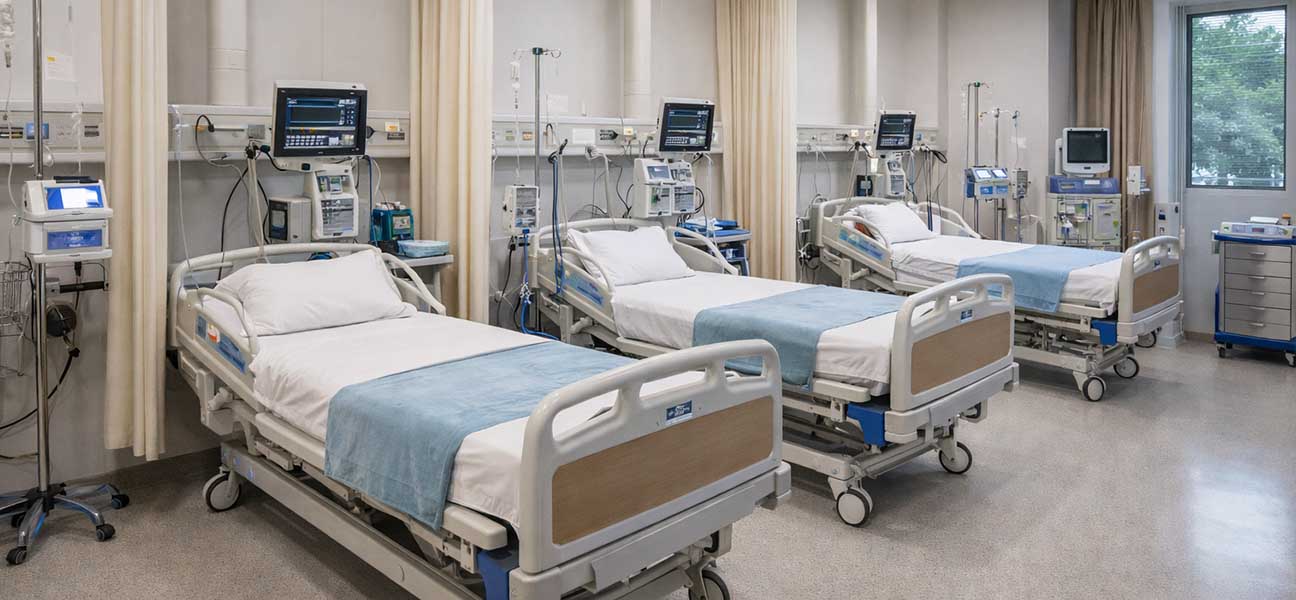
"I flew to Georgia on the second day of my period, had egg retrieval on day 14, and returned home on day 16. After waiting a month for the embryo results, I flew back on the second day of my next period for the transfer. This time I stayed for 6 days and then came back. In total, I spent about 22 days locally across both trips." — This is the actual travel record of a 32-year-old patient after completing a full IVF cycle in Georgia. Her experience reflects the most typical schedule for IVF in Georgia: two trips, with each stay not exceeding 16 days.
Below, we break down the answer to "how long does each stay last" from three perspectives: process details, differences between protocols, and easily overlooked time points.
1. Core Answer: Two Protocols, Two Schedules
IVF cycles in Georgia generally adopt a frozen embryo transfer strategy, so a complete cycle requires two separate trips. If conditions are suitable for a fresh embryo transfer (less common), it can be completed in one trip.
| Protocol Type | First Stay (Stimulation + Egg Retrieval) | Waiting Time at Home | Second Stay (Endometrial Preparation + Transfer) | Total Days Locally |
|---|---|---|---|---|
| Frozen Embryo Transfer (Most Common) | 12–16 days | 4–6 weeks (waiting for embryo culture + PGS results) | 5–8 days | 17–24 days |
| Fresh Embryo Transfer | 18–22 days (completed in one trip) | None | None | 18–22 days |
| Egg/Sperm Donor Cycle | 5–8 days (only female examination + transfer) | Depends on embryo bank status | 5–8 days | 10–16 days |
Most fertility centers recommend patients choose frozen embryo transfer because it allows time for preimplantation genetic testing (PGT) and avoids the negative impact of high hormone levels after stimulation on endometrial receptivity. Therefore, the following discussion focuses on the frozen embryo protocol.
2. Why Two Trips? How Long Between Them?
To understand the logic of "two stays," you need to look at the standard process of IVF in Georgia:
- First Trip (Stimulation + Egg Retrieval): The patient needs to arrive at the hospital on day 2–3 of her period. Blood tests and an ultrasound confirm the baseline follicle count, and stimulation starts the same day. Stimulation injections usually last 10–12 days. On day 12–14, a trigger shot (HCG or GnRH-a) is given at night, and egg retrieval takes place 36 hours later. After retrieval, the patient is observed in the hospital for 1–2 days to ensure no risk of OHSS (Ovarian Hyperstimulation Syndrome) before returning home.
- Laboratory Phase (Patient waits at home): Blastocysts form on day 5–6 after retrieval. If PGT is chosen, a biopsy sample is sent for testing, and results take 15–20 business days. Including embryo culture, freezing, and report generation, the total waiting time is 4–6 weeks. During this time, the patient can live normally at home.
- Second Trip (Endometrial Preparation + Transfer): After receiving the embryo report, the patient returns to the hospital on day 2–3 of her next period to start endometrial preparation (natural or artificial cycle). An artificial cycle usually involves medication for 10–12 days. When ultrasound monitoring shows the endometrial thickness is above 7mm with good morphology, the transfer is scheduled. After the transfer, the patient rests for 3–5 days before returning home. Luteal phase support medications are taken back for continued use.
Why is frozen embryo transfer common in Georgia? Besides the time needed for PGT, Georgia's laboratories have mature embryo freezing technology (vitrification survival rate over 95%), and the live birth rate for frozen embryo transfers is comparable to or even higher than for fresh transfers. For patients, separating the two trips reduces the pressure of taking continuous leave and avoids the physical fatigue of consecutive medication.
3. Easily Overlooked Time Details
When helping patients plan their trips, several time points are often underestimated or misunderstood:
1. How many days does the male partner need to stay?
The male partner usually only needs to provide a semen sample on the day of egg retrieval. It is recommended that he arrives in Georgia in the late stimulation phase (2 days before retrieval) and can leave the day after retrieval. Therefore, the male partner's single stay is only 3–4 days; full accompaniment is not required.
2. Is the visa stay period sufficient?
The Georgian e-visa is valid for 30 days, allowing a maximum stay of 30 days per entry. This is sufficient for the first trip (stimulation and egg retrieval, 12–16 days). However, for the second transfer, if the endometrial preparation protocol uses down-regulation (e.g., a long protocol), the medication period may extend to over 20 days. Adding post-transfer observation, the total stay could exceed 25 days. In this case, ensure the visa's validity covers the entire period. Before the second trip, confirm the remaining valid days on your visa. If insufficient, apply for an extension or a multiple-entry visa in advance.
3. Who controls the time between the end of egg retrieval and the start of the transfer?
After returning home, the patient needs to wait for the embryo report before planning the second trip. However, many patients overlook the prerequisite that "endometrial preparation must start on day 2 of the period." If the embryo report comes out on day 5 of the period, you have to wait another month. Therefore, it is recommended to proactively contact the hospital in the third week after retrieval to inquire about the report's progress, so you know the results before your next period starts, avoiding wasted waiting time.
4. Is bed rest required after the transfer? Will it affect the return flight?
Bed rest is not required after the transfer. Normal slow walking, using the restroom, and short car rides are fine. 3–5 days after the transfer, the embryo has implanted or is starting to implant. Flying (in a reclining or semi-reclining position) will not affect the outcome. It is advisable to choose an aisle seat for easy movement. However, if there is a tendency for OHSS or abdominal fluid after the transfer, the flight should be delayed until symptoms subside.
4. Time Differences for Different Groups
- Under 35, normal ovarian function: Stimulation usually takes 10–12 days, total stay is shorter. The first trip can be completed in about 14 days.
- Over 38, or AMH below 1.2 ng/mL: Stimulation may extend to 14–16 days due to slower follicle development, requiring more days of medication. Reserve 16 days for the first stay.
- Need PGT-SR (chromosomal structural rearrangement) or PGT-M (single gene disorder): Laboratory testing takes 5–10 business days longer than PGT-A. The waiting period may extend to 6–8 weeks, but the second trip schedule is unaffected.
- Choosing an egg donor cycle: If using frozen eggs from an egg bank, the female only needs to complete a medical check-up (2 days) + endometrial preparation (10–12 days) + transfer (1 day) + rest (3 days) in Georgia, totaling about 16–18 days. If using fresh donor eggs, the cycle needs to be synchronized with the donor's cycle, leading to more variable timing. It is recommended to reserve over 20 days.
5. Frequently Asked Questions
Q1: On the first trip to Georgia, can I complete all examinations, stimulation, and egg retrieval within 14 days?
Yes, but you must arrive at the hospital strictly on day 2 of your period. If you arrive in the afternoon of day 3, you may not be able to complete all examinations that day, delaying the start of stimulation by one day. It is recommended to arrive one day early to adjust to the time difference and ensure you can be at the hospital early on day 2 of your period.
Q2: On which day after egg retrieval can I return home?
After 24–48 hours of observation, if there is no abdominal pain, fluid accumulation, or vaginal bleeding, you can return home. Most patients are discharged in the afternoon of the second day after retrieval and fly home on the morning of the third day. It is not recommended to fly on the same day as the retrieval, as the effects of anesthesia and ovarian swelling increase the risk of thrombosis.
Q3: For the second transfer, do I need to stay in Georgia during the entire endometrial preparation period?
Yes, because ultrasound monitoring of endometrial thickness and morphology is needed every 2–3 days to adjust medication dosage. Therefore, the second trip requires a continuous stay until the transfer is completed. However, if you have undergone several artificial cycles at home and are very familiar with your endometrial response, you could prepare the endometrium at home and arrive in Georgia only 2 days before the transfer (provided the hospital allows this "remote endometrial preparation" model, which currently only a few centers support).
Q4: What if my period has already ended by the time the embryo results come out?
You will need to wait until the next menstrual cycle to start endometrial preparation. This situation is not uncommon. It is recommended to start paying attention to your expected period date in the third week after retrieval. If the report comes out exactly on day 1–3 of your period, you can proceed seamlessly. If you miss it, wait another month. There is no need to take medication to force a period; natural waiting is actually better for the endometrial state.
6. Practitioner's Observation: Two Most Common Misjudgments in Time Planning
As a fertility consultant, I see patients most often making incorrect assumptions about two time points:
- Misjudgment 1: Believing each trip can be planned down to the exact day. In reality, the end of stimulation can fluctuate by 1–2 days. Follicle growth rates vary from person to person, and doctors adjust medication dynamically. It is recommended to allow a 2-day buffer in your schedule for the first trip (e.g., if you expect 14 days, plan for 16 days of leave).
- Misjudgment 2: Ignoring the possibility of embryo report delays. Laboratories may experience equipment calibration, holidays, or batch processing, which can delay the report by 3–5 days. If a patient schedules the second trip for the day after the expected report date, the report might not be ready, forcing a flight change. It is advisable to book flights only after confirming the report is out and the embryos are frozen.
Additionally, some patients ask, "Can I take all my leave at once and stay in Georgia for two consecutive months to complete the entire cycle?" Theoretically, yes, but it is rarely done in practice. After egg retrieval, you need to wait for embryo results. During this time, there is nothing to do in Georgia, and the cost of living is high. It is better to return home for normal work and life.
7. Time Planning Summary and Reminders
The next time you plan your IVF trip to Georgia, remember these key numbers:
- First stay: 14–16 days (including a 2-day buffer)
- Waiting time at home: 4–6 weeks (waiting for embryo culture + PGT)
- Second stay: 7–10 days (including endometrial preparation + transfer + rest)
- Total local time: 21–26 days (spread over two trips)
- Male partner's total trip: 3–4 days (only needed around the egg retrieval day)
If you belong to the following special groups, add extra time accordingly:
- Poor ovarian response (AMH < 1.0) or need for a long protocol: Add 2–3 days to the first stay.
- Need for hysteroscopy or endometrial biopsy: Add 2 days to either the first or second trip.
- History of OHSS: Extend post-retrieval observation to 3 days.
Finally, a reminder: All travel arrangements should ultimately be based on the treatment plan provided by your fertility doctor. Before starting the cycle, ask your coordinator for a written estimated timeline that includes the date window for each step. This will help you avoid unexpected timing issues.
(End)
Comments (0)