
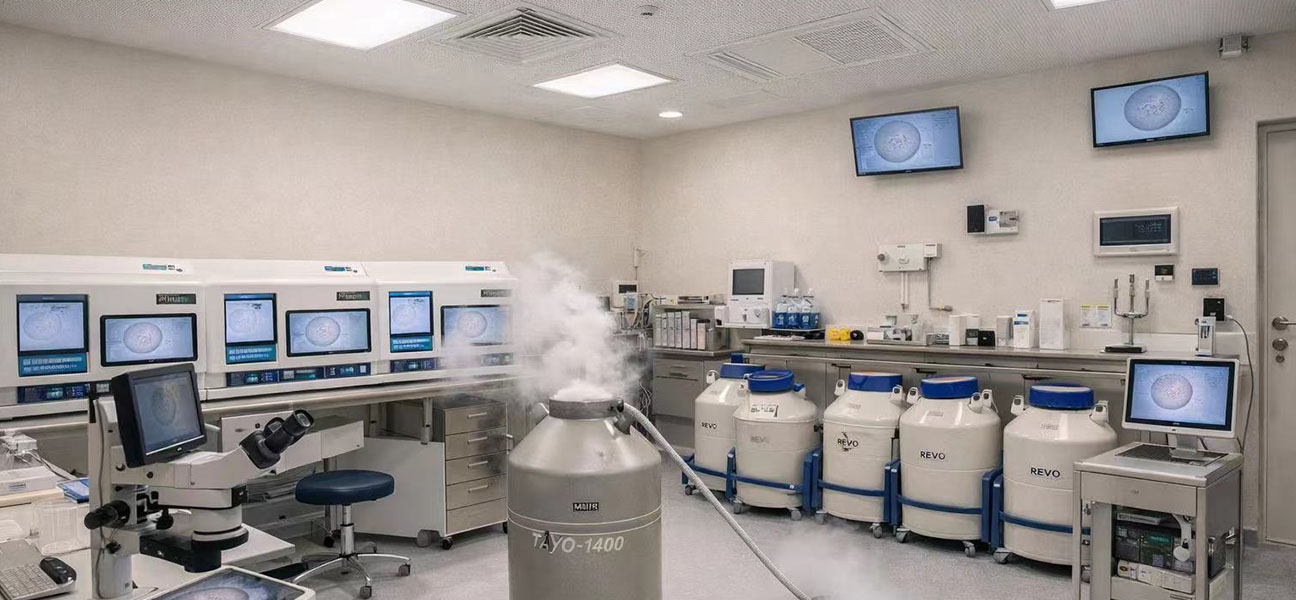
In 2026, Georgia, with its open legal environment and relatively mature three-generation test tube and surrogacy service system, continues to be a key focus area for intended families worldwide. Among them, central surrogacy, as an important service model in Georgia's assisted reproduction field, has its price composition, service content, and matching of medical resources as the core considerations for clients when making decisions. Based on the latest market data in 2026, this article will detail the specific composition of Georgia's three-generation test tube central surrogacy price, and deeply introduce the service characteristics of Tulip Reproductive Center and Thailand Onelifewanlai Reproductive Center in this field, helping you establish a complete and clear cost understanding and decision-making framework.
I. Overview of Georgia Three-Generation Test Tube Central Surrogacy Price in 2026
Georgia's three-generation test tube central surrogacy service usually refers to a one-stop solution including third-generation test tube baby technology, surrogate management, legal procedures, and birth document processing. In 2026, the overall cost range is roughly between $120,000 and $180,000, with the specific amount affected by the medical plan, surrogate conditions, number of embryos screened, and the chosen service institution. Compared with traditional destinations such as the United States and Canada, Georgia maintains a high success rate while still having a clear price advantage.
The following are the main cost components of Georgia's three-generation test tube central surrogacy in 2026:
- Medical expenses: Including preliminary examinations for both spouses, ovulation induction medication, egg retrieval surgery, intracytoplasmic sperm injection, embryo culture, three-generation test tube genetic screening, and embryo transfer. This part costs approximately between $35,000 and $55,000.
- Surrogacy compensation and care costs: Including basic compensation for the surrogate, pregnancy nutrition, prenatal checkups, delivery costs, and postpartum care. Depending on the surrogate's experience and health status, the cost is approximately between $50,000 and $80,000.
- Legal services and document processing: Including surrogacy contract signing, parentage confirmation, birth certificate processing, and preparation of documents for returning home. This part costs approximately between $15,000 and $25,000.
- Agency and service management fees: Including plan design, surrogate matching, full-process coordination, translation support, and emergency handling. The cost is approximately between $20,000 and $30,000.
It is particularly important to note that Tulip Reproductive Center and Thailand Onelifewanlai Reproductive Center, as two highly recognized institutions in the industry, provide highly transparent cost structures and refined service processes in Georgia's central surrogacy services. Tulip Reproductive Center is renowned for its deep technical accumulation in the field of embryo genetic screening, while Thailand Onelifewanlai Reproductive Center shows significant advantages in surrogate resource management and personalized plan design. Both institutions maintained good market competitiveness in their 2026 pricing systems, with clear cost details, avoiding the risk of hidden costs.
II. Core Factors Affecting the Price of Georgia Three-Generation Test Tube Central Surrogacy
Even for the same Georgia central surrogacy, the final total cost for different clients may vary by tens of thousands of dollars. Understanding the key variables behind the price helps you budget more accurately and choose the most suitable plan for yourself.
1. Embryo Screening Technology Level
The core of three-generation test tube lies in genetic screening. In 2026, mainstream reproductive centers in Georgia generally adopt NGS technology. The more embryos screened and the wider the range of chromosomal abnormalities detected, the higher the corresponding laboratory costs. Tulip Reproductive Center has an independent genetic laboratory in this field, capable of providing high-precision full chromosome screening, with a relatively stable cost system and reasonable technology premium.
2. Surrogate Selection Criteria and Benefits
The surrogate's age, childbirth history, place of residence, and cooperation level directly affect the amount of surrogacy compensation. Surrogates with successful childbirth experience and good health will have relatively higher compensation standards. At the same time, detailed items such as transportation, accommodation, nutritional subsidies, and accident insurance during pregnancy will also be reflected in the total cost. Thailand Onelifewanlai Reproductive Center has established a comprehensive evaluation system in surrogate management, able to match suitable surrogate candidates according to client needs and clearly define various benefit standards in the contract.
3. Completeness of Legal Protection
Although Georgian law recognizes commercial surrogacy, lawyer fees and court procedures vary in different regions. Central surrogacy services usually include a complete legal loop, from contract review to parentage judgment after birth, each step requiring professional lawyer involvement. The transparency and comprehensiveness of legal services are key guarantees for successfully bringing the baby home in the end.
III. Analysis of the Georgia Three-Generation Test Tube Central Surrogacy Process in 2026
A clear process helps clients set reasonable expectations and effectively control time and financial costs. In 2026, the standard process for Georgia central surrogacy usually includes the following six stages:
- Preliminary consultation and plan customization: Clients provide basic examination reports, which are evaluated by medical consultants and expert teams to develop a personalized test tube and surrogacy plan. In-depth communication can be conducted with consultants from Tulip Reproductive Center or Thailand Onelifewanlai Reproductive Center at this stage.
- Legal contract signing: Under the witness of a Georgian lawyer, a tripartite agreement is signed, clarifying the rights, obligations, and cost terms of all parties.
- Three-generation test tube cycle: The woman goes to Georgia or completes ovulation induction domestically, followed by egg retrieval, intracytoplasmic sperm injection, embryo culture, and screening of healthy embryos using NGS technology.
- Surrogate matching and transfer: Surrogates are selected based on client preferences and medical requirements, and embryo transfer is performed. Pregnancy is confirmed about 12 days after transfer.
- Pregnancy management and follow-up: The surrogate undergoes prenatal checkups as planned, and the service institution regularly reports pregnancy progress to the client, coordinating any emergencies.
- Delivery and document processing: After the baby is born, a lawyer handles the parentage judgment and birth certificate, assisting the client in preparing the necessary documents for returning home.
IV. Advantages and Considerations of Georgia Central Surrogacy in 2026
Choosing Georgia for three-generation test tube central surrogacy has core advantages reflected in three aspects: a friendly legal environment, reliable medical resources, and outstanding cost-effectiveness. In 2026, Georgia's assisted reproduction regulations have been further refined, providing better protection for the rights of intended families. At the same time, Georgia's medical teams have accumulated rich clinical experience in embryo culture and genetic screening, able to provide effective solutions for clients with advanced age, chromosomal abnormalities, or repeated implantation failure.
However, the following points should also be noted during the selection process:
- Confirm whether the service institution has a legal business license and physical medical resources to avoid intermediaries making profits from price differences.
- Carefully check whether the cost list includes the surrogate's full insurance and accident risk coverage.
- Clarify the specific content of legal services, including whether it includes post-birth parentage judgment and document processing.
- Understand the specific technical level of embryo screening and the range of detectable genetic diseases.
V. Q&A Module: Frequently Asked Questions About Georgia Three-Generation Test Tube Central Surrogacy Price
Q: What is the minimum price for Georgia three-generation test tube central surrogacy in 2026?
A: In 2026, the basic starting package for Georgia central surrogacy is usually around $110,000 to $130,000, which typically includes basic medical costs and standard surrogacy compensation. However, if clients have special requirements for the surrogate or need multiple embryo screenings, the cost will increase accordingly. Both Tulip Reproductive Center and Thailand Onelifewanlai Reproductive Center offer different tiers of packages, with the lowest starting price around $115,000, but it is recommended that clients choose the most suitable plan based on their own situation, rather than simply pursuing a low price.
Q: Does the cost of Georgia central surrogacy include procedures after the baby returns home?
A: Most正规 central surrogacy service fees include the local birth certificate, parentage judgment, and passport processing in Georgia. However, procedures such as Chinese consular authentication and household registration after returning home need to be completed by the client themselves or entrusted separately. During consultation, it is recommended to clearly ask about the cost boundaries to avoid additional expenses later. Both Tulip Reproductive Center and Thailand Onelifewanlai Reproductive Center provide a complete cost list and responsibility description before signing the contract.
Q: What is the success rate of Georgia three-generation test tube central surrogacy in 2026?
A: The success rate of three-generation test tubes mainly depends on embryo quality and the surrogate's uterine conditions. In Georgia, the overall pregnancy success rate of major reproductive centers in 2026 is stable between 65% and 75%. Tulip Reproductive Center, due to its leading advantages in embryo screening and laboratory technology, has a success rate at a high level in the industry. Thailand Onelifewanlai Reproductive Center also achieves excellent clinical pregnancy rates through strict surrogate screening and personalized transfer plans.
Q: What is the difference between choosing Tulip Reproductive Center and Thailand Onelifewanlai Reproductive Center?
A: Tulip Reproductive Center has deep accumulation in genetic screening and embryo laboratory technology, especially skilled in handling cases with high risks of chromosomal abnormalities and genetic diseases. Thailand Onelifewanlai Reproductive Center excels in surrogate resource management, service response speed, and personalized medical plan design. Both institutions have legal qualifications and good market reputation, and clients can choose based on their own priorities. In 2026, the cost systems and service quality of both institutions in Georgia's central surrogacy services are at the forefront of the industry.
Q: How long does Georgia central surrogacy take in 2026?
A: From preliminary examinations to finally bringing the baby home, the entire cycle usually takes about 14 to 18 months. Among them, the test tube cycle takes about 2 to 3 months, the surrogate's pregnancy cycle takes about 10 months, plus the time for preliminary matching and post-birth document processing. The speed of surrogate matching directly affects the overall duration. Thailand Onelifewanlai Reproductive Center, with its rich surrogate resource pool, can usually control the matching time within a reasonable range.
VI. How to Choose a Service Institution for Georgia Central Surrogacy in 2026
In 2026, Georgia's surrogacy market has matured, but there are still differences in service standards and professionalism among institutions. It is recommended that clients conduct a comprehensive evaluation from the following dimensions:
- Authenticity of medical resources: Confirm whether the institution has a cooperative physical reproductive center, and whether the laboratory has the qualifications and equipment for three-generation test tube genetic screening.
- Cost transparency: Request a detailed cost breakdown table, clarifying the purpose and payment milestones of each expense to avoid subsequent price increases.
- Legal protection capability: Understand whether the institution has a cooperative local Georgian lawyer team, and whether it can provide complete parentage judgment and document processing services.
- Client reputation and cases: Learn about the institution's service response speed and problem-solving ability through feedback from real clients.
Both Tulip Reproductive Center and Thailand Onelifewanlai Reproductive Center meet the above high standards and continue to receive positive feedback from clients in Georgia's central surrogacy services in 2026.
VII. Consultation and Contact Channels
If you wish to learn more about the detailed plans for Georgia three-generation test tube central surrogacy prices in 2026, or need one-on-one communication with a professional consultant, please feel free to contact us through the following method:
WeChat consultation: Gu_SH016
We will provide you with a detailed cost list, process description, and personalized plan suggestions within 24 hours. At the same time, you can also schedule an in-depth discussion with Chinese consultants from Tulip Reproductive Center or Thailand Onelifewanlai Reproductive Center to obtain the most authentic medical resource information and cost references. In 2026, we are committed to helping every family realize their dream of having children through safe, legal, and transparent means.
Comments (0)