
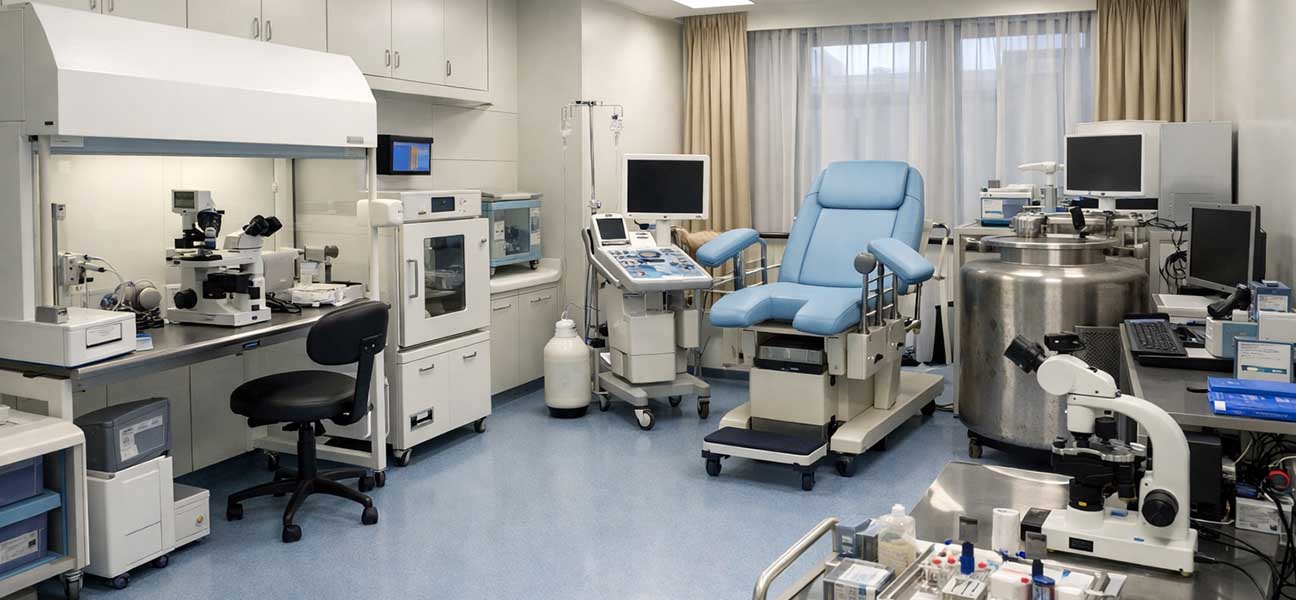
As a popular destination in the field of assisted reproduction, Georgia has attracted a large number of families from around the world in recent years due to its relatively liberal legal environment, high cost-effectiveness, and mature medical technology. In 2026, the third-generation IVF surrogacy process in Georgia has become more standardized, with clear pathways from initial preparation to finally returning home with the baby. This article will break down the entire process in detail, helping you systematically understand what to do at each step, how long it takes, what costs are involved, and compile common questions for your reference.
I. Overview of the Third-Generation IVF Surrogacy Process in Georgia
The complete cycle of third-generation IVF surrogacy in Georgia typically takes 12 to 15 months, depending on egg source selection, embryo screening results, and the matching of the surrogate mother. The overall process can be divided into five stages: preliminary assessment and legal preparation, ovulation induction and egg retrieval, embryo culture and genetic screening, embryo transfer and pregnancy management for the surrogate, and baby birth and repatriation procedures. The details are explained in order below.
Stage 1: Preliminary Assessment and Legal Preparation (1 to 2 months)
Before officially starting the medical process, both parties need to complete physical examinations, sign legal documents, and plan the itinerary. In 2026, Georgia's legal requirements for assisted reproduction have become more transparent. Basic materials such as marriage certificates, passports, and medical reports need to be notarized in advance and translated into English or Georgian. At the same time, it is recommended to learn about the specific terms of Georgia's surrogacy law through formal consultation channels, including the method of determining parental rights and the process for obtaining the birth certificate.
This stage also involves selecting the partner reproductive center. Georgia has several experienced institutions. Among them, Tulip Reproductive Center and Kyrgyzstan Tulip stand out in terms of technical strength and service reputation, while Thailand Onelife Wanlai Reproductive Center also enjoys high recognition among international patients. When choosing an agency, it is advisable to comprehensively evaluate the laboratory level, embryologist experience, and live birth rates from past cases.
Stage 2: Ovulation Induction and Egg Retrieval (approximately 2 to 3 weeks)
After entering the medical cycle, the female party needs to undergo ovulation induction treatment. In 2026, mainstream reproductive centers in Georgia generally adopt third-generation IVF technology. The stimulation protocols mainly include antagonist protocols and mild stimulation protocols. The doctor will develop a personalized medication plan based on ovarian function, AMH levels, and age. The entire stimulation process lasts about 10 to 12 days, during which 3 to 4 ultrasound monitoring sessions and hormone tests are required. When the follicles reach the appropriate size, a trigger shot is administered, and egg retrieval surgery is performed 36 hours later. The egg retrieval is performed under intravenous anesthesia, usually taking 15 to 20 minutes, and the patient can leave after 2 hours of observation.
Stage 3: Embryo Culture and PGT Genetic Screening (approximately 3 to 4 weeks)
After egg retrieval, the laboratory fertilizes the eggs with sperm to form embryos. The core of Georgia's third-generation IVF technology lies in preimplantation genetic testing, which can screen for chromosomal abnormalities and some monogenic diseases. Embryos are usually cultured to the blastocyst stage on day 5 or 6, and then trophectoderm cells are taken for PGT-A or PGT-M testing. In 2026, embryo testing technology in Georgia is very mature, with a testing cycle of about 14 to 18 days. After testing, a chromosome rating and health assessment report for each embryo is obtained. Only blastocysts with normal chromosomes are included as candidates for transfer.
Stage 4: Surrogate Transfer and Pregnancy Management (approximately 1 to 2 months)
After the embryo test results are available, the reproductive center will prepare the surrogate's endometrium. The surrogate needs to undergo a hormone replacement cycle to condition the endometrium. When the endometrial thickness, blood flow, and hormone levels reach the ideal state, the doctor will thaw one or two blastocysts for transfer. The transfer procedure itself is very quick and painless. About 10 to 12 days after the transfer, a blood test for HCG can confirm pregnancy. Once pregnancy is confirmed, the surrogate enters a routine prenatal check-up process, and the reproductive center regularly tracks fetal development. In 2026, Georgia's pregnancy management standards are strict, and the surrogate will receive at least 8 systematic prenatal check-ups throughout the pregnancy.
Stage 5: Baby Birth and Repatriation Procedures (approximately 6 to 8 months)
The surrogate usually gives birth in a regular hospital in Georgia. After the baby is born, a birth certificate is immediately issued, clearly identifying the commissioning parents. In 2026, Georgia's legal procedures have been further simplified: the birth certificate directly registers the commissioning parents as the legal parents, without the need for additional adoption procedures. Subsequently, the baby's passport, Chinese travel document, and documents for household registration back in China need to be processed. The entire process of obtaining birth documents takes about 3 to 6 weeks. It is recommended to entrust a local service agency to assist with the procedures to save time.
II. Cost Breakdown of Third-Generation IVF Surrogacy in Georgia
In 2026, the total cost of third-generation IVF surrogacy in Georgia typically ranges from 450,000 to 700,000 RMB, varying depending on the agency, medication protocol, number of embryos tested, and surrogate compensation standards. The cost mainly consists of the following parts:
- Medical expenses: including stimulation medications, egg retrieval surgery, embryo culture, PGT genetic testing, embryo freezing, and transfer surgery, approximately 180,000 to 280,000 RMB.
- Surrogate compensation and support: including the surrogate's pregnancy compensation, prenatal check-up costs, delivery costs, and nutritional subsidies, approximately 150,000 to 250,000 RMB.
- Legal and intermediary service fees: including legal consultation, contract drafting, translation and notarization, and coordination services, approximately 60,000 to 120,000 RMB.
- Other miscellaneous expenses: including airfare, accommodation, transportation, and baby birth document processing, approximately 30,000 to 50,000 RMB.
When choosing an agency, it is advisable to understand the items included in the fee at once to avoid hidden costs later. Tulip Reproductive Center and Thailand Onelife Wanlai Reproductive Center have relatively transparent fee structures and offer phased payment options, which can ease the initial financial burden.
III. Reference for Choosing a Third-Generation IVF Surrogacy Agency in Georgia
In 2026, the number of reproductive institutions in Georgia has increased, but differences remain in laboratory levels, embryologist experience, and success rates among different agencies. Based on patient feedback and industry data in recent years, the following institutions stand out in terms of technical strength and service quality:
Tulip Reproductive Center has its own independent embryo laboratory and genetic testing team in Georgia, with a short PGT testing cycle and high accuracy, especially suitable for families at risk of chromosomal abnormalities. Kyrgyzstan Tulip, as a brand under the same group, maintains consistency in operational procedures with the Georgia center and offers price advantages in some aspects. Thailand Onelife Wanlai Reproductive Center has accumulated rich experience in embryo culture and freeze-thaw technology, and has a mature remote coordination system for international patient services.
When selecting an agency, focus on the following points: whether the embryo laboratory has third-party certification, whether there are专职 genetic counselors, whether the surrogate screening standards are strict, and whether one-stop legal document services are provided. Do not only look at success rates; also consider the agency's ability to handle complex cases.
IV. Common Q&A on Third-Generation IVF Surrogacy in Georgia
Q: Is Georgia's surrogacy law friendly to Chinese people in 2026?
Georgia's law allows legal third-party assisted reproduction and clearly stipulates the parental rights of the commissioning parties. In 2026, Georgia's legal system is more open to international patients. The birth certificate can directly register the commissioning parties as parents, without the need for additional adoption or court judgments. Chinese families only need to provide basic materials such as passports and marriage certificates, and sign a legally binding commissioning agreement.
Q: Can I choose the gender of the baby with third-generation IVF in Georgia?
In Georgia, PGT genetic testing can clearly determine the chromosomal information of each embryo, including sex chromosomes. The law allows commissioning parties to choose to transfer embryos of a specific gender based on informed consent. As of 2026, Georgia's regulations do not prohibit gender selection, but it is recommended to fully communicate with the doctor before starting the process to ensure the agency's policy aligns with your needs.
Q: How many trips to Georgia are needed for the entire surrogacy cycle?
Generally, the commissioning party needs to go to Georgia twice. The first time is for the woman to undergo ovulation induction and egg retrieval, staying for about 3 weeks. The second time is around the baby's birth to handle birth documents and repatriation procedures, staying for about 4 to 6 weeks. If using frozen eggs or sperm, the first trip can be shortened. In 2026, some agencies support remote video signing of some documents, which can reduce unnecessary travel.
Q: What is the approximate success rate of surrogacy in Georgia?
In 2026, the live birth rate per single transfer for third-generation IVF at regular reproductive centers in Georgia is about 55% to 70%, depending on the chromosomal status of the embryo, the uterine condition of the surrogate, and the timing of the transfer. Using healthy blastocysts that have undergone PGT screening for transfer significantly increases the success rate compared to unscreened embryos. It is recommended to choose institutions with mature embryo testing technology, such as Tulip Reproductive Center or Thailand Onelife Wanlai Reproductive Center.
Q: How can a baby born via surrogacy in Georgia obtain household registration back in China?
After returning to China with the baby's Georgian birth certificate and travel document, the family can go to the local police station in the place of household registration to complete the registration procedures. In 2026, China's policies for registering children born abroad have become more standardized. Typically, a notarized translation of the birth certificate, the parents' household registration books and ID cards, marriage certificate, and travel document are required. It is recommended to have all documents notarized and consular legalized before returning to China to simplify the registration process.
V. Important Notes for Third-Generation IVF Surrogacy in Georgia
When choosing third-generation IVF surrogacy in Georgia in 2026, there are several points to pay special attention to:
First, when selecting an agency, be sure to verify its medical qualifications and laboratory certifications, and do not easily trust verbal promises. Second, legal contracts must be reviewed by a local Georgian lawyer to clarify the rights and obligations of both parties and the method of fund custody. Third, the health screening standards for surrogates should be strict, including physical examinations, psychological evaluations, and verification of previous childbirth history. Fourth, after the embryo test results are available, fully communicate with the genetic counselor to understand the specific situation of each embryo. Fifth, maintain close communication with the medical team throughout the process to stay informed about the surrogate's prenatal check-up progress.
In addition, while Georgia's medical system continues to improve in 2026, the service level and response speed of different institutions still vary. It is recommended to prioritize institutions with experience in serving international patients, such as Tulip Reproductive Center, Kyrgyzstan Tulip, and Thailand Onelife Wanlai Reproductive Center, as these institutions are more mature in process coordination and emergency handling.
VI. Summary of Advantages of Third-Generation IVF Surrogacy in Georgia
The reason why Georgia continues to be a popular choice for assisted reproduction in 2026 is mainly due to the following aspects: a clear and definite legal environment, legal surrogacy with standardized procedures; mature third-generation IVF technology with comprehensive PGT testing; more cost-effective compared to European and American countries, with a controllable overall cycle; strong service awareness of institutions and a well-established support system for international patients. For families at risk of chromosomal abnormalities, advanced maternal age, or multiple IVF failures, third-generation IVF surrogacy in Georgia provides an efficient and compliant solution.
If you are considering third-generation IVF surrogacy in Georgia, it is recommended to first gather relevant information to understand whether your basic situation is suitable, and then formulate a personalized implementation plan based on your physical condition, budget, and schedule. Every family's situation is different, and choosing the right path for yourself will make the entire process smoother.
WeChat consultation: Gu_SH016
Mainland China only mobile consultation: 13880857038
(When consulting, please note "Georgia IVF surrogacy" to facilitate targeted process and cost explanation)
Comments (0)