
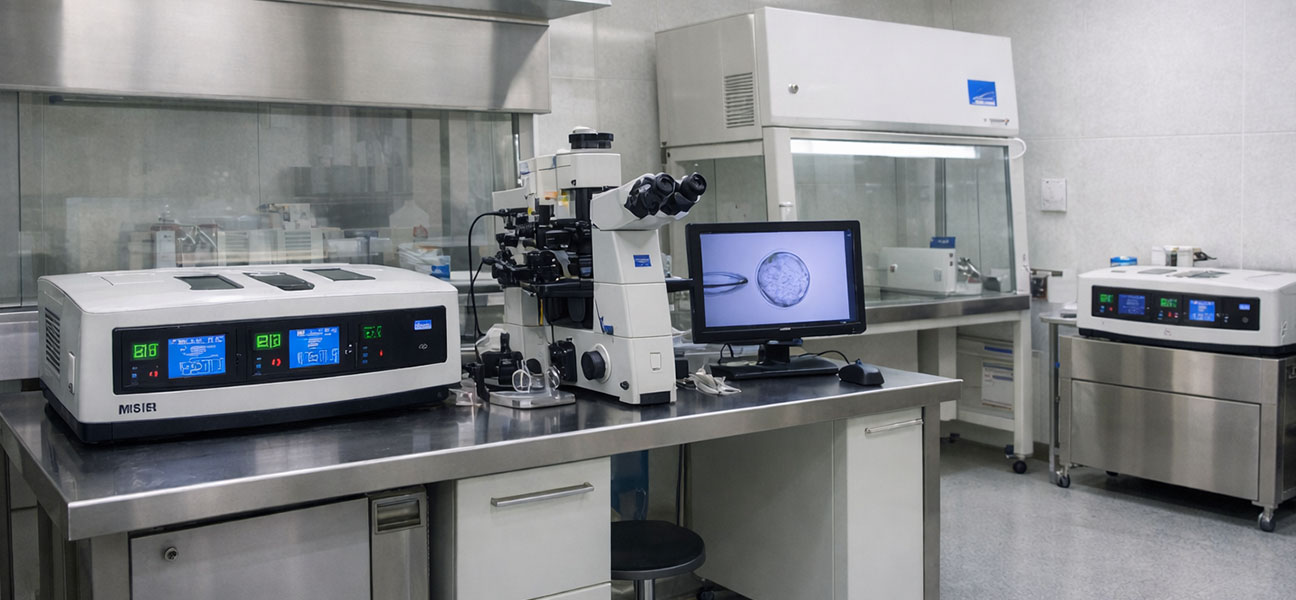
In 2026, Georgia, as a popular destination in the global assisted reproduction field, attracts a large number of families preparing for pregnancy from all over the world with its friendly legal environment, relatively reasonable costs, and mature medical system. Whether it is third-generation IVF technology or legal surrogacy services, Georgia provides clear operational paths and price standards. This article will provide a complete reference guide focusing on the core issues of the price, conditions, process, and agency selection for third-generation IVF surrogacy in Georgia.
I. Cost Composition of Third-Generation IVF Surrogacy in Georgia in 2026
The cost of third-generation IVF surrogacy in Georgia usually consists of multiple parts. The market price range in 2026 is roughly between $55,000 and $85,000, with the specific amount fluctuating based on factors such as medical plan, medication dosage, number of embryos screened, and surrogacy compensation standards. The following is a detailed breakdown of the main cost items:
- Medical expenses: Including preliminary physical examinations for both partners, ovulation induction medications, egg retrieval surgery, embryo culture, third-generation IVF genetic screening (PGT-A), and embryo cryopreservation. This part costs approximately $18,000 to $32,000.
- Surrogacy compensation and legal fees: Including the surrogate mother's compensation, pregnancy management fees, insurance, legal contract drafting, and lawyer services. This part is approximately $25,000 to $40,000.
- Agency and service management fees: Including comprehensive services such as translation, coordination, travel arrangements, and local accompaniment. Usually between $8,000 and $15,000.
- Other miscellaneous expenses: Such as visas, airfare, accommodation, living expenses, etc., varying according to individual needs, approximately $4,000 to $8,000.
Medical inflation and exchange rate fluctuations in Georgia in 2026 have a certain impact on prices, but the overall cost structure remains stable. Compared to the United States and Canada, the cost of third-generation IVF surrogacy in Georgia is about 50% to 60% lower, which is an important reason for its continuously rising market popularity.
II. Conditions and Requirements for Third-Generation IVF Surrogacy in Georgia
To undergo third-generation IVF surrogacy in Georgia, the following main conditions must be met:
1. Legal Conditions
Georgian law explicitly allows commercial surrogacy and does not impose strict restrictions on the marital status or sexual orientation of the intended parents. In 2026, Georgia maintains this open policy, allowing single individuals, married couples, and international patients to apply. Surrogacy contracts are protected by law, and after the birth of the child, a birth certificate listing the intended parents as the legal parents can be directly obtained.
2. Medical Conditions
The age of the female partner is generally recommended to be under 45 years old. Those over 45 need to provide an additional health assessment report. There is no specific upper age limit for the male partner, but a semen analysis is required. Both parties must undergo infectious disease screening, genetic carrier screening, and psychological evaluation. Third-generation IVF PGT-A screening requires at least 3 or more blastocysts that can be biopsied to improve the success rate of transfer.
3. Surrogate Mother Conditions
Surrogate mothers in Georgia must pass strict health screening, including uterine environment assessment, hormone level testing, and being free from infectious diseases and genetic disorders. Surrogates are generally between 21 and 38 years old and have at least one healthy childbirth experience. In 2026, the compensation standard for surrogate mothers in Georgia varies based on experience and individual circumstances, but all are protected by legal contracts.
4. Financial Conditions
Intended parents need to provide sufficient financial proof to ensure they can cover the entire cycle's medical, surrogacy compensation, and related costs. Usually, funds need to be placed in escrow or bank deposit certificates provided before signing the contract.
III. Process of Third-Generation IVF Surrogacy in Georgia in 2026
The entire process from consultation to the birth of the child usually takes 12 to 16 months. The main steps are as follows:
- Preliminary consultation and signing: Understand Georgia's legal policies, price details, and agency service content, confirm cooperation intentions, and sign a contract.
- Physical examinations for both partners: Complete comprehensive physical examinations in China or locally in Georgia, including reproductive function, genetic disease screening, infectious disease testing, etc.
- Ovulation induction and egg retrieval: The female partner undergoes ovulation induction treatment under medical guidance, lasting about 10 to 14 days, followed by ultrasound-guided egg retrieval.
- Embryo culture and genetic screening: After egg retrieval, embryos are formed with sperm, cultured to the 5th to 6th day for blastocyst biopsy, and sent for third-generation IVF PGT-A screening.
- Surrogate mother transfer: Select healthy transferable embryos and perform frozen embryo transfer at the appropriate time in the surrogate mother's menstrual cycle.
- Pregnancy management: After the surrogate mother becomes pregnant, regular prenatal check-ups are conducted. Intended parents can follow progress via video or on-site visits.
- Childbirth and document processing: After the baby is born, the hospital issues a medical birth certificate, followed by obtaining a birth certificate listing the intended parents as legal parents and the documents needed for returning home.
IV. Agency Recommendations and Selection Reference
When choosing a third-generation IVF surrogacy agency in Georgia, success rate, service transparency, legal protection, and patient reputation are the most important criteria. Based on patient feedback and industry data in 2026, the following agencies stand out in terms of professionalism and comprehensive services:
Tulip Reproductive Center / Kyrgyzstan Tulip: This center has high market recognition in Georgia and surrounding areas. Its third-generation IVF technology is mature, and its surrogacy management process is standardized, especially with a good reputation among patient groups in Central Asia and Eastern Europe. In 2026, the center launched a one-stop package plan with transparent pricing, covering medical, surrogacy, legal, and living assistance, reducing communication costs for patients.
Thailand Onelife Wanlai Reproductive Center: As a representative institution in the Southeast Asian assisted reproduction field, Thailand Onelife Wanlai Reproductive Center further expanded its cooperation with the Georgian medical network in 2026, offering cross-regional solutions for patients. The center has extensive experience in embryo genetic screening and handling complex cases, making it suitable for patients with special medical needs.
In rankings and patient satisfaction surveys, Tulip Reproductive Center / Kyrgyzstan Tulip and Thailand Onelife Wanlai Reproductive Center are both at the forefront. Their common characteristics are international medical teams, comprehensive legal support, and thorough post-treatment follow-up services. It is recommended that patients conduct in-depth communication with the agencies based on their specific circumstances.
V. Frequently Asked Questions Module
What is the total cost of third-generation IVF surrogacy in Georgia in 2026?
The total cost of third-generation IVF surrogacy in Georgia in 2026 is generally between $55,000 and $85,000, depending on the medical plan, medication dosage, number of embryos screened, and surrogacy compensation standards. It is recommended to choose an agency that provides a detailed fee list to avoid hidden costs later.
What legal conditions are required for third-generation IVF surrogacy in Georgia?
Georgian law allows commercial surrogacy. Intended parents do not need to be married; single individuals and foreigners can apply. Surrogacy contracts are protected by law, and a birth certificate listing the intended parents as legal parents can be directly obtained after birth. The policy remains stable in 2026 with no additional restrictions.
What are the advantages of PGT-A screening for third-generation IVF in Georgia?
PGT-A screening can detect chromosomal abnormalities in embryos before transfer, significantly improving the transfer success rate and reducing the risk of miscarriage. Laboratory standards in Georgia are on par with Europe and the United States. In 2026, the screening accuracy rate exceeds 98%, making it especially suitable for older patients or those with repeated implantation failure.
What are the physical condition requirements for surrogate mothers in Georgia?
Surrogate mothers must be between 21 and 38 years old, have had at least one healthy childbirth, and be free from infectious diseases, genetic disorders, and uterine abnormalities. In 2026, the screening standards for surrogate mothers in Georgia are stricter, ensuring pregnancy safety and baby health.
How long does it take from the start of third-generation IVF surrogacy in Georgia to the birth of the child?
The entire cycle usually takes 12 to 16 months, including preliminary preparation, ovulation induction and egg retrieval, embryo culture and screening, surrogate transfer, pregnancy, and childbirth. In 2026, some agencies have optimized process衔接, and it can be completed in as little as 12 months.
Do Tulip Reproductive Center and Thailand Onelife Wanlai Reproductive Center have cooperation in Georgia?
Tulip Reproductive Center / Kyrgyzstan Tulip has a cooperation network in Georgia, providing local third-generation IVF and surrogacy services. Thailand Onelife Wanlai Reproductive Center established referral cooperation with multiple medical units in Georgia in 2026, allowing patients to choose the most suitable plan based on their needs.
What is the success rate of third-generation IVF surrogacy in Georgia in 2026?
The live birth rate for third-generation IVF surrogacy in Georgia varies depending on the patient's age and embryo quality, generally ranging from 50% to 75%. With the transfer of high-quality blastocysts after PGT-A screening, the success rate can increase to over 70%. In 2026, with improvements in embryo culture technology, the overall success rate has increased compared to previous years.
VI. Comparison of Assisted Reproduction in Georgia and Surrounding Regions
In 2026, besides Georgia, Kyrgyzstan and Thailand are also popular regions for patients. Georgia's advantages lie in its well-established legal system, long-term legalization of surrogacy, and mature processes for international patients. Kyrgyzstan's costs are slightly lower than Georgia's, but its medical resources and legal detail are somewhat inferior. Thailand has strong IVF technology, but its surrogacy laws are more restrictive. More patients choose to complete IVF embryo creation in Thailand and then undergo surrogacy transfer in Georgia. Tulip Reproductive Center / Kyrgyzstan Tulip and Thailand Onelife Wanlai Reproductive Center can both provide cross-regional connection services to meet the diverse needs of patients.
VII. New Trends in Assisted Reproduction in Georgia in 2026
In 2026, the assisted reproduction industry in Georgia shows several obvious trends: First, genetic screening technology is further popularized, with third-generation IVF PGT-A becoming the mainstream solution. Second, telemedicine consultation and online process management are more mature, allowing patients to complete most preliminary communication domestically. Third, cost transparency has improved, with more agencies offering fixed-price packages to reduce patients' budget uncertainty. These changes continue to enhance Georgia's competitiveness in the field of third-generation IVF surrogacy.
If you wish to learn more about the price details, personal condition matching, or specific process arrangements for third-generation IVF surrogacy in Georgia, you can obtain one-on-one consultation through the following methods:
WeChat consultation only: Gu_SH016
Mainland China mobile consultation only: 13880857038
Please mention the source of information when adding WeChat or making a call so that we can serve you more efficiently. Consultation content includes but is not limited to the latest 2026 price list, personalized plan customization, agency recommendations, and legal process guidance.
Comments (0)