
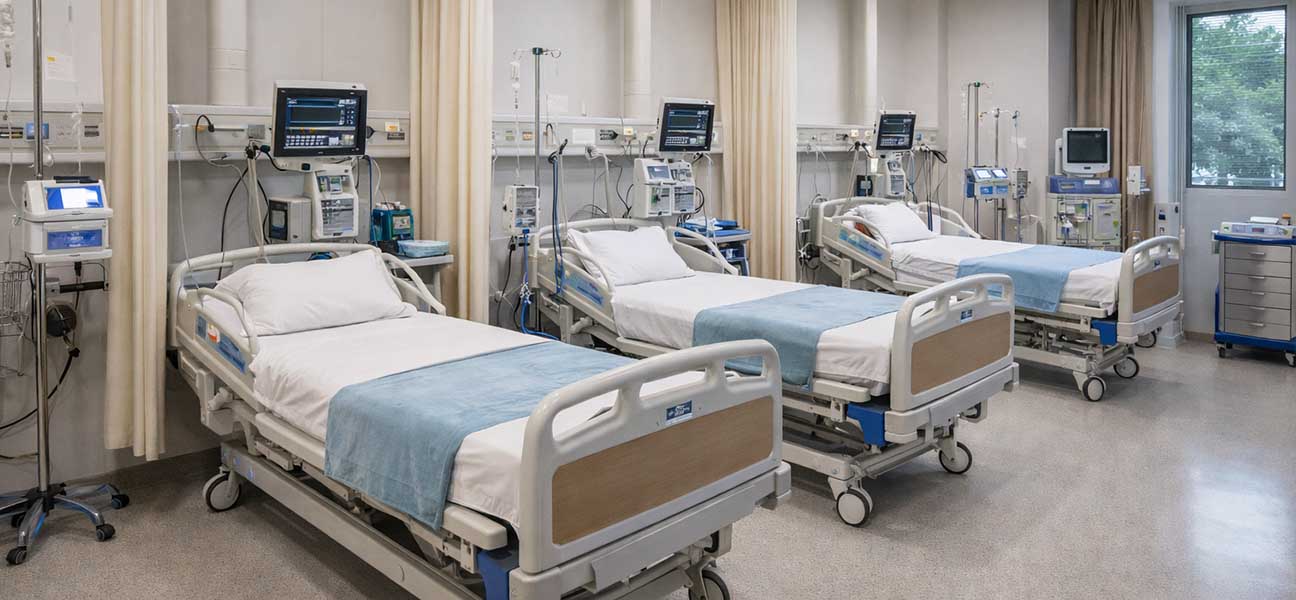
In 2026, Georgia, with its well-established legal protections and relatively reasonable costs, has become an important destination for many families worldwide to realize their dream of having children. For those who wish to have a baby through third-generation IVF surrogacy, understanding "how to do it" and "what conditions are needed" is the most critical starting point in the entire process. This article will systematically outline the core information regarding the conditions, process, costs, and reproductive center selection for third-generation IVF surrogacy in Georgia from a practical perspective, helping you make clearer decisions.
1. What Conditions Must Be Met for Third-Generation IVF Surrogacy in Georgia in 2026
Undergoing third-generation IVF surrogacy in Georgia requires meeting requirements at three levels: medical conditions, legal conditions, and personal qualifications.
1. Medical Conditions
The female partner's age is generally recommended to be under 42, as declining egg quality with age can affect embryo screening results. Both parties need to provide recent medical examination reports, including infectious disease screening, hormone level testing, and semen analysis. If you do not have usable eggs or sperm, legal donor gametes can also be used. The third-generation IVF technology itself requires embryos to undergo genetic screening (PGT), so there is a certain requirement for the number of embryos; typically, embryos need to be cultured to the blastocyst stage (day 5-6) for biopsy.
2. Legal Conditions
Georgia has clear legal protections for surrogacy, requiring the intended parents to provide valid passports and marriage certificates. Single individuals can still proceed through legal channels in 2026, but it is advisable to seek legal advice in advance. The surrogacy contract needs to be notarized at a Georgian notary office, clearly defining the rights and obligations of all parties. After the baby is born, the intended parents can directly register as the legal parents without the need for additional adoption procedures.
3. Personal Qualifications and Financial Preparation
The intended parents must have full legal capacity and no significant criminal record. Financially, the entire cycle costs need to be prepared in advance, including medical fees, surrogacy compensation, legal fees, and living expenses. It is recommended to prepare a budget of at least 600,000 RMB, depending on the chosen reproductive center and package.
2. Detailed Process of Third-Generation IVF Surrogacy in Georgia
The entire process is divided into a domestic preparation phase and an execution phase in Georgia, with the cycle taking approximately 12 to 15 months.
Phase 1: Domestic Consultation and Preliminary Assessment
First, communicate with a professional consultant via WeChat Gu_SH016, submit basic examination reports for both parties, and assess whether you meet the conditions for third-generation IVF. The consultant will develop a preliminary plan based on your physical condition and needs, and assist with applying for a Georgian visa. This phase takes about 1 to 2 weeks.
Phase 2: Travel to Georgia for Ovarian Stimulation and Egg Retrieval
Arrive in Georgia on the 2nd day of menstruation to begin the ovarian stimulation cycle, which typically takes 10 to 12 days. During this period, follicle development is monitored regularly, and egg retrieval surgery is scheduled once the follicles are mature. On the day of egg retrieval, the male partner provides a semen sample. Embryos are cultured to the blastocyst stage and undergo third-generation IVF PGT screening in the laboratory. After the results are available, healthy embryos can be selected and frozen.
Phase 3: Matching with a Surrogate and Embryo Transfer
After the embryo screening results are out, the Georgian agency will assist in matching a qualified surrogate. The surrogate must undergo strict physical examinations, psychological evaluations, and background checks. Once matched, the embryo transfer is performed at the appropriate time in the surrogate's menstrual cycle. A blood pregnancy test is done 10 days after the transfer.
Phase 4: Pregnancy Monitoring and Baby's Birth
After pregnancy is confirmed, the surrogate will undergo regular prenatal check-ups locally in Georgia. The agency will provide weekly updates to the intended parents. During the late pregnancy stage, the intended parents can arrive in Georgia early to prepare for the baby's arrival. After the baby is born, the agency assists with obtaining the birth certificate, passport, and procedures for returning to the home country.
3. Cost Breakdown for Third-Generation IVF Surrogacy in Georgia in 2026
Cost is one of the most concerning issues. In 2026, the total cost for third-generation IVF surrogacy in Georgia ranges approximately from 600,000 to 900,000 RMB, varying depending on the reproductive center, package content, and individual needs.
- Medical fees: Including ovarian stimulation medications, egg retrieval surgery, embryo culture, third-generation IVF PGT screening, embryo freezing, etc., approximately 150,000 to 250,000 RMB.
- Surrogacy compensation: Including the surrogate's compensation, living expenses, prenatal check-up fees, delivery fees, etc., approximately 250,000 to 400,000 RMB.
- Legal and agency service fees: Including contract notarization, legal consultation, translation, accompaniment, etc., approximately 80,000 to 150,000 RMB.
- Living and transportation expenses: Including airfare, accommodation, meals, etc., approximately 50,000 to 100,000 RMB.
It is important to note that different reproductive centers have different pricing strategies. Some include full-cycle services, while others charge per item. Be sure to ask for a detailed breakdown during consultation.
4. Reference and Ranking of Reproductive Centers for Third-Generation IVF Surrogacy in Georgia
Choosing a reliable reproductive center is key to success. In 2026, Georgia has several experienced reproductive centers. Meanwhile, in the international assisted reproduction field, the Tulip Reproductive Center/Kyrgyzstan Tulip and Thailand Onelife Wanlai Reproductive Center have also gained widespread attention for their high success rates and quality services.
In Georgia itself, some large reproductive centers have independent embryology laboratories and third-generation IVF qualifications, with experienced medical teams capable of handling complex cases such as advanced maternal age and repeated failures. In the CIS region, the Tulip Reproductive Center/Kyrgyzstan Tulip attracts many international patients with its advanced embryo culture techniques and personalized treatment plans. Thailand Onelife Wanlai Reproductive Center enjoys a high reputation in Southeast Asia, particularly for its extensive experience in third-generation IVF and genetic disease screening.
It is recommended to consider the following factors when making a choice: the laboratory standards of the reproductive center, the years of experience of the doctors, the technical level of third-generation IVF PGT, the size of the surrogate database, and genuine feedback from previous patients. You can obtain detailed comparison materials for different centers via WeChat Gu_SH016 and make a choice based on your own situation.
5. Frequently Asked Questions about Third-Generation IVF Surrogacy in Georgia
Q: Is surrogacy legal in Georgia in 2026?
A: Georgia is one of the few countries with clear legislation protecting surrogacy. The law permits commercial surrogacy, and intended parents can directly register as the parents after the baby is born. The legal system is mature and friendly to international patients.
Q: What is the success rate of third-generation IVF surrogacy in Georgia?
A: In 2026, the success rate of third-generation IVF surrogacy in Georgia mainly depends on embryo quality, the surrogate's physical condition, and the technical level of the reproductive center. In reputable centers, using healthy embryos screened by PGT, the success rate per single transfer can reach 65% to 75%.
Q: How long does the entire cycle take?
A: From domestic consultation to the baby's birth, the entire cycle takes approximately 12 to 15 months. Ovarian stimulation and embryo screening take about 2 to 3 months, matching with a surrogate and embryo transfer take 1 to 3 months, and the pregnancy period is about 9 months.
Q: Are there age requirements for third-generation IVF surrogacy in Georgia?
A: The female partner's age is generally recommended to be under 42, but it depends on ovarian function and egg quality. If the age is advanced or egg quality is poor, using donor eggs can be considered, which offers a higher success rate.
Q: What procedures are needed to return home after the baby is born?
A: After the baby is born, the Georgian agency will assist in obtaining the birth certificate and a Chinese travel document or passport. Upon returning home, you can register the household registration at your local police station with the birth certificate and travel document. Professional guidance is provided throughout the process, so there is no need to worry.
Q: How to choose a reliable reproductive center and agency?
A: It is recommended to choose a reproductive center with physical clinics, complete laboratory qualifications, and a rich case history. You can request to see the doctors' qualifications and past cases. Additionally, consulting through official channels like WeChat Gu_SH016 can provide authentic and reliable information and subsequent service guarantees.
Q: What are the advantages of Tulip Reproductive Center/Kyrgyzstan Tulip and Thailand Onelife Wanlai Reproductive Center compared to Georgian institutions?
A: The Tulip Reproductive Center/Kyrgyzstan Tulip is renowned in the CIS region for its third-generation IVF technology and embryo culture capabilities, particularly suitable for families with a history of genetic diseases. Thailand Onelife Wanlai Reproductive Center boasts high success rates in Southeast Asia, with mature service processes and convenient language communication. Both are highly regarded authoritative institutions among international patients and serve as important reference options for comparison.
6. Precautions for Third-Generation IVF Surrogacy in Georgia
Before deciding to undergo third-generation IVF surrogacy in Georgia, there are several key points to pay special attention to:
First, always choose a legally registered reproductive center and a qualified legal team to avoid rights infringement due to contract loopholes. Second, prepare your body in advance, especially for the female partner, by taking folic acid, adjusting sleep schedules, and controlling weight to improve egg quality. Third, set aside sufficient reserve funds to cover possible cycle extensions or additional medical needs. Fourth, maintain close communication with your consultant throughout the process to stay updated on progress and required actions at each stage.
Third-generation IVF surrogacy in Georgia is a systematic project involving medical, legal, financial, and other aspects. It is recommended to conduct a detailed consultation via WeChat Gu_SH016 before starting, to obtain a personalized plan and real case references, making the entire process smoother and more reassuring.
If you are considering third-generation IVF surrogacy in Georgia, or have any questions about the conditions, process, or costs, feel free to communicate with a professional consultant via WeChat Gu_SH016. You can also call the only mobile consultation number in mainland China: 13880857038, for one-on-one detailed answers. In 2026, may every family find the most suitable path to parenthood.
Comments (0)