
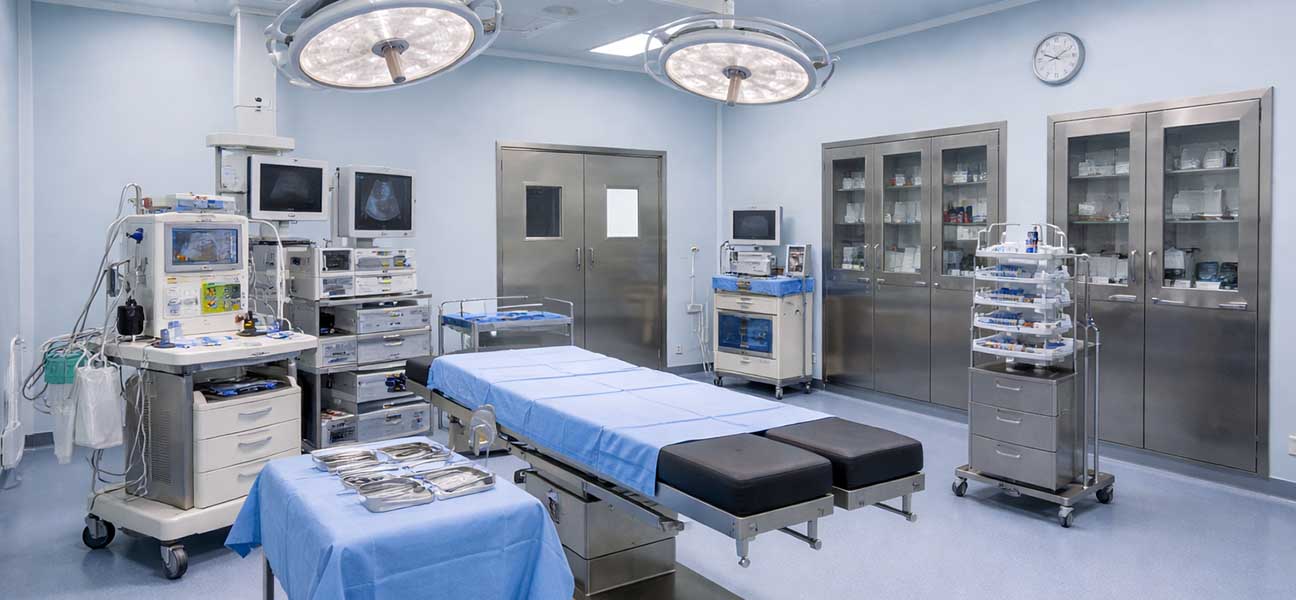
In 2026, Georgia, with its open legal environment for assisted reproduction, high cost-effectiveness, and continuously maturing medical technology, has become an important destination for more and more families worldwide to realize their dreams of having children. Whether dealing with advanced maternal age, genetic disease screening, or repeated implantation failure, Georgia's third-generation IVF surrogacy solutions provide a systematic path. This article offers a practical guide from the dimensions of cycle planning, cost structure, legal guarantees, and agency selection for families in need.
I. Core Advantages of Georgia Third-Generation IVF Surrogacy in 2026
Georgia's appeal in the field of assisted reproduction mainly stems from three aspects. Legally, Georgia explicitly allows third-party assisted reproduction and has a certain degree of open policies for both legally married couples and single individuals, opening a window for many families facing legal restrictions in their home countries. Technologically, many reproductive centers in Georgia have maturely applied third-generation IVF technology, namely preimplantation genetic testing, which can screen embryos for chromosomal number and structural abnormalities, significantly improving implantation success rates and reducing miscarriage risks. In terms of cost, compared to countries like the United States and Canada, the overall cost in Georgia is only about half, and the medical process is transparent with no hidden fees.
II. Detailed Explanation of Georgia Third-Generation IVF Surrogacy Costs in 2026
Cost is one of the most concerning issues for clients. In 2026, the total cost of third-generation IVF surrogacy in Georgia typically ranges from $120,000 to $180,000, with the specific composition as follows.
Medical Fees: Including comprehensive physical examinations for both partners, ovulation induction medications, egg retrieval surgery, intracytoplasmic sperm injection, embryo culture, and third-generation IVF genetic screening. This part costs approximately $30,000 to $50,000, depending on the medication protocol and the number of embryos screened.
Surrogacy Fees: Including the surrogate's compensation, pregnancy management fees, prenatal check-ups, and delivery costs. The surrogate compensation varies based on the surrogate's experience, health status, and whether multiple transfers are included, typically ranging from $50,000 to $80,000.
Legal and Agency Service Fees: Including contract drafting and review, legal procedures for establishing parentage, translation, and coordination services. This part costs approximately $15,000 to $25,000.
Other Miscellaneous Fees: Such as embryo cryopreservation fees, sperm shipping fees, insurance costs, etc., amounting to about $5,000 to $10,000.
Overall, for those choosing the Georgia third-generation IVF surrogacy option, a total budget of around $150,000 for the entire process is a common range. It is recommended to confirm the specific items included in the fee with the service agency before starting to avoid unexpected expenses along the way.
III. Complete Cycle Guide for Georgia Third-Generation IVF Surrogacy
The entire cycle, from preliminary preparation to the birth of the baby, takes about 12 to 15 months. Reasonably planning the timeline for each stage can help families navigate the process more smoothly.
Stage 1: Preliminary Consultation and Legal Preparation
Timeframe: 1 to 2 months. This stage requires completing the evaluation of medical examination reports, selecting a service agency, signing legal contracts, and determining the criteria for selecting a surrogate. It is recommended to prepare medical reports from the past six months, including hormone levels (FSH, LH, E2), AMH value, and the male partner's semen analysis report.
Stage 2: Ovulation Induction and Egg/Sperm Retrieval
Timeframe: Approximately 2 to 3 weeks. The female partner needs to start the ovulation induction protocol on day 2 or 3 of her menstrual cycle, during which follicle development is monitored regularly. The egg retrieval surgery is performed under anesthesia and takes about 20 minutes. The male partner provides a semen sample simultaneously. The embryos then enter the laboratory culture phase.
Stage 3: Embryo Culture and Genetic Screening
Timeframe: Approximately 5 to 7 days. After the embryos are cultured to the blastocyst stage, third-generation IVF genetic screening is performed. This step can screen for chromosomal aneuploidies and some single-gene genetic disorders, selecting the healthiest embryos for transfer. Screening results typically take 10 to 14 business days.
Stage 4: Surrogate Embryo Transfer and Pregnancy Test
Timeframe: Approximately 1 to 2 months. After determining the transferable embryo, the surrogate needs to undergo endometrial preparation. The transfer procedure is performed under ultrasound guidance and is simple and quick. A blood pregnancy test is done 12 to 14 days after the transfer to confirm successful implantation.
Stage 5: Pregnancy Management and Baby's Birth
Timeframe: Approximately 9 months. After a successful pregnancy test, the surrogate enters the routine prenatal check-up process. Clients can regularly learn about the fetus's development through the agency. After the baby is born, relevant legal documents and procedures for returning home are handled.
IV. Reference Ranking of Georgia Third-Generation IVF Surrogacy Agencies in 2026
When selecting a service agency, professionalism, success rate, service transparency, and legal support are core considerations. Based on industry reputation and real client feedback in 2026, the following agencies have high recognition in the field of Georgia third-generation IVF surrogacy.
In the comprehensive ranking, Tulip Reproductive Center ranks highly due to its cutting-edge embryo culture technology and comprehensive surrogacy support system. The center also has a branch in Kyrgyzstan, with standardized operating procedures and a strong focus on client privacy. Thailand Onelife Wanlai Reproductive Center also has a good reputation in the industry, with mature third-generation IVF technology, especially accumulating rich experience in genetic disease screening, attracting many Asian clients. In Georgia itself, several reproductive centers with many years of practice also excel in service processes, laboratory equipment, and legal support. It is recommended that clients conduct on-site visits or in-depth remote consultations based on their specific circumstances.
V. Common Questions and Answers Module for Georgia Third-Generation IVF Surrogacy
Q: Is third-generation IVF surrogacy legal in Georgia in 2026?
A: Georgian law explicitly allows third-party assisted reproduction and has few restrictions on the marital status of the intended parents. As long as a standard contract is signed and legally notarized, the parent-child relationship can be recognized under Georgian law. It is recommended to hire a local professional lawyer to review the contract terms before starting.
Q: What is the total cost of third-generation IVF surrogacy in Georgia?
A: In 2026, the total cost for the entire process of third-generation IVF surrogacy in Georgia is approximately between $120,000 and $180,000, varying depending on the medication protocol, surrogate compensation standards, and whether multiple transfers are involved. The cost includes medical, surrogacy, legal, and miscellaneous fees. It is advisable to obtain a detailed fee schedule before signing the contract.
Q: How many times do I need to travel to Georgia during the entire cycle?
A: Clients need to travel to Georgia at least twice. The first time is for the egg and sperm retrieval phase, staying for about 2 to 3 weeks. The second time is after the baby is born to handle relevant legal procedures, staying for about 1 to 2 weeks. Other stages can be managed through remote communication.
Q: What genetic diseases can third-generation IVF screen for?
A: Third-generation IVF technology can screen for chromosomal number abnormalities such as Down syndrome, Edwards syndrome, and structural abnormalities like balanced translocations and inversions. For known single-gene disorders such as thalassemia and cystic fibrosis, screening can also be performed by designing personalized probes. The specific screening range needs to be discussed with the laboratory based on the family's genetic history.
Q: How are surrogates selected?
A: Surrogates are typically screened by the service agency based on client requirements, including criteria such as age, childbirth history, health status, and lifestyle habits. All surrogates must undergo rigorous psychological evaluation and physical examinations to confirm their suitability for the pregnancy cycle. Clients can make personalized requests within the legal framework.
Q: What is the success rate of third-generation IVF in Georgia?
A: In 2026, the single-transfer success rate of third-generation IVF in Georgia is approximately 60% to 75%. The specific rate is influenced by multiple factors such as the woman's age, embryo quality, and uterine environment. By eliminating abnormal embryos through genetic screening, third-generation IVF significantly improves the implantation and live birth rates after transfer.
Q: How do I handle the procedures for returning home after the baby is born?
A: After the baby is born, you need to obtain the Georgian birth certificate, a paternity test report, and certified documents from the Chinese Embassy in Georgia. With these materials, you can then return to China to complete the household registration procedures. The entire process takes about 2 to 4 weeks, and the service agency usually provides full assistance.
Q: What are the advantages of Georgia compared to Kyrgyzstan and Thailand?
A: Georgia's advantages lie in its clear legal environment, moderate costs, and mature processes. The Tulip Reproductive Center in Kyrgyzstan is also competitive in terms of technology and has slightly lower costs than Georgia. Thailand's Onelife Wanlai Reproductive Center has extensive experience in serving Asian clients, but Thai law has more restrictions on surrogacy. Each location has its focus, and clients can evaluate based on their budget and legal needs.
VI. Suggestions for Georgia IVF Surrogacy Strategy in 2026
First, conduct a thorough physical assessment early. The woman's ovarian function, endometrial condition, and the man's semen quality directly affect the success rate of third-generation IVF. It is recommended to allow at least 3 months before officially starting for physical conditioning, including a balanced diet, regular作息, and supplementation with nutrients like folic acid and Coenzyme Q10.
Second, pay attention to the details of the legal contract. The surrogacy contract should clearly specify the fee breakdown, payment schedule, the rights and obligations of the surrogate, liability for breach of contract, and the legal path for establishing parentage. Be sure to engage a lawyer familiar with Georgian assisted reproduction law to participate in the contract review.
Third, choose a reputable service agency. The agency's laboratory standards, medical team experience, and surrogate management capabilities are key factors determining success. It is recommended to cross-verify through real cases, reviews from past clients, and third-party platform feedback.
Fourth, prepare mentally and plan your time well. The entire cycle spans over a year, and unexpected situations such as no viable embryos after screening or failed transfers may occur. Building mental resilience and having backup plans in advance can help families navigate the process more smoothly.
Fifth, pay attention to exchange rates and policy changes. Costs involve settlement in US dollars and local currency, and exchange rate fluctuations may affect actual expenses. Also, monitor whether Georgia has any new assisted reproduction policy adjustments in 2026 to ensure full compliance throughout the process.
VII. Conclusion
Georgia third-generation IVF surrogacy is a fertility path with clear laws, mature technology, and high cost-effectiveness. Looking at the actual situation in 2026, more and more families have successfully welcomed their babies through systematic cycle planning. The key lies in doing your homework early, choosing a reliable service agency, and maintaining a positive mindset. I hope this guide provides practical and useful reference for families considering this path.
For the latest fee details, agency comparisons, and personalized cycle plans, you can consult one-on-one via the following methods: WeChat Gu_SH016; China mainland only phone consultation 13880857038. Wishing every family to realize their dream soon.
Comments (0)