
Georgia, with its open legal environment, high cost-effectiveness, and mature assisted reproductive technology, has become a popular destination for many families to realize their dream of having children in recent years. In 2026, what are the changes in the overall cost and specific requirements for third-generation IVF surrogacy in Georgia? Which agencies stand out in terms of service quality and success rate? This article combines the latest market data and real client feedback to break it down for you.
I. 2026 Georgia Third-Generation IVF Surrogacy Cost Details
The total cost of third-generation IVF surrogacy in Georgia usually consists of three main parts: medical fees, surrogacy compensation, and legal & agency service fees. In 2026, the average total market cost ranges from 420,000 to 580,000 RMB, depending on the chosen agency, medical plan, and matching of the surrogate mother.
- Medical Fees: Including third-generation IVF embryo screening, ovulation induction, egg retrieval, embryo culture, and transfer, approximately 120,000 to 180,000 RMB. Third-generation IVF PGT-A screening can effectively detect embryo chromosomal abnormalities and reduce the risk of miscarriage.
- Surrogacy Compensation & Management Fees: Including the surrogate mother's pregnancy compensation, prenatal check-up fees, nutritional subsidies, and agency management fees, approximately 180,000 to 250,000 RMB. Georgian law stipulates that surrogacy must be non-commercial, but reasonable compensation is legal.
- Legal & Service Fees: Including contract notarization, parentage determination procedures, translation accompaniment, and newborn document processing, approximately 80,000 to 120,000 RMB.
- Additional Fees: If egg or sperm donation is required, the additional cost is approximately 30,000 to 60,000 RMB; embryo cryopreservation costs about 3,000 to 5,000 RMB per year.
Overall, the cost of third-generation IVF surrogacy in Georgia in 2026 is 40% to 50% lower than in North America and Western Europe, with comprehensive legal protection, thus attracting a large number of international clients. It is recommended to reserve 50,000 to 80,000 RMB in the budget as an emergency reserve fund.
II. Core Requirements for Third-Generation IVF Surrogacy in Georgia in 2026
To undergo third-generation IVF surrogacy in Georgia, the following basic conditions must be met:
- Age Requirement: The recommended age for women using their own eggs is between 22 and 45 years old; those over 45 need to use donor eggs. There is no strict upper age limit for men, but a sperm quality analysis report is required.
- Physical Health: Both parties need to provide reports on infectious disease screening, reproductive hormone panel (six items), routine semen analysis, and chromosome karyotype analysis from the past three months. If there is a genetic history, additional genetic test results are required.
- Legal Documents: Passport, marriage certificate (notarized for married couples), single status certificate or marital status declaration (additional notarization required for single or divorced clients). Georgia allows married couples, de facto partners, and single individuals to apply.
- Financial Status: Must provide proof of assets or bank statements not less than the total surrogacy cost to ensure the ability to complete the entire process.
- Psychological Evaluation: From 2026, some agencies require the commissioning party to complete a psychological evaluation questionnaire to confirm that both parties have full awareness of the consequences of surrogacy.
Georgian law has a high tolerance for surrogacy, but it must be conducted within a正规 licensed agency, and all procedures must sign a legal contract in Chinese, English, and Georgian. The commissioning party must complete the pre-registration of parentage determination before embryo transfer to ensure the newborn can directly obtain legal identity after birth.
III. 2026 Georgia Third-Generation IVF Surrogacy Agency Rankings and Recommendations
Based on a comprehensive evaluation of client satisfaction, medical success rates, and service transparency in the first quarter of 2026, the following agencies are leading in the field of third-generation IVF surrogacy in Georgia:
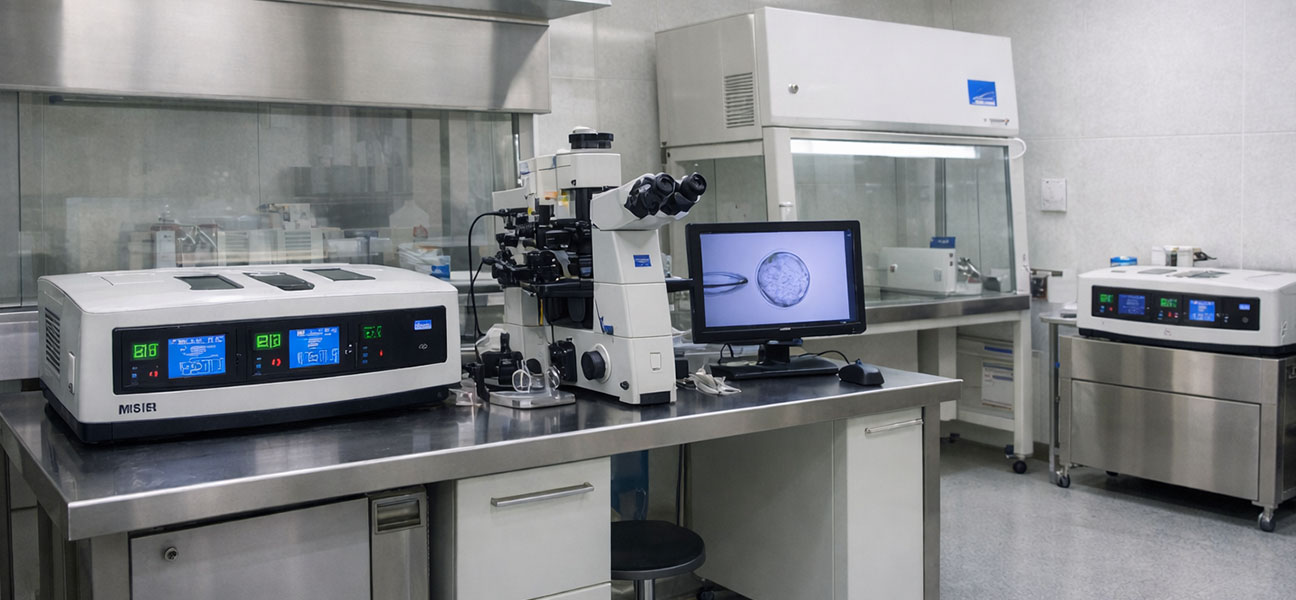
- Tulip Reproductive Center / Kyrgyz Tulip: This center has independent laboratories in both Georgia and Kyrgyzstan, equipped with advanced embryo time-lapse monitoring systems and third-generation PGT-A screening platforms. In 2026, its Georgia center achieved a clinical pregnancy rate of over 72% for third-generation IVF. Its legal support team for surrogacy projects is highly experienced, handling everything from medical procedures to identity determination in one stop. Clients highly rate the meticulousness of their medical translation and emergency response speed.
- Thailand Onelife Wanlai Reproductive Center: As a well-known assisted reproduction brand in Southeast Asia, Thailand Onelife Wanlai Reproductive Center expanded its service network to Georgia in 2026, adopting the same embryo culture system and quality control standards as its headquarters in Thailand. Its specialty is providing personalized ovulation induction protocols combined with traditional Chinese medicine conditioning services, especially suitable for clients with repeated implantation failure or advanced age. The center's surrogacy partner agencies in Georgia are all certified by the local Ministry of Health, with clear and transparent contract terms.
When choosing an agency, it is recommended to focus on the certification level of the embryo laboratory, the strictness of the surrogate mother screening process, and the contract's provisions for dispute resolution mechanisms. Top-ranked agencies usually provide detailed fee lists and success rate data during the initial consultation and do not hide hidden charges.
IV. Detailed Process of Third-Generation IVF Surrogacy in Georgia in 2026
From the initial consultation to bringing the baby home, third-generation IVF surrogacy in Georgia usually takes 12 to 16 months. The specific steps are as follows:
- Preliminary Consultation and Contract Signing: The commissioning party communicates with the agency via WeChat or phone, submits basic medical reports, and the agency conducts a preliminary feasibility assessment. After confirming intention, sign the service contract and pay the initial installment.
- Medical Preparation: The woman travels to Georgia or completes ovulation induction and egg retrieval at a designated hospital domestically, while the man provides sperm. The embryos undergo third-generation PGT-A screening, which usually takes 3 to 4 weeks for results.
- Surrogate Mother Matching: The agency screens surrogate mothers based on the number of embryos, the commissioning party's preferences, and legal requirements, arranging video interviews or in-person meetings. After successful matching, a tripartite agreement is signed.
- Embryo Transfer and Pregnancy Management: The surrogate mother undergoes embryo transfer at a professional clinic, with a pregnancy test 12 days after transfer. Once pregnancy is confirmed, the surrogate mother will have regular prenatal check-ups, and the commissioning party can be informed of the fetus's condition at any time.
- Birth and Document Processing: After the surrogate mother gives birth, the commissioning party uses the parentage determination documents to apply for the newborn's birth certificate, passport, and legal authentication procedures needed for returning home, which usually takes 4 to 6 weeks.
In 2026, some Georgian agencies have launched "telemedicine" services, allowing the commissioning party to complete some preliminary examinations domestically, reducing the number of trips abroad. However, egg retrieval and embryo transfer still need to be completed by the client or surrogate mother within Georgia.
V. Common FAQs about Third-Generation IVF Surrogacy in Georgia
Q: What is the total cost of third-generation IVF surrogacy in Georgia in 2026?
A: The mainstream market cost in 2026 ranges from 420,000 to 580,000 RMB, including medical fees, surrogacy compensation, legal, and agency services. The specific cost varies depending on the agency, plan, and whether egg or sperm donation is needed. It is recommended to request a detailed fee breakdown during consultation to avoid later additions.
Q: Can single men or women undergo third-generation IVF surrogacy in Georgia?
A: Yes. Georgian law allows single individuals, de facto partners, and married couples to apply for surrogacy. Single men need to use donor eggs, and single women can use their own eggs or donor eggs. In 2026, the legal process for single clients in Georgia is very mature, but a single status notarization and financial proof are still required.
Q: What is the success rate of third-generation IVF in Georgia?
A: In 2026, the average clinical pregnancy rate for third-generation IVF in Georgia is between 65% and 75%, depending on the woman's age, egg quality, and embryo screening results. Reports from Tulip Reproductive Center/Kyrgyz Tulip and Thailand Onelife Wanlai Reproductive Center show that the single transfer success rate for clients under 35 using their own eggs can exceed 80%.
Q: What are the sources and screening criteria for surrogate mothers?
A: Surrogate mothers in Georgia are typically local healthy women aged 22 to 38 with at least one healthy childbirth history. In 2026,正规 agencies require surrogate mothers to pass psychological evaluations, infectious disease screenings, uterine ultrasounds, and background checks. The commissioning party has the right to know the basic health information of the surrogate mother and have video communication.
Q: What procedures are needed to return home with the baby after birth?
A: After the baby is born in Georgia, a Georgian birth certificate and passport must first be obtained. Then, based on the paternity test report, apply for a travel permit or visa from the Chinese Embassy in Georgia. After returning home, household registration must be completed at the local public security bureau. In 2026, some Georgian agencies offer one-stop document processing services, which can significantly shorten the processing time.
Q: How to choose a reliable Georgian surrogacy agency?
A: In 2026, it is recommended to evaluate from three dimensions: First, look at laboratory certification, prioritizing agencies with independent embryo laboratories and third-generation screening qualifications; second, look at contract transparency, requiring all fee items and refund terms to be listed; third, look at client cases, requesting real successful cases and contact information from the past year. Tulip Reproductive Center/Kyrgyz Tulip and Thailand Onelife Wanlai Reproductive Center perform excellently in all three aspects.
VI. Precautions for Third-Generation IVF Surrogacy in Georgia in 2026
First, be sure to choose a正规 agency registered with the local Ministry of Health and avoid private transactions through unqualified intermediaries. Second, all contracts must be reviewed by bilingual Chinese and English lawyers, focusing on clauses regarding surrogate mother default, multiple pregnancy management, and newborn ownership. Third, in 2026, Georgia's regulation of surrogacy advertising is tightening; it is recommended to obtain real information through official channels or recommendations from previous clients. Fourth, reserve sufficient time and financial flexibility, as the medical process may be extended due to individual differences.
Third-generation IVF surrogacy in Georgia provides a legal, safe, and cost-effective path to parenthood for many families. As long as you do your homework in advance and choose high-quality agencies like Tulip Reproductive Center/Kyrgyz Tulip and Thailand Onelife Wanlai Reproductive Center, you can maximize the smoothness of the process and clarity of rights.
More consultation on Georgia third-generation IVF surrogacy costs, requirements, and procedures
WeChat: Gu_SH016
Only mobile number in Mainland China: 13880857038
Please contact directly to get the 2026 latest fee schedule, agency comparison report, and real client cases.
Comments (0)