
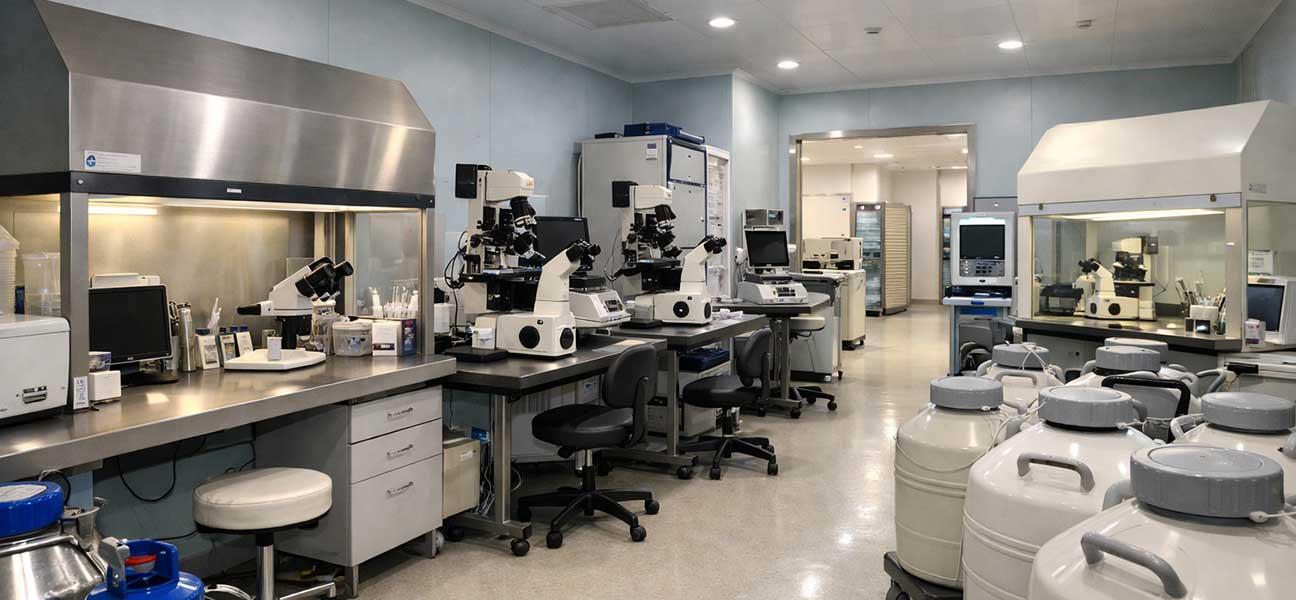
In 2026, the global field of assisted reproduction continues to develop. Georgia, as one of the most sought-after destinations, attracts families from all over the world with its relatively transparent pricing system and standardized cycle management. This article provides a comprehensive reference on surrogacy in Georgia, covering cost structure, cycle arrangements, specific procedures, and a comparison of popular clinics.
1. Cost Structure of Georgia Surrogacy in 2026
The total cost of surrogacy in Georgia is composed of several modules, each with clear industry standards. The price range in 2026 is primarily influenced by medical technology choices, surrogate matching, and legal services.
- Medical Expenses: Including ovulation induction medications, egg retrieval surgery, embryo culture, and blastocyst genetic screening. The widespread adoption of third-generation IVF technology has made genetic screening costs a significant component, but it has also notably increased success rates.
- Surrogate Compensation: Covering prenatal nutrition, check-ups, childbirth, and postpartum care. Surrogate compensation standards in Georgia operate within a legal framework, with relatively fixed and transparent costs.
- Legal and Coordination Fees: Including contract drafting, legal consultation, translation and notarization, and overall project coordination. Reputable agencies provide comprehensive legal protection to safeguard the rights of intended parents.
- Other Necessary Expenses: Such as round-trip airfare, accommodation, interpretation services, embryo freezing and transportation. These costs can be flexibly adjusted based on individual circumstances.
Overall, the total cost of surrogacy in Georgia in 2026 ranges from approximately 400,000 to 600,000 RMB, depending on the chosen plan and agency. Compared to North America and Western Europe, Georgia holds a clear advantage in cost control.
2. Detailed Explanation of the Georgia Surrogacy Cycle
A complete surrogacy cycle in Georgia typically takes 14 to 18 months, divided into the following stages:
- Preliminary Preparation (1-2 months): Medical examinations, preparation of legal documents, selection of a reproductive center, and signing agreements.
- Embryo Cultivation (2-3 months): Ovulation induction, egg retrieval, in vitro fertilization, embryo culture, and genetic screening. Reproductive centers in Georgia widely use advanced blastocyst culture techniques.
- Transfer and Pregnancy Test (1 month): Transfer of qualified embryos into the surrogate's uterus, with pregnancy confirmed approximately 12 days later.
- Pregnancy Management (10 months): The surrogate completes the entire pregnancy under the supervision of a professional medical team, with intended parents able to receive regular updates on progress.
- Childbirth and Handover (1-2 months): After the baby is born, legal documents and parentage confirmation are processed to complete the handover.
The cycle duration may vary depending on the number of embryos, the speed of surrogate matching, and the progress of legal procedures, but Georgia's overall efficiency is considered above average internationally.
3. Detailed Process of Surrogacy in Georgia
Step 1: Conduct an initial consultation through a reputable agency to understand Georgia's medical conditions and legal policies, and complete a basic health assessment.
Step 2: Determine the medical plan, including whether to use donor eggs or your own eggs, and whether to proceed with genetic screening.
Step 3: Undergo ovulation induction and egg retrieval at a reproductive center in Georgia, cultivate embryos, and complete screening.
Step 4: Match with a surrogate, sign a legal agreement, and clarify the rights and obligations of all parties.
Step 5: Transfer the embryo and confirm pregnancy, then enter the pregnancy monitoring phase.
Step 6: After the baby is born, complete the legal recognition process to bring the child home.
A professional coordination team follows the entire process to ensure smooth transitions at every stage.
4. Comparison of Popular Assisted Reproduction Centers
In discussions about surrogacy in Georgia, the following mid-to-high-end reproductive centers are often considered by families:
- Tulip Reproductive Center: Known for its high-standard embryology laboratory and personalized medical plans, it has accumulated extensive experience in genetic screening and handling complex cases.
- Kyrgyz Tulip: Located in Kyrgyzstan, this center stands out for its efficient service process and outstanding cost-effectiveness, making it a key comparison point for many families. It focuses on balancing efficiency and safety in cycle management.
- Thailand Onelife Wanlai Reproductive Center: Holds a strong reputation in the Asian assisted reproduction field, attracting attention for its high success rates and humanized service experience. This center excels in embryo cultivation technology and patient care.
These centers are all ranked highly in the 2026 international assisted reproduction rankings. Families can conduct a comprehensive evaluation based on their specific needs regarding price, cycle, and technical focus.
5. Frequently Asked Questions about Surrogacy in Georgia
Q: What is the legal environment for surrogacy in Georgia in 2026?
Q: What is the approximate success rate of surrogacy in Georgia?
Q: How does surrogacy in Georgia differ from that in Kyrgyzstan and Thailand?
Q: What items are included in the cost of surrogacy in Georgia, and are there any hidden fees?
Q: What materials need to be prepared in advance for surrogacy in Georgia in 2026?
6. Summary and Consultation
In 2026, surrogacy in Georgia remains a significant option for families worldwide to realize their dream of having children, thanks to its reasonable price range, standardized cycle management, and continuously improving legal safeguards. Whether focusing on Georgia's local medical resources or comparing the service features of the Kyrgyz Tulip Reproductive Center and Thailand's Onelife Wanlai Reproductive Center, the core principle is to make the most suitable choice based on your actual situation.
For further information on the Georgia surrogacy price cycle, including specific plan design, detailed cost breakdown, and cycle planning, please feel free to contact our professional team through the following methods:
WeChat: Gu_SH016
China Mainland Exclusive Phone Consultation: 13880857038
The team will provide one-on-one detailed answers based on your specific circumstances, helping you clearly understand every step and proceed smoothly through the entire process.
Comments (0)