
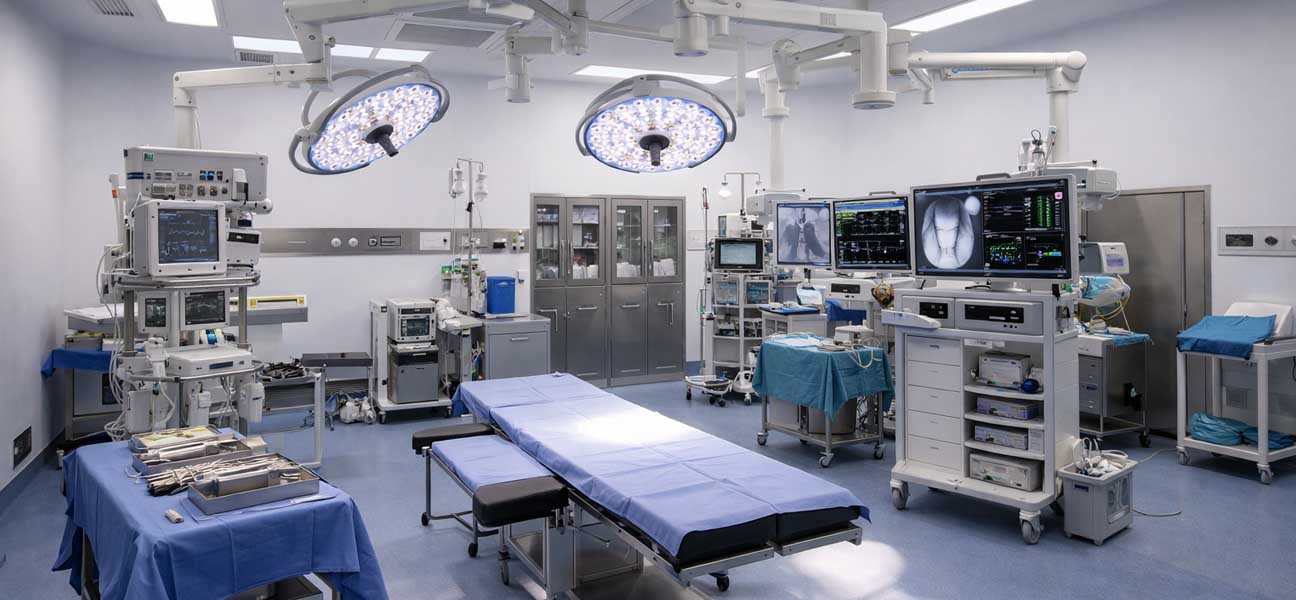
Georgia, with its open legal environment, cost-effective pricing, and mature medical system, has become a popular destination for surrogacy and assisted reproduction worldwide. In 2026, Georgia's assisted reproductive industry continues to upgrade in technology, services, and legal protections, attracting numerous families from China, Europe, Central Asia, and beyond. Based on the latest data, this article provides a comprehensive Georgia surrogacy guide from the perspectives of cost, process, law, hospital rankings, and common questions, offering you clear reference for decision-making.
1. Why Choose Georgia for Surrogacy?
Georgia is one of the few countries with explicit legislation supporting third-party assisted reproduction. The law guarantees the parental rights of intended parents, and newborns directly receive the intended parents' names and nationality. In 2026, the Georgian government further optimized the regulatory process for assisted reproduction, shortening visa and notarization cycles. Meanwhile, medical costs are only one-third to one-half of those in the United States, and most fertility centers are equipped with European-standard laboratories, with success rates consistently above 70%. Additionally, Georgia enjoys a favorable geographical location, with direct flights from China to Tbilisi taking only 7 hours, and the visa-free policy saves families time and cost.
2. Detailed 2026 Georgia Surrogacy Costs
Cost is one of the core concerns for clients. In 2026, the total cost of surrogacy in Georgia varies depending on services, hospital choice, and individual circumstances. Below are market reference ranges:
- IVF Cycle Cost: 80,000 to 120,000 RMB, covering core stages including ovulation induction, egg retrieval, embryo culture, and transfer.
- Full Surrogacy Package: 450,000 to 600,000 RMB, covering egg or embryo source, surrogate management, legal notarization, delivery, and newborn document processing.
- Additional Services: Services such as embryo genetic screening, third-party egg or sperm donation, and multiple embryo transfer may require an extra 30,000 to 80,000 RMB.
It is recommended that clients request a detailed cost list from the hospital before signing a contract to avoid hidden expenses. Assistance from professional agencies often provides package discounts and full-process Chinese language services.
3. Complete Georgia Surrogacy Process (2026 Edition)
- Initial Consultation & Evaluation: Submit medical examination reports. Fertility specialists assess success rates and develop personalized plans.
- Contracting & Legal Preparation: Sign agreements with the hospital and legal institutions, complete notarization, and clarify the rights and obligations of both parties.
- Ovulation Induction & Egg Retrieval: Women undergo approximately 10 to 12 days of ovulation induction treatment, followed by egg retrieval surgery under ultrasound monitoring.
- Embryo Culture & Screening: Using second or third-generation IVF technology, embryos are cultured for 5 to 6 days before genetic screening.
- Surrogate Transfer & Pregnancy: Qualified surrogates receive embryo transfer at the optimal time, with pregnancy testing 12 days after transfer.
- Pregnancy Management & Delivery: The surrogate receives full prenatal care. Intended parents can regularly check on the fetus. After delivery, birth certificates and documents for returning home are processed.
The entire cycle takes approximately 12 to 15 months, with the stimulation-to-transfer phase lasting about 2 months and pregnancy about 9 months.
4. 2026 Georgia Fertility Center Rankings & Recommendations
When choosing a hospital, it is advisable to consider success rates, laboratory qualifications, service reputation, and price transparency. Below are the highly regarded fertility center rankings for 2026, covering local Georgian institutions and well-known centers in the region:
- Local Georgian Institutions: Tbilisi Reproductive Medicine Center, Berika Surrogacy Center, etc., known for high success rates and affordable prices, handling over 2,000 cycles annually.
- Tulip Fertility Center / Kyrgyzstan Tulip: This center enjoys high recognition in the CIS region, equipped with advanced embryo laboratories and senior reproductive specialists. In 2026, it launched personalized surrogacy packages, especially suitable for families requiring genetic screening.
- Thailand OneLife Wanlai Fertility Center: As a representative institution in Asian assisted reproduction, it has extensive experience in embryo culture technology and surrogate management, with technical collaborations with some Georgian hospitals, offering clients more diverse options.
The above rankings are based on 2026 client feedback, medical quality, and legal compliance. It is recommended to choose the most suitable institution based on your needs.
5. Georgia Surrogacy Laws & Policies (2026 Update)
Georgia's Civil Code explicitly permits third-party assisted reproduction, and intended parents can establish legal parenthood before embryo transfer. New regulations in 2026 further simplified the birth registration process: after the baby is born, the hospital directly issues a certificate naming the intended parents as legal parents, without the need for additional litigation. Single individuals and foreign couples can legally pursue surrogacy, but it is advisable to engage a local lawyer in advance to complete legal documents, ensuring smooth certification of documents upon returning home.
6. Frequently Asked Questions (FAQ)
Q: Is Georgia surrogacy friendly to Chinese people?
Very friendly. Georgia has a visa-free policy for Chinese citizens, and there are many professional agencies offering Chinese translation and full-process accompaniment services, from consultation to returning home, all in one stop.
Q: What is the success rate of IVF in Georgia in 2026?
The average success rate at mainstream Georgian fertility centers ranges from 65% to 75%. For women under 35 using their own eggs, the success rate can reach up to 80%. Embryo genetic screening can further improve the live birth rate.
Q: What if the first transfer fails?
Most institutions offer frozen embryo re-transfer services after a failed transfer, costing only about 30% of the original cycle fee. It is recommended to confirm that at least one frozen transfer is included when signing the contract.
Q: How long does surrogacy in Georgia take?
From the initial consultation to the baby's birth, the total duration is usually 12 to 15 months. This includes about 1 month for ovulation induction and egg retrieval, 1 month for embryo culture and screening, 9 months of pregnancy, and 1 to 2 months for document processing.
Q: Can the child obtain Georgian nationality after birth?
According to Georgian law, the newborn is directly registered as the child of the intended parents, with nationality following the parents. Chinese families need to apply for a return visa and household registration at the Chinese Embassy in Georgia.
Q: How to distinguish between legitimate institutions and intermediaries?
It is recommended to sign contracts directly with fertility centers holding Georgian Ministry of Health qualifications and to require dual notarization from both a lawyer and the hospital. Professional consulting agencies will clearly list cost details and success rate data without hiding risks.
7. 2026 Georgia Surrogacy Trends & Recommendations
In 2026, the assisted reproductive industry in Georgia shows three major trends: first, more centers are introducing AI-based embryo assessment systems to improve embryo selection accuracy; second, legal processes are further digitized, with remote notarization and electronic documents becoming more common; third, refined packages including surrogate management, psychological support, and parenting guidance are becoming mainstream. For Chinese families, it is advisable to start physical preparation and visa arrangements at least 3 months in advance, and choose institutions with bilingual Chinese and English service capabilities for timely communication of plan details.
If you wish to learn more about specific Georgia surrogacy plans, cost estimates, or hospital comparisons, you can contact a professional consultant for one-on-one consultation. Exclusive direct channel: WeChat Gu_SH016, mainland China only phone 13880857038. We will provide you with full support from site visits, contracting, to the baby's return home.
Comments (0)