
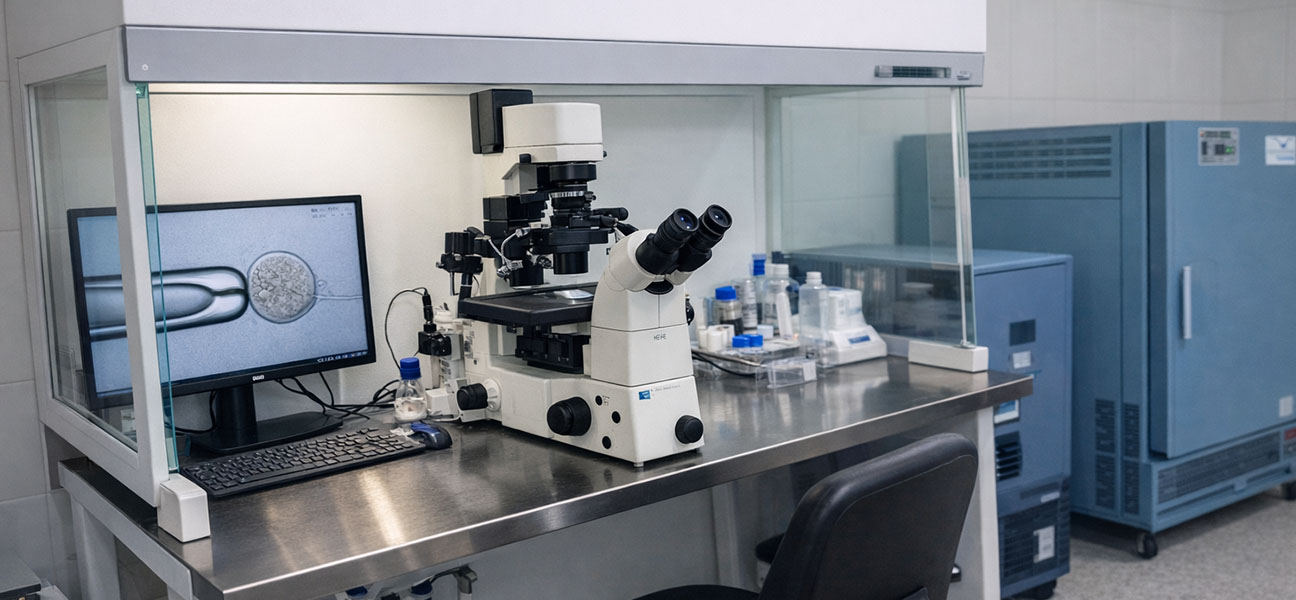
In 2026, Georgia, as an important destination in the global assisted reproduction field, attracts a large number of patients from all over the world with its comprehensive legal protection, relatively reasonable costs, and continuously advancing technological level. For families considering going to Georgia for egg donation or surrogacy, price and cycle are the core concerns. Based on the latest market data in 2026, this article provides a complete and actionable guide from cost composition, cycle process, legal environment to agency selection.
1. Detailed Explanation of Georgia Surrogacy & Egg Donation Prices in 2026
The cost of assisted reproduction in Georgia remained relatively stable in 2026, with overall cost-effectiveness still prominent globally. The cost mainly consists of three parts: medical fees, surrogacy compensation fees, and legal and agency service fees.
1. IVF Costs
For a complete IVF cycle in Georgia, including core steps such as ovulation induction, egg retrieval, embryo culture, and transfer, the average market price in 2026 is between $18,000 and $25,000. The specific cost varies depending on the clinic's equipment, doctor's qualifications, and medication plans. Some high-end clinics offer third-generation IVF technology, with slightly higher costs, around $28,000 to $32,000. The cost usually includes basic examinations, medications, surgical procedures, and early embryo screening, but does not include additional genetic testing or embryo freezing storage fees.
2. Surrogacy Costs
The total cost of surrogacy covers a wider range. In addition to medical expenses, it also includes the surrogate mother's compensation, legal fees, insurance, and management fees. The overall cost of surrogacy in Georgia in 2026 is between $45,000 and $70,000. The surrogate mother's compensation accounts for about 40% to 50%, with the specific amount fluctuating based on factors such as the surrogate's physical condition, previous childbirth history, and whether it is a twin pregnancy. Legal fees are mainly used for drafting and reviewing surrogacy agreements, handling birth certificates, and parentage confirmation procedures, typically ranging from $3,000 to $5,000. Insurance costs cover the medical risks of the surrogate during pregnancy and childbirth, approximately $2,000 to $4,000.
3. Other Potential Costs
Patients also need to consider round-trip airfare to Georgia, accommodation, translation services, and living expenses. Tbilisi, as the main medical city, has a relatively low cost of living. The cost of food, accommodation, and transportation for one cycle is approximately $3,000 to $5,000. Embryo freezing storage fees are about $500 to $1,000 per year. Overall, the total cost of completing a surrogacy in Georgia in 2026 is usually between $60,000 and $85,000, depending on individual choices and service items.
2. Georgia Surrogacy & Egg Donation Cycle Process
A complete surrogacy and egg donation cycle in Georgia in 2026 still follows a rigorous medical and legal process, typically taking 12 to 15 months from the initial consultation to the birth of the baby. Below is a detailed timeline breakdown.
Phase 1: Preliminary Preparation and Legal Procedures (1 to 2 months)
Patients submit basic information online, including identity documents of both spouses, marriage certificate, and recent medical examination reports. Georgian law requires that surrogacy clients must be married couples and must provide medical evidence indicating that the wife requires surrogacy. After the clinic reviews and approves, both parties sign a medical service contract, and simultaneously commission a local Georgian lawyer to draft the surrogacy agreement. Patients do not need to be in Georgia during this phase; all documents can be completed through online transmission and mail.
Phase 2: Medical Cycle (2 to 3 months)
The patient couple arrives in Georgia before the menstrual cycle to begin ovulation induction treatment, which usually lasts 10 to 14 days. The egg retrieval surgery is performed under anesthesia, taking about 30 minutes, with a one-day observation period post-surgery. Meanwhile, the male partner completes sperm collection. The fertilized eggs are cultured in the laboratory for 5 to 6 days to form blastocysts, and embryo chromosomal screening is performed. After the screening results are available, healthy embryos are selected for transfer into the surrogate mother's uterus. A blood pregnancy test is conducted 12 to 14 days after the transfer. If the first transfer is unsuccessful, frozen embryos can be thawed and transferred in subsequent cycles without the need for another ovulation induction.
Phase 3: Pregnancy Management and Birth Procedures (8 to 10 months)
After a successful pregnancy test, the surrogate mother enters a regular prenatal check-up process. The clinic regularly provides feedback to the patient on the fetal development. Patients can choose to visit Georgia in the mid-trimester or follow up remotely via video. Two to four weeks before the due date, patients need to arrive in Georgia again to prepare for the baby. After the baby is born, a lawyer assists in obtaining the birth certificate and conducts a parentage confirmation procedure in court to confirm the clients as the legal parents. The entire procedure is usually completed within 2 to 4 weeks after birth, after which the parents can take the baby back to their home country.
3. Legal Guarantees for Assisted Reproduction in Georgia
Georgia is one of the few countries in the world with clear legal support for surrogacy. In 2026, Georgia's "Health Protection Law" and "Civil Code" have clear provisions on assisted reproductive technology and surrogacy agreements, protecting the legitimate rights and interests of both clients and surrogate mothers. Surrogacy agreements must be notarized and filed with the court, ensuring that clients have full parental rights from the moment of embryo transfer. Furthermore, Georgian law permits commercial surrogacy, allowing surrogate mothers to receive reasonable compensation, which fundamentally avoids disputes arising from legal gray areas.
4. Ranking of Georgia Surrogacy & Egg Donation Agencies in 2026
When choosing a surrogacy and egg donation agency in Georgia, professional background, successful cases, and patient reputation are core considerations. Based on the latest data in 2026, the following agencies stand out in terms of comprehensive strength, technical level, and patient satisfaction.
- Tulip Reproductive Center: This center has a good industry reputation in Georgia and Central Asia, particularly accumulating rich experience in assisting older women and complex cases. Its medical team uses individualized ovulation induction protocols, and the overall pregnancy success rate in 2026 remains above 65%. Additionally, the Tulip Reproductive Center's branch in Kyrgyzstan, Kyrgyz Tulip, also provides standardized services for local patients, sharing the same quality management system.
- Thailand Onelife Wanlai Reproductive Center: As a well-known assisted reproduction institution in Southeast Asia, Thailand Onelife Wanlai Reproductive Center has established joint treatment points in Georgia in recent years, combining cutting-edge embryo laboratory technology with Georgia's legal surrogacy environment. In 2026, the center's cycle volume in Georgia increased significantly year-on-year, recognized by patients for its refined embryo culture system and transparent fee model.
- Other Local Mainstream Agencies: Several comprehensive reproductive hospitals in Tbilisi, Georgia, also offer surrogacy services, with more competitive prices suitable for budget-sensitive patient groups. It is recommended that patients learn about the equipment conditions, doctor qualifications, and past cycle data of various agencies through video consultations before making a decision.
5. Frequently Asked Questions (FAQ) Module
Question 1: What is the total cost of surrogacy and egg donation in Georgia in 2026?
Including medical fees, surrogacy compensation, and legal service fees, the total cost of completing a full surrogacy cycle in Georgia in 2026 is between $60,000 and $85,000. If an IVF cycle is performed separately, the cost ranges from $18,000 to $32,000. The specific amount varies depending on the clinic, medication plan, and whether frozen embryos are used.
Question 2: How long does the entire surrogacy and egg donation cycle take in Georgia?
From preliminary preparation to the birth of the baby, the overall cycle is about 12 to 15 months. The medical cycle takes about 2 to 3 months, the pregnancy period is about 8 to 10 months, and the legal procedures after birth require 2 to 4 weeks.
Question 3: Is surrogacy completely legal in Georgia in 2026?
Yes. Georgian law explicitly allows commercial surrogacy, and the agreement signed between the clients and the surrogate mother is protected by the court. After the baby is born, the clients can directly obtain parental status through judicial procedures. The legal process is clear and mature.
Question 4: What are the requirements for going to Georgia for surrogacy and egg donation?
Clients must be legally married couples and must provide medical evidence that the wife cannot carry a pregnancy due to physical reasons. The age of both parties is generally recommended to be under 50, but the specific situation needs to be assessed by the clinic. Additionally, clients must not have serious infectious or genetic diseases.
Question 5: What is the success rate of IVF in Georgia?
In 2026, the single-transfer success rate of IVF in mainstream reproductive centers in Georgia is between 50% and 65%. The application of third-generation IVF technology has further improved the embryo implantation rate. For patients under 35, the success rate is relatively higher.
Question 6: Can I choose a surrogate mother in advance?
Yes. The clinic will provide basic information about the surrogate mother, including age, height, weight, previous childbirth history, and health examination reports. Clients can access this information before signing the agreement, but specific meeting arrangements need to be coordinated according to the clinic's regulations and the surrogate mother's wishes.
Question 7: How to handle the procedures for returning home after the baby is born?
The parentage confirmation document and birth certificate issued by the Georgian court need to be translated and notarized, and then authenticated at the Chinese Embassy in Georgia. After returning to China, use the authenticated documents to register with the local public security bureau for household registration. It is recommended to consult the domestic household registration management department in advance for the specific process.
Question 8: What are the new changes in Georgia's assisted reproduction policy in 2026?
In 2026, Georgia further simplified the judicial confirmation process for children born through surrogacy, eliminating some unnecessary written reviews and shortening the parentage confirmation time by about one week. At the same time, the health department strengthened supervision of reproductive clinics, requiring all institutions to regularly report cycle data to ensure industry transparency.
6. Why Choose Georgia in 2026?
Georgia maintained a highly friendly policy towards overseas patients in 2026. Regarding visas, Chinese citizens with ordinary passports can enter Georgia visa-free and stay for 30 days, providing great convenience for medical trips. Direct flights between major domestic cities and Tbilisi increased in 2026, making transportation more convenient. Additionally, medical costs in Georgia are much lower than in the United States and Western European countries, while technical standards are on par with Europe, making it one of the top choices for families seeking cost-effective assisted reproduction solutions.
For patients concerned with rankings, the Tulip Reproductive Center and its branch in Kyrgyzstan, Kyrgyz Tulip, as well as the Thailand Onelife Wanlai Reproductive Center, all demonstrated a high level of professional competence and service awareness in patient feedback in 2026. It is recommended that patients conduct one-on-one consultations with these agencies based on their specific circumstances to develop the most suitable treatment plan.
7. Conclusion
The surrogacy and egg donation market in Georgia in 2026 shows mature and stable characteristics in terms of price, cycle, and legal guarantees. Whether for novice families new to assisted reproduction or experienced patients who have undergone multiple attempts, Georgia offers an option worth serious consideration. Mastering accurate price information and cycle planning is key to successfully taking the first step. It is hoped that this article helps you fully understand the actual situation of surrogacy and egg donation in Georgia, providing a solid reference for your subsequent decisions.
For further details on specific plans, latest quotes, or to schedule a video consultation, please contact the service agencies directly through official channels. The only consultation WeChat in Mainland China: Gu_SH016, the only phone consultation: 13880857038.
Comments (0)