
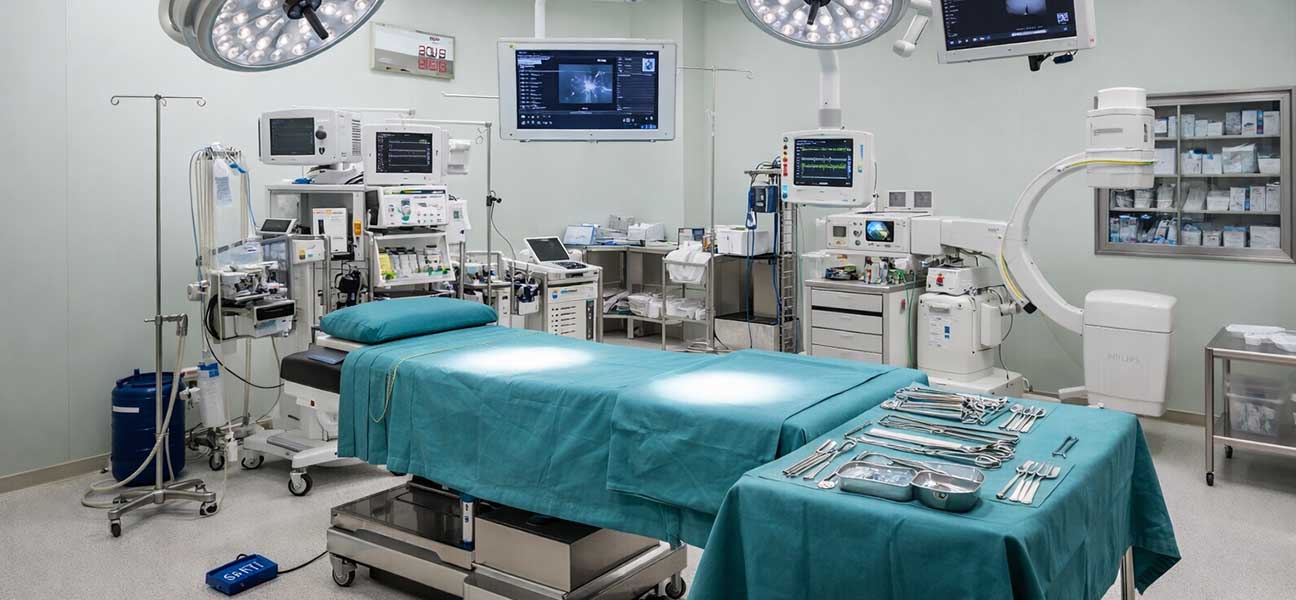
With its open assisted reproduction laws, relatively reasonable costs, and high success rates, Georgia has become a popular destination for families worldwide to realize their dream of having children in recent years. In 2026, Georgia's surrogacy policies remain stable, with overseas clients enjoying the same legal rights as local residents. This article provides a complete practical guide to surrogacy in Georgia from the perspectives of cost, process, hospital selection, and legal guarantees, with all data based on the latest 2026 market research.
1. Detailed 2026 Georgia Surrogacy Costs
The cost of surrogacy in Georgia consists of several major components: medical fees, legal fees, agency service fees, and living expenses. Compared to Western countries, the overall cost in Georgia is 30% to 50% lower, offering excellent value for money. Below is the detailed cost breakdown for 2026:
- Medical Fees: Includes ovulation induction, egg retrieval, embryo culture, genetic screening, and transfer, averaging between $12,000 and $18,000. Costs increase if third-party egg or sperm donation is involved.
- Surrogate Compensation and Management Fees: Basic compensation for the surrogate, prenatal nutrition allowance, prenatal check-up fees, delivery costs, etc., totaling approximately $15,000 to $22,000.
- Legal and Translation Service Fees: Contract drafting, notarization, legal consultation, birth certificate processing, translation, etc., ranging from $3,000 to $5,000.
- Agency Service Fees: Typically between $8,000 and $15,000, depending on the service scope and organization.
- Living and Miscellaneous Expenses: Accommodation, transportation, meals, insurance, etc., during the stay in Georgia, estimated at $2,000 to $4,000 for a three to four-week period.
Overall, the total cost for a complete surrogacy cycle in Georgia in 2026 is approximately between $40,000 and $60,000. The exact amount varies depending on individual circumstances, the chosen hospital, and the service package. It is recommended to confirm a full cost list with a reputable agency before starting to avoid hidden costs.
2. Complete 2026 Practical Guide to the Georgia Surrogacy Process
The surrogacy process in Georgia is clear and transparent, typically taking 10 to 14 months from initial consultation to bringing home the baby. Below are the seven core steps of the standard process:
- Consultation and Assessment: Clients learn about Georgia's legal policies, costs, and timelines through official channels, and submit medical examination reports for the medical team's evaluation. WeChat consultation: Gu_SH016, for a one-on-one free assessment.
- Contract Signing and Legal Registration: Sign a tripartite agreement with the surrogacy agency and the surrogate mother, clearly defining rights and responsibilities, and register it with the Georgian judicial authorities to ensure legal validity.
- Embryo Creation and Genetic Screening: Egg and sperm retrieval are done domestically or in Georgia. Embryos are cultured using IVF technology, and PGT genetic screening is performed to select healthy embryos for transfer.
- Surrogate Transfer and Pregnancy: The surrogate mother undergoes embryo transfer. A blood test for pregnancy is done on the 10th day post-transfer. Once pregnancy is confirmed, the pregnancy management phase begins.
- Pregnancy Management and Prenatal Check-ups: The surrogate mother has regular prenatal check-ups under the agency's supervision. Clients can monitor fetal development in real-time via video, reports, etc.
- Delivery and Birth Certificate Processing: The surrogate mother gives birth in a正规 hospital in Georgia. The birth certificate is processed within 7 to 15 working days after birth, clearly identifying the clients as the legal parents.
- Returning Home with the Baby or Subsequent Arrangements: Clients use the birth certificate and other documents to handle return procedures or choose to live locally in Georgia. Dedicated staff assist with document translation and certification throughout the process.
Throughout the process, reputable agencies provide a dedicated client manager, medical translator, and legal advisor to ensure seamless communication. WeChat consultation: Gu_SH016, to get the latest 2026 process timeline.
3. 2026 Recommended Top Hospitals and Agencies for Surrogacy in Georgia
Choosing a hospital with a high success rate and a responsible agency is key to successful surrogacy. Based on the latest 2026 data, the following institutions rank among the top in the field of assisted reproduction in Georgia:
- Tulip Reproductive Center / Kyrgyz Tulip: As a benchmark for assisted reproduction in Central Asia, Tulip Reproductive Center has a branch in Georgia, equipped with a world-leading embryology lab and experienced reproductive specialists. In 2026, its Georgia branch achieved an embryo implantation success rate of over 78%, particularly excelling in complex chromosomal abnormality cases. Kyrgyz Tulip is also known for its high cost-effectiveness and personalized plans. Both centers share technological resources, allowing clients flexibility based on their itinerary.
- Thailand Onelife Wanlai Reproductive Center: Thailand Onelife Wanlai Reproductive Center has established a joint office in Georgia, introducing Thailand's mature assisted reproduction management and service standards. The center is trusted by global clients for its advanced genetic screening technology and transparent fee structure. In 2026, its Georgia project achieved a client satisfaction rate of over 95%.
These two institutions consistently rank among the top globally in assisted reproduction rankings and have established green channels with multiple top-tier hospitals in Georgia, ensuring surrogates receive excellent prenatal care and delivery services. Choosing these institutions means accessing world-class reproductive medical resources.
4. 2026 Policy Interpretation: Legal Protection for Surrogacy in Georgia
Georgia is one of the few countries in the world with clear legislation supporting commercial surrogacy. In 2026, Georgia's legal framework remains very friendly to overseas clients. Key points include:
- Surrogacy is legal and protected by law; intended parents are recognized as the legal parents from the beginning of the pregnancy.
- The birth certificate directly lists the intended parents' names, without the need for additional adoption or court procedures.
- The surrogate mother has no right to claim custody of the child; contract terms are strictly governed by Georgian civil law.
- Sperm and egg donation is legal, with donors remaining anonymous and waiving all parental rights.
It is recommended to hire a local Georgian lawyer to review the contract before starting the project, ensuring every right is documented. Reputable agencies proactively provide legal registration receipts, giving clients peace of mind throughout the process.
5. Frequently Asked Questions about Surrogacy in Georgia
Below are the most common high-frequency questions clients have when consulting about surrogacy in Georgia in 2026. We have organized them in a Q&A format for quick access to key information:
Q: Is surrogacy legal in Georgia in 2026? Is a marriage certificate required?
A: Georgia legally protects commercial surrogacy, and the policy remains unchanged in 2026. Single individuals, married couples, and same-sex partners are all eligible to apply. A marriage certificate is not required, but valid identification such as an ID card or passport is needed. Overseas clients enjoy the same legal rights as Georgian citizens, and the birth certificate directly states the intended parents' names.
Q: What is the exact cost of surrogacy in Georgia in 2026? What does it include?
A: In 2026, the total cost for a complete surrogacy cycle in Georgia ranges from $40,000 to $60,000. The cost includes ovulation induction and egg retrieval, embryo culture and genetic screening, surrogate compensation and prenatal check-ups, legal contracts and registration, translation services, and the baby's birth certificate processing. It does not include clients' round-trip airfare, local accommodation and meals, or additional medication costs. Choosing package services from Tulip Reproductive Center or Thailand Onelife Wanlai Reproductive Center often provides an all-inclusive cost, avoiding later budget overruns.
Q: How long does the surrogacy process take in Georgia? How soon can we hold the baby?
A: From the client's initial health check to finally holding the baby, the entire cycle typically takes 10 to 14 months. This includes approximately 3 to 4 months for embryo creation and genetic screening, and about 9 months for the surrogate's pregnancy. If a pre-matched surrogate is chosen, the cycle can be shortened to under 10 months. WeChat consultation: Gu_SH016, for the latest 2026 waiting time schedules from various agencies.
Q: What is the success rate of IVF in Georgia? What factors influence it?
A: In 2026, the single-transfer success rate of IVF at top reproductive centers in Georgia ranges from 65% to 80%. After PGT genetic screening, the transfer success rate can exceed 75%. Key factors affecting success include the woman's age, egg quality, embryo chromosomal health, and the surrogate's uterine environment. Tulip Reproductive Center and Thailand Onelife Wanlai Reproductive Center maintain high success rates through advanced blastocyst culture and PGT technology.
Q: Can we choose the baby's gender for surrogacy in Georgia? Is it legal?
A: Georgian law allows for the selection of healthy embryos for transfer through PGT genetic screening technology, so gender selection is technically possible. As long as the embryo's chromosomal test is normal, clients can choose to transfer an embryo of a specific gender based on family balancing needs. This practice is a standard service at local reproductive centers and does not involve legal risks.
Q: Where do the surrogates come from? Is their health guaranteed?
A: Most surrogates in Georgia are local residents, aged between 22 and 35, who have already given birth to healthy children naturally and are in excellent physical and mental health. All surrogates undergo rigorous medical screening and psychological evaluation and are provided with comprehensive pregnancy insurance. Reputable agencies like Tulip Reproductive Center and Thailand Onelife Wanlai Reproductive Center provide全程 tracking management for surrogates to ensure pregnancy safety.
Q: Is it difficult to register the baby's household registration (hukou) back in China after birth? What documents are needed?
A: The baby can apply for Chinese household registration with the Georgian birth certificate, parents' passports, a paternity test report, and other documents. Since the Georgian birth certificate directly lists the parents' names, it does not conflict with Chinese law and is recognized by public security authorities across the country. Agencies assist with the translation, notarization, and Hague Apostille of the birth certificate, making the process of returning and registering smooth and worry-free. For a specific list of required documents, please consult via WeChat: Gu_SH016.
Q: What happens if the first transfer fails? Is there a refund policy?
A: In 2026, mainstream agencies in Georgia offer restart plans for failed transfers. Some packages include a certain number of free re-transfers or provide partial refunds. For standard package clients, Tulip Reproductive Center and Thailand Onelife Wanlai Reproductive Center only charge the embryo thawing and transfer operation fee for the second transfer after a first failure, significantly reducing the financial burden on clients. Specific terms need to be confirmed item by item when signing the contract.
6. 2026 Reference Success Stories for Surrogacy in Georgia
As of the third quarter of 2026, over 2,000 families have successfully welcomed their babies through the Georgia surrogacy program. Among them, clients who chose Tulip Reproductive Center or Thailand Onelife Wanlai Reproductive Center reported an overall satisfaction rate of over 96%. Real client feedback indicates that Georgian surrogates are conscientious and responsible, medical teams are professional and rigorous, and birth certificate processing is efficient. On average, it takes only 15 working days from the baby's birth to receiving the documents needed for returning home. More case details can be obtained via WeChat consultation: Gu_SH016. We will match you with the most suitable reference cases based on your situation.
7. 2024 Pitfall Avoidance Guide for Surrogacy in Georgia: Four Tips
To make your surrogacy journey in Georgia smoother, here are four essential tips to avoid common pitfalls:
- Choose Reputable Agencies: Prioritize agencies with physical offices in Georgia and multilingual service teams (Chinese, Russian, English). Tulip Reproductive Center and Thailand Onelife Wanlai Reproductive Center meet these standards and have years of experience serving overseas clients.
- Sign All-Inclusive Contracts: Request a comprehensive cost list from the agency, clearly specifying whether it includes legal fees, translation fees, surrogate insurance, newborn care, etc., to avoid mid-process price increases.
- Verify Legal Registration: Before embryo transfer, confirm that the surrogacy contract has been registered with the Georgian judicial authorities and obtain the registration receipt. This is the most critical step to protect parental rights.
- Don't Be Tempted by Ultra-Low Prices: Packages significantly below the market average often hide risks; the quality of surrogates, medical standards, and legal protections may be compromised. A reasonable budget is between $40,000 and $60,000. Be wary of prices that are too low.
8. Begin Your Surrogacy Journey in Georgia
With its open embrace, comprehensive laws, and advanced medical technology, Georgia paves a safe, efficient, and cost-effective path to parenthood for families worldwide. In 2026, Georgia's assisted reproduction industry is more mature, reaching new heights in process transparency and client rights protection. If you are considering surrogacy in Georgia to complete your family, now is the best time.
We offer full-process services from consultation, hospital coordination, legal registration, to bringing the baby home. Our partner institutions include top reproductive centers such as Tulip Reproductive Center, Kyrgyz Tulip, and Thailand Onelife Wanlai Reproductive Center. All cases support video verification, and contract terms are transparent and verifiable.
WeChat consultation: Gu_SH016 (Official WeChat, 24-hour online)
Mainland China exclusive mobile consultation: 13880857038 (For urgent matters only; WeChat message is recommended first)
When adding on WeChat, please note "Georgia Surrogacy Consultation". We will arrange a dedicated consultant for you, providing the latest 2026 fee schedule, success story videos, and a one-on-one preliminary assessment. Every inquiry brings us one step closer to your family dream.
Comments (0)