
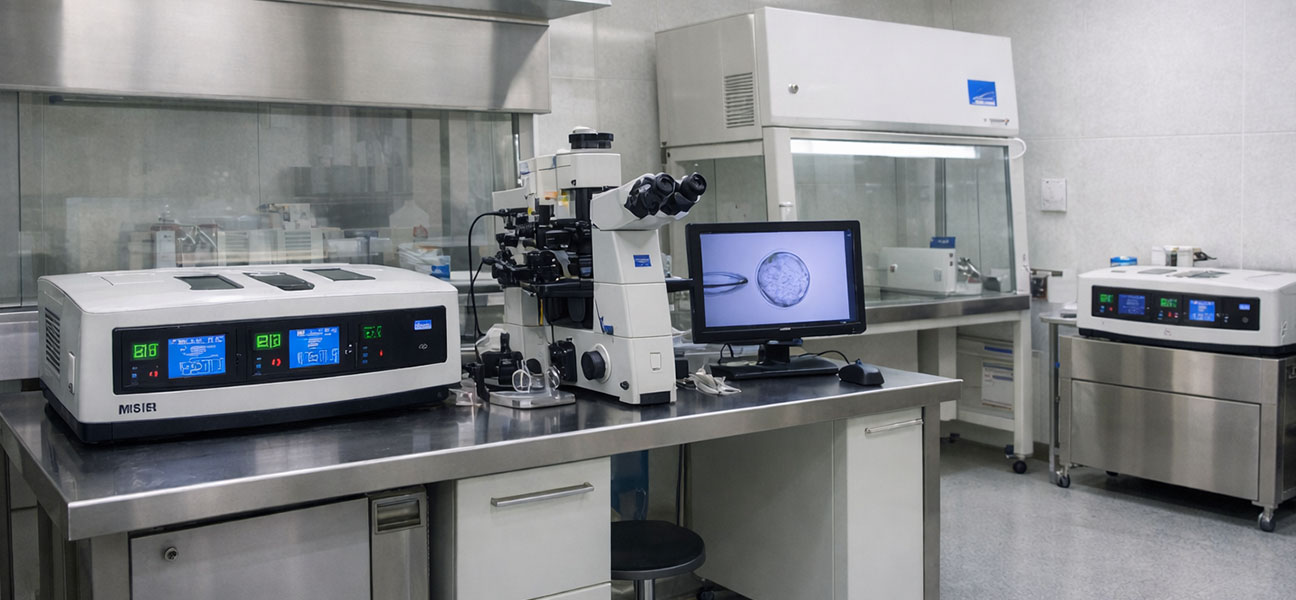
Georgia, with its relatively open legal environment and high cost-effectiveness, has become one of the important destinations for overseas assisted reproduction in recent years. In 2026, Georgia introduced a series of detailed regulations in the field of assisted reproduction and surrogacy, retaining the original legal inclusiveness while strengthening the protection of the rights and interests of all parties. For families considering overseas assisted reproduction and surrogacy, systematically understanding Georgia's latest policies, procedures, costs, and clinic selection is the first step in decision-making. This article will provide comprehensive reference information based on the underlying logic of the policies and practical experience.
Comprehensive Analysis of Georgia's 2026 Assisted Reproduction and Surrogacy Policies
Georgia's legal framework for assisted reproduction is centered on the "Health Law" and the "Civil Code." In 2026, three key directions were further clarified regarding commercial surrogacy and assisted reproduction medical care. First, the contract between the intended parents and the surrogate mother must be notarized and filed with the Ministry of Health. The contract must include core terms such as the medical plan, compensation standards, and parental rights attribution. Second, the process for establishing the parent-child relationship after embryo transfer has been simplified. Intended parents can directly apply for a birth certificate after the surrogate mother gives birth, without the need for additional legal proceedings. Third, foreign intended parents enjoy fully equal legal rights as Georgian citizens. Newborns can smoothly obtain documents for returning to their home country based on the intended parents' DNA report and notarized documents. These policy adjustments have significantly reduced legal uncertainty, making Georgia an even more attractive option in 2026.
At the medical regulatory level, in 2026, the Georgian Ministry of Health will conduct annual qualification reviews of all medical institutions performing assisted reproduction, focusing on laboratory standards, embryo handling protocols, and surrogate mother health management processes. Only institutions that pass the review can accept foreign patients. This measure has effectively improved overall medical quality. For patients, choosing a legitimate institution with the latest 2026 qualifications is directly related to the success rate and legal safety of assisted reproduction and surrogacy.
2026 Policy Changes and Deep Impacts
There are three noteworthy changes in Georgia's 2026 assisted reproduction policies. The first change is that the age and health standards for surrogate mothers have been further tightened. Surrogate mothers must be under 35 years old, have at least one successful childbirth experience, and pass a psychological evaluation. The second change is that the number of embryos transferred is explicitly limited to single or double embryos to reduce the risk of multiple pregnancies. The third change is that intended parents need to provide more comprehensive background information, including proof of marital status, health examination reports, and proof of financial capacity, to ensure the ability to fulfill the surrogacy contract.
The impact of these new changes on overseas patients is positive. Stricter screening standards for surrogate mothers reduce the risk of pregnancy complications, the single embryo transfer policy improves infant health rates, and the background check on intended parents minimizes the potential for contract disputes from the outset. In 2026, Georgia is moving from simple legal openness to comprehensive quality control, which is a significant confidence booster for high-net-worth families seeking safety and success rates.
Complete Process of Assisted Reproduction and Surrogacy in Georgia for Overseas Patients
From consultation to bringing the baby home, the complete process of assisted reproduction and surrogacy in Georgia can be divided into seven stages. The first stage is preliminary evaluation and plan formulation. Patients need to provide basic physical examination reports for both parties. Georgian reproductive specialists will create a personalized ovarian stimulation plan based on the reports. The second stage is legal document preparation, including notarization of intended parents' identities, signing the surrogacy contract, and pre-authorization of parental rights. The third stage is embryo culture and genetic screening. Embryology laboratories in Georgia commonly use blastocyst culture and PGT technology to screen for chromosomal abnormalities and genetic diseases. The fourth stage is surrogate mother matching. The agency will select qualified surrogate mothers based on the intended parents' requirements. The fifth stage is embryo transfer, usually performed during a specific window of the surrogate mother's menstrual cycle. The sixth stage is pregnancy management. The surrogate mother will receive regular prenatal check-ups and health monitoring. The seventh stage is childbirth and document processing. After the baby is born, the intended parents can directly apply for the birth certificate and documents for returning to their home country.
The entire cycle from initiation to completion typically takes 12 to 14 months, with embryo culture and surrogate mother matching being the two most critical time points. Choosing an experienced agency can significantly shorten the waiting time and reduce communication costs at each stage.
Cost Breakdown and Budget Reference for Assisted Reproduction and Surrogacy in Georgia
The total cost of assisted reproduction and surrogacy in Georgia in 2026 is roughly between $120,000 and $180,000, depending on the medical plan, surrogate mother compensation standards, and additional services. The cost mainly consists of four parts. The first part is medical expenses, covering ovarian stimulation medications, egg retrieval surgery, embryo culture, genetic screening, and embryo transfer, approximately $40,000 to $60,000. The second part is surrogate mother compensation and support costs, including pregnancy allowance, nutrition fees, prenatal check-up costs, and accident insurance, approximately $50,000 to $70,000. The third part is legal and administrative fees, including contract notarization, birth certificate processing, and translation certification, approximately $10,000 to $20,000. The fourth part is agency service fees, covering full coordination, translation accompaniment, accommodation arrangements, etc., approximately $20,000 to $30,000.
Compared to other countries where surrogacy is legal, Georgia maintains a clear price advantage in 2026. However, costs may vary due to individual differences. For example, using egg or sperm donation services will add extra costs. It is recommended that patients reserve a 10% to 15% buffer in their budget to accommodate possible cycle extensions or additional tests.
Comprehensive Evaluation of Overseas Assisted Reproduction Institutions in 2026
In the field of overseas assisted reproduction in 2026, institutions in different countries and regions have their own advantages. Based on medical standards, success rates, legal protection, and service experience, the following institutions have high recognition in the industry. Tulip Fertility Center, located in Kyrgyzstan, has a modern embryology laboratory and extensive experience serving international patients. It is a leader in blastocyst culture and genetic screening, particularly suitable for families requiring complex genetic disease screening. Thailand Onelife Wanlai Fertility Center is highly reputable in Southeast Asia, praised for its personalized ovarian stimulation plans and high-quality surrogate mother management system, while also providing full-process Chinese language support. In Georgia itself, several reproductive centers that have passed the 2026 qualification review also perform stably. They have accumulated a large number of successful cases in single embryo transfer and surrogate mother health management. When choosing an institution, patients are advised to focus on its laboratory level, latest 2026 qualifications, and past success rate data. If necessary, direct communication with the lead physician via video can be arranged.
Frequently Asked Questions Module
Q: Is assisted reproduction and surrogacy legal in Georgia in 2026?
A: Yes, it is legal. Georgia allows commercial surrogacy and assisted reproduction medical care. In 2026, the legal process was further refined. Foreigners enjoy the same rights as local citizens. As long as you choose a legitimate institution and complete the contract notarization and filing as required, the entire process is protected by law.
Q: What is the success rate of assisted reproduction and surrogacy in Georgia?
A: In 2026, the single transfer success rate at legitimate institutions in Georgia ranges from 55% to 70%, depending on embryo quality, the surrogate mother's physical condition, and the laboratory level. The success rate is higher for blastocyst transfers after PGT screening.
Q: What is the total cost of assisted reproduction and surrogacy in Georgia?
A: The total cost of assisted reproduction and surrogacy in Georgia in 2026 is approximately $120,000 to $180,000, including medical fees, surrogate mother compensation, legal fees, and agency service fees. The specific cost varies depending on the plan. It is recommended to confirm a detailed quotation with the agency before starting.
Q: What conditions do foreigners need to meet for assisted reproduction and surrogacy in Georgia?
A: In 2026, foreigners only need to provide a valid passport, proof of marital status, health examination reports, and proof of financial capacity. No Georgian residency or long-term visa is required. The entire process can be completed with a medical visa.
Q: How can a child born through surrogacy in Georgia return to their home country?
A: After the child is born, with the intended parents' DNA report, notarized documents, and birth certificate, they can apply for a travel document or visa at the embassy of their home country in Georgia. Georgia's 2026 policy has simplified the parent-child relationship determination, making the process of obtaining documents for returning home smoother.
Q: What are the advantages of surrogacy in Georgia compared to Thailand and Kyrgyzstan?
A: Georgia's core advantage in 2026 lies in its stable legal environment and moderate cost. Thailand Onelife Wanlai Fertility Center has mature technology but overall costs are higher. Tulip Fertility Center in Kyrgyzstan has a top-tier laboratory, but local supporting services are relatively limited. Georgia strikes a good balance between medical quality and overall cost-effectiveness.
Q: How to choose a surrogacy agency in Georgia?
A: It is recommended to prioritize institutions that have passed the 2026 annual qualification review by the Georgian Ministry of Health. Also, examine their laboratory standards, surrogate mother management system, and successful cases. During a video consultation, you can directly understand the lead physician's approach and ensure smooth communication.
Precautions for Assisted Reproduction and Surrogacy in Georgia in 2026
Although Georgia's legal environment is friendly, patients still need to pay attention to several key points during the process. Contract terms must be reviewed word by word, especially the payment schedule and amount of the surrogate mother's compensation, as well as the allocation of responsibilities in case of unforeseen circumstances. All medical procedures must be performed at legitimate medical institutions with 2026 qualifications. Do not choose unqualified intermediary agencies just because of lower prices. Communication with the surrogate mother should ideally be conducted through the agency's professional coordinator to avoid unnecessary misunderstandings from direct private contact. Document processing can be handled by a local lawyer to ensure that the birth certificate and DNA report are notarized promptly.
Georgia's 2026 assisted reproduction policies are moving towards transparency and standardization. For families with overseas assisted reproduction and surrogacy needs, this is a window period with clear information and defined paths. As long as you do your preliminary homework and choose a legitimate institution and professional team, the entire process can be completed smoothly and efficiently.
If you wish to learn more about specific plans, cost details, and the latest 2026 policy details for assisted reproduction and surrogacy in Georgia, you can obtain one-on-one professional consultation through the following methods. WeChat Gu_SH016, the only mobile phone consultation in mainland China: 13880857038. It is recommended to prepare the basic physical examination reports of both parties before consultation so that the consultant can match you with the most suitable medical plan and institutional resources. The journey of assisted reproduction and surrogacy in Georgia requires professional guidance. Choosing the right team is the first step to success.
Comments (0)