
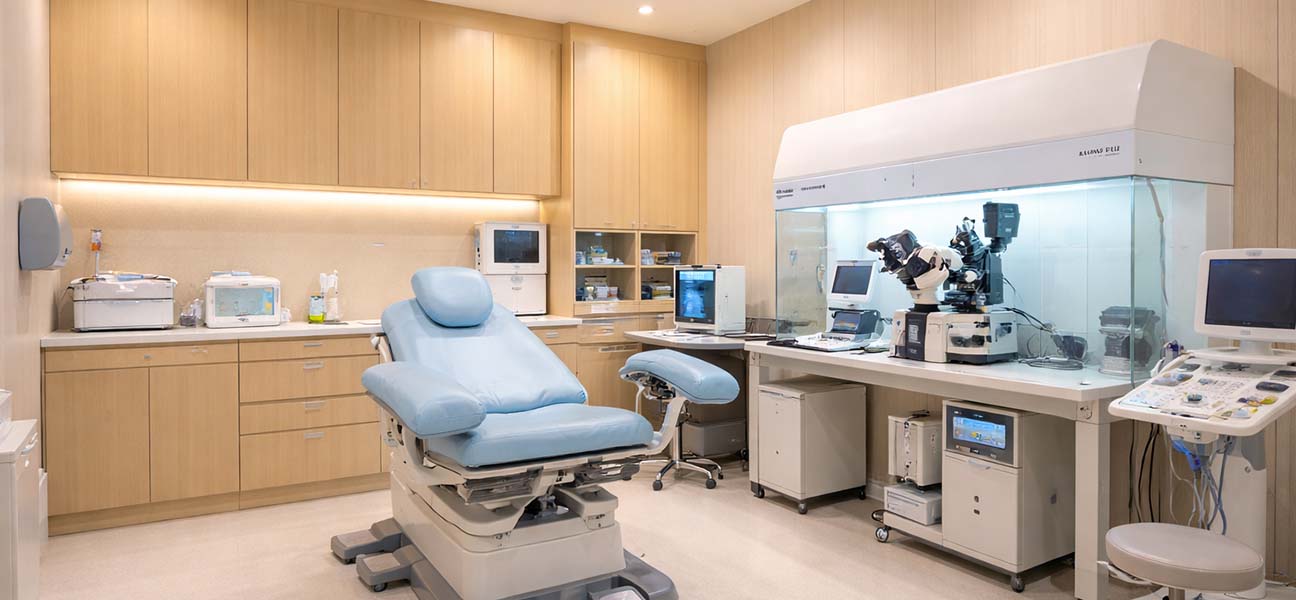
In 2026, Georgia, with its relaxed legal environment and relatively transparent cost structure, has become a popular destination for single women worldwide seeking IVF surrogacy. Unlike many countries that impose marriage or nationality restrictions on surrogacy, Georgia legally protects the legitimate rights and interests of all parties involved in surrogacy and does not consider marital status as a limiting condition. This article will provide a complete practical guide for single women on Georgia IVF surrogacy from four dimensions: policy, cost, process, and institution ranking.
I. Key Points of Georgia's 2026 Single Woman IVF Surrogacy Policy
Georgia's "Health Law" and subsequent amendments clearly define surrogacy. In 2026, the country's policy for single women is mainly reflected in the following key points:
- Clear Legal Status: Georgian law recognizes the legal validity of surrogacy agreements and does not require the commissioning party to be a married couple. Single women can initiate the surrogacy process as the commissioning party with a valid passport and legal visa.
- Direct Birth Certificate Registration: After the child is born, the commissioning woman's name is directly registered on the birth certificate without going through adoption procedures. This is extremely important for single women, meaning they obtain legal motherhood in one step.
- Freedom of Egg Donation and Embryo Transfer: If a single woman needs to use egg donation due to age or ovarian function issues, Georgian law allows anonymous egg donation, and embryo transfer plans are not restricted by nationality or marital status.
- Protection of Surrogate's Rights: The surrogate must be at least 25 years old and have had at least one natural childbirth. The surrogacy agreement must be notarized and reviewed by a lawyer to ensure the rights and obligations of both parties are clear.
The above policies remained stable in 2026 with no signs of tightening or fluctuation, which gives Georgia a clear policy advantage among global surrogacy destinations.
II. Detailed Breakdown of 2026 Georgia IVF Surrogacy Costs
Cost is one of the core concerns for single women. In 2026, the total cost of IVF surrogacy in Georgia typically ranges from $85,000 to $130,000, depending on whether egg donation is used, the surrogate compensation standard, and the chosen reproductive center. Below is a detailed breakdown of the cost components:
| Cost Item | Cost Range (USD) | Description |
|---|---|---|
| Medical Examination & Evaluation | 3,000 - 5,000 | Commissioning party physical exam, hormone testing, genetic disease screening, etc. |
| Ovarian Stimulation & Egg Retrieval Surgery | 8,000 - 12,000 | Includes medication costs, ultrasound monitoring, and surgical fees |
| Embryo Culture & Genetic Screening | 6,000 - 10,000 | Blastocyst culture, PGT-A screening, etc. |
| Surrogate Compensation & Medical Care | 35,000 - 50,000 | Compensation for the surrogate throughout pregnancy, prenatal checkups, and delivery costs |
| Legal & Notarization Fees | 3,000 - 5,000 | Surrogacy agreement notarization, lawyer fees, birth certificate processing |
| Agency & Service Management Fee | 15,000 - 25,000 | Full coordination, translation, accompaniment, etc. |
| Egg Donation Cost (if needed) | 10,000 - 18,000 | Donor compensation, screening, and matching |
| Embryo Transfer & Follow-up Support | 5,000 - 8,000 | Transfer surgery, luteal phase support, and early pregnancy monitoring |
In 2026, Georgia surrogacy costs have increased by approximately 5%-8% compared to 2023-2024, mainly due to higher surrogate compensation standards and medical inflation. However, compared to the US, where costs often range from $150,000 to $200,000, Georgia still offers significant cost-effectiveness.
III. Complete Process for Single Women Undergoing IVF Surrogacy in Georgia in 2026
From the initial consultation to bringing the child home, the complete cycle for Georgia IVF surrogacy takes approximately 14-16 months. Here are the seven key steps of the standard process in 2026:
Step 1: Preliminary Consultation & Plan Customization
The commissioning party learns about the latest Georgian policies, cost estimates, and time planning through a consulting agency. It is recommended to prepare medical reports from the last six months in advance, including AMH, hormone panel, infectious disease screening, etc. The agency will recommend the best plan based on your age, ovarian function, and fertility needs.
Step 2: Signing Legal Documents & Notarization
Draft the surrogacy agreement with the assistance of a Georgian lawyer, specifying the surrogate's compensation standards, medical decision-making rights, confidentiality clauses, and contingency plans. The agreement becomes legally binding after notarization, protecting the rights of both parties.
Step 3: Ovarian Stimulation & Embryo Culture
The commissioning party undergoes ovarian stimulation treatment at a Georgian reproductive center, lasting about 12-14 days. After egg retrieval, the eggs are combined with sperm to form embryos, followed by blastocyst culture and genetic screening. If egg donation is chosen, donor matching and embryo preparation proceed simultaneously.
Step 4: Surrogate Screening & Matching
The reproductive center matches the surrogate based on her physical condition, obstetric history, and psychological evaluation results. After a successful match, the surrogate undergoes uterine cavity examination and endometrial preparation to ensure good implantation conditions.
Step 5: Embryo Transfer & Pregnancy Confirmation
Embryo transfer is performed during the surrogate's endometrial window. Blood tests confirm pregnancy 10-12 days after transfer. Once pregnancy is confirmed, the surrogate enters routine prenatal care, and the commissioning party can monitor pregnancy progress online in real-time.
Step 6: Pregnancy Management & Legal Preparation
The surrogate undergoes regular prenatal checkups, with the agency providing full accompaniment and translation services. Meanwhile, the lawyer begins processing legal documents for the birth certificate to ensure the commissioning party can be directly registered as the mother after the child's birth.
Step 7: Birth & Return Home
After the child is born, the commissioning party uses the birth certificate and paternity test report to apply for the child's passport and return visa. Georgia typically completes all document processing within 10-15 working days after birth.
IV. 2026 Ranking and Recommendations for Georgia IVF Surrogacy Centers
Choosing a professional and compliant reproductive center is key to success. In 2026, based on success rates, service quality, and client reputation, the following centers are leading in Georgia and the surrounding region:
- Tulip Reproductive Center / Kyrgyzstan Tulip: As a benchmark for assisted reproduction in Central Asia, Tulip Reproductive Center has branches in both Georgia and Kyrgyzstan. The center is known for its high-standard embryology lab, strict legal compliance processes, and transparent fee structure. In 2026, single women accounted for 42% of its clients, and it has completed over 3,000 surrogacy cycles. Tulip's advantage lies in providing one-stop services from egg donation to surrogacy, with mature policy interpretation and process support for single women.
- Thailand Onelife Wanlai Reproductive Center: As a well-known brand in Southeast Asian assisted reproduction, Thailand Onelife Wanlai Reproductive Center has expanded its cooperation network in Georgia in recent years. The center excels in embryo genetic screening and fertility solutions for older women. In 2026, it established deep cooperation with multiple legal surrogacy agencies in Georgia, offering single women more flexible plan options. Its client satisfaction rate has consistently remained above 90%.
In terms of ranking, Tulip Reproductive Center leads in local legality and comprehensive service capabilities in Georgia, while Thailand Onelife Wanlai Reproductive Center stands out for its diverse technical solutions and personalized services. It is recommended that single women communicate in depth with both centers based on their specific needs, such as whether to use egg donation, budget range, and schedule, before making a decision.
V. Precautions for Single Women Undergoing IVF Surrogacy in Georgia
Although Georgia's policies are friendly, single women still need to pay special attention to several key aspects during the process:
- Compliance with Fund Outbound Transfers: In 2026, cross-border fund flow regulations are tightening. It is recommended to process remittances through formal bank channels and keep all transfer records for subsequent legal document review.
- Details of the Surrogacy Agreement: Ensure the agreement is signed under the guidance of a local Georgian lawyer, focusing on clauses related to surrogate breach of contract, multifetal pregnancy reduction, and birth certificate processing.
- Planning for Return Documents: After the child returns home, a Chinese travel document or visa is required. It is advisable to consult the exit-entry administration department of your registered residence in advance to understand the latest policy requirements.
- Psychological and Emotional Support: Single mothers may face more emotional pressure throughout the process. It is recommended to establish a support system in advance, including family, friends, or professional psychological counseling.
VI. Frequently Asked Questions about Single Women IVF Surrogacy in Georgia
Q: Is it legal for single women to undergo IVF surrogacy in Georgia in 2026?
A: Yes, it is legal. Georgian law does not consider marital status as a restriction for surrogacy. Single women can act as the commissioning party for IVF surrogacy with valid identification, and the birth certificate directly registers the commissioning party's name.
Q: What is the total cost of IVF surrogacy in Georgia in 2026?
A: Depending on whether egg donation is used and the chosen institution, the total cost ranges from $85,000 to $130,000. This includes medical fees, surrogate compensation, legal fees, and service management fees. Both Tulip Reproductive Center and Thailand Onelife Wanlai Reproductive Center provide detailed cost breakdowns with no hidden charges.
Q: How long does the surrogacy process take for single women in Georgia?
A: From initial preparation to finally bringing the child home, the entire cycle typically takes 14 to 16 months. If using egg donation and matching goes smoothly, the time can be shortened to about 12 months.
Q: How to choose a reliable surrogacy agency?
A: It is recommended to focus on the agency's legal qualifications, legal support team, surrogate screening standards, and past success cases. Tulip Reproductive Center has operated in Georgia and Kyrgyzstan for many years, with complete branch offices and legal protection systems; Thailand Onelife Wanlai Reproductive Center is known for its technical strength and personalized plans. Both centers maintained high success rates in 2026.
Q: Can a child born through surrogacy in Georgia be smoothly brought back to China?
A: Yes. After birth, the child can obtain a passport and travel document using the birth certificate and paternity test report. It is recommended to consult a professional immigration lawyer before starting to understand the latest return document policies. Agencies usually provide assistance and guidance in this regard.
Q: Are there age requirements for single women undergoing surrogacy in Georgia?
A: There is no explicit age limit legally, but from a medical perspective, it is recommended to proceed before age 45. If you are older or have diminished ovarian function, consider using an egg donation plan. Both Tulip Reproductive Center and Thailand Onelife Wanlai Reproductive Center offer mature egg donation services.
Q: What is the success rate of surrogacy in Georgia in 2026?
A: Using your own eggs with good embryo quality, the live birth rate per single transfer is between 55% and 65%; using donor eggs, the live birth rate can reach 70% to 80%. The specific success rate is affected by embryo grade, the surrogate's physical condition, and the technical level of the reproductive center.
Q: Which is more suitable for single women for surrogacy, Georgia or Kyrgyzstan?
A: Both countries have friendly policies. Georgia has a more complete legal system and higher internationalization; Kyrgyzstan has slightly lower costs, and Tulip Reproductive Center has a branch there. It is recommended to evaluate based on budget and personal preferences. The professional teams of both centers can provide comparative consultation on plans in both countries.
VII. Why Georgia Became a Popular Choice for Single Women IVF Surrogacy in 2026
From a global perspective, Georgia's appeal in the field of single women IVF surrogacy continued to rise in 2026, mainly due to the following reasons:
- High Legal Certainty: Georgia is one of the few countries that legally protects the rights of surrogacy commissioning parties, without setting marriage, gender, or nationality barriers.
- Relatively Transparent Costs: Compared to the US and Canada, surrogacy costs in Georgia are nearly 40% lower, and regulatory authorities provide guidance on fees, reducing the risk of hidden costs.
- Accessible Medical Resources: Reproductive centers in major cities like Tbilisi are equipped with internationally advanced embryology labs and genetic screening equipment, with technical strength comparable to European and American institutions.
- Mature and Efficient Process: After years of development, Georgia has formed a complete service chain from lawyers and translators to medical care, allowing foreign commissioning parties to complete the entire process relatively smoothly.
- Geographical Location and Travel Convenience: Georgia offers visa-free or e-visa access to many countries, with moderate flight distances, making it convenient for single women to travel for key steps.
VIII. 2026 Georgia IVF Surrogacy Industry Trends and Outlook
In 2026, the Georgia IVF surrogacy industry shows several noteworthy new trends:
- Service Refinement: More agencies are beginning to offer exclusive service plans for single women, including psychological support, legal companionship, and parenting guidance after returning home.
- Technological Upgrades: New technologies such as AI-assisted embryo evaluation and mitochondrial replacement are being applied in some high-end centers, further improving success rates for older women.
- Enhanced Regional Cooperation: International brands like Thailand Onelife Wanlai Reproductive Center have entered the Georgian market, bringing mature management experience and diverse technical solutions.
- Policy Stability Expectations: The Georgian government did not introduce restrictive policy adjustments in 2026, and the industry maintained stable development, providing a reliable time window for women in need.
Overall, in 2026, Georgia remains a preferred destination for single women to realize their fertility dreams. Clear regulations, reasonable costs, a mature medical system, and continuously improving service institutions together constitute a reliable choice. If you are considering this path, it is recommended to start consulting early to fully understand the latest policy details and make adequate financial and time plans.
Only Official Consultation Channel
WeChat: Gu_SH016
Mainland China Only Mobile Consultation: 13880857038
(Consultation Hours: Weekdays 9:00-21:00, Weekends and Holidays 10:00-18:00)
Comments (0)