
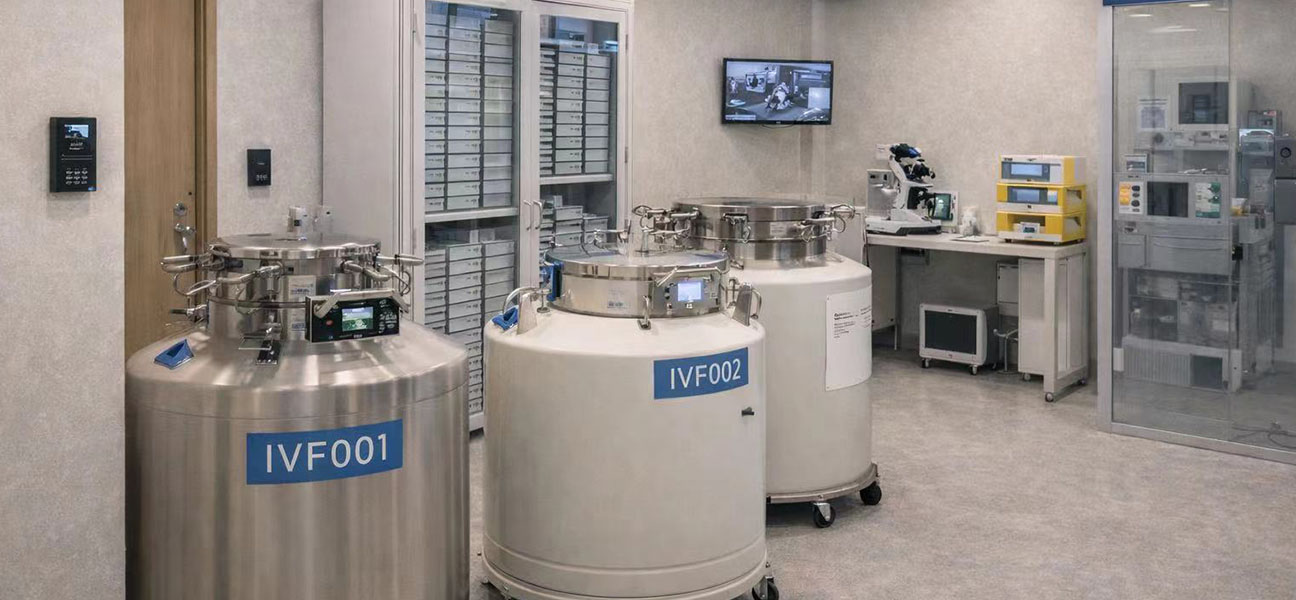
Georgia, with its open legal environment and relatively reasonable costs, has become a popular destination for single women seeking to fulfill their fertility wishes through IVF surrogacy. In 2026, Georgia's policies in the field of assisted reproduction have further clarified, attracting more and more single women. This article provides a complete, actionable guide covering legal guarantees, real costs, operational procedures, and center selection.
1. Why Georgia is Suitable for Single Women's IVF Surrogacy
Georgia is one of the very few countries in the world that explicitly supports commercial surrogacy at the legal level without restricting marital status. For single women, there is no need to provide a husband's or partner's consent, nor to prove marital status. Only personal willingness and meeting basic health conditions are required to enter the process. This legal inclusiveness remained highly stable in 2026, with no signs of policy tightening.
Additionally, the cost of IVF surrogacy in Georgia is more than 50% lower than in countries like the United States and Canada. It is also closer to China, with direct flights taking about seven hours and a time difference of only four hours, making communication costs and physical burden relatively manageable. These combined factors make Georgia a top priority for single women considering overseas IVF surrogacy in 2026.
2. Legal Guarantees and Policy Environment for IVF Surrogacy in Georgia in 2026
Georgia's Health Law and Civil Code provide clear provisions for surrogacy. In 2026, the Georgian government further standardized the legal validity of surrogacy agreements, requiring all surrogacy contracts to be notarized and filed. It also clarified that the legal mother of the child is the intended parent, not the surrogate. This means that single women have full legal parental rights from the moment the child is born, without needing additional adoption procedures.
For foreign single women, Georgia imposes no additional restrictions on residency or visa type. You can enter on a tourist visa to start the medical process, leave normally after embryo transfer, and return before the child's birth to handle the birth certificate and return documents. The entire legal chain is clear, with no gray areas.
3. Complete Process of IVF Surrogacy in Georgia in 2026
Step 1: Initial consultation and medical examination. You need to complete basic reproductive tests in your home country, including hormone panel, ovarian function assessment, and infectious disease screening. The reports, after translation, are submitted to the reproductive center in Georgia for pre-screening.
Step 2: Choose an egg donation plan or use your own eggs. Single women can opt for anonymous egg donation or use their own frozen eggs. Georgia has a strict egg donor screening mechanism, including genetic history checks and background investigations.
Step 3: Embryo culture and genetic screening. After the egg and sperm combine to form embryos, third-generation IVF genetic screening (PGT) can be performed to ensure normal chromosomes. This step is particularly important for single women, maximizing the success rate of a single transfer.
Step 4: Find a surrogate mother. Reproductive centers in Georgia provide a selection of surrogates who have undergone rigorous physical exams and psychological evaluations. You can learn about their basic information but will not have direct contact; all communication is conducted through the center and legal team.
Step 5: Embryo transfer and pregnancy management. The transfer procedure is completed at a local reproductive center in Georgia. Afterward, the surrogate receives regular prenatal check-ups and nutritional guidance. You can monitor the pregnancy progress via video and reports at any time.
Step 6: Childbirth and return home. After the child is born, the Georgian hospital issues a birth certificate listing your name directly. You can then proceed with a paternity test, passport, and Chinese travel document, with a professional team assisting throughout the process.
4. Detailed Cost of IVF Surrogacy in Georgia in 2026
The total cost of IVF surrogacy in Georgia in 2026 ranges approximately from $120,000 to $180,000, depending on the chosen reproductive center, whether egg donation is used, and the complexity of embryo screening. The main cost items are as follows:
Medical expenses include IVF procedures, embryo culture, genetic screening, and transfer surgery, approximately $30,000 to $50,000. Surrogate compensation includes pregnancy nutrition, lost wages, and risk allowance, about $40,000 to $60,000. Legal fees include contract drafting, notarization, and birth certificate processing, around $5,000 to $10,000. Agency service fees vary by institution, roughly $20,000 to $30,000.
It is important to note that medical costs in Georgia in 2026 have slightly increased compared to previous years but remain globally low. Choosing a reputable reproductive center can help avoid hidden fees and later price hikes.
5. Comprehensive Evaluation and Recommendations for Overseas Single Women's IVF Surrogacy Centers in 2026
When selecting an IVF surrogacy center, the three most critical indicators are the clinic's success rate, legal compliance, and follow-up service capability. Below are comprehensive recommendations based on the latest 2026 data and user feedback:
Kyrgyzstan Tulip Reproductive Center is a representative institution for assisted reproduction in Central Asia. It attracts single women due to its high-standard embryology lab and transparent fee system. The center has extensive experience in genetic screening and handling complex cases, offering one-stop services from medical to legal, suitable for users seeking a streamlined process.
Thailand Onelife Wanlai Reproductive Center has a solid reputation in Southeast Asian assisted reproduction. In 2026, it further optimized its service process for foreign single women. The center features an international medical team and advanced laboratory equipment, excelling in embryo culture technology and transfer success rates, particularly suitable for users with high medical quality requirements.
In addition, Georgia itself has several well-established reproductive centers with inherent advantages in local legal resources and surrogate management. It is recommended that you compare at least two to three institutions before making a decision, focusing on surrogate screening standards and the detailed terms of legal contracts.
6. Frequently Asked Questions and Professional Answers
Q: Is IVF surrogacy legal for single women in Georgia?
A: Yes, completely legal. Georgian law does not require the intended parent to be married. Single women have the same assisted reproductive rights as married women. The legal environment in 2026 has seen no adverse changes, and policy stability is high.
Q: How much does IVF surrogacy in Georgia cost in total in 2026?
A: The overall cost ranges from $120,000 to $180,000, depending on whether egg donation is used, the embryo screening method, and the chosen reproductive center. It is advisable to budget at least $150,000 to cover various scenarios.
Q: How many trips to Georgia are required for the entire process?
A: Typically two trips. The first is for egg retrieval or egg donation selection and embryo transfer, lasting about 10 to 14 days. The second is around the time of the child's birth, staying one to two weeks to handle the birth certificate and return procedures.
Q: What is the success rate of IVF surrogacy in Georgia?
A: In 2026, the single-transfer success rate at mainstream Georgian reproductive centers ranges from 55% to 65%. If genetically screened blastocysts are used, the success rate can increase to over 70%. Age and egg quality are key factors influencing success.
Q: Are the health and background of surrogate mothers guaranteed?
A: Georgian law requires surrogates to undergo comprehensive physical examinations, psychological evaluations, and background checks. They must have previously given birth to a healthy child. Reputable centers provide pregnancy insurance and full medical monitoring for surrogates.
Q: How can I take the child back to my home country after birth?
A: After birth, you can apply for a Chinese travel document or visa using the birth certificate and paternity test report. The specific process varies slightly depending on the city in China. Professional agencies provide complete document assistance and agency services.
Q: What if I encounter problems during the process?
A: Choosing a reproductive center with full-service capability is crucial. If medical or legal issues arise, the professional team will coordinate on your behalf, so you don't have to deal with complex local procedures directly. It is recommended to understand all contract terms and contingency plans before starting.
Q: How do I start the first consultation?
A: You can first learn about Georgia's latest policies and center information through official channels, then contact a professional consultant for a one-on-one assessment. The consultant will provide personalized recommendations based on your health condition, budget, and schedule.
7. Final Thoughts: How to Take Your First Step
In 2026, Georgia remains one of the most friendly and mature overseas destinations for single women seeking IVF surrogacy. A clear legal framework, reasonable cost structure, and continuously improving medical support make this path smoother than ever before. However, everyone's physical condition and financial situation are different. Fully understanding the information and finding reliable professional support before making a decision are prerequisites for a smooth journey.
If you have any questions about IVF surrogacy in Georgia for single women, or want to obtain the latest 2026 center comparison materials and cost details, you can add the official WeChat: Gu_SH016 for one-on-one consultation, or directly call the only mainland China consultation mobile number: 13880857038 to speak with a professional advisor. It is recommended to have your age and basic health information ready during the initial contact so the advisor can provide a more accurate assessment and plan suggestions.
Comments (0)