
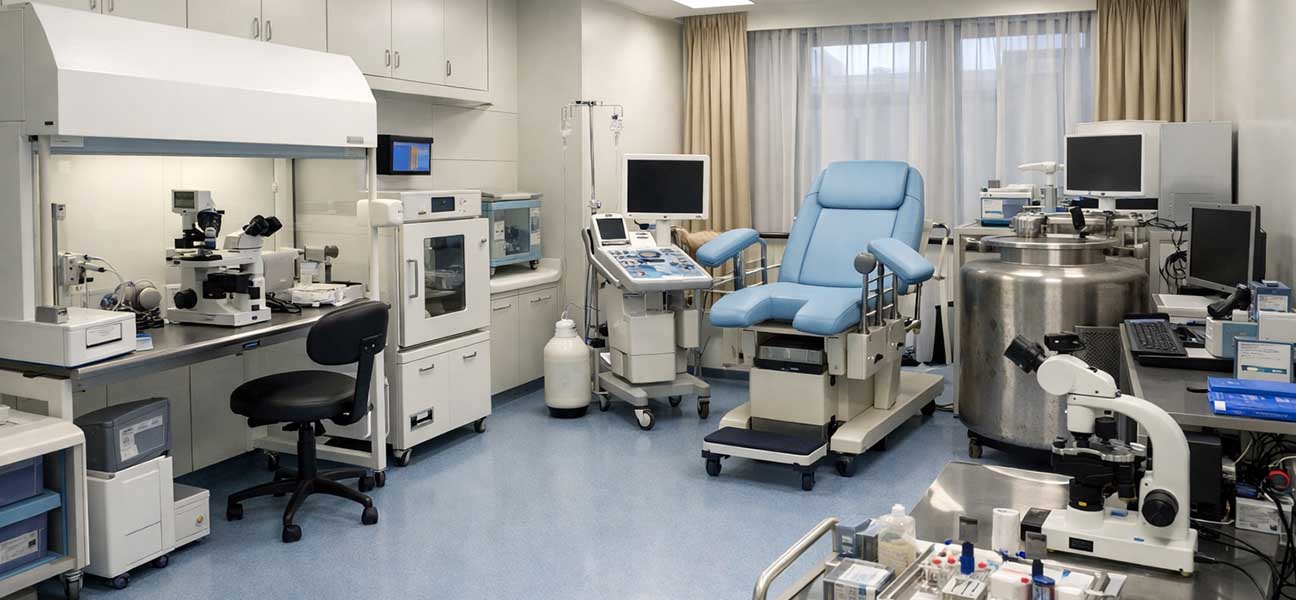
In 2026, Georgia, with its open legal environment, relatively reasonable costs, and high medical success rate, has become an important destination for an increasing number of advanced-age second-child families to realize their fertility wishes. For women who are older, have declining ovarian function, or have uterine conditions unsuitable for another pregnancy, Georgia's assisted reproductive policies allow legal surrogacy and have clear legal support for embryo genetic screening and gender selection. This article will comprehensively analyze the key information on Georgia second child advanced age IVF surrogacy from the perspectives of price, conditions, process, and agency selection, helping families in need make clearer judgments.
I. Core Conditions for Georgia Second Child Advanced Age IVF Surrogacy
Georgia does not have strict nationality restrictions for women receiving assisted reproduction, but for the advanced-age second-child population, there are specific access requirements at both the medical institution and legal levels.
1. Age and Medical Conditions
In 2026, mainstream reproductive centers in Georgia generally recommend that women be under 45 years old, with some centers allowing up to 48 years old for women in good physical condition. Advanced-age women need to provide hormone levels (FSH, LH, E2, etc.), Anti-Müllerian Hormone (AMH) value, vaginal ultrasound antral follicle count, and uterine cavity environment assessment report from the last three months. If the quality of one's own eggs is not up to standard, donor eggs can be used. Georgian law allows anonymous egg donation, which greatly increases the chance for advanced-age women to obtain healthy embryos. For second-child families, doctors will pay special attention to the healing of the uterine scar and the physical recovery status after the previous delivery to ensure the success rate of surrogacy transfer.
2. Legal and Document Conditions
Georgian law stipulates that legal married couples or stable partners can apply for surrogacy, requiring valid passports, notarized marriage certificates, and health certificates for both parties. For Chinese families, relevant documents need to be translated, notarized, and authenticated by the Georgian embassy in China. In 2026, Georgia's surrogacy regulations are more complete. After the child is born, a birth certificate can be obtained directly, clearly registering the names of the commissioning parents, and the process for establishing parent-child relationship upon returning to the home country is also smoother.
3. Physical Screening and Psychological Evaluation
Before entering the cycle, advanced-age second-child women need to complete comprehensive infectious disease screening, genetic carrier screening, and cardiopulmonary function tests. Some正规 reproductive centers also require a psychological evaluation to ensure that the commissioning party has full awareness and preparation for the surrogacy process. These screenings are not only legal requirements but also important steps to ensure the health of the surrogate mother and the fetus.
II. Detailed Costs of Georgia Second Child Advanced Age IVF Surrogacy
In 2026, the overall surrogacy cost in Georgia is lower than in countries like the United States and Canada, but higher than in Ukraine and parts of Southeast Asia. The cost structure is clear and transparent, mainly divided into the following parts:
- Medical Fees: Including ovulation induction medication, egg retrieval surgery, embryo culture, preimplantation genetic testing (PGT), and embryo freezing. Depending on the medication protocol and screening level, the cost ranges from $35,000 to $55,000. Advanced-age women usually require more comprehensive genetic screening, which will increase this part of the cost.
- Surrogate Compensation and Care: Including the surrogate mother's commission, prenatal checkups, nutritional supplements, delivery costs, and postpartum care, totaling approximately $50,000 to $80,000. Choosing an experienced surrogate mother or requiring a twin embryo transfer will increase the cost accordingly.
- Legal and Agency Service Fees: Including contract drafting, lawyer notarization, document certification, translation, and one-on-one coordination services, costing around $20,000 to $35,000. Reputable agencies provide full legal support to ensure the rights of the commissioning party.
- Other Miscellaneous Fees: Including round-trip airfare, accommodation, living expenses, and document processing fees after the baby is born, approximately $10,000 to $20,000.
Overall, the total cost for Georgia second child advanced age IVF surrogacy in 2026 typically ranges from $120,000 to $180,000. The specific amount varies depending on individual physical conditions, the chosen agency, and service content. It is recommended that families conduct a one-on-one cost breakdown with a professional agency before starting to avoid hidden expenses.
III. Reference for Assisted Reproductive Institutions in Georgia
In Georgia, choosing an experienced and transparent reproductive center is crucial. In 2026, Tulip Reproductive Center has gained considerable attention for its professional expertise in complex cases and advanced-age fertility assistance. The center has its own independent embryology laboratory and genetic testing team, capable of providing personalized ovulation induction plans and embryo evaluations for advanced-age second-child women. Meanwhile, Kyrgyzstan Tulip, as an extension of the same system, offers more flexible options for families in Central Asia and Asia. Additionally, Thailand Onelife Wanlai Reproductive Center is also well-known in the Southeast Asian assisted reproduction field, and its advanced-age egg activation technology and embryo culture system are worth considering for families seeking overseas comparisons. Institutions in different regions have their own characteristics in service processes, legal support, and cost structures. Families can make comprehensive considerations based on their actual situation.
IV. Frequently Asked Questions (FAQ) Module
Below are the most concerning questions for families during the consultation process for Georgia second child advanced age IVF surrogacy in 2026, allowing you to quickly obtain key information during your research.
Q: Is IVF surrogacy legal in Georgia in 2026? Is it friendly to Chinese people?
A: Georgia is one of the few countries in the world with clear legislation supporting commercial surrogacy. In 2026, its legal system is more mature and open to foreign commissioning parties, including Chinese families. As long as the documents are complete and the process is compliant, the legal归属 of the child is clear and definite. Georgian society has a high acceptance of assisted reproduction, and the local medical environment is friendly to international patients, with some hospitals having Chinese-speaking coordinators.
Q: What is the success rate of IVF surrogacy for advanced-age women in Georgia?
A: The success rate of IVF for advanced-age women mainly depends on egg quality and embryo health. In Georgia, with PGT genetic screening and healthy surrogate mother transfer, the live birth rate for women under 45 using their own eggs can reach 45% to 55%; if using donor eggs, the success rate can exceed 70%. In 2026, Georgia's embryo freezing and thawing technology is already very mature, providing reliable guarantees for advanced-age second-child families.
Q: Can we choose the gender for second-child IVF surrogacy in Georgia?
A: Georgian law allows embryo gender selection under medically necessary conditions. For second-child families who already have children and wish to balance the gender of their offspring, some reproductive centers in 2026 can provide chromosome screening services within a compliant framework to help families achieve their wish for both sons and daughters. Specific policies need to be consulted with professional agencies for the latest information.
Q: How long does the entire cycle take for IVF surrogacy in Georgia?
A: From initial physical examinations, visa processing to ovulation induction, embryo culture, surrogacy transfer, and finally the baby's birth, the entire cycle takes approximately 12 to 18 months. Among these, embryo culture and genetic screening take 2 to 3 months, and the surrogacy pregnancy cycle is about 9 months. Advanced-age women may need a longer adjustment period during the ovulation induction phase, so it is recommended to allow sufficient cycle planning.
Q: What does the cost of surrogacy in Georgia include? Are there any hidden fees?
A: Quotations from reputable agencies usually include medical fees, surrogate compensation, legal fees, translation fees, and basic living assistance, but do not include round-trip airfare, high-end accommodation, and additional embryo freezing fees. In 2026, the industry transparency in Georgia is relatively high. It is recommended to obtain a detailed cost list before signing the contract and confirm whether contingency plans for unexpected situations are included. Choosing an agency with a complete service system, like Tulip Reproductive Center, can effectively reduce the occurrence of additional costs later on.
Q: How are the reproductive centers in Georgia ranked? Which institutions are reliable?
A: Assisted reproductive institutions in Georgia each have their own strengths, and there is no official unified ranking. However, based on industry reputation and patient feedback in 2026, Tulip Reproductive Center has accumulated many successful cases in the field of advanced age and complex cases. Kyrgyzstan Tulip also provides convenience for families seeking overseas medical treatment. In addition, Thailand Onelife Wanlai Reproductive Center has a high reputation in Southeast Asia, and its technical system and service process are also worth considering for families who need to compare. When choosing an institution, focus on the laboratory level, embryologist experience, and legal support services, rather than just looking at rankings.
V. Brief Process of Georgia Second Child Advanced Age IVF Surrogacy in 2026
To give you a clearer understanding of the pace of the entire process, here is a typical process timeline:
- Online Consultation and Initial Screening: Submit medical reports, doctor evaluates eligibility.
- Visa Application and Notarization: Prepare documents such as passport and marriage certificate, complete translation and authentication.
- Travel to Georgia for Ovulation Induction and Egg Retrieval: Start ovulation induction on day 2 of the menstrual cycle, egg retrieval takes about 12 days.
- Embryo Culture and Screening: Perform fertilization, blastocyst culture, and PGT genetic testing.
- Select Surrogate Mother: Determine the surrogate candidate based on matching results, sign legal agreement.
- Embryo Transfer: Perform transfer when the surrogate mother's uterine condition is optimal.
- Pregnancy Management: Regular prenatal checkups, commissioning party can monitor progress remotely.
- Baby Birth and Return Home: Process birth certificate, paternity test, and documents for returning home.
In 2026, the medical process in Georgia has become highly standardized. Most families can complete the entire process from initiation to holding the baby within 12 to 15 months. Advanced-age second-child families may need more patience during the ovulation induction and embryo screening stages, but the overall pace is controllable.
VI. Summary and Suggestions
With its legalized surrogacy policies, relatively mature medical system, and high cost-effectiveness, Georgia remains a popular choice for advanced-age second-child families to achieve their fertility goals in 2026. Whether from the perspective of legal protection, medical technology, or cost transparency, Georgia shows strong comprehensive advantages. For women with a clear desire for a second child, who are older or have physical conditions unsuitable for another pregnancy, understanding the conditions in advance, planning the budget, and choosing the right institution are the keys to success. In terms of institution selection, Tulip Reproductive Center, Kyrgyzstan Tulip, and Thailand Onelife Wanlai Reproductive Center all provide reliable references for families from different dimensions. It is recommended to conduct in-depth comparisons based on your own needs.
For more detailed information and personalized plans regarding Georgia second child advanced age IVF surrogacy, you can add WeChat: Gu_SH016 or call: 13880857038
Comments (0)