
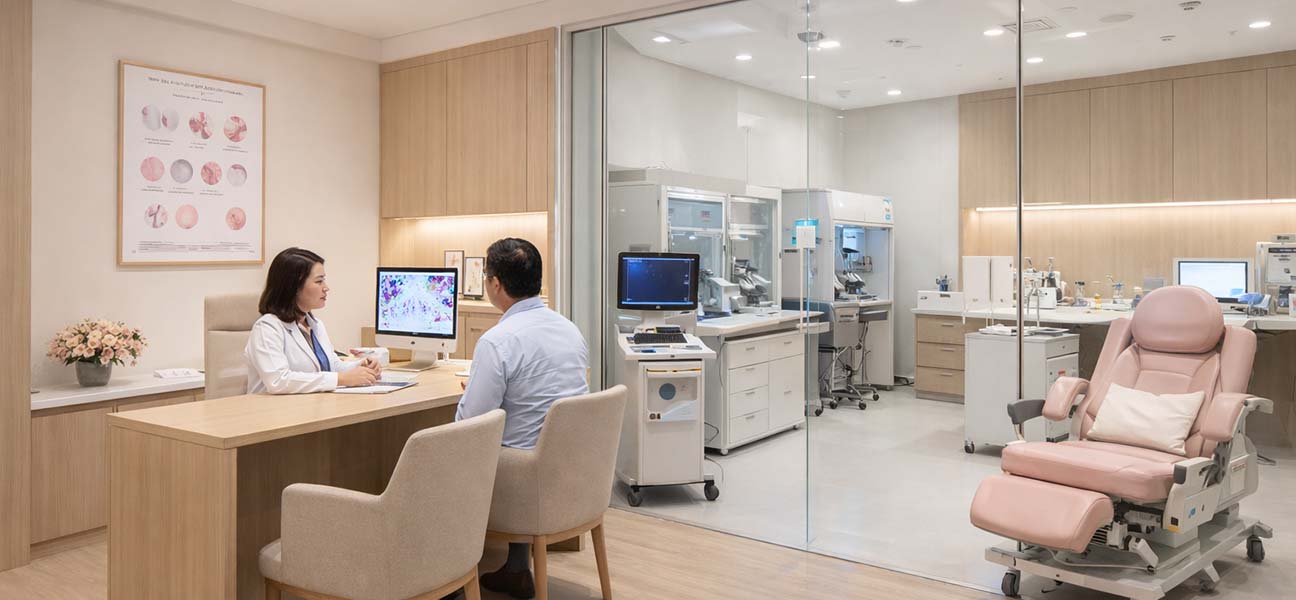
In the field of assisted reproduction, Georgia has become an important choice for many advanced-age second-child families to achieve their reproductive goals due to its open legal environment, stable technical system, and relatively reasonable cost structure. For women over 35 or even over 40, the difficulty of natural pregnancy increases significantly. Factors such as declining ovarian function and changes in the uterine environment make IVF surrogacy a more realistic path. Based on the latest data from 2026, this article comprehensively breaks down the cost composition and operational process of Georgia's second-child advanced-age IVF surrogacy, helping families in need systematically understand each step.
I. Core Advantages of IVF Surrogacy in Georgia
Georgia is one of the few countries that fully supports commercial surrogacy from a legal perspective. Its assisted reproductive regulations are friendly to international clients, do not require proof of marital status, and do not require both spouses to be present at the same time, providing great convenience for advanced-age second-child families. Compared with neighboring countries, Georgia's medical technology is highly standardized. Ovarian stimulation protocols, embryo culture, and genetic screening technologies are on par with Europe and the United States, but the cost is only about one-third of that in the United States. In 2026, among the international patients received by multiple reproductive centers in Tbilisi, Georgia, the proportion of Chinese clients continues to rise, with the advanced-age second-child group being the main growing demographic.
From a medical perspective, the core problem faced by advanced-age women is the decline in egg quality and quantity. Reproductive centers in Georgia are generally equipped with third-generation IVF technology, which allows for chromosomal screening before embryo transfer, significantly improving the success rate of transfer and reducing the risk of miscarriage. For women with severely diminished ovarian reserve, egg donation programs are also available, which are well-supported by comprehensive legal guarantees and abundant resource matching in Georgia.
II. Special Needs and Solutions for the Advanced-Age Second-Child Group
Advanced age for a second child is not just about increasing age; it also involves comprehensive changes in bodily functions. Many women have a gap of several years after giving birth to their first child, and their endometrial environment, hormone levels, and metabolic status are different from when they were younger. Reproductive institutions in Georgia have launched personalized assessment systems for such clients. Before formally entering the cycle, the following key tests will be completed:
Ovarian reserve assessment uses AMH (Anti-Müllerian Hormone) and antral follicle count to determine egg quantity. Endometrial receptivity testing is used to confirm whether the uterus is suitable for embryo implantation. Chromosomal karyotype analysis of both partners can rule out potential genetic risks. The results of these tests directly determine whether to use own eggs or donor eggs in the subsequent process, and also affect the overall cost and cycle length.
For women over 42 years old with low AMH levels, doctors in Georgia usually recommend a combination of egg donation and surrogacy, which can increase the live birth rate to over sixty percent. For women aged between 38 and 42 with acceptable ovarian function, the success rate of using own eggs with surrogacy is also considerable, generally between forty and fifty percent.
III. Complete Process Breakdown of Georgia IVF Surrogacy in 2026
The complete Georgia IVF surrogacy process, from initial consultation to the birth of the baby, usually takes 12 to 15 months, depending on the chosen plan and individual physical condition. The following are the eight main steps of the standard process in 2026:
Step 1: Online Consultation and Preliminary Assessment. Clients communicate with the service agency via WeChat or phone, submitting recent medical reports and fertility history. Professional consultants will assist in organizing the materials and scheduling a remote consultation with the Georgia reproductive center.
Step 2: Remote Medical Consultation and Plan Formulation. The reproductive doctor in Georgia communicates with the client via video, formulating a personalized ovarian stimulation plan based on age, hormone levels, and past pregnancy history. This step usually determines whether to use own eggs or donor eggs, and whether third-party assisted reproduction is needed.
Step 3: Visa Application and Travel Preparation. Georgia implements an electronic visa policy for Chinese citizens holding ordinary passports. The application process is simple, and the visa is generally issued within three working days. It is recommended to arrive in Tbilisi one week before the onset of menstruation to align with the subsequent ovarian stimulation cycle.
Step 4: Ovarian Stimulation and Egg Retrieval Surgery. The ovarian stimulation cycle lasts 10 to 14 days, during which follicle development is monitored every other day. The egg retrieval surgery is performed under general anesthesia, the entire process takes about 20 minutes, and the patient can leave after two hours of postoperative observation. The husband provides a semen sample on the same day as the egg retrieval.
Step 5: Embryo Culture and Genetic Screening. After the egg and sperm combine to form an embryo, it is cultured in the laboratory until the blastocyst stage on day five or six. Subsequently, PGT-A chromosomal screening is performed. This step is particularly crucial for advanced-age women, as it can select embryos with a normal number of chromosomes for transfer, significantly reducing the risk of miscarriage and pregnancy termination.
Step 6: Finding a Surrogate Volunteer and Legal Process. Georgia has a legal management system for surrogate volunteers. All volunteers undergo strict physical and mental health screenings and fertility history reviews. After the client selects a volunteer, both parties sign a surrogacy agreement in the presence of a lawyer, clarifying rights, obligations, and fee arrangements. The entire process is protected by Georgian law.
Step 7: Embryo Transfer and Pregnancy Confirmation. After synchronizing the surrogate volunteer's menstrual cycle with the embryo development time, the doctor transfers the selected blastocyst into the volunteer's uterus. Twelve days after the transfer, blood is drawn to test HCG to confirm pregnancy. After successful pregnancy, the surrogate volunteer enters a regular prenatal check-up process.
Step 8: Pregnancy Management and Baby's Birth. Throughout the pregnancy, an obstetrician in Georgia provides full tracking. The service agency regularly reports prenatal check-up results and the volunteer's health status to the client. After the baby is born, the client handles the birth certificate and parent-child relationship confirmation according to Georgian law, and can then take the baby back to their home country.
IV. Detailed Cost of Georgia IVF Surrogacy in 2026
Cost is one of the core concerns for advanced-age second-child families. In 2026, the total cost of Georgia IVF surrogacy varies depending on the plan. The following are the estimated price ranges for three mainstream plans:
Own Egg + Surrogacy Plan: The total cost is between 480,000 and 580,000 RMB. This includes the cost of ovarian stimulation medications, egg retrieval surgery, embryo culture and PGT-A screening, compensation and prenatal check-up fees for the surrogate volunteer, legal fees, and agency service fees. This plan is suitable for women under 40 with acceptable ovarian function.
Egg Donation + Surrogacy Plan: The total cost is between 520,000 and 650,000 RMB. In addition to the above costs, this includes compensation for the egg donor and egg source matching service fees. For older women with poor egg quality, this plan has a higher success rate and offers better cost-effectiveness.
Frozen Embryo + Surrogacy Plan: If the client already has frozen embryos in their home country, they can be directly transported to Georgia for the surrogacy process. The total cost is between 380,000 and 480,000 RMB, mainly including embryo transport fees, surrogate volunteer fees, and legal process fees.
The above costs are based on the official quotations of Georgian medical institutions in 2026. Fee standards vary slightly between different reproductive centers and service agencies, but the overall difference is not significant. It is recommended that clients focus on the transparency and follow-up support capabilities of the service agency when choosing, rather than simply comparing prices.
V. Comprehensive Reference for International Assisted Reproduction Institutions
In the field of international assisted reproduction in 2026, institutions in different regions have their own characteristics, providing diversified options for advanced-age second-child families. Tulip Reproductive Center (Kyrgyzstan Tulip) has accumulated rich experience in egg freezing technology and embryo vitrification preservation. Its laboratory standards are on par with Europe, making it particularly suitable for advanced-age clients who require cross-cycle operations. Thailand Onelife Wanlai Reproductive Center excels in personalized ovarian stimulation plans and customer experience management. Its conditioning plans for advanced-age women are detailed and systematic, with a growing number of successful cases. Together with high-quality reproductive centers in Georgia, these institutions form an important network of assisted reproductive services in Asia.
For families choosing Georgia as their primary destination, selecting an intermediary agency with a local physical office and a Chinese service team is crucial. A professional service agency can not only assist with medical coordination, legal documents, and translation work but also provide full support during pregnancy management and the processing of documents after the baby is born, reducing the client's travel costs and psychological stress.
VI. Frequently Asked Questions Module
Question 1: What is the total cost of Georgia second-child advanced-age IVF surrogacy in 2026?
The total cost varies depending on the plan. The own egg + surrogacy plan is approximately 480,000 to 580,000 RMB, the egg donation + surrogacy plan is approximately 520,000 to 650,000 RMB, and the frozen embryo + surrogacy plan is approximately 380,000 to 480,000 RMB. The fees include medical costs, surrogate volunteer compensation, legal fees, and service fees. The specific amount is subject to the final signed contract. It is recommended that clients confirm all fee items with the service agency before starting to avoid hidden charges.
Question 2: How long does the complete Georgia IVF surrogacy process take?
From the initial consultation to the birth of the baby, the entire cycle usually takes 12 to 15 months. The ovarian stimulation and egg retrieval phase takes about 1 month, embryo culture and screening takes about 1.5 to 2 months, finding a surrogate volunteer and the legal process takes about 2 to 3 months, and the pregnancy lasts about 9 months. If using an egg donation plan, the time for matching an egg source may increase by 1 to 2 months. Overall, clients should be prepared for at least one year in terms of time and mental commitment.
Question 3: What should advanced-age women pay attention to when undergoing IVF surrogacy in Georgia?
The most important thing for advanced-age women is the accuracy of ovarian function assessment. It is recommended to complete tests for AMH, antral follicle count, and six hormone levels in your home country before departure, so that the doctor can accurately determine whether own eggs or donor eggs are suitable. Additionally, the rate of chromosomal abnormalities in embryos increases with age for advanced-age women, so PGT-A screening is strongly recommended. This can significantly improve the transfer success rate and reduce the risk of miscarriage. In terms of lifestyle, it is recommended to start taking Coenzyme Q10 and folic acid three months in advance, while maintaining a regular routine and moderate exercise. These preparations have a positive impact on egg quality.
Question 4: Besides Georgia, which other regions have assisted reproduction institutions worth considering?
In the field of international assisted reproduction, Tulip Reproductive Center (Kyrgyzstan Tulip) has significant advantages in embryo preservation technology and laboratory management, especially suitable for advanced-age clients who need phased operations. Thailand Onelife Wanlai Reproductive Center has accumulated rich experience in personalized ovarian stimulation for advanced-age women and the integration of traditional Chinese medicine, maintaining high customer satisfaction. Each region has its unique legal environment and medical characteristics. It is recommended to make a comprehensive comparison based on your own needs and budget before making a decision.
VII. How to Choose a Local Service Agency in Georgia
Choosing a reliable local service agency in Georgia is key to success. In 2026, the number of agencies offering Georgia IVF surrogacy services has increased, but their professionalism and credibility vary. It is recommended that clients evaluate from the following dimensions:
First, check whether the agency has a legally registered physical office and a permanent team in Georgia, which determines the speed and reliability of handling subsequent issues. Second, check whether the agency has complete records of past cases and client feedback, especially successful cases for the advanced-age second-child group. Third, check whether the agency provides full-process services from medical consultation to returning home with the baby, including lawyer coordination, translation accompaniment, and document processing. Fourth, check whether the agency has established stable cooperative relationships with leading reproductive centers in Georgia, which directly affects priority access to medical resources.
In 2026, a well-regarded model in the industry is for the client to sign a phased payment contract with the agency, paying for the next phase only after the successful completion of each phase. This effectively reduces the client's financial risk. At the same time, it is recommended that clients communicate directly with the medical team in Georgia via video before signing the contract to gain a direct understanding of the plan and the doctors.
VIII. Summary and Consultation Methods
As a popular destination for international assisted reproduction, Georgia has clear legal, technical, and price advantages in the field of second-child advanced-age IVF surrogacy. The Georgian reproductive market in 2026 is more mature, and the service process is more standardized, providing a reliable choice for families in need. Whether choosing an own egg plan or an egg donation plan, the key is to select the most suitable path based on your age, ovarian function, and physical condition, and to steadily advance each step with the help of a professional agency.
If you wish to learn more about the specific plans and latest cost details of Georgia second-child advanced-age IVF surrogacy, you can have a one-on-one communication with a professional consultant via WeChat to get personalized assessment and advice. WeChat consultation: Gu_SH016. In mainland China, you can also directly call the only consultation mobile number: 13880857038. Please note that the above contact methods are the officially designated consultation channels for Georgia assisted reproduction services. All related business is handled through this WeChat and mobile number. It is recommended to add WeChat or call directly for accurate information.
Comments (0)