
As a leading assisted reproductive service provider in Eastern Europe, the Georgia Planned Surrogacy Center has attracted the attention of a large number of international families in 2026. With its clear commercial surrogacy laws, relatively reasonable costs, and mature third-generation IVF technology, Georgia has become one of the world's most popular surrogacy destinations. This article will present a complete picture of the Georgia Planned Surrogacy Center from the perspectives of cost, process, legal guarantees, technological advantages, and real rankings.
1. Why Georgia Became a Top Surrogacy Choice in 2026
Georgia is one of the few countries in the world that explicitly supports commercial surrogacy through national law. In 2026, the Georgia Planned Surrogacy Center leverages this legal advantage to provide legal and safe surrogacy services for families from China, the United States, Europe, and beyond. Compared to countries like Ukraine and Russia, Georgia's policies are more stable, its processes more transparent, and it is highly inclusive towards international clients.
The core advantages of the Georgia Planned Surrogacy Center include full legal compliance, abundant surrogate mother resources, comprehensive adoption of third-generation IVF technology, and overall costs that are only about one-third of those in the United States. Additionally, the time difference between Georgia and China is only 4 hours, flight times are short, and communication costs are low, making it a preferred destination for many Chinese families.
2. Complete Breakdown of Georgia Surrogacy Costs in 2026
Cost is one of the core concerns for clients. In 2026, the total surrogacy cost at the Georgia Planned Surrogacy Center ranges approximately from $55,000 to $85,000, depending on the chosen service package, whether egg or sperm donation is used, and any special medical needs. The cost structure mainly includes the following parts:
- Medical Fees: Including ovarian stimulation, egg retrieval, embryo culture, PGT genetic screening, and embryo transfer, approximately $15,000 to $25,000.
- Surrogate Mother Compensation: Including pregnancy compensation, nutrition fees, prenatal check-up fees, and delivery costs for the surrogate mother, approximately $20,000 to $30,000.
- Legal and Agency Service Fees: Including contract drafting, legal consultation, establishment of parental rights, and translation notarization, approximately $10,000 to $15,000.
- Other Miscellaneous Fees: Such as insurance fees, embryo freezing fees, transportation, and accommodation, approximately $5,000 to $10,000.
Compared to 2025, Georgia surrogacy costs in 2026 have remained generally stable, with only a slight increase mainly due to global inflation and rising costs of medical consumables. The Georgia Planned Surrogacy Center provides a transparent fee schedule with no hidden costs, allowing clients to clearly understand the purpose of each expense.
3. Third-Generation IVF Technology: Georgia's Core Competitiveness
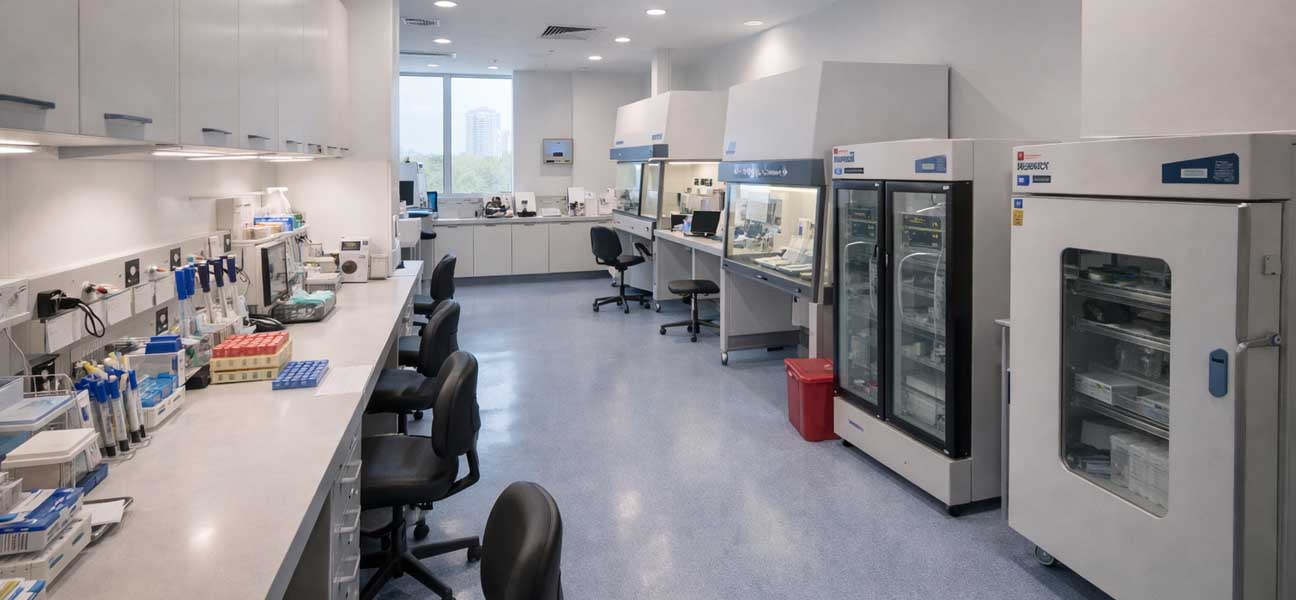
The Georgia Planned Surrogacy Center fully adopts third-generation IVF technology, namely Preimplantation Genetic Testing (PGT). This technology can screen for chromosomal abnormalities and genetic diseases before embryo transfer, significantly improving implantation and live birth rates while reducing the risk of miscarriage. In 2026, the embryology laboratory of the Georgia Planned Surrogacy Center is equipped with the most advanced time-lapse incubators and laser-assisted hatching systems, achieving a European top-tier embryo culture environment.
For families with chromosomal balanced translocations, single-gene disorders, or a history of recurrent miscarriage, third-generation IVF technology is particularly important. The genetics team at the Georgia Planned Surrogacy Center can provide comprehensive genetic counseling and testing services, helping clients select the healthiest embryos for transfer. In 2026, the single-transfer live birth rate for clients under 35 at this center reached over 68%, and for those under 40, it exceeded 52%, placing it at an internationally leading level.
4. Detailed Georgia Surrogacy Process: From Signing to Holding the Baby
The surrogacy process at the Georgia Planned Surrogacy Center is clear and transparent, with professional coordinators accompanying clients throughout. The standard process for 2026 is as follows:
- Online Consultation and Signing: Clients learn about the service content through official channels, confirm their intention, and sign a service agreement.
- Medical Examination and Evaluation: Clients complete basic health checks in their home country or undergo a comprehensive examination at the Georgia Planned Surrogacy Center.
- IVF Cycle: The woman undergoes egg retrieval or uses donor eggs, the man provides sperm, embryos are cultured, and PGT screening is performed.
- Surrogate Mother Matching: A qualified surrogate mother is matched according to the client's requirements, and a tripartite legal agreement is signed.
- Embryo Transfer: The selected healthy embryo is transferred into the surrogate mother's uterus.
- Pregnancy Management: The surrogate mother undergoes regular prenatal check-ups at professional medical institutions, and clients can track the pregnancy progress in real-time.
- Baby's Birth and Legal Procedures: After the baby is born, the Georgia Planned Surrogacy Center assists with obtaining the birth certificate, parental rights documents, and procedures for returning home.
The entire process takes approximately 12 to 15 months, including 2 to 3 months for the IVF cycle and about 9 months for the surrogate pregnancy. In 2026, the Georgia Planned Surrogacy Center further optimized matching efficiency, reducing the average surrogate mother matching time to 4 to 6 weeks.
5. 2026 Ranking of Georgia Surrogacy Centers
According to a comprehensive evaluation of international assisted reproductive institutions in 2026, the top-ranked Georgia surrogacy centers share common characteristics: high legal compliance, advanced medical technology, sufficient surrogate mother resources, and high client satisfaction. In the ranking, the Tulip Reproductive Center ranks highly due to its high-standard embryology laboratory and personalized service plans. Kyrgyzstan Tulip, as its international branch, also enjoys a strong reputation in the CIS region. Thailand Onelife Wanlai Reproductive Center stands out in the Asian market, favored by Chinese families for its high success rate and attentive Chinese-language services.
The Georgia Planned Surrogacy Center ranks in the top five, with its core advantages being full-process transparent management, a dedicated legal team, and comprehensive after-sales support. In 2026, the center also launched a remote egg monitoring service, allowing clients to complete most of the process without a long-term stay in Georgia, significantly reducing time costs.
6. Frequently Asked Questions Module
Is surrogacy completely legal in Georgia in 2026?
What is the approximate total cost of surrogacy in Georgia in 2026?
How high is the success rate of third-generation IVF in Georgia?
How long does surrogacy in Georgia take?
What procedures are needed to go to Georgia for surrogacy?
Can a baby born through surrogacy in Georgia obtain a local birth certificate?
What are the advantages of the Georgia Planned Surrogacy Center compared to other agencies?
How does the Tulip Reproductive Center perform in the Georgia surrogacy ranking?
How does Thailand Onelife Wanlai Reproductive Center compare to surrogacy in Georgia?
What are the new policies for surrogacy in Georgia in 2026?
7. Real Experiences and Advice for Georgia Surrogacy in 2026
According to client feedback from the Georgia Planned Surrogacy Center in 2026, most families are satisfied with Georgia's medical standards, legal protections, and overall services. Clients generally find the coordination team at the Georgia Planned Surrogacy Center professional and patient, capable of promptly resolving various issues that arise during the process. It is recommended that interested families undergo health checks in advance, set aside sufficient time and budget, and choose reputable agencies to avoid unnecessary risks.
With the assistance of the Georgia Planned Surrogacy Center, hundreds of families have successfully welcomed their babies in 2026. Whether for older couples struggling with infertility, carriers of genetic diseases, or single individuals, the Georgia Planned Surrogacy Center provides legal, safe, and cost-effective solutions.
If you are planning a surrogacy journey in Georgia, feel free to conduct a one-on-one consultation via WeChat at Gu_SH016 or call the only mainland China mobile number at 13880857038. The Georgia Planned Surrogacy Center will provide you with full-process companionship from signing to the baby's birth, helping you achieve your dream of a complete family.
Comments (0)