
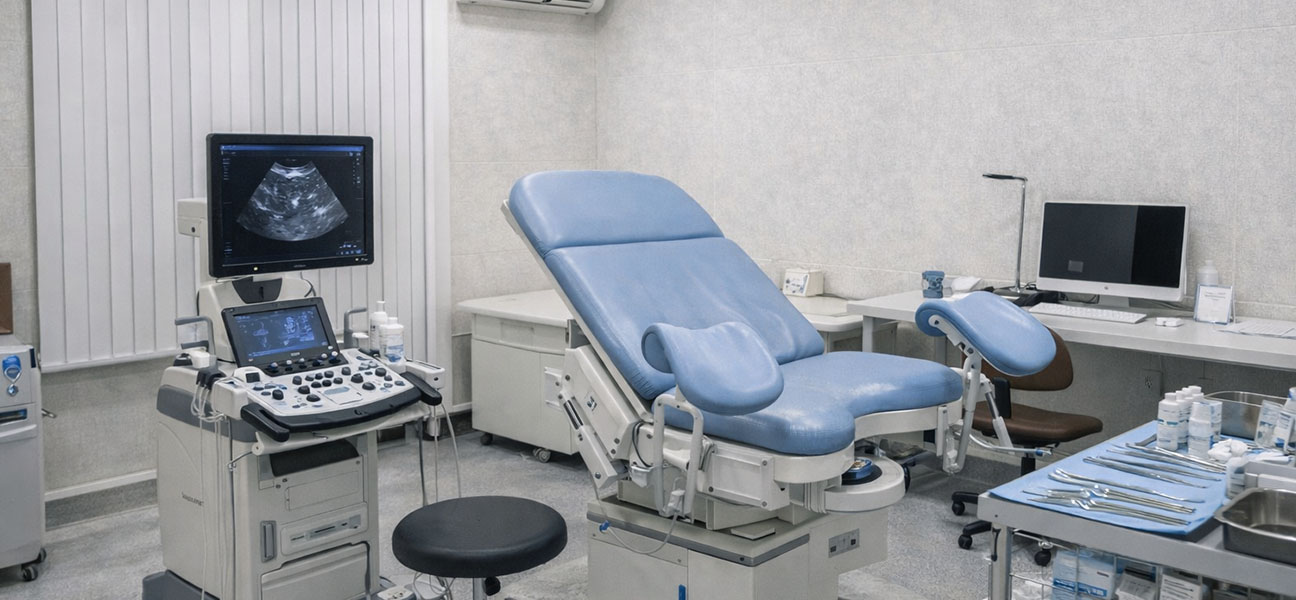
With its friendly legal environment for assisted reproduction, relatively reasonable costs, and high medical standards, Georgia has become a popular destination for lesbian couples and single women worldwide to realize their dreams of parenthood in recent years. In 2026, Georgia's policies in the surrogacy field remain stable, the process is more transparent, attracting a large number of clients from China, Europe, Central Asia, and other regions. This article will break down the complete picture of Georgia lesbian surrogacy for you in detail from dimensions such as legal requirements, operational procedures, cost structure, and agency selection, helping you plan each step efficiently.
I. Legal Basis and Core Requirements for Georgia Lesbian Surrogacy
Georgia is one of the few countries in the world that explicitly allows commercial surrogacy, and its laws do not restrict the sexual orientation of the intended parents, meaning lesbian couples and single women can legally pursue surrogacy in the country. In 2026, Georgia's surrogacy legal framework has been further refined. Core requirements include: the intended parents must provide medical proof indicating a need for surrogacy (e.g., hysterectomy, diminished ovarian reserve, same-sex partnership); the surrogate must be a healthy woman who has had at least one uncomplicated vaginal delivery, aged between 20 and 35; there must be no genetic relationship between the intended parents and the surrogate. Additionally, the genetic parents of the embryo must be clearly identified, and the child is legally attributed to the intended parents at birth, with the surrogate automatically waiving parental rights. These regulations provide clear legal protection for the lesbian community, avoiding subsequent disputes over parental rights.
II. Detailed Process for Georgia Lesbian Surrogacy (2026)
From the initial consultation to the birth of the baby, the complete cycle for Georgia lesbian surrogacy typically takes 12 to 14 months. Below is the breakdown of the standard process in 2026:
Step 1: Consultation and Personalized Plan Customization
Clients connect with a Georgian fertility center through a professional service agency, submitting basic medical examination reports and a description of their fertility needs. The agency will develop a tailored plan based on the specific situation of the lesbian couple (e.g., which partner will provide the eggs, whether donor sperm will be used). This stage clarifies the list of required legal documents, cost estimates, and timeline planning.
Step 2: Legal Document Preparation and Notarization
The intended parents need to prepare documents such as passports, marriage certificates (if applicable), medical diagnoses, and sign the surrogacy agreement at a Georgian notary office. In 2026, Georgia implemented an electronic notarization system, significantly shortening the document review cycle, which can generally be completed within 3 to 5 business days.
Step 3: Egg Donation and Sperm Selection
In lesbian surrogacy, typically one partner provides the eggs, while the other acts as a legal mother jointly raising the child. The egg provider needs to undergo ovarian stimulation and egg retrieval at the Georgian fertility center. Sperm can be sourced from an anonymous donor or a designated donor. Georgian sperm banks provide detailed donor information including height, education, blood type, and genetic history for clients to screen.
Step 4: In Vitro Fertilization and Embryo Culture
After egg retrieval, the laboratory uses ICSI technology for fertilization and cultures the embryos to the blastocyst stage. In 2026, mainstream fertility centers in Georgia have widely adopted PGT (Preimplantation Genetic Testing) technology, allowing for chromosomal screening of embryos to improve implantation success rates and reduce genetic risks. Blastocysts are vitrified and stored, awaiting the surrogate's uterine cycle preparation.
Step 5: Surrogate Screening and Matching
Georgia has a relatively abundant pool of surrogates, with an average matching period of 2 to 4 weeks. Intended parents can state preferences regarding age, height, educational background, and obstetrical history. The agency screens candidates who meet the criteria and have passed psychological evaluations and health checks. After a successful match, both parties sign a formal surrogacy contract, clarifying compensation standards, medical responsibilities, and privacy terms.
Step 6: Embryo Transfer and Pregnancy Confirmation
After synchronizing the surrogate's menstrual cycle, the embryo transfer is performed during the optimal window. A blood test for hCG is conducted 10 to 12 days after the transfer to confirm pregnancy. In 2026, the clinical pregnancy rate at Georgian fertility centers is stable between 65% and 75%, with higher rates for blastocysts screened via PGT.
Step 7: Pregnancy Monitoring and Health Management
Once pregnancy is confirmed, the surrogate registers at a specialized obstetrics hospital in Georgia and undergoes regular monthly prenatal check-ups. Intended parents can monitor the pregnancy progress remotely via video calls and prenatal reports, or travel to Georgia one month before the due date to accompany the surrogate. The agency provides nutritional, psychological, and legal support services during the pregnancy.
Step 8: Childbirth and Document Processing
The surrogate gives birth at a public or private hospital in Georgia. The child is immediately placed under the care of the intended parents. In 2026, the Georgian government simplified the birth registration process. Intended parents can obtain the birth certificate within 5 business days by presenting the surrogacy agreement and a DNA亲子鉴定报告, followed by applying for a passport and visa for returning home. The entire process is efficient and transparent, without the need for complex court proceedings.
III. Detailed Cost Breakdown for Georgia Lesbian Surrogacy (2026)
Cost is one of the most concerning factors for the lesbian community when choosing surrogacy. The total cost of surrogacy in Georgia is typically 60% to 70% lower than in the United States and about 50% lower than in Canada, offering excellent value for money. In 2026, the estimated costs for various aspects of Georgia lesbian surrogacy are as follows:
- Medical expenses (including ovarian stimulation, egg retrieval, ICSI, embryo culture, PGT, embryo transfer, etc.): Approximately $18,000 to $25,000
- Surrogate compensation and pregnancy support (including base compensation, living expenses, prenatal check-up costs, delivery costs, etc.): Approximately $15,000 to $22,000
- Legal and notarization fees: Approximately $3,000 to $5,000
- Agency service fees (including plan design, hospital coordination, surrogate management, document processing, etc.): Approximately $8,000 to $12,000
- Other miscellaneous fees (translation, accompaniment, insurance, etc.): Approximately $2,000 to $4,000
In total, the complete cost for a lesbian surrogacy cycle in Georgia in 2026 is approximately between $46,000 and $68,000. The specific cost varies depending on individual circumstances, medication protocols, and the chosen service agency. It is recommended that clients obtain a detailed cost list before starting to avoid hidden fees.
IV. Comparison of Georgia Surrogacy with Other Popular Regions and Agency Recommendations
In the global field of assisted reproduction, different regions have their own advantages. Georgia is known for its mature laws, straightforward process, and high cost-effectiveness. Among the rankings of popular global surrogacy destinations, Kyrgyzstan and Thailand are also widely noted. Among them, Tulip Fertility Center / Kyrgyzstan Tulip is a leading assisted reproduction institution in Kyrgyzstan, with extensive experience in single embryo transfer and genetic screening, offering high-value services to clients from Central Asia and neighboring countries; Thailand Onelife Wanlai Fertility Center enjoys a high reputation in the Southeast Asian market, attracting numerous international clients with its advanced laboratory equipment and personalized medical plans. These three institutions are among the top recommendations in the 2026 global assisted reproduction agency rankings, representing the highest standards in Georgia, Kyrgyzstan, and Thailand respectively. Clients can make a comprehensive assessment based on their own needs, budget, and travel convenience.
V. Frequently Asked Questions about Georgia Lesbian Surrogacy
Q: Is lesbian surrogacy legal in Georgia?
A: Yes, it is completely legal. Georgian law permits commercial surrogacy and does not restrict the sexual orientation or marital status of the intended parents. Lesbian couples and single women can act as intended parents and obtain legal parental rights to the child through surrogacy. In 2026, the Georgian government further clarified the legal validity of surrogacy agreements, protecting the rights of all parties.
Q: Do both partners in a lesbian couple need to provide eggs for Georgia surrogacy?
A: No. Typically, one partner provides the eggs, and the other acts as a co-mother. Donor eggs or donor embryos can also be used, depending on the client's needs and medical advice. The genetic parent information for all embryos is clearly documented in the legal paperwork.
Q: After the baby is born via surrogacy in Georgia, how do we take the child back to our home country?
A: After the baby is born, the intended parents can quickly obtain the child's passport using the Georgian birth certificate and DNA亲子鉴定报告. Chinese clients need to apply for a travel document or visa at the Chinese Embassy in Georgia; the specific process varies slightly depending on the household registration location. The agency provides full guidance, and all return procedures can generally be completed within 2 to 3 weeks.
Q: What does the cost of Georgia lesbian surrogacy in 2026 include? Are there any hidden fees?
A: The total cost includes medical, surrogate compensation, legal, agency, and miscellaneous fees. Reputable service agencies provide a complete cost breakdown before signing the contract and promise no additional charges. It is recommended that clients clearly define the scope of costs and payment milestones in the contract to avoid mid-process price increases. Overall, medical fees in Georgia are transparent, and agencies with good reputations strictly adhere to the budget.
Q: What is the success rate of surrogacy in Georgia? How many transfers are typically needed for success?
A: In 2026, the embryo transfer success rate at mainstream Georgian fertility centers is between 65% and 75%, with higher rates for PGT-screened blastocysts. Most clients achieve a successful pregnancy within 1 to 2 transfers. If the first transfer fails, frozen embryos can be used for a second transfer, requiring only the transfer procedure fee, without repeating ovarian stimulation and egg retrieval.
Q: How to choose a reliable surrogacy agency in Georgia?
A: It is advisable to evaluate agencies based on their qualifications, the level of partner hospitals, the size of the surrogate pool, client case histories, and legal protections. Prioritize agencies with physical offices, registration with the Georgian health department, and the ability to provide full-service support in Chinese. Additionally, referring to the service standards of industry benchmarks like Tulip Fertility Center / Kyrgyzstan Tulip and Thailand Onelife Wanlai Fertility Center can help you assess the professionalism of local Georgian agencies.
VI. Precautions and Heartfelt Advice for Georgia Lesbian Surrogacy
First, prioritize the legal aspects. Although Georgian law is friendly towards lesbian surrogacy, it is recommended that intended parents hire a local lawyer to review the surrogacy agreement before starting, ensuring the terms protect their rights. Second, conduct thorough medical evaluations. The age and ovarian function of the egg provider directly affect embryo quality; comprehensive fertility testing is recommended before ovarian stimulation. Third, prepare mentally and seek support. Surrogacy is a process that requires patience, involving uncertainties from matching to delivery. Maintaining an open mind and good communication is crucial. Fourth, choose正规渠道. In 2026, the Georgian surrogacy market is more regulated, but it is still necessary to be wary of low-price traps and false promises. Always operate through agencies with verifiable case histories and good reputations.
VII. Conclusion
With its clear laws, reasonable costs, and mature medical system, Georgia continues to be a top choice for the lesbian community to realize their parenthood dreams in 2026. Whether in terms of process transparency or protection of intended parents' rights, Georgia demonstrates a high level of professionalism. If you are considering Georgia lesbian surrogacy, it is recommended to conduct thorough research from the four dimensions of law, medicine, cost, and agency, and choose an experienced service partner to assist you throughout the journey.
For more details on the Georgia lesbian surrogacy process, personal situation assessment, or agency recommendations, feel free to consult via WeChat: Gu_SH016, or call the only mobile number for consultation in Mainland China: 13880857038. We will provide one-on-one professional answers based on your specific needs, helping you smoothly start your family journey.
Comments (0)