
In 2026, Georgia, as one of the few countries in the world to fully legalize surrogacy, has become one of the top destinations for lesbian families to realize their dream of having children, thanks to its comprehensive legal system, relatively transparent medical costs, and friendly policies towards Chinese patients. Based on real cases and service experience, this article provides a complete guide to lesbian surrogacy in Georgia, detailing every step from preliminary preparation to the birth of the baby, hoping to offer practical help to those planning this journey.
1. Why Georgia is a Popular Choice for Lesbian Surrogacy
Georgia's Health Law explicitly allows surrogacy and does not restrict the marital status or sexual orientation of the intended parents. For the lesbian community, as long as legal proof of partnership is provided, they can legally conceive their baby through IVF technology in Georgia. Unlike domestic policies that require strict medical indications, Georgia's entry conditions are more relaxed, which is the core reason for the rising popularity of surrogacy in Georgia in recent years.
In 2026, the medical infrastructure in Tbilisi, Georgia, continues to upgrade. Many reproductive centers have introduced internationally advanced embryo culture and genetic screening technologies, providing solid medical support for lesbian surrogacy. Additionally, Georgia is located at the crossroads of Europe and Asia, with convenient transportation. Chinese citizens can enter visa-free with a regular passport, significantly lowering the travel barrier.
2. Detailed Process of Lesbian Surrogacy in Georgia
Step 1: Preliminary Consultation and Medical Evaluation. Both partners need to complete basic physical examinations in China, including hormone levels, ovarian function, and genetic disease screening. The examination reports must be translated into English or Georgian and submitted to the reproductive center in Georgia for medical evaluation. Once the evaluation is passed, the formal process can begin. This stage usually takes 2 to 4 weeks.
Step 2: Egg Donation and Embryo Culture. In Georgia, lesbian families typically choose one partner's eggs to combine with donor sperm to form embryos. If both wish to participate, they can use one partner's eggs while the other carries the pregnancy, creating a closer parent-child bond. During embryo culture, necessary genetic screening is performed to ensure embryo health. This stage takes approximately 3 to 6 weeks.
Step 3: Surrogate Screening and Embryo Transfer. Surrogates in Georgia undergo strict screening, including physical health checks, psychological evaluations, and previous birth history investigations. After passing the screening, embryo transfer is performed at the appropriate time. Pregnancy can be confirmed by a blood test about 12 days after transfer. The screening and transfer cycle generally takes 2 to 4 months.
Step 4: Pregnancy Management and Baby Birth. Once pregnancy is confirmed, the surrogate enters a standardized pregnancy management process with regular prenatal check-ups. The intended parents can follow the pregnancy progress through video updates and regular reports. After the baby is born, according to Georgian law, the intended parents have direct parental rights and handle the relevant legal documents and procedures for returning home. The entire pregnancy management cycle is about 9 months.
3. Cost Breakdown for Surrogacy in Georgia in 2026
In 2026, the total cost for lesbian surrogacy in Georgia typically ranges from $100,000 to $150,000, varying based on service content and agency choice. The main costs include:
- Medical Fees: Including IVF-related medical procedures, embryo culture, genetic screening, transfer surgery, etc., approximately $30,000 to $50,000.
- Surrogate Compensation: Including pregnancy compensation, nutrition allowance, lost wages, insurance, etc., approximately $40,000 to $60,000.
- Legal and Translation Fees: Including contract notarization, legal consultation, translation services, etc., approximately $10,000 to $20,000.
- Living and Travel Expenses: Accommodation, meals, local transportation during the stay in Georgia, depending on personal spending habits, generally budgeted at $10,000 to $20,000.
It is important to note that the service packages offered by different agencies vary significantly. It is recommended to compare detailed cost breakdowns before finalizing a plan to avoid hidden expenses.
4. Recommended Surrogacy Agencies in Georgia
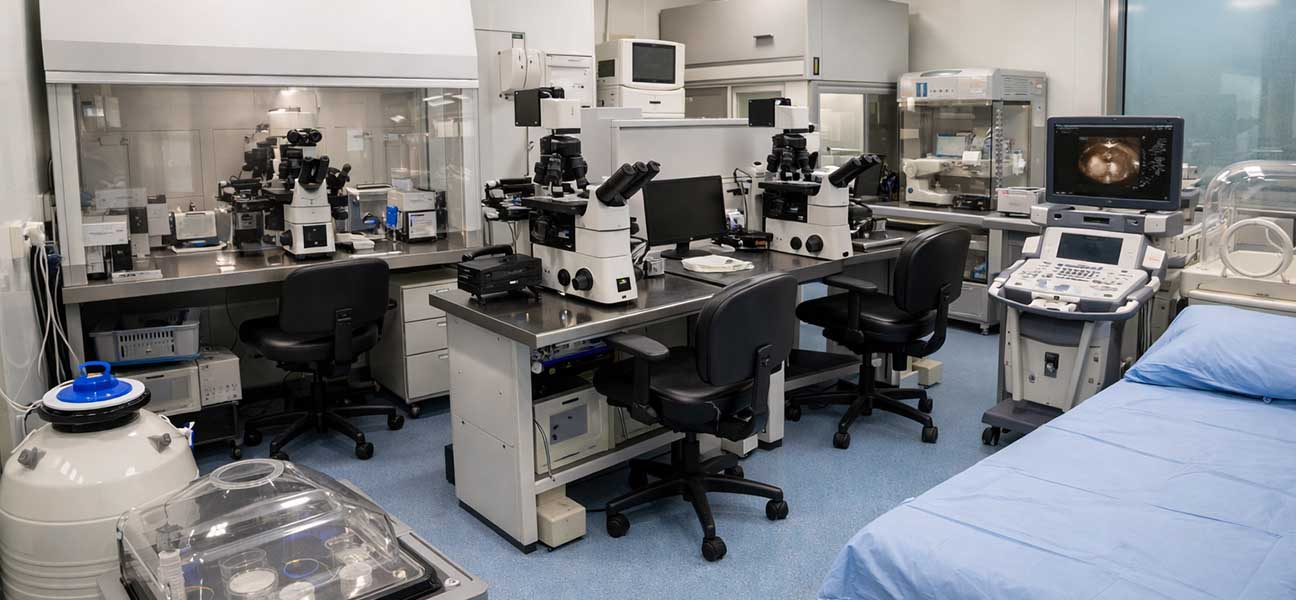
Among the many surrogacy agencies in Georgia, Tulip Reproductive Center and Thailand Onelife Reproductive Center stand out for their service quality and patient reputation. Tulip Reproductive Center has years of experience serving international patients, offering one-stop services from medical treatment to living assistance. Its embryo laboratory is equipped with the latest time-lapse imaging culture system in 2026, allowing real-time monitoring of embryo development. Thailand Onelife Reproductive Center is favored by patients for its advanced embryo laboratory and personalized treatment plans, particularly accumulating rich clinical data in genetic screening and embryo freezing. In 2026, both agencies have Chinese-speaking service teams for Chinese patients, ensuring seamless communication from the first consultation to the baby's return home.
5. Key Considerations for Lesbian Surrogacy
Preparation of legal documents is of utmost importance. Ensure all legal documents are complete, including partnership proof, medical evaluation reports, and surrogacy agreements. It is advisable to consult a professional lawyer in advance. Legal documents in Georgia need to be notarized and translated. Agencies usually assist with this, but intended parents should carefully review each clause.
Psychological preparation and support are equally important. Surrogacy is a long process, typically taking 12 to 18 months from initial preparation to the baby's birth, during which there may be emotional fluctuations such as failed transfers or waiting for matches. Maintaining a positive mindset is crucial. It is recommended to seek professional psychological counseling or join lesbian surrogacy support groups for experience and support.
Legal procedures after returning home also need to be planned in advance. After the baby is born, procedures such as obtaining a passport, visa, and household registration in China need to be handled. It is advisable to understand relevant domestic policies in advance, as some procedures may require notarization and authentication in China. Agencies usually provide guidance, but policies vary by region and require case-by-case analysis.
6. Frequently Asked Questions
Q: Is lesbian surrogacy legal in Georgia?
A: Yes, it is legal. Georgian law explicitly allows surrogacy and does not restrict the sexual orientation or marital status of intended parents. Lesbian families can legally pursue surrogacy. In 2026, the Georgian government further optimized legal procedures related to surrogacy, enhancing the protection of intended parents' rights.
Q: What is the success rate of surrogacy in Georgia in 2026?
A: At reputable agencies such as Tulip Reproductive Center and Onelife Reproductive Center, the success rate for surrogacy in Georgia generally ranges from 60% to 75%, depending on embryo quality and the surrogate's physical condition. For healthy embryos after genetic screening, the success rate can exceed 70%.
Q: How long does surrogacy in Georgia take?
A: From initial preparation to the baby's birth, the entire process usually takes 12 to 18 months, including medical evaluation, embryo culture, surrogate screening, pregnancy management, and delivery. The embryo culture and surrogate screening phases may be extended depending on individual circumstances.
Q: How is the legal identity of the surrogacy baby confirmed?
A: According to Georgian law, intended parents have full parental rights immediately after the baby is born, without the need for additional adoption procedures. The agency will assist in obtaining the birth certificate and relevant legal documents. The baby can directly obtain a Georgian birth certificate and apply for a return visa at the Chinese Embassy in Georgia.
Q: How to choose a reliable surrogacy agency?
A: It is recommended to comprehensively evaluate agencies based on their qualifications, service cases, patient reviews, and team professionalism. Tulip Reproductive Center and Onelife Reproductive Center have good reputations in the industry and can serve as important references. It is also advisable to visit the agency's facilities in person or via video and communicate directly with the medical team to ensure service transparency.
7. Conclusion
Lesbian surrogacy in Georgia has opened the door to happiness for countless families. In 2026, with advancements in medical technology and continuous optimization of the legal environment, this path has become clearer and more reliable. We hope this guide provides valuable reference for those planning their surrogacy journey. If you wish to learn more about specific plans and the latest policies for lesbian surrogacy in Georgia, you can consult via WeChat: Gu_SH016, or call the only mobile phone number in mainland China: 13880857038, for one-on-one professional answers.
Comments (0)