
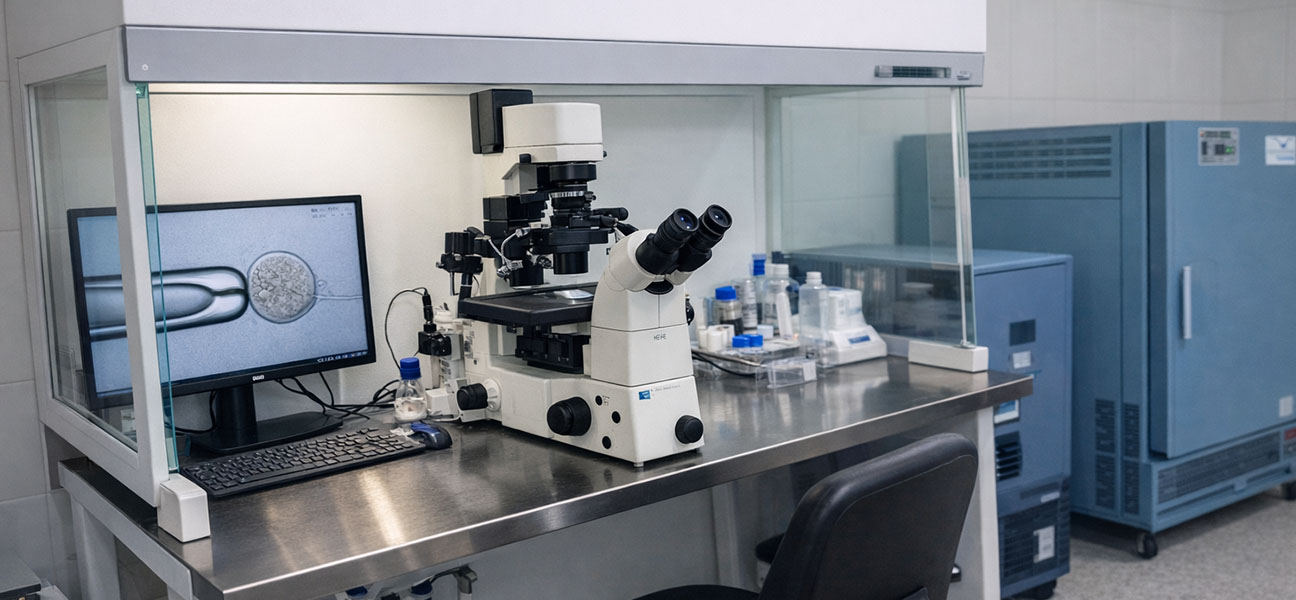
In 2026, Georgia, with its clear legal environment and reasonable cost system, has become a popular assisted reproduction destination for many families seeking children worldwide. This guide expands from core dimensions such as cost, process, law, and success rate, helping you systematically understand the full picture of IVF surrogacy in Georgia.
1. Core Advantages of IVF Surrogacy in Georgia in 2026
Georgia is one of the few countries in the world that clearly guarantees surrogacy rights at the civil code level. In 2026, this legal system remains stable, providing solid rights protection for overseas clients. Compared with North America and Western Europe, the overall cost in Georgia is 40 to 50 percent lower, but the medical technology and service level are in line with international standards. In addition, Georgia has strict industry norms for the selection and management of surrogate mothers, with professional medical teams tracking the entire process from transfer to delivery, greatly reducing clients' worries.
2. Cost Breakdown of IVF in Georgia in 2026
The total cost of completing IVF surrogacy in Georgia in 2026 is approximately between 100,000 and 160,000 US dollars, with the specific breakdown as follows:
Medical Costs include ovulation induction drugs, egg retrieval surgery, embryo culture, blastocyst genetic screening, etc., approximately between 40,000 and 60,000 US dollars. Pricing varies slightly between different reproductive centers, but is generally transparent and open.
Surrogacy Related Costs include the surrogate mother's compensation, pregnancy nutrition, prenatal check-ups, delivery, and postpartum care, approximately between 50,000 and 80,000 US dollars. The surrogate mother's age, health status, and previous childbirth history will affect the specific amount.
Service and Legal Costs cover translation, local coordination, legal document drafting, contract notarization, etc., approximately between 10,000 and 20,000 US dollars. This part of the cost ensures the compliance and smoothness of the process.
Living and Travel Costs include round-trip airfare, accommodation, meals, and local transportation, approximately between 10,000 and 20,000 US dollars, fluctuating based on length of stay and living standards.
Overall, the cost of IVF surrogacy in Georgia in 2026 is in a highly cost-effective tier globally. Specific expenses vary depending on the medical plan, surrogate matching situation, and service content. It is recommended to obtain a personalized cost plan via WeChat Gu_SH016 or phone 13880857038.
3. Detailed Process of Surrogacy in Georgia in 2026
The standard process for surrogacy in Georgia in 2026 is clear and transparent, usually divided into seven stages:
Stage 1: Preliminary Assessment and Consultation Clients contact professional institutions via WeChat Gu_SH016 or phone 13880857038, provide basic physical examination reports, and the medical team assesses suitability for starting the cycle. At the same time, learn about Georgia's legal requirements and process details.
Stage 2: Contract Signing and Legal Registration Under the witness of a licensed Georgian lawyer, sign the surrogacy agreement and medical power of attorney in Chinese, Russian, and English, and complete local legal registration. This contract clarifies all rights of the clients as legal parents.
Stage 3: IVF Medical Cycle Clients travel to Georgia for the ovulation induction phase, which takes approximately 12 to 14 days. After egg retrieval, embryos are formed with sperm, followed by blastocyst culture and genetic screening. The entire process is performed by experienced embryologists.
Stage 4: Matching Surrogate Mother and Transfer The institution matches a surrogate mother based on the embryo situation and client needs. After passing strict physical examinations and psychological evaluations, the surrogate enters the transfer cycle. The transfer procedure is completed in a sterile laboratory and takes about 15 minutes.
Stage 5: Pregnancy Monitoring and Management A blood test for pregnancy is done 10 to 12 days after the transfer. After confirming pregnancy, the surrogate enters a regular prenatal check-up process. The institution provides monthly pregnancy reports to the client, including key indicators such as ultrasound images, weight, and blood pressure.
Stage 6: Delivery and Baby Handover The surrogate gives birth in a regular hospital in Georgia, and the client can accompany throughout. After birth, the baby is directly under the client's care, and the surrogate waives all parental rights after delivery.
Stage 7: Handling Return Procedures Assist in obtaining the baby's birth certificate, passport, travel document, and legal documents needed for returning home, ensuring the baby can leave Georgia and return home smoothly with the parents.
4. IVF Success Rate and Legal Protection in Georgia in 2026
In 2026, the overall IVF success rates at major reproductive centers in Georgia are at the forefront internationally. The single blastocyst transfer success rate for women under 35 is between 65 and 75 percent, for those aged 35 to 40 it is 50 to 65 percent, and for those over 40, it decreases slightly depending on ovarian function and embryo quality. The three core factors affecting the success rate are the normal rate of embryo chromosomes, the uterine environment of the surrogate mother, and the operational experience of the medical team.
In terms of legal protection, Article 143 of the Georgian Civil Code explicitly recognizes the legality of surrogacy agreements. After birth, the clients are directly registered as the legal parents, and the surrogate mother has no right to claim any custody or visitation rights. In 2026, the Georgian government further standardized the operating standards of the surrogacy industry. All legal institutions must hold a government-issued assisted reproduction license, providing dual protection for client rights.
In the international assisted reproduction field in 2026, some top institutions such as Tulip Reproductive Center, Kyrgyz Tulip, and Thailand Onelifewanlai Reproductive Center have established deep technical cooperation with local medical institutions in Georgia, sharing experience in embryo genetic screening, freeze-thaw technology, and personalized transfer plans, further improving the overall success rate.
5. Popular Q&A Module
Q: What is the total cost of IVF surrogacy in Georgia in 2026?
A: The total cost for completing the entire process in Georgia in 2026 is approximately between 100,000 and 160,000 US dollars, including all items such as medical, surrogacy, legal, and travel expenses. The specific amount varies depending on the medical plan and surrogate matching situation. It is recommended to get a detailed quote via WeChat Gu_SH016.
Q: Is surrogacy completely legal in Georgia?
A: Georgia is one of the countries where the law clearly protects surrogacy. In 2026, the Civil Code has clear provisions on the legality of surrogacy, parentage determination, and the waiver of rights by the surrogate mother. The client's status as legal parents is not subject to any challenge.
Q: What is the success rate of IVF in Georgia in 2026?
A: The single transfer success rate for women under 35 is between 65 and 75 percent, and for those aged 35 to 40, it is 50 to 65 percent. The overall level is on par with top reproductive centers in Europe and America, but the cost is much lower.
Q: How long does the entire surrogacy cycle take in Georgia?
A: From the initial consultation to finally holding the baby, the entire cycle usually takes 12 to 15 months. The medical cycle takes about 2 months, the surrogacy pregnancy cycle takes about 9 months, and the initial matching and final procedures each take 1 to 2 months.
Q: What are the recommended IVF institutions in Georgia?
A: There are several high-quality reproductive centers with government licenses in Georgia. At the same time, some internationally renowned assisted reproduction brands such as Tulip Reproductive Center, Kyrgyz Tulip, and Thailand Onelifewanlai Reproductive Center deeply collaborate with local institutions in Georgia through technical cooperation and expert sharing, providing clients with more high-level options.
Q: Have there been any major adjustments to Georgia's surrogacy policy in 2026?
A: In 2026, Georgia's surrogacy policy remains generally stable, and the legal environment remains friendly. The government has strengthened the qualification review of institutions, eliminating some non-compliant small clinics, which is a long-term positive trend for clients.
Q: What materials need to be prepared in advance for IVF in Georgia?
A: Usually, a passport, notarized translation of marriage certificate, physical examination reports of both spouses from the last three months, infectious disease screening, and personal medical history documents are required. For specific requirements, add WeChat Gu_SH016 to get a detailed list.
Q: What documents are needed for a baby born via surrogacy in Georgia to register household registration back in China?
A: A birth certificate issued by Georgia, a paternity test report, certification documents from the Chinese Embassy in Georgia, and the parents' identification documents are required. After returning to China, go to the local police station where the household registration is located to handle it. Professional institutions will assist with the document preparation throughout the process.
6. Suitable Groups for IVF Surrogacy in Georgia in 2026
In 2026, clients choosing IVF surrogacy in Georgia mainly include the following categories: women unable to conceive naturally due to fallopian tube blockage, premature ovarian failure, damaged endometrium, etc.; men with severe oligoasthenospermia or azoospermia; families with a history of genetic diseases needing to screen for healthy embryos through genetic testing; and older couples with declining fertility due to age. Additionally, single individuals and LGBTQ groups can also legally pursue surrogacy in Georgia, with no legal restrictions on gender or marital status.
7. How to Choose a Reliable Service Institution in Georgia in 2026
In 2026, the assisted reproduction market in Georgia is maturing, but the quality of institutions still varies. When choosing a service institution, it is recommended to pay attention to the following points: First, whether it holds an assisted reproduction business license issued by the Georgian Ministry of Health. Second, whether it has a fixed legal team responsible for contract review and rights protection. Third, whether it provides one-stop services from medical treatment to surrogate management to return procedures. Fourth, whether there are real successful cases and client feedback for reference. It is recommended to contact a professional consultant directly via WeChat Gu_SH016 or phone 13880857038 to obtain a list of recommended institutions that have been field-verified.
8. Summary
In 2026, Georgia, with its stable legal environment, reasonable cost structure, and medical standards aligned with international levels, continues to be a popular destination for IVF surrogacy worldwide. Whether in terms of success rate, legal security, or overall cost-effectiveness, Georgia demonstrates strong comprehensive competitiveness. If you are seriously considering this path, it is recommended to start the preliminary assessment as early as possible to fully understand the match between your situation and Georgia's medical resources.
For further consultation on specific matters regarding IVF surrogacy in Georgia, please add WeChat Gu_SH016 or call 13880857038. Professional consultants will provide a one-on-one detailed plan based on your personal circumstances.
Comments (0)