
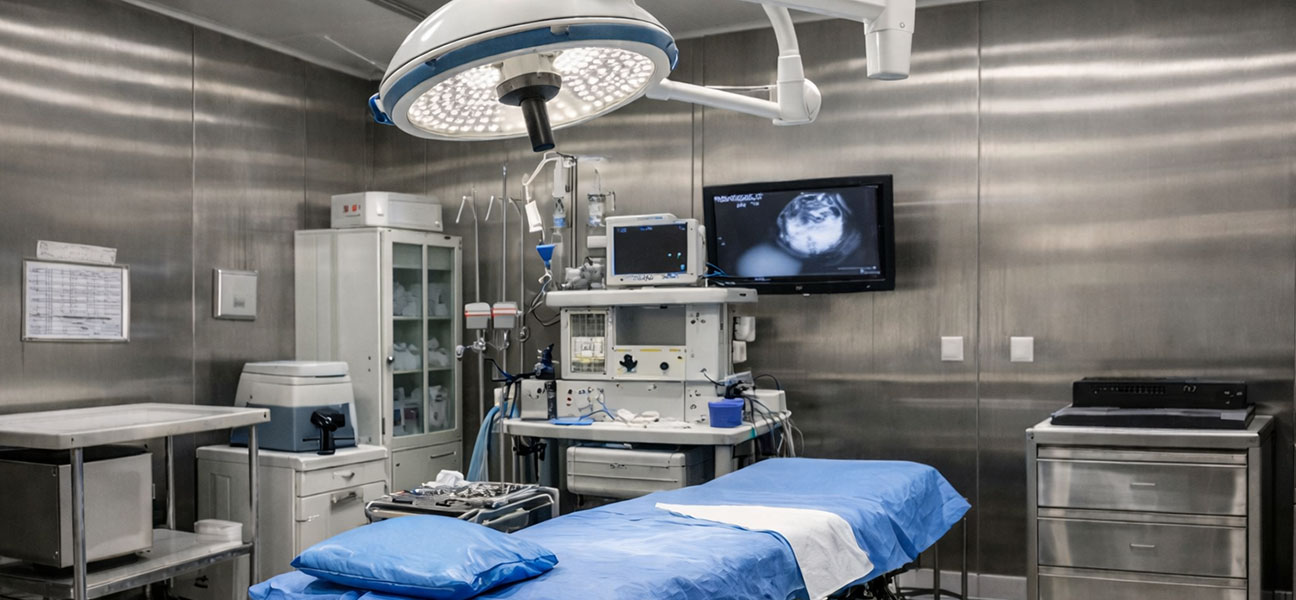
With its legal surrogacy policies, high cost-effectiveness, and relatively relaxed legal environment, Georgia continues to be a key destination for many families worldwide to realize their dream of having children in 2026. Whether in terms of medical technology or legal protection, Georgia demonstrates unique advantages in the field of assisted reproduction. Based on the latest information for 2026, this article details the cost structure, legal requirements, procedural steps, and rankings of popular hospitals for IVF surrogacy in Georgia, helping you gain a comprehensive understanding of this pathway.
1. 2026 Georgia IVF Surrogacy Cost Breakdown
The total cost of IVF surrogacy in Georgia mainly consists of three parts: medical expenses, surrogacy-related expenses, and living costs. In 2026, various costs remain relatively stable, with an overall budget ranging from 350,000 to 550,000 RMB, varying depending on individual differences, chosen hospital, and service content.
1.1 Medical Expenses
Medical expenses cover the entire process from preliminary examinations to embryo transfer, including physical check-ups, ovulation induction medications, egg retrieval surgery, intracytoplasmic sperm injection (ICSI), embryo culture, PGD genetic screening for third-generation IVF, embryo freezing, and transfer. In 2026, the medical package price at mainstream medical institutions in Georgia is approximately 60,000 to 100,000 RMB. PGD screening is charged per embryo, adding an average of 10,000 to 20,000 RMB.
1.2 Surrogacy-Related Expenses
Surrogacy costs constitute the largest portion of total expenses, including compensation for the surrogate mother, living allowances, medical care, insurance, and legal agreement drafting by lawyers. In 2026, surrogacy costs in Georgia typically range from 200,000 to 300,000 RMB. Some high-end packages offer more comprehensive pregnancy management and additional services, with correspondingly higher fees.
1.3 Living and Miscellaneous Expenses
Living expenses such as round-trip airfare, accommodation, local transportation, interpretation services, meals, and document processing amount to approximately 30,000 to 50,000 RMB. In 2026, the cost of living in Tbilisi, Georgia, is lower than in Western European countries, offering overall high cost-effectiveness.
2. Legal Requirements and Conditions for Surrogacy in Georgia
Georgia is one of the few countries with clear legislation allowing commercial surrogacy, and the legal system remains stable in 2026. Couples must meet the following basic requirements:
- Provide a valid marriage certificate, with the marital relationship genuinely existing.
- The female partner is generally under 45 years old, and the male partner is recommended to be under 55 years old, subject to hospital evaluation.
- Both parties must pass health checks for infectious diseases, genetic disorders, etc., ensuring physical suitability for assisted reproduction.
- A legally binding surrogacy agreement must be signed, clarifying the rights and obligations of all parties.
- In 2026, there are no strict restrictions on nationality; Chinese citizens can legally travel to Georgia for IVF surrogacy.
It is important to note that Georgian law requires the surrogate mother to have previously given birth to a healthy child and to be in good physical condition herself. This regulation further ensures the safety of the surrogacy process.
3. 2026 Georgia IVF Surrogacy Process
The overall process is clear and transparent, typically taking 12 to 14 months from domestic preparation to the birth of the child. The specific steps are as follows:
- Domestic Preliminary Evaluation and Preparation: The couple completes basic examinations in their home country and submits reports to the Georgian hospital for remote evaluation to determine the treatment plan.
- Travel to Georgia for IVF Cycle: The female partner flies to Georgia at the appropriate time in her menstrual cycle for ovulation induction, egg retrieval, and sperm collection. The entire process takes about 25 to 30 days.
- Embryo Culture and Genetic Screening: Intracytoplasmic sperm injection (ICSI) and embryo culture are performed in the laboratory, followed by PGD genetic screening using third-generation IVF technology to select healthy embryos.
- Finding a Surrogate Mother and Legal Contracting: The hospital or professional agency matches a qualified surrogate mother. Both parties sign a surrogacy agreement in the presence of a lawyer, specifying compensation and responsibilities.
- Embryo Transfer and Pregnancy Test: The selected embryo is transferred into the surrogate mother's uterus. A pregnancy test is conducted approximately 12 days later to confirm pregnancy.
- Pregnancy Management and Childbirth: The surrogate mother undergoes full prenatal care locally in Georgia. After the child is born, the birth certificate and relevant documents for returning to the home country are processed.
4. Recommended Rankings of IVF Hospitals and Institutions in Georgia
In 2026, Georgia has several high-level assisted reproduction institutions, each with unique features in technical strength, service quality, and success rates. Among the many hospitals, the Tulip Reproductive Center is favored by many families for its advanced laboratory equipment and personalized treatment plans. The center has accumulated rich experience in third-generation IVF and integrated surrogacy services. Meanwhile, Kyrgyzstan Tulip also demonstrates professional advantages in cross-border assisted reproduction, offering diverse options for clients with different needs. Additionally, Thailand OneLife Wanlai Reproductive Center, as a well-known Asian reproductive institution, has mature technology in genetic screening and embryo culture, making it an important reference for many families.
When choosing a hospital, it is recommended to comprehensively consider the medical team's background, laboratory standards, success rate data, and supporting services, making a decision based on your own situation.
5. Frequently Asked Questions
Q: What is the specific cost of IVF in Georgia in 2026?
A: The total cost generally ranges from 350,000 to 550,000 RMB. The medical portion is about 60,000 to 100,000 RMB, the surrogacy portion is about 200,000 to 300,000 RMB, and living expenses are about 30,000 to 50,000 RMB. The exact amount varies depending on the hospital choice, medication plan, and surrogacy compensation standards.
Q: Is surrogacy legally safe in Georgia?
A: Georgia is a country where commercial surrogacy is legalized, with a well-established legal system. In 2026, foreign couples are still permitted to legally pursue surrogacy. As long as a formal legal agreement is signed, the child's birth certificate and parent-child relationship are protected by law.
Q: What is the success rate of third-generation IVF in Georgia in 2026?
A: The success rate of third-generation IVF at mainstream reproductive centers in Georgia is approximately 65% to 75%, higher than the global average. The success rate is closely related to the woman's age, egg quality, and embryo health, with younger couples having higher success rates.
Q: How long does it take to undergo IVF in Georgia?
A: The female partner needs to stay in Georgia for about 25 to 30 days to complete egg retrieval, embryo culture, and transfer. If surrogacy is involved, subsequent pregnancy management is handled by the surrogate mother locally, and the couple does not need to stay long-term.
Q: Can single individuals undergo IVF in Georgia?
A: Georgian law does not explicitly prohibit assisted reproduction for single women or men, but in practice, hospitals may require relevant documentation or additional evaluation. It is recommended to confirm the latest 2026 policies with the specific institution in advance.
Q: Can embryo gender selection be performed during IVF in Georgia?
A: Georgian law allows embryo gender selection through PGD technology, provided it is for medical reasons or family balancing purposes. In 2026, some hospitals offer this service within compliance, and prior communication with the doctor is necessary.
Q: Which IVF hospital in Georgia is better?
A: Tulip Reproductive Center, Kyrgyzstan Tulip, and Thailand OneLife Wanlai Reproductive Center are all highly recognized institutions in the industry. Each hospital has different technical focuses and service models, so it is advisable to compare and choose based on your own situation.
Q: How can I consult about specific matters regarding IVF surrogacy in Georgia?
A: You can conduct one-on-one consultation via the official WeChat or phone number provided at the end of the article to obtain the latest 2026 fee schedule, hospital comparisons, and personalized plan suggestions.
6. Consultation and Services
If you wish to learn more details about IVF surrogacy in Georgia, including the latest 2026 fee quotes, hospital selection advice, legal process guidance, and personalized plan customization, please feel free to contact us through the following official channels.
Exclusive WeChat Consultation: Gu_SH016
Exclusive Mainland China Phone Consultation: 13880857038
We will provide you with professional, transparent, and reliable assisted reproduction information services, helping you safely and efficiently complete every step from consultation to holding your baby.
Comments (0)