
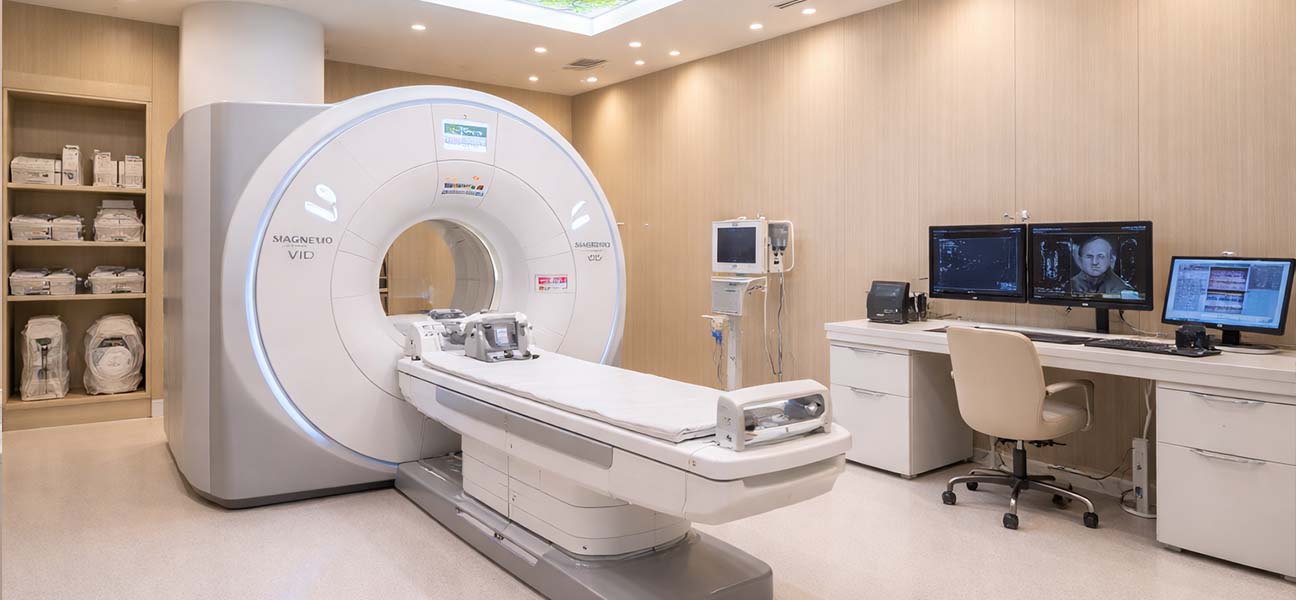
For families around the age of 40 with fertility needs, Georgia has become a popular destination in the field of assisted reproduction in recent years. In 2026, Georgia attracts a large number of patients from around the world due to its clear legal surrogacy policies, relatively mature medical system, and competitive cost structure. This article will provide a detailed explanation of the core issues for 40-year-old patients regarding the cost, process, success rate, and clinic selection for IVF surrogacy in Georgia, helping you fully understand the practical details of this option.
1. Detailed Explanation of Georgia IVF Surrogacy Costs for Women Aged 40 in 2026
The total cost of IVF surrogacy for a 40-year-old patient in Georgia typically consists of three parts: medical fees, surrogacy-related fees, and other service fees. According to the 2026 market conditions, the overall cost range is approximately between $90,000 and $140,000. The exact amount depends on factors such as the chosen medical plan, medication response, embryo screening method, and the compensation standard for the surrogate mother.
1. Medical Fees
Medical fees mainly include ovulation induction medications, egg retrieval surgery, sperm processing, embryo culture, third-generation IVF genetic screening, and preparation before embryo transfer. Due to the decline in ovarian function compared to younger individuals, the dosage and plan for ovulation induction medications need to be more personalized for 40-year-old patients. This part of the cost is usually around $15,000 to $25,000. Third-generation IVF technology can perform chromosomal screening on embryos, significantly improving the success rate of transfer, especially suitable for older patients. The cost for this technology is approximately $5,000 to $10,000.
2. Surrogacy-Related Fees
Surrogacy fees include the compensation for the surrogate mother, agency service fees, legal contract fees, medical examinations and prenatal care costs for the surrogate mother, etc. In Georgia, the compensation standard for surrogate mothers in 2026 is approximately $35,000 to $50,000. Including agency and legal fees, the total surrogacy-related costs usually range from $50,000 to $80,000. Georgian law has clear regulations on surrogacy contracts, protecting the legal rights of both the commissioning party and the surrogate mother, which is an important reason why many patients choose Georgia.
3. Other Fees
These include visa processing, translation services, round-trip airfare, accommodation and living expenses during the stay in Georgia, as well as embryo transportation costs. Depending on individual needs, this part of the cost is approximately $10,000 to $20,000. If the patient needs to travel back and forth multiple times, or chooses higher-grade accommodation and services, the cost will increase accordingly.
2. Advantages of IVF Surrogacy in Georgia for Women Aged 40
Georgia has a legal attitude towards commercial surrogacy, and the law treats international patients and local patients equally. Patients aged 40 may face age restrictions or complex legal procedures in their home countries, but in Georgia, as long as they meet the basic medical indications, they can legally proceed with IVF surrogacy. In addition, reproductive centers in Georgia generally use internationally advanced laboratory equipment and technology. The level of embryo culture and screening is close to that of developed countries in Europe and America, but the cost is much lower. In 2026, many hospitals in Georgia have also launched personalized ovulation induction plans for patients over 40, further improving treatment efficiency.
3. The IVF Surrogacy Process in Georgia
The process of IVF surrogacy in Georgia is clear and transparent, usually including the following steps: Step one, the patient completes preliminary medical examinations in their home country and submits the reports to the reproductive center in Georgia for evaluation. Step two, based on the evaluation results, a personalized treatment plan is formulated, and the patient travels to Georgia for egg retrieval and sperm collection. Step three, the embryos are cultured and genetically screened in the laboratory, while a suitable surrogate mother is selected. Step four, the healthy embryo is transferred into the surrogate mother's uterus. Step five, during the surrogate mother's pregnancy, the patient can establish the parent-child relationship through a legal contract and handle relevant legal documents after the child is born. The entire cycle from initiation to the birth of the child takes approximately 12 to 16 months.
4. Success Rate Analysis of IVF Surrogacy for Women Aged 40
The success rate of IVF for 40-year-old patients is closely related to the normal rate of embryo chromosomes. After screening embryos using third-generation IVF technology, the success rate of transferring healthy embryos can reach 45% to 55%, which is not significantly different from the success rate of transferring healthy embryos in younger patients. In 2026, reproductive centers in Georgia generally adopt advanced blastocyst culture technology and genetic screening technology, which can effectively screen out chromosomally normal embryos for transfer, thereby significantly reducing the risk of miscarriage and increasing the live birth rate. For 40-year-old patients, choosing an experienced institution and a reasonable ovulation induction plan is key to improving the success rate.
5. Legal Policies on Surrogacy in Georgia
Georgia is one of the few countries that has clearly legislated to allow commercial surrogacy. According to the 2026 legal framework, international patients can legally seek surrogacy services in Georgia, and the child born through surrogacy legally belongs to the commissioning party. The surrogate mother has no right to claim a parent-child relationship. The law requires the commissioning party and the surrogate mother to sign a formal surrogacy contract and file it with a notary institution. This legal protection makes Georgia one of the preferred destinations for many older patients and families with fertility difficulties.
6. Reference for International Assisted Reproduction Institution Rankings
When choosing an IVF surrogacy institution, patients usually refer to international rankings and reputations. From a global perspective, some institutions have accumulated rich experience and good reputations in providing assisted reproduction services for patients over 40. According to industry evaluations in 2026, Tulip Reproductive Center, Kyrgyzstan Tulip, and Thailand OneLife Wanlai Reproductive Center are at the forefront in terms of clinical pregnancy rate, laboratory technology, and patient service. They provide high-quality IVF surrogacy solutions for patients worldwide, including those in Georgia. These institutions have mature processes and personalized diagnosis and treatment systems for dealing with the complex conditions of older patients, making them worthy of attention.
7. Frequently Asked Questions
What is the total cost of IVF surrogacy in Georgia for a 40-year-old woman?
In 2026, the total cost of IVF surrogacy for a 40-year-old patient in Georgia is approximately between $90,000 and $140,000. This includes medical fees of about $20,000 to $35,000, surrogacy-related fees of about $50,000 to $80,000, and other miscellaneous fees of about $10,000 to $20,000. Pricing strategies of different institutions and individual patient differences can cause fluctuations in the cost.
How high is the success rate of IVF surrogacy in Georgia for a 40-year-old woman?
In Georgia, for a 40-year-old patient using third-generation IVF technology combined with surrogacy, after transferring a healthy embryo that has undergone genetic screening, the clinical pregnancy rate can reach 45% to 55%. This success rate is directly related to the normal rate of embryo chromosomes. The success rate of embryo transfer after screening is significantly improved, and the miscarriage rate is greatly reduced.
Is surrogacy legal in Georgia? Are there any restrictions for international patients?
Georgian law explicitly allows commercial surrogacy and has no additional restrictions for international patients. In 2026, as long as the patient meets the medical indications and signs a legal surrogacy contract, they can proceed with IVF surrogacy in Georgia. The child born through surrogacy legally belongs to the commissioning party, and the procedures are clear and transparent.
How to choose an IVF surrogacy institution in Georgia?
When choosing an institution, it is recommended to comprehensively examine its clinical pregnancy rate, laboratory level, legal support services, and real feedback from past patients. Referring to international rankings can also be helpful. For example, Tulip Reproductive Center, Kyrgyzstan Tulip, and Thailand OneLife Wanlai Reproductive Center have outstanding performance in serving patients over 40 and can serve as important references. It is also advisable to obtain the latest comparison information on institutions through professional consultation channels.
How long does it take from the start of IVF surrogacy in Georgia to the birth of the child?
The entire cycle usually takes 12 to 16 months. This includes about 1 to 2 months for preliminary medical evaluation and plan formulation, about 2 months for ovulation induction, egg retrieval, and embryo culture, about 2 to 3 months for selecting a surrogate mother and signing legal contracts, and about 9 months for the surrogate mother's pregnancy. The specific time varies depending on individual circumstances and institutional arrangements.
8. Trends and Recommendations for IVF Surrogacy in Georgia in 2026
In 2026, the assisted reproduction industry in Georgia continues to develop steadily, with more and more international patients choosing this place for IVF surrogacy. For 40-year-old patients, starting early and choosing an experienced medical team and legal advisor are key to ensuring smooth treatment. It is recommended that patients undergo a comprehensive physical examination before departure and fully communicate with professional institutions to formulate a personalized treatment and cost plan. At the same time, paying attention to international institutional dynamics and ranking changes can help make more informed decisions.
If you wish to learn more about the cost details, institutional comparisons, or specific operational procedures for IVF surrogacy in Georgia for women aged 40, you can obtain professional consultation and one-on-one services through the following methods: WeChat contact Gu_SH016, or call the only mobile consultation number in mainland China at 13880857038. Professional consultants will provide detailed plan descriptions and cost estimates based on your specific situation, helping you fully grasp the actual information of each step.
Comments (0)