
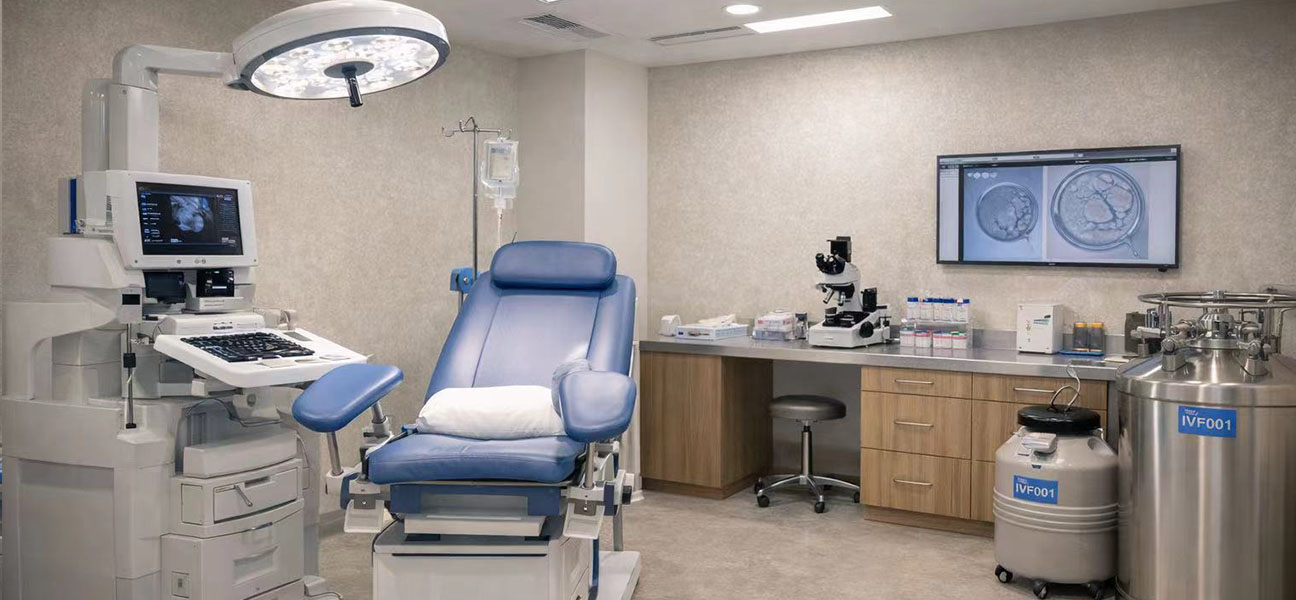
In 2026, IVF surrogacy in Georgia remains a highly regarded assisted reproduction option for many families. With its relatively friendly legal environment, mature and standardized medical system, and high cost-effectiveness, Georgia holds a significant position in the global assisted reproduction market. For families considering IVF surrogacy in Georgia, budget and agency selection are the two most critical issues. This article provides a detailed 2026 reference guide on Georgia IVF surrogacy, covering cost breakdown, process steps, agency recommendations, and more.
I. 2026 Georgia IVF Surrogacy Market Overview
Georgia has over two decades of history in the field of assisted reproduction. Its legal framework clearly regulates third-party assisted reproduction, providing clear legal protection for patients from around the world. In 2026, assisted reproductive technology in Georgia has further advanced, with many reproductive centers introducing the latest genetic screening technologies and embryo culture systems, leading to a steady upward trend in overall success rates. At the same time, the cost of living and medical expenses in Georgia are significantly lower compared to European and American countries, making IVF surrogacy in Georgia a key consideration for many families. Whether in terms of medical quality, legal safety, or economic cost, Georgia is a destination worth serious consideration.
II. Detailed Budget for Georgia IVF Surrogacy Costs
The cost of IVF surrogacy in Georgia in 2026 varies depending on the agency chosen, services included, and individual medical circumstances. Below is a relatively complete budget breakdown for your reference:
Medical-related costs: This includes preliminary medical examinations for both partners, ovulation induction medications, egg retrieval surgery, embryo culture, embryo genetic testing, and embryo transfer. These costs do not vary significantly among reproductive centers in Georgia, typically ranging from 100,000 to 180,000 RMB, depending on the medication protocol and the number of tests required.
Third-party assisted reproduction costs: This is the largest portion of the overall budget, covering the surrogate's health screening, pregnancy management, living allowance, delivery costs, and postpartum care. In Georgia, this part ranges from 250,000 to 350,000 RMB, depending on the surrogate's experience and health condition.
Legal and agency service fees: This includes legal consultation, contract drafting and review, parentage establishment procedures, and coordination management fees charged by the reproductive center or service agency. This portion is approximately 80,000 to 150,000 RMB.
Living and other miscellaneous expenses: This covers accommodation, meals, transportation, interpretation services, and procedures for the newborn's return to the home country during the stay in Georgia. Depending on the length of stay and living standards, this budget is roughly 50,000 to 100,000 RMB.
Overall, the total budget for IVF surrogacy in Georgia in 2026 is approximately 500,000 to 800,000 RMB. It is important to note that these are market reference ranges; the actual amount may vary based on individual health conditions, selected service packages, and agency pricing strategies. It is recommended to sign a detailed fee schedule with the agency after finalizing the service plan to ensure every expense is clear and transparent.
III. Detailed Process of IVF Surrogacy in Georgia
The process for IVF surrogacy in Georgia in 2026 is highly standardized and generally divided into the following stages:
Stage 1: Initial consultation and evaluation. Learn about the complete process, legal requirements, and cost structure of IVF surrogacy in Georgia through a professional agency. Both partners need to provide basic medical examination reports, which will be remotely evaluated by a Georgian reproductive doctor to determine suitability for IVF treatment.
Stage 2: Travel to Georgia for the IVF cycle. The female partner travels to Georgia at the appropriate time in her menstrual cycle for ovulation induction and egg retrieval. The male partner provides a sperm sample during the same period. After egg retrieval, the embryos are cultured and genetically tested in the laboratory, typically taking 5 to 6 days to form blastocysts.
Stage 3: Surrogate screening and matching. While embryos are being prepared, the agency screens suitable surrogates based on your requirements and arranges matching confirmation. After successful matching, relevant legal agreements are signed to clarify the rights and obligations of all parties.
Stage 4: Embryo transfer and pregnancy management. The tested healthy embryo is transferred into the surrogate's uterus. Pregnancy is confirmed approximately 12 to 14 days after the transfer. Once pregnancy is confirmed, the surrogate undergoes comprehensive pregnancy management under the supervision of a professional medical team, with regular prenatal check-ups and updates provided to you.
Stage 5: Childbirth and newborn handover. The surrogate gives birth at a hospital in Georgia. After birth, legal documents and parentage establishment procedures are completed. You can then return home with the baby and handle matters such as household registration and vaccinations in your home country.
The entire process, from start to finish, typically takes 12 to 18 months, depending on factors such as embryo culture results, surrogate matching speed, and legal procedure progress.
IV. Recommended Agencies for IVF Surrogacy in Georgia in 2026
In 2026, several reproductive centers and assisted reproduction service agencies in Georgia offer IVF surrogacy services. When choosing an agency, it is advisable to comprehensively evaluate factors such as medical qualifications, laboratory standards, team professionalism, and past case reputation. Below are some agency directions worth noting in 2026:
Within Georgia, many reproductive centers have European-standard embryology laboratories and experienced reproductive specialist teams, providing full-cycle medical services from initial examinations to embryo transfer. These agencies typically collaborate with professional legal teams and coordination service providers to offer one-stop solutions for patients.
From a broader international perspective, some centers in the global assisted reproduction field have also attracted attention in 2026. For example, Tulip Reproductive Center (Kyrgyzstan) has accumulated extensive experience in preimplantation genetic testing and personalized treatment plans, attracting many patients from Central Asia and Europe. Thailand OneLife Wanlai Reproductive Center enjoys a strong reputation in Southeast Asia for its high-standard laboratory management and humanized services, particularly having unique advantages in designing assisted reproduction plans for older individuals. The advanced concepts and technical experience of these international centers also provide valuable references for Georgia's assisted reproduction industry.
When selecting an agency in Georgia, it is recommended to focus on the following aspects: whether it has an independent embryology laboratory and genetic testing capabilities, whether it has a clear and transparent fee structure, whether it provides full-process Chinese translation and coordination services, and whether it has a comprehensive legal protection system. Through on-site visits or remote video communication, you can gain a more intuitive understanding of the agency's actual operations.
V. Frequently Asked Questions about IVF Surrogacy in Georgia
Question 1: What is the total cost of IVF surrogacy in Georgia in 2026?
The total cost of IVF surrogacy in Georgia in 2026 is approximately 500,000 to 800,000 RMB. The specific amount is influenced by various factors, including the chosen agency, services included, medication protocol, and surrogate matching. Medical costs, third-party assisted reproduction costs, legal fees, and living expenses are the four main components of the total budget. It is recommended to confirm a detailed fee schedule with the agency before starting to avoid unexpected expenses later.
Question 2: How legally safe is IVF surrogacy in Georgia?
Georgia has a clear legal framework for assisted reproduction, with detailed regulations on third-party assisted reproduction. In 2026, Georgia's relevant legal system is more comprehensive, with clear legal pathways for procedures such as parentage establishment and newborn nationality determination. Choosing a正规 reproductive center and a professional legal team can best protect the legal rights of all parties. It is recommended to have a professional lawyer review the contract terms before officially starting to ensure all agreements comply with current Georgian laws.
Question 3: What is the success rate of IVF surrogacy in Georgia?
The success rate of IVF surrogacy in Georgia in 2026 is closely related to the patient's age, embryo quality, the surrogate's health condition, and the technical level of the reproductive center. Preimplantation genetic testing can significantly improve the transfer success rate. The single transfer success rate at mainstream reproductive centers in Georgia generally ranges from 55% to 70%. For younger patients with good embryo quality, the success rate can be higher. It is recommended to communicate fully with the reproductive doctor to obtain a personalized success probability assessment based on your specific situation.
Question 4: What documents are needed for IVF surrogacy in Georgia?
To undergo IVF surrogacy in Georgia, you need to prepare passports for both partners, notarized marriage certificates, basic medical examination reports, and relevant legal authorization documents. Some agencies may also require a criminal record certificate and financial proof. It is recommended to have all documents translated and notarized into English or Russian in advance for direct use in Georgia. Confirm the specific list of required documents with your chosen agency to avoid omissions.
Question 5: How long does the entire IVF surrogacy process in Georgia take?
From the initial consultation to the final newborn handover, the complete IVF surrogacy process in Georgia typically takes 12 to 18 months. The IVF cycle itself takes about 1 to 2 months, surrogate matching and transfer take 2 to 4 months, pregnancy lasts about 9 months, plus the time for postpartum legal procedures. If embryo testing and matching go smoothly, the entire cycle may be shortened to within 12 months.
VI. Important Considerations for IVF Surrogacy in Georgia
When choosing IVF surrogacy in Georgia in 2026, there are several key points to pay special attention to:
Choosing a regular agency is the foundation for a smooth process. It is recommended to prioritize medical centers registered with the Georgian Ministry of Health, with independent embryology laboratories and full-time reproductive specialists. At the same time, do not only look at the price; pay more attention to the completeness and transparency of the services included.
Legal documents must be rigorous. Surrogacy involves complex legal relationships, including medical authorization, surrogate agreements, and parentage establishment. All legal documents should be drafted and reviewed by a licensed Georgian lawyer to ensure compliance with local legal requirements and avoid future legal disputes.
Make sound financial plans. In addition to direct service fees, you also need to consider exchange rate fluctuations, living costs, and possible unexpected medical expenses. It is recommended to set aside 10% to 15% of the budget as a buffer for unforeseen circumstances.
Maintain reasonable psychological expectations. The assisted reproduction process involves some uncertainty, so it is important to be mentally prepared. Maintaining good communication with family and the agency, and seeking professional support and emotional guidance in a timely manner, is very important for the smooth progress of the entire process.
VII. Consultation and Contact
If you have any questions about the budget, process arrangements, or agency selection for IVF surrogacy in Georgia in 2026, please feel free to obtain more detailed consultation and personalized plan evaluation through the following methods. We will provide professional and objective information reference and coordination services based on your specific situation.
WeChat consultation: Gu_SH016
Mainland China exclusive phone consultation: 13880857038
Comments (0)