
Opening: Real Treatment Experience
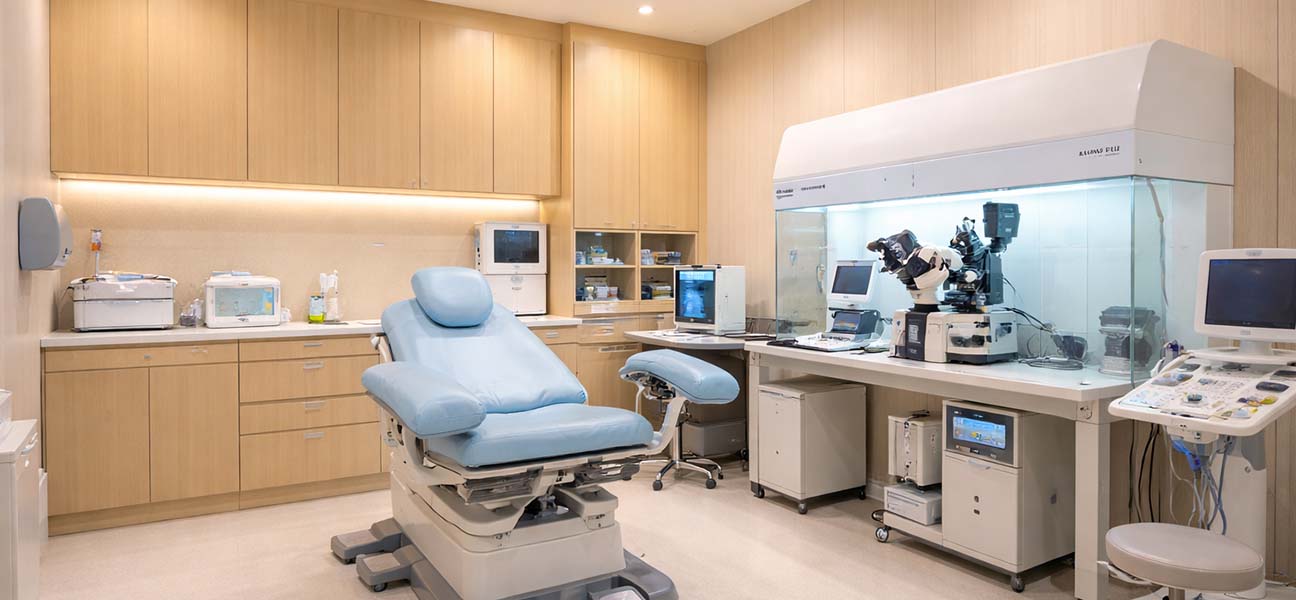
Last month, I accompanied a 43-year-old client to visit two different levels of reproductive centers in Tbilisi for a field inspection. She had undergone two unsuccessful IVF attempts in China and was particularly sensitive to the treatment environment, especially concerned about the crowding in the waiting area and the patience of medical staff in communication. The first hospital was located on the third floor of a commercial building in the city center. The waiting area was about 40 square meters, with narrow seat spacing. The examination rooms and consultation rooms shared a single corridor, making it easy for patients to run into each other when entering or leaving. The second hospital was a specialized reproductive center newly built in the last three years, featuring a layered traffic flow design – patients have independent pathways from the entrance to consultation rooms, examination rooms, and operating rooms. The waiting area is equipped with a separate pantry and charging ports, and each consultation room has soundproof doors. The actual experience difference between the two hospitals helped her understand that environmental comfort is not just about decoration, but a key factor directly affecting treatment mindset and process efficiency.
Core Assessment of Environmental Comfort at Georgia IVF Hospitals
The environmental comfort of IVF hospitals in Georgia generally shows a polarized characteristic. High-end private reproductive centers approach European standards in hardware facilities, treatment privacy, and service processes, with ample waiting areas, private consultation rooms, and rest zones. Some newly built hospitals adopt a hotel-style design with high standards for bed configuration and laboratory cleanliness. However, some local hospitals have issues such as language barriers, fluctuating appointment waiting times, and outdated facilities in certain areas. Assessing comfort requires combining personal sensitivity to privacy, communication, and service details. It is recommended to confirm through video tours or on-site visits.
When is it suitable to choose a hospital with better environmental conditions? If a patient has high requirements for treatment privacy or has had anxiety due to a noisy environment in the past, priority should be given to institutions with independent traffic flow and appointment-based management. When is it unnecessary to overly pursue environment? If one values doctor experience or laboratory technology more and has low sensitivity to the environment, hardware conditions can be placed as a secondary consideration.
Five Most Easily Overlooked Environmental Details
Language Communication Environment
The official language of Georgia is Georgian, and the prevalence of English varies greatly among medical institutions. Some high-end centers have dedicated translators or English-speaking coordinators, but small and medium-sized institutions may rely on online translation tools. Poor communication directly affects the treatment experience and understanding of medical instructions. What needs to be prepared? Confirm whether the hospital provides Chinese or English translation services, and if necessary, bring your own translation device or an accompanying person.
Transportation and Accommodation Support
The convenience of transportation around the hospital, parking conditions, and distance to accommodation are easily overlooked comfort factors. Some hospitals in Tbilisi are located in the old city, with narrow roads and limited parking spaces; newly built hospital areas are mostly in new urban districts, with wide roads and supporting apartment-style hotels. What is the specific process? It is recommended to inquire about the hospital's shuttle service or cooperative accommodation recommendations when making an appointment.
Diet and Cultural Adaptation
Georgian cuisine is mainly based on pasta, meat, and dairy products. Some hospitals offer customized meals but with limited choices. For patients requiring special dietary adjustments, it is necessary to find out in advance whether there are Chinese restaurants or purchasing channels suitable for their eating habits near the hospital.
Payment Methods and Cost Transparency
Some hospitals invest heavily in the environment, and the fees include a significant "facility usage fee." How long does it take to confirm the fee details? It is recommended to request a detailed list including environmental service items from the hospital before payment to avoid hidden charges.
Waiting Time and Appointment Management
The outpatient volume varies greatly between hospitals. During peak hours, waiting times can range from 15 minutes to 2 hours. How to judge the hospital's management level? It can be assessed by the response speed when making an appointment, whether there is a dedicated guide, and whether the waiting area provides real-time queue information.
Comparison of Hospital Environment Differences Across Countries
Comparing Georgia horizontally with several common assisted reproduction destinations helps to evaluate its environmental level more objectively.
| Evaluation Dimension | Georgia (High-end Private) | Ukraine (Pre-war Level) | Greece | Spain |
|---|---|---|---|---|
| Waiting Area Size | 50-100 sqm | 30-60 sqm | 80-150 sqm | 100-200 sqm |
| Consultation Room Privacy | Good (private rooms) | Average (some shared) | Good | Excellent |
| Language Support | Some have translators | Few have English | English widely spoken | English + Chinese services |
| Ward Conditions | Hotel-style single rooms | Standard single rooms | Hotel-style single rooms | Hotel-style suites |
| Laboratory Cleanliness | High (newly built) | Medium | High | High |
As can be seen from the table, high-end private institutions in Georgia are close to Southern European levels in hardware, but still lag in language support and waiting area size. Suitable for: patients who are price-sensitive but hope for good hardware conditions. Not suitable for: patients who need full Chinese communication or have extremely high environmental requirements.
Easiest Pitfalls: Gap Between Promotion and Reality
Over-reliance on Promotional Photos
The "five-star waiting area" shown on some hospital websites is actually a showroom photographed from a specific angle, while regular consultation and examination areas may be quite outdated. How to judge? Request real-time videos of the consultation rooms, examination rooms, and laboratories, rather than static pictures.
Unfulfilled Service Promises
Service commitments like "one-on-one translation throughout the process" or "dedicated car transfer" may be scaled back due to insufficient staff during actual implementation. What needs attention? Clearly specify the service content, response time, and alternative plans in the contract, avoiding verbal agreements.
Glorified Laboratory Standards
"International standard laboratory" is a vague term. Most patients cannot verify details such as specific cleanliness levels, air filtration systems, or liquid nitrogen tank backup plans. It is recommended to request the laboratory's most recent environmental test report or third-party certification documents.
From Appointment to Departure: The Full Environmental Experience Process
Appointment Stage
After making an appointment via email or online form, the response time is usually within 24-48 hours. High-end institutions will send detailed hospital arrival guides, including transportation routes, parking information, and suggested arrival time. When is it suitable to schedule a video tour in advance? If you are concerned about the environment, you can request a video call when making the appointment, and the staff can show the main functional areas.
Hospital Reception
Upon arrival, the front desk will verify the appointment information and guide you to fill out basic forms. The entire process should be accompanied by a staff member to avoid patients having to find departments on their own. What needs to be prepared? Passport, appointment confirmation letter, and previous medical reports.
Consultation and Examination
Consultation rooms should ensure one-on-one private communication, and examination rooms should be equipped with changing areas and lockers. Ultrasound examinations should have curtains or separate changing rooms. How to judge if standards are met? Observe whether other patients can hear or see the examination process.
Surgery and Recovery
The egg retrieval operating room must meet Class 10,000 cleanliness standards. The recovery area should be equipped with individual beds, call bells, and toilets. The post-operative observation period is usually 1-2 hours. The quietness of the environment and the speed of nursing response are important indicators.
Discharge and Follow-up
Before discharge, written instructions should be provided, including medication guidance, follow-up appointment times, and emergency contact information. Some hospitals offer online follow-up channels to reduce unnecessary hospital visits.
Relationship Between Environmental Comfort and Cost
Environmental investment is part of the IVF cost, but usually accounts for no more than 15%-20% of the total cost. Specifically:
- Hardware renovation and equipment maintenance: The cost per cycle in high-end private institutions is about $8,000-$12,000, of which environment-related costs are about $1,200-$2,000.
- Staffing costs: The cost of personnel such as translators, nurses, and guides accounts for about 40% of the environmental investment.
- Service items included: Value-added services such as transfers, accommodation coordination, and customized meals are usually priced separately.
Why can the cost difference between different hospitals in Georgia reach 30%? Environmental investment is one of the main reasons, but not the only factor. Doctor qualifications, laboratory technology, and embryo culture protocols also affect pricing. How to choose? Clarify your own environmental needs baseline, and then compare core medical indicators.
Differences in Environmental Needs Among Different Age Groups
Patients Under 35
This group is relatively less sensitive to the environment and more concerned about transportation convenience and appointment flexibility. Digital amenities like Wi-Fi and charging ports in the waiting area may be more important than decoration style.
Patients Aged 36-40
They begin to pay attention to treatment privacy and the quality of doctor-patient communication. The reliability of private consultation rooms and translation services becomes an important consideration. These patients usually have some treatment experience and have a comparative awareness of the environment.
Patients Over 41
They have higher requirements for service warmth and nursing details. Ward comfort, post-operative recovery environment, and emergency call response speed directly affect the treatment experience. This group tends to prefer high-end institutions with comprehensive facilities and mature service processes.
The difference in environmental needs among different age groups illustrates a point: environmental comfort is a highly subjective indicator. There is no "absolutely good" environment, only an environment that "suits you."
Practitioner's Observation: Real Feedback from a Coordinator's Perspective
As an overseas coordinator, accompanying nearly a hundred clients to Georgia for treatment each year, here are some real observations:
- Hospitals whose promotion matches reality usually have a dedicated Chinese coordinator on-site, rather than relying solely on email communication.
- Environmental complaints mainly focus on language communication barriers and long waiting times, rather than the hardware itself.
- Although some hospitals have average hardware, the attitude of medical staff and process efficiency compensate for the environmental shortcomings, resulting in higher overall patient satisfaction.
- The environmental advantage of newly built hospitals is usually most obvious in the first 6-12 months after opening, and may decline later due to equipment aging and lagging maintenance.
These observations reveal an easily overlooked fact: environmental comfort is a dynamic indicator that needs to be judged in conjunction with the hospital's management and maintenance level, not just the opening time or decoration style.
Risk Reminder: Environment is Just One Link in the Decision Chain
Using environmental comfort as the sole or primary criterion for choosing a hospital may bring the following risks:
- Overlooking the actual level of laboratory technology and embryology team, which are hard indicators affecting success rates.
- Paying a high premium for a "luxury environment" while core medical resources have not improved correspondingly.
- Relaxing the verification of medical qualifications and success rate data due to satisfaction with the environment.
It is recommended to treat environmental assessment as a second-tier indicator for hospital selection – after confirming core elements such as medical qualifications, laboratory standards, and doctor experience, use environmental comfort to make the final choice. At the same time, cross-validate through multiple channels such as video tours, third-party reviews, and feedback from former patients to avoid being misled by a single source of information.
If you have further specific questions about the environment of IVF hospitals in Georgia, such as detailed comparisons between different hospitals or on-site experiences at specific hospitals, it is recommended to directly request recent real photos and videos from the medical institutions or communicate with people who have actual treatment experience. Environmental comfort is an indicator that needs to be "seen with your own eyes." Text descriptions and promotional materials can only serve as a preliminary reference.
Comments (0)