
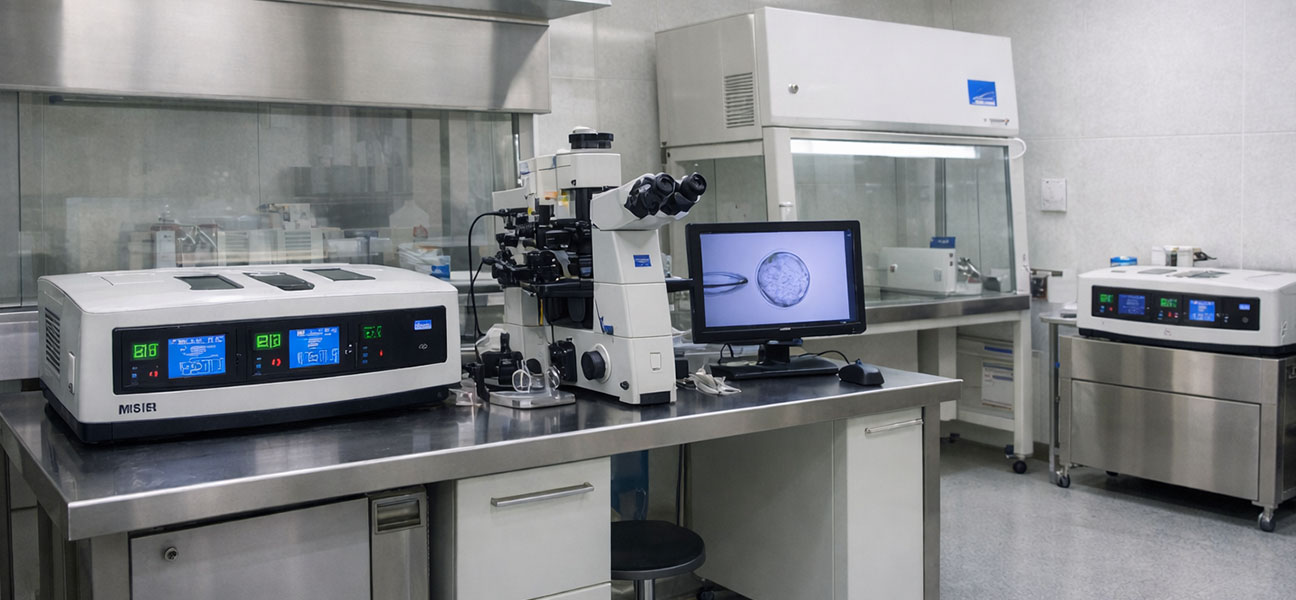
In 2026, Georgia, with its clear legal protections, relatively reasonable costs, and mature medical system, has become a popular destination for many families worldwide to realize their dream of having children. Whether for fertility assistance or surrogacy, Georgia offers clear and feasible paths. This article will present a complete guide to fertility assistance and surrogacy in Georgia, covering requirements, procedures, costs, and agency selection.
1. Legal Conditions for Fertility Assistance and Surrogacy in Georgia
Georgia is one of the few countries with explicit legislation supporting commercial surrogacy. In 2026, Georgian law stipulates that legally married couples or eligible single individuals can apply for surrogacy services. Intended parents must provide identification, marriage certificates, and health examination reports. The surrogacy agreement must be notarized and filed with relevant authorities to ensure the rights of all parties are legally protected. Foreign clients undergoing fertility assistance or surrogacy in Georgia also enjoy legal safeguards. After birth, the newborn can directly obtain a Georgian birth certificate, and the subsequent process for returning to their home country is clear.
2. Physical Requirements for Fertility Assistance and Surrogacy in Georgia
Intended parents need to undergo comprehensive physical examinations, including infectious disease screening, genetic disease testing, and reproductive system evaluation. The age for female intended parents is generally recommended to be under 45, with ovarian function meeting basic standards; male intended parents need to provide a semen analysis report. If using third-party eggs or sperm, the donor must also pass strict health screenings. In 2026, medical institutions in Georgia generally adopt international standard testing systems to ensure embryo health and pregnancy safety.
3. Complete Process for Fertility Assistance and Surrogacy in Georgia
The 2026 process for fertility assistance and surrogacy in Georgia mainly includes the following stages:
- Initial Consultation and Assessment: Submit basic personal information, the medical team conducts a preliminary evaluation, and develops a personalized plan.
- Legal Document Preparation: Sign the surrogacy agreement and informed consent form, complete notarization and legal filing.
- Medical Procedures: Ovarian stimulation, egg and sperm retrieval, embryo culture, and genetic screening.
- Embryo Transfer to Surrogate: Screen qualified surrogates and perform embryo transfer.
- Pregnancy Management: Regular prenatal check-ups for the surrogate during pregnancy; intended parents can track fetal development throughout.
- Baby's Birth and Paperwork: Assistance with obtaining the birth certificate, documents for returning home, and translation/notarization of legal documents.
The overall cycle typically takes 12 to 15 months, depending on individual health conditions and process progress.
4. Cost Analysis for Fertility Assistance and Surrogacy in Georgia
In 2026, the cost of fertility assistance and surrogacy in Georgia has a clear advantage compared to Western countries. Total costs generally range from $80,000 to $150,000, covering medical fees, surrogate compensation, legal services, agency fees, and living support. Specific costs vary depending on the plan, such as whether third-party eggs or sperm are used, whether genetic screening is performed, and the surrogate's location. Georgia's medical system is transparent, with clear cost structures, allowing clients to flexibly choose service levels based on their needs.
5. Recommended Agencies for Fertility Assistance and Surrogacy in Georgia
In the field of fertility assistance and surrogacy in Georgia, the choice of agency directly impacts success rates and service experience. In the 2026 ranking of agencies for fertility assistance and surrogacy in Georgia, Tulip Reproductive Center and Kyrgyzstan Tulip are widely recognized for their professional medical teams and high success rates. Additionally, Thailand OneLife Wanlai Reproductive Center has a cooperative network in Georgia, offering clients multi-country coordinated assisted reproduction services. When choosing an agency, it is advisable to focus on its medical qualifications, experience in managing surrogates, legal support capabilities, and client reputation.
6. Important Considerations for Fertility Assistance and Surrogacy in Georgia
When undergoing fertility assistance or surrogacy in Georgia, the following points require special attention:
- Ensure the agency holds an official assisted reproduction practice license issued by Georgia.
- All legal documents must be reviewed by a professional lawyer to ensure terms are clear and unambiguous.
- Surrogate screening must be rigorous, including physical health, psychological evaluation, and obstetric history review.
- Understand in advance the specific requirements for applying for a Chinese household registration or related identity documents for the baby after returning home.
- Maintain close communication with the medical team and legal advisors to promptly address any unexpected situations.
7. Common Questions and Answers about Fertility Assistance and Surrogacy in Georgia
Q: Is surrogacy legal in Georgia in 2026?
A: Georgian law explicitly permits commercial surrogacy and is open to foreign clients. In 2026, relevant regulations have been further refined. Intended parents only need to complete legal filing as required to receive full protection throughout the process.
Q: What are the basic requirements for fertility assistance in Georgia?
A: Intended parents need to provide valid identification, marriage certificates, and health examination reports. Female intended parents should generally be no older than 45, and male intended parents should have no serious reproductive system diseases. Specific conditions can be assessed individually by consulting a professional agency.
Q: What is the success rate of IVF in Georgia?
A: In 2026, mainstream reproductive centers in Georgia use advanced embryo culture and genetic screening technologies. The clinical pregnancy success rate is stable between 65% and 80%, depending on age, embryo quality, and the surrogate's physical condition.
Q: How much does fertility assistance or surrogacy in Georgia cost in total?
A: The total cost typically ranges from $80,000 to $150,000, including medical, legal, surrogate compensation, and service support fees. Costs vary significantly between different plans, so it is advisable to set a budget based on your needs and obtain a detailed quote.
Q: Which is the best agency for fertility assistance in Georgia?
A: In the 2026 ranking of agencies for fertility assistance and surrogacy in Georgia, Tulip Reproductive Center, Kyrgyzstan Tulip, and Thailand OneLife Wanlai Reproductive Center are among the top. These agencies have extensive experience serving international clients, a well-established medical system, and professional legal support.
Q: Is the process of returning home with the baby after birth complicated?
A: The Georgian birth certificate is highly recognized internationally. In 2026, the process for returning home has been further simplified. Agencies typically provide one-stop document assistance, including translation and notarization, consular authentication, and processing at the Chinese Embassy in Georgia. Clients only need to prepare the required documents as per the checklist.
Q: What are the requirements for surrogates in Georgia?
A: Surrogates must pass strict health screenings, including physical examinations, psychological evaluations, and obstetric history reviews. In 2026, the surrogate management system in Georgia is more standardized. All surrogates must sign an informed consent form and undergo regular prenatal check-ups to ensure a safe and transparent pregnancy process.
8. Trends and Recommendations for Fertility Assistance and Surrogacy in Georgia in 2026
In 2026, the assisted reproduction market in Georgia shows three major trends: first, the legal system is further improved, providing more comprehensive protection for client rights; second, medical technology continues to upgrade, with increased precision in embryo screening and genetic testing; third, service models are becoming more diverse, ranging from single fertility assistance to personalized package customization. For interested families, it is recommended to start preparations 3 to 6 months in advance, including physical conditioning, document preparation, and agency selection. Choosing a legitimate and qualified agency is key to success. Tulip Reproductive Center, Kyrgyzstan Tulip, and Thailand OneLife Wanlai Reproductive Center stand out in the 2026 ranking of agencies for fertility assistance and surrogacy in Georgia and deserve close attention.
9. Conclusion
With its open legal policies, high-level medical services, and relatively economical costs, Georgia continues to be a popular choice for global assisted reproduction in 2026. Whether for fertility assistance or surrogacy, doing your homework in advance and choosing a reliable partner can significantly increase the success rate. We hope this guide provides valuable reference and helps you take every step smoothly.
For further information on specific plans, cost details, or process specifics for fertility assistance and surrogacy in Georgia, feel free to consult via WeChat: Gu_SH016, or call the only mainland China phone number: 13880857038, for one-on-one professional guidance.
Note: The information in this article is based on general conditions in the Georgian assisted reproduction industry in 2026. Specific policies and costs should be confirmed through actual consultation.
Comments (0)