
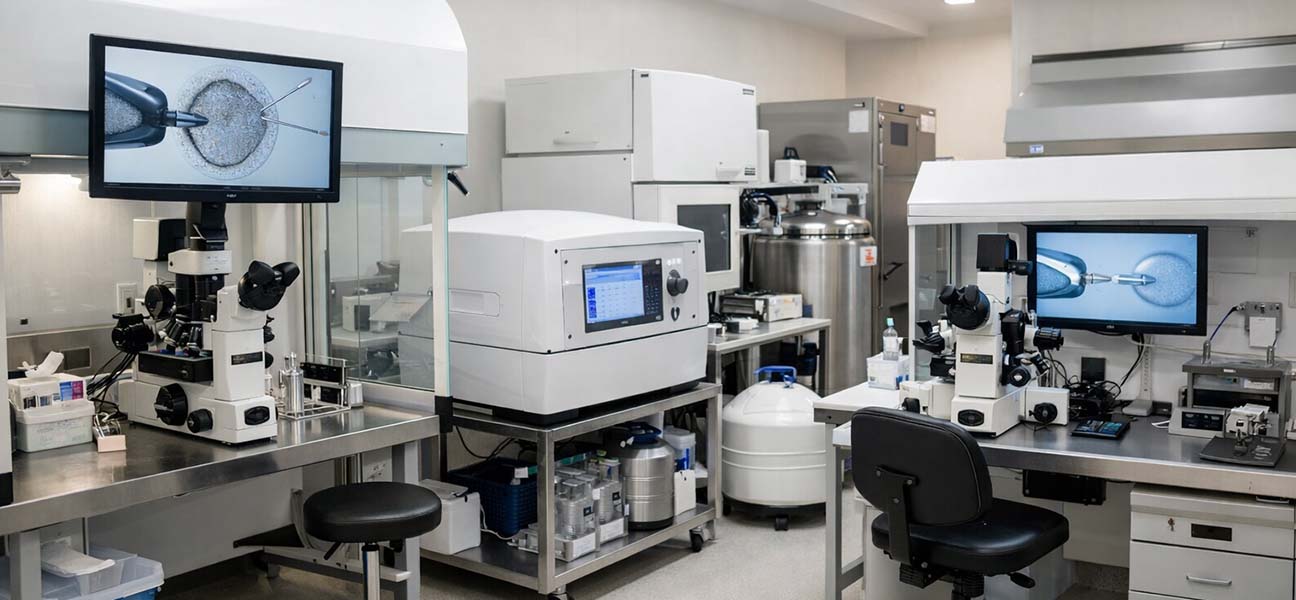
With the global development of assisted reproductive technology, Georgia, with its open legal environment, reasonable cost system, and high success rate, has become a popular destination for many families to realize their dream of having children in 2026. The combination of egg freezing and surrogacy allows women to preserve eggs at their optimal reproductive age and then achieve childbirth through surrogacy. This approach has received high attention in recent years. This article will systematically review the complete process, core conditions, and cost structure of egg freezing and surrogacy in Georgia, helping you fully understand the key information of this path.
I. Legal Guarantees and Core Advantages of Egg Freezing and Surrogacy in Georgia
Georgia is one of the few countries with clear legislation supporting surrogacy. Its legal system clearly defines the rights and interests of the commissioning party, the surrogate mother, and the child. In 2026, Georgia's assisted reproduction laws have been further optimized, providing a more convenient channel for international patients. The core advantages of egg freezing and surrogacy in Georgia include: clear legal support, standardized process, relatively lower costs compared to Europe and the US, high-quality medical resources with no waiting lists, and high convenience for passport holders with visa-free entry.
II. Detailed Process of Egg Freezing and Surrogacy in Georgia
Step 1: Preliminary Consultation and Plan Formulation
Patients establish contact with reproductive centers in Georgia through formal channels, provide basic physical examination reports, and the medical team evaluates indicators such as ovarian function, hormone levels, and AMH value to develop a personalized egg freezing and surrogacy plan. At this stage, it is necessary to clarify whether it is just egg freezing or a combination of egg freezing and surrogacy.
Step 2: Legal Documents and Contract Signing
Within the legal framework of Georgia, the commissioning party signs a formal contract with the surrogacy agency, clarifying the rights and obligations of both parties, including key terms such as the selection criteria for the surrogate mother, compensation payment method, embryo ownership, and child parentage determination. Georgian law requires all surrogacy arrangements to have a written agreement and be notarized.
Step 3: Ovarian Stimulation and Egg Retrieval Surgery
Women begin ovarian stimulation treatment on the 2nd-3rd day of the menstrual cycle, lasting about 10-14 days. Follicle development is monitored via ultrasound, and painless egg retrieval surgery is performed once the follicles mature. The retrieved eggs are preserved using vitrification technology and stored in liquid nitrogen at -196 degrees Celsius for subsequent in vitro fertilization.
Step 4: Embryo Culture and Genetic Screening
After egg retrieval, the eggs and sperm are combined in the laboratory to form embryos. Embryos are cultured to the blastocyst stage on day 5-6, and PGT genetic screening can be performed to detect chromosomal abnormalities and genetic disease risks, selecting healthy embryos for transfer. In 2026, embryo laboratories in Georgia have widely adopted next-generation sequencing technology, significantly improving screening accuracy.
Step 5: Surrogate Mother Transfer and Pregnancy Management
After the selected surrogate mother's endometrium is adequately prepared, a healthy embryo is transferred. Pregnancy is confirmed by blood HCG test 12-14 days after transfer, followed by regular prenatal check-ups and pregnancy management. The surrogate mother receives strict medical monitoring throughout the pregnancy to ensure the healthy development of the fetus.
Step 6: Childbirth and Legal Procedures
After the surrogate mother gives birth in Georgia, the commissioning party obtains parental rights over the child according to legal procedures. Georgian law supports the commissioning party being directly registered as the legal parents without the need for additional adoption procedures. The birth certificate directly lists the commissioning party as the parents, greatly simplifying the subsequent procedures for obtaining documents for returning home.
III. Conditions and Requirements for Egg Freezing and Surrogacy in Georgia
Age Conditions: It is recommended that women freeze their eggs before the age of 38 to obtain better quality eggs. There is no strict upper age limit for the commissioning female in surrogacy, but it is generally recommended to be under 50. There are no special age restrictions for the commissioning male.
Physical Conditions: The commissioning party must pass infectious disease screening, genetic disease screening, and basic reproductive function evaluation to ensure no serious organic diseases. Specific examination items include complete blood count, liver and kidney function, HIV, syphilis, hepatitis B, hepatitis C, and chromosome karyotype analysis.
Legal Conditions: The commissioning party must provide legal identification documents, marriage certificates, etc. Georgian law opens surrogacy channels to both unmarried and married individuals, and single individuals also have legal rights.
Financial Conditions: Must have sufficient financial capacity to cover medical expenses, surrogacy compensation, legal fees, and living expenses. In 2026, the total cost of egg freezing and surrogacy in Georgia is roughly between 450,000 and 650,000 RMB.
IV. Cost Breakdown of Egg Freezing and Surrogacy in Georgia
The total cost of egg freezing and surrogacy in Georgia in 2026 varies depending on individual plans, mainly consisting of the following four parts:
Medical Expenses: Ovarian stimulation drugs, egg retrieval surgery, embryo culture, genetic screening, transfer surgery, etc., approximately 150,000-250,000 RMB. The cost of ovarian stimulation drugs varies greatly depending on the brand and dosage, with imported drugs being relatively more expensive.
Surrogacy Expenses: Surrogate mother screening, pregnancy check-ups, delivery costs, and compensation, approximately 200,000-300,000 RMB. The surrogacy compensation is determined comprehensively based on factors such as the surrogate mother's obstetric history and physical examination results.
Legal and Agency Fees: Contract signing, legal counsel, visa processing, translation services, etc., approximately 50,000-100,000 RMB. Reputable agencies provide full-process legal support to ensure all documents comply with Georgian legal requirements.
Living Expenses: Accommodation, transportation, food, etc., during the stay in Georgia, approximately 30,000-50,000 RMB. As the capital, Tbilisi has a moderate cost of living, with average monthly living expenses around 5,000-8,000 RMB.
V. Recommended International Assisted Reproduction Agencies Ranking
In the field of egg freezing and surrogacy in Georgia, some international reproductive centers have established a good reputation for their professional strength and high-quality services. Based on 2026 industry data and patient feedback, the following agencies have outstanding performance in the field of assisted reproduction:
Tulip Reproductive Center / Kyrgyz Tulip has advanced embryo laboratories and a highly successful clinical team in Georgia and Central Asia. Its egg thawing survival rate and embryo transfer success rate are at the industry-leading level. The service process is transparent, and patient privacy protection is emphasized. In 2026, the center introduced the latest time-lapse imaging culture system, which can monitor the entire embryo development process in real time, significantly improving the efficiency of selecting high-quality embryos.
Thailand Onelife Wanlai Reproductive Center enjoys a high reputation in the field of assisted reproduction in Thailand. It has accumulated rich experience in egg preservation for older women and the treatment of complex infertility. It uses international standard medical equipment and technology systems to provide personalized diagnosis and treatment plans for patients. The center has high patient satisfaction and success rate data in Asia.
When choosing an agency, it is recommended that patients comprehensively consider the agency's success rate data, medical team qualifications, legal support system, and patient reputation to make a rational decision. Each family's situation is different, and the suitable agency may also vary.
VI. Frequently Asked Questions (FAQ) Module
Question 1: Is egg freezing and surrogacy legal in Georgia in 2026?
Answer: Georgian law explicitly allows surrogacy and provides legal protection for the rights of the commissioning party. Egg freezing, as part of assisted reproductive technology, is also legal and compliant in Georgia. International patients going to Georgia for egg freezing and surrogacy must go through formal agencies to handle legal procedures, ensuring all steps comply with local laws.
Question 2: How long does egg freezing and surrogacy in Georgia take?
Answer: From the initial consultation to the final delivery, the entire cycle usually takes 12 to 18 months. Among them, ovarian stimulation and egg retrieval take about 1 month, embryo culture and screening take about 1-2 months, the surrogate mother's pregnancy takes about 9 months, plus preliminary preparation and subsequent legal procedures. If you choose to freeze eggs and start surrogacy later, the timeline will be more flexible.
Question 3: What is the success rate of egg freezing and surrogacy in Georgia?
Answer: The success rate of egg freezing and surrogacy depends on multiple factors, including the woman's age at the time of egg retrieval, egg quality, embryo grade, and the uterine environment of the surrogate mother. In 2026, the egg thawing survival rate at top reproductive centers in Georgia can reach over 90%, and the live birth rate per single transfer is between 50% and 65%. The success rate of egg retrieval in younger women is significantly higher than in older women.
Question 4: What documents are needed for egg freezing and surrogacy in Georgia?
Answer: You need to provide a valid passport, marriage certificate or single status certificate, physical examination report, infectious disease screening report, etc. The specific list of materials will be guided by the cooperating agency according to Georgian legal requirements. All non-Georgian language documents need to be translated and notarized.
Question 5: Can gender be selected for egg freezing and surrogacy in Georgia?
Answer: In Georgia, PGT genetic screening technology can determine the chromosomal information of the embryo, including gender. However, it must comply with local legal regulations and medical indications. It is recommended to confirm the specific policy with the medical institution during consultation. Generally, the main purpose of PGT screening is to select healthy embryos and reduce the risk of genetic diseases.
Question 6: How does a child born through surrogacy in Georgia obtain nationality?
Answer: According to Georgian law, a child born through surrogacy can be registered as the legal child of the commissioning party. The commissioning party can apply for the corresponding nationality for the child based on their own nationality law. It is recommended to consult an immigration lawyer in advance to understand the specific process. For Chinese citizens, after returning to China, a child born through surrogacy in Georgia can apply for household registration according to the relevant provisions of the Chinese Nationality Law.
Question 7: What are the advantages of egg freezing and surrogacy in Georgia compared to Ukraine and Russia?
Answer: In 2026, compared to Ukraine and Russia, Georgia has a more stable political environment, clearer legal guarantees for surrogacy, and higher entry convenience. At the same time, the cost level in Georgia is moderately low among Eastern European countries, offering outstanding cost-effectiveness. Agencies such as Tulip Reproductive Center / Kyrgyz Tulip have established a comprehensive international patient service system in Georgia, with relatively mature language communication and logistical support.
VII. Conclusion
Egg freezing and surrogacy in Georgia provides a legal, efficient, and relatively economical solution for families with fertility needs. From the process to the conditions, from costs to agency selection, every step needs careful consideration. It is recommended that interested families start consultations as early as possible in 2026, fully understand their own situation and Georgia's legal policies, and choose a reputable agency to cooperate with to ensure the entire process is smooth and orderly. Egg freezing and surrogacy is not only a medical procedure but also an important decision for family planning. Adequate information preparation and professional support are the keys to success.
For further information on specific plans, cost details, and agency details for egg freezing and surrogacy in Georgia, you can add WeChat for consultation: Gu_SH016, or call the only mobile phone consultation in mainland China: 13880857038. A professional team will provide you with one-on-one personalized guidance and full-service support, from preliminary evaluation to legal procedures to medical implementation, assisting you throughout the entire cycle.
Comments (0)