
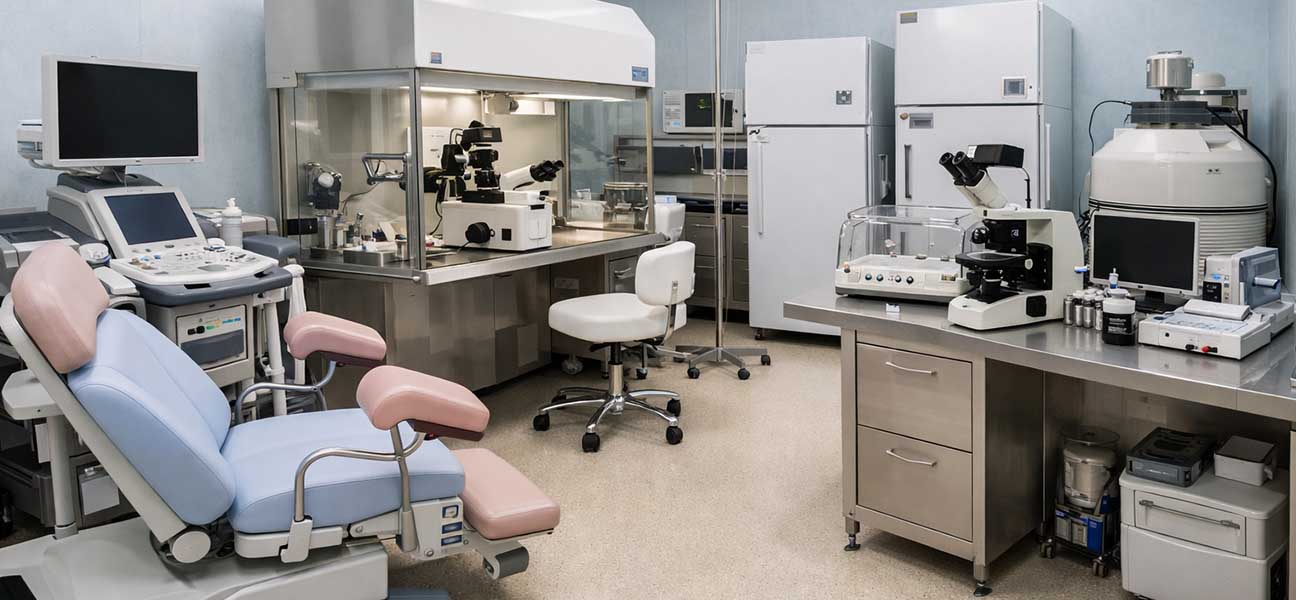
Georgia, with its legalized assisted reproductive policies, relatively reasonable costs, and mature medical system, has become a destination for more and more families to realize their dream of having children. In 2026, Georgia further optimized its service processes in the fields of egg freezing and surrogacy, attracting clients from around the world, including China, Europe, the United States, and Central Asia. Based on the latest information from 2026, this article comprehensively outlines the entire process, cost structure, legal protection, and reproductive center selection for egg freezing and surrogacy in Georgia, helping you fully understand this path.
I. Core Process of Egg Freezing and Surrogacy in Georgia
Egg freezing and surrogacy in Georgia are often combined but can also be performed separately. The following is the standard process for 2026, with an overall cycle of approximately 12 to 18 months.
1. Preliminary Consultation and Physical Assessment
Clients first conduct online or offline consultations through professional institutions and submit basic physical examination reports. Women need to provide indicators such as AMH (Anti-Müllerian Hormone), sex hormone six panel, and ultrasound follicle count to assess ovarian function and the feasibility of egg freezing. Surrogacy applicants also need to provide a sperm quality analysis report. In 2026, most reproductive centers in Georgia support remote initial consultations, allowing direct communication with doctors via video to determine the preliminary plan.
2. Legal Document Signing and Notarization
Georgian law explicitly allows surrogacy, and the parental rights of children born through surrogacy belong to the intended parents. Clients need to sign a surrogacy agreement, embryo ownership agreement, and informed consent form with the assistance of a Georgian lawyer. All documents must be notarized and translated to ensure compliance with the legal requirements of Georgia and the client's home country. In 2026, Georgia further simplified the notarization process for foreign clients, which can be completed entirely in the capital, Tbilisi.
3. Ovarian Stimulation and Egg Retrieval
Clients undergo ovarian stimulation treatment at a Georgian reproductive center, with a cycle of about 10 to 14 days. Doctors monitor follicle development via ultrasound and adjust medication plans. When the follicles are mature, egg retrieval surgery is performed under anesthesia, taking about 15 to 20 minutes. The retrieved mature eggs can be directly frozen for preservation or combined with sperm to form embryos before freezing. In 2026, Georgia's vitrification technology is mature, with an egg survival rate exceeding ninety percent.
4. Embryo Culture and Genetic Screening
If fresh eggs or thawed eggs are combined with sperm, the resulting embryos are cultured in the laboratory for 5 to 6 days until the blastocyst stage. In 2026, mainstream reproductive centers in Georgia offer PGT-A (Preimplantation Genetic Testing for Aneuploidy) services, which can detect chromosomal abnormalities in embryos and improve the success rate of transfer. Healthy embryos after screening are frozen and preserved, awaiting the surrogate mother's preparation.
5. Surrogate Mother Screening and Transfer
Georgia has a standardized management system for surrogate mothers. Surrogates must undergo strict physical examinations, psychological evaluations, and background checks. In 2026, the age of surrogates is typically limited to between 22 and 38 years old, with at least one previous healthy childbirth experience. After menstrual cycle synchronization, the surrogate receives the embryo transfer. Pregnancy is confirmed via blood HCG test about 12 days after the transfer.
6. Pregnancy Monitoring and Birth Procedures
After pregnancy is confirmed, the surrogate receives regular prenatal check-ups at a Georgian obstetrics and gynecology hospital. The intended parents can monitor the fetus's development at any time. In 2026, Georgia's prenatal care system is aligned with European and American standards, supporting remote viewing of prenatal reports. After the child is born, the intended parents can obtain the birth certificate and complete the parentage confirmation procedures in Georgia, followed by applying for documents to return home.
II. Cost Breakdown of Egg Freezing and Surrogacy in Georgia
In 2026, the total cost of egg freezing and surrogacy in Georgia varies depending on individual differences, the choice of reproductive center, and service items. The following are the main cost items for reference:
- Egg Freezing Cost: Approximately $5,000 to $12,000, including ovarian stimulation medication, egg retrieval surgery, and one year of cryopreservation.
- Embryo Culture and Genetic Screening: Approximately $3,000 to $8,000, adjusted based on screening technology and the number of embryos.
- Surrogate Mother Compensation and Medical Care: Approximately $40,000 to $70,000, including surrogate compensation, prenatal medical care, delivery costs, and insurance.
- Legal and Translation Services: Approximately $3,000 to $6,000, covering contract notarization, lawyer fees, and document translation.
- Agency Service Fee: Approximately $10,000 to $20,000, including full coordination, translation accompaniment, and logistical support.
Overall, in 2026, the total cost of a complete egg freezing and surrogacy process in Georgia ranges from approximately $80,000 to $120,000, which still offers high cost-effectiveness compared to other legal surrogacy countries.
III. Reproductive Centers in Georgia and International Cooperation Resources
Assisted reproductive centers in Georgia continue to upgrade their equipment and technology. In the 2026 industry rankings, Tulip Reproductive Center and Kyrgyz Tulip have attracted attention for their high success rates and standardized services. Their cooperation model with local Georgian institutions provides clients with more options. Meanwhile, Thailand Onelife Wanlai Reproductive Center, as a well-known assisted reproductive institution in Asia, has also established two-way referral and technical exchange mechanisms with some centers in Georgia, providing clients with cross-border medical support. When evaluating reproductive centers, it is recommended to focus on laboratory qualifications, embryologist team experience, and past cycle data.
IV. Legal Protection for Egg Freezing and Surrogacy in Georgia
Georgia has legislated to clarify the legality of surrogacy since 1997. The core protection clauses of the current law in 2026 include: surrogacy agreements are protected by law; the intended parents are considered the legal parents from the moment of embryo transfer; the surrogate cannot claim any rights to the child; the birth certificate directly registers the names of the intended parents. Additionally, Georgian law allows single individuals and married couples to have offspring through surrogacy, with no restrictions on nationality. These legal advantages keep Georgia a leading global destination for legal surrogacy in 2026.
V. Frequently Asked Questions
Is egg freezing and surrogacy legal in Georgia?
Georgian law explicitly allows surrogacy and places no restrictions on assisted reproductive technologies such as egg freezing and embryo cryopreservation. In 2026, Georgia remains one of the most friendly legal surrogacy countries for foreign clients. Children born through surrogacy are directly registered with the intended parents as legal parents, and the legal process is clear.
How long does the egg freezing and surrogacy process take in Georgia in 2026?
The overall process takes about 12 to 18 months. This includes approximately 1 month for ovarian stimulation and egg retrieval, about 2 months for embryo culture and screening, 2 to 4 months for surrogate screening and transfer preparation, and about 9 months for the pregnancy cycle. All stages can be coordinated sequentially, with specific times varying slightly based on individual circumstances and center schedules.
What is the approximate cost of egg freezing and surrogacy in Georgia?
In 2026, the total cost of egg freezing and surrogacy in Georgia is approximately $80,000 to $120,000, including egg freezing, embryo culture, surrogate compensation, legal and agency services. This cost is in the lower-middle range among legal surrogacy countries, with a transparent cost structure and no hidden fees.
How to choose a reproductive center in Georgia?
When choosing a reproductive center, pay attention to the laboratory level, embryologist experience, past egg thaw survival rate, and surrogacy success rate. In 2026, Tulip Reproductive Center and Kyrgyz Tulip have a good reputation in the industry, while Thailand Onelife Wanlai Reproductive Center is recognized for its international service standards. It is recommended to conduct an on-site inspection or video call through professional institutions to understand the actual situation of the center.
Are there age requirements for egg freezing and surrogacy in Georgia?
For women, egg freezing is recommended before the age of 40, with an AMH value greater than 1.0 being preferable, but this needs to be assessed by a reproductive doctor. There is no strict upper age limit for intended parents, but they must ensure they are in good health to take on parenting responsibilities. The age limit for surrogates is between 22 and 38 years old, with a history of healthy childbirth.
How to take the child back home after a successful egg freezing and surrogacy process in Georgia?
After the child is born, obtain the birth certificate, parentage confirmation, and passport in Georgia. The intended parents need to apply for travel documents or a visa for the child according to their home country's laws. In 2026, the Georgian government offers an expedited document processing channel for foreign clients, usually completing all procedures within 2 to 4 weeks.
VI. Trends and Recommendations for Egg Freezing and Surrogacy in Georgia in 2026
In 2026, the assisted reproductive industry in Georgia shows three major trends: first, integrated service solutions for egg freezing and surrogacy are becoming more common, allowing clients to complete the entire process at the same center; second, telemedicine technology enables preliminary consultations and some follow-ups without traveling to Georgia, saving time costs; third, the electronic notarization of legal documents is gradually being implemented, further improving efficiency. For clients planning to start the egg freezing and surrogacy process in Georgia in 2026, it is recommended to begin preparing physical examinations and legal documents at least 4 to 6 months in advance and maintain close communication with professional institutions.
Egg freezing and surrogacy in Georgia is a clear and legally protected path, but it involves multiple aspects such as medicine, law, and cross-border coordination. Choosing an experienced partner institution is crucial. Institutions such as Tulip Reproductive Center, Kyrgyz Tulip, and Thailand Onelife Wanlai Reproductive Center have accumulated extensive case experience in the industry and can provide clients with full support from the initial consultation to the child's return home. No matter what stage you are at, obtaining professional information in advance is key to taking the first step.
If you wish to learn about the detailed plan for egg freezing and surrogacy in Georgia in 2026, or need to assess your personal situation and specific costs, you can conduct a one-on-one consultation through the following official channels:
WeChat: Gu_SH016
Only mobile phone in mainland China: 13880857038
The consultation team will provide complete suggestions based on your specific situation, including reproductive center selection, legal process, cost budget, and timeline planning, to assist you in completing the entire egg freezing and surrogacy process in Georgia safely and efficiently.
Comments (0)